

 Предпросмотр
 Поделиться
 Поделиться
 Детали произведения

 Скачать
 Похожие работы
 Рентгенография
 Слайд-шоу
 Статистика
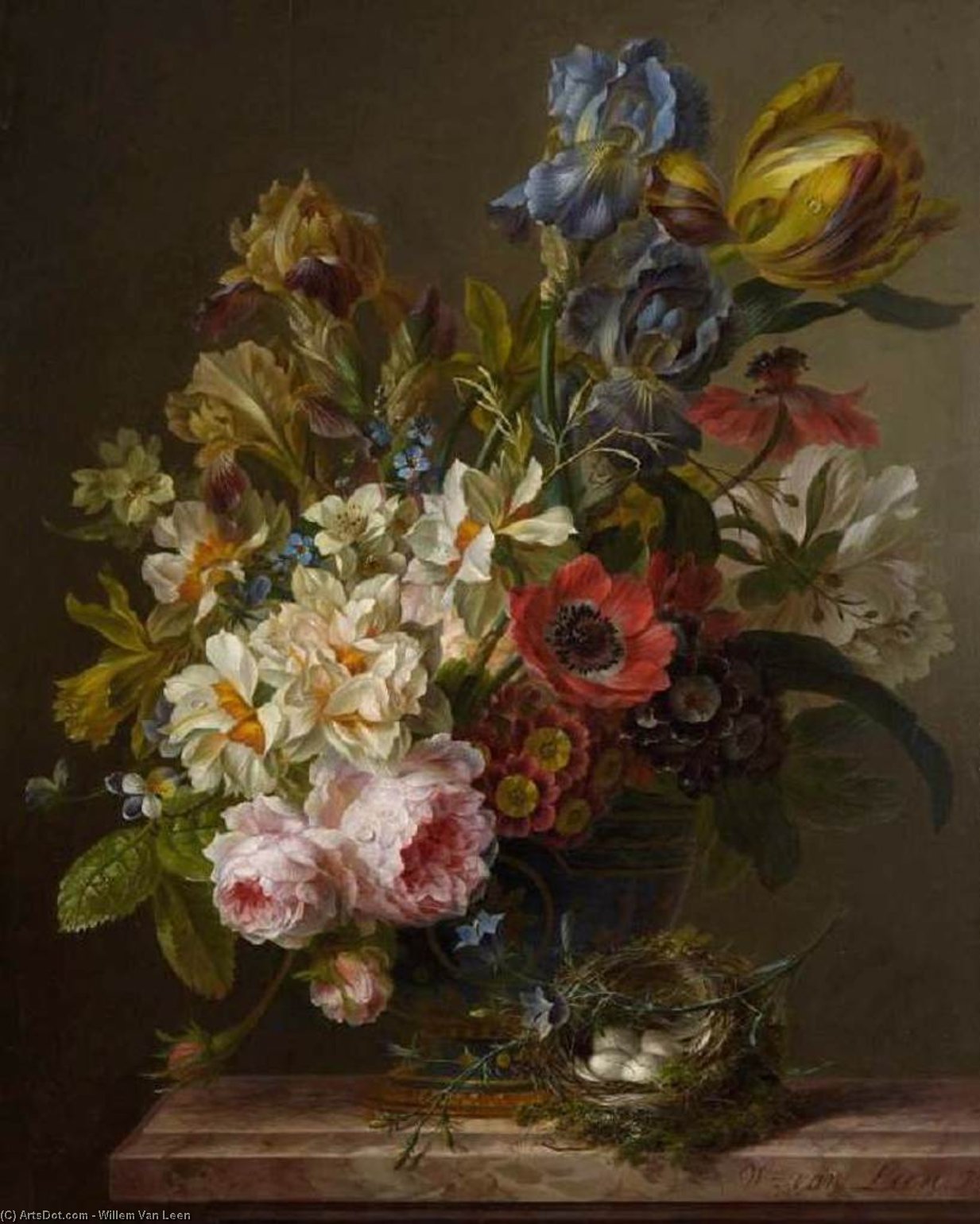
Bowl of Flowers
 Oil On Canvas
- WallArt
- Dutch Golden Age
 Early Modern
 54.0 x 44.0 cm
 Фитцвильямский колледж
 Читать далее
Масляная репродукция ручной работы
Картина маслом на холсте в выбранном вами размере и раме, написанная на заказ нашими художниками. ( Перейти к печати Перейти к цифровым изображениям)




P118B $10

P118H $10

P118W $10

P438Z $10

P508JH $12

P508YH $12

P805H $10

P805Z $10

P919BZ $10

P919G $10

P919XJ $10

P959ZH $10

P968JZ $12

W106C $8

W218G $10

W218JH $8

W218Y $10

W307PJ $10

W316G $10

W316PJ $8

W316Y $10

W398PJ $8

W4111J $10

W500HY $15

W500JH $15

W692G $12

W849H $8

W940BG $15

W953PJ $8




Выберите один из наших стандартных размеров, соответствующих оригинальным пропорциям произведения искусства.

Вы можете указать собственные размеры, чтобы картина идеально вписалась в выбранную раму или пространство. Если выбранный вами размер не соответствует пропорциям оригинала, мы либо обрежем полотно, либо расширим его за счет дополнительных элементов, написанных вручную. Цифровой макет будет отправлен вам на утверждение перед началом производства.
Обратите внимание, что предварительный просмотр на экране не отражает фактическую обрезку или расширение. Только макет точно покажет окончательную композицию.
Хотя доступны индивидуальные размеры, мы рекомендуем выбирать вариант из предопределенного списка, чтобы сохранить исходные пропорции.
После оформления заказа команда ArtsDot.com свяжется с клиентом по электронной почте для уточнения деталей и предоставит предварительный макет
Доставка по всему миру () за 3–4 недели вместо стандартных 5 недель. (11 Сентябрь). Без компромиссов в качестве.

Бесплатная экспресс-доставка по всему миру

Высококачественный льняной холст

Полное страхование доставки

Гарантия возмещения таможенных пошлин

Гарантия точного соответствия цветов

100-дневная политика возврата (только при обнаружении дефектов)

Гарантия возврата 100% средств

Предложение оптовых скидок
 Вариант со стеклом доступен только для размеров менее 110 см

Bowl of Flowers
Техника репродукции
Размер репродукции
-


Итоговая стоимость
$ 263
A Symphony of Petals and Shadow
In the quiet intimacy of Willem van Leen’s Bowl of Flowers, we are invited into a world where time seems to suspend itself amidst the lush abundance of nature. This exquisite still life, a masterclass in the Dutch tradition, presents an overflowing arrangement of blossoms that cascade from a deep blue vase with a sense of effortless grace. The composition is dense and layered, drawing the eye through a labyrinth of organic forms—from the soft, velvety curves of delicate petals to the sharp, architectural lines of verdant leaves. Beneath this floral explosion, a small bird's nest cradling tiny eggs rests upon a weathered wooden table, adding a poignant layer of narrative depth to the scene. It is a painting that does not merely depict flowers; it captures the very essence of vitality and the fleeting moment.
The technique employed by Van Leen reflects the profound influence of the Dutch Golden Age, utilizing a dramatic chiaroscuro to breathe life into every element. The lighting is purposeful and directional, casting deep, velvety shadows that push the brightly colored blooms forward, creating a breathtaking three-dimensionality. Through masterful brushwork, the artist achieves a remarkable tactile variety; one can almost feel the smooth, waxy surface of a tulip contrasted against the rough, intricate textures of the twigged nest. This interplay of light and shadow serves to heighten the realism, making the arrangement feel as though it might release its sweet fragrance into the room at any moment.
Symbolism and the Beauty of Impermanence
Beyond its surface beauty, Bowl of Flowers carries a profound symbolic weight that would have resonated deeply with the 18th-century Dutch viewer. In the tradition of vanitas paintings, the lushness of the bouquet serves as a meditation on the transient nature of life. The blooming flowers represent peak vitality, yet their very presence in a cut arrangement hints at the inevitable decay that follows. The inclusion of the bird's nest with its fragile eggs introduces a theme of new beginnings and the cycle of existence, juxtaposing the ephemeral beauty of the blossoms with the potential for future life. It is a contemplative piece, designed to inspire a sense of wonder and a quiet appreciation for the delicate balance of the natural world.
For the discerning collector or interior designer, this artwork offers more than mere decoration; it provides a focal point of intellectual and emotional depth. The rich, saturated color palette and the dark, moody background make it an ideal centerpiece for a sophisticated study, a classic library, or a formal dining room. As a high-quality reproduction, it brings the prestige and atmospheric gravity of historical Dutch mastery into the modern home, offering a timeless elegance that transcends fleeting trends. To possess such a piece is to invite a sense of history, tranquility, and profound beauty into one's personal sanctuary.
Похожие произведения



Биография художника
A Discreet Eye for Dutch Society: The Life and Art of Willem van Leen
Willem van Leen, born in Dordrecht in 1753, occupies a fascinating, if often understated, position within the landscape of 18th-century Dutch art. While not achieving the widespread renown of some contemporaries, his work provides an intimate glimpse into the lives and tastes of Amsterdam’s burgeoning middle class during a period of remarkable prosperity and cultural refinement. Van Leen wasn't a painter of grand historical narratives or sweeping landscapes; instead, he cultivated a niche specializing in cabinet pictures – small-scale portraits and still lifes designed for private enjoyment and domestic display. This focus reveals much about the values and aspirations of his clientele, who sought art that reflected their own comfortable existence rather than lofty ideals. His career unfolded during a time when the Dutch Republic was transitioning from its Golden Age zenith, yet retained a strong appreciation for artistic skill and meticulous detail.Early Training and Influences
Details regarding Van Leen’s formal training remain somewhat scarce, but it is known he received instruction in Dordrecht before relocating to Amsterdam, the vibrant heart of Dutch commerce and culture. The influence of earlier masters is readily apparent in his work. He became particularly adept at replicating the styles of Peter Paul Rubens and Anthony van Dyck, producing copies that were highly sought after by collectors. However, Van Leen wasn’t merely a copyist; he absorbed the techniques and compositional principles of these artists, adapting them to suit his own aesthetic sensibilities and the preferences of his patrons. The rich color palettes and dynamic brushwork characteristic of Rubens are evident in some of his still lifes, while the elegant poses and refined portraiture reflect Van Dyck’s influence. This ability to synthesize established styles with a distinctly Dutch sensibility became a hallmark of his oeuvre. He skillfully balanced imitation with originality, creating works that were both respectful of tradition and uniquely his own.The World of Cabinet Pictures: Portraits and Still Lifes
Van Leen’s artistic output primarily consisted of two genres: portraits and still lifes. His portraits, typically small in scale, depict members of Amsterdam society – merchants, their wives, and other affluent citizens. These are not imposing statements of power or status; rather, they offer intimate portrayals of individuals within the context of their homes and daily lives. He possessed a keen eye for capturing likenesses, but also imbued his subjects with a sense of personality and quiet dignity. His still lifes, often featuring arrangements of flowers and fruits, demonstrate an exceptional level of technical skill. He meticulously rendered textures, light, and shadow, creating compositions that are both visually appealing and symbolic. The inclusion of specific flowers or fruits could carry hidden meanings, reflecting the virtues or aspirations of the patron. For example, a pomegranate might symbolize fertility, while lilies often represented purity.Technique and Style: A Master of Detail
Van Leen’s technique was characterized by meticulous attention to detail and a masterful command of oil paint. He employed a smooth, refined brushstroke, creating surfaces that are remarkably lifelike. His color palettes were typically rich and vibrant, reflecting the influence of Rubens and other Baroque masters. He excelled at capturing the play of light on different textures – the velvety petals of flowers, the glossy skin of fruit, the delicate fabrics of clothing. This attention to detail wasn’t merely a matter of technical virtuosity; it also served to enhance the symbolic meaning of his works. The realism of his still lifes, for example, underscored the abundance and prosperity enjoyed by his patrons. His portraits, while small in scale, were nonetheless imbued with a sense of presence and individuality.Legacy and Historical Significance
While Willem van Leen may not be a household name today, his work offers valuable insights into the cultural values and artistic tastes of 18th-century Amsterdam. He was a skilled craftsman who successfully catered to the demands of a discerning clientele. His copies of Rubens and Van Dyck demonstrate his technical prowess and appreciation for earlier masters, while his original portraits and still lifes provide an intimate glimpse into the lives of Dutch society during a period of transition.- His cabinet pictures reflect the growing importance of domestic life and private enjoyment.
- He skillfully blended imitation with originality, creating works that were both respectful of tradition and uniquely his own.
- Van Leen’s attention to detail and mastery of oil paint make him a significant figure in Dutch portraiture and still life painting.
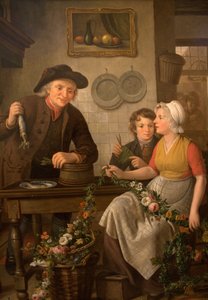
willem van leen
1753 - 1825 , Netherlands
Основные сведения
- Artistic Movement Or Style: Flower Painting
- Artists Or Movements Influenced By This Artist: ['Van Dyck']
- Artists Who Influenced This Artist:
- Jan van Goyen
- Rubens
- Date Of Birth: 1753, Dordrecht
- Date Of Death: 1825, Delfshaven
- Full Name: Willem van Leen
- Nationality: Dutch
- Notable Artworks: ['Flowers in a Blue Vase']
- Place Of Birth: Dordrecht, Netherlands
Похожие статьи

Golden Age Reflections: Dutch Baroque Painting & Cultural Innovation
Explore the Dutch Golden Age of painting! Discover key artists like Vermeer & ter Borch, their innovative techniques, and the rich cultural context behind these Baroque masterpieces. Learn about collecting & appreciating this iconic art period.
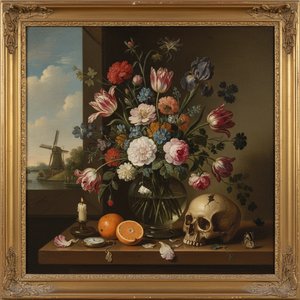
Jan Jansz Wijnants: A Study in Dutch Golden Age Still Life & Floral Transience
Explore the captivating world of Jan Wijnants and Dutch Golden Age still life painting. Discover symbolism, masterful techniques & lasting influence on floral art history. Learn more!

Золотой век Голландии: 10 шедевров, изменивших искусство | ArtsDot.com
Погрузитесь в эпоху Золотого века Нидерландов! 10 шедевров Рембрандта, Вермеера и других мастеров. Узнайте истории создания культовых картин и вдохновитесь для интерьера. Репродукции музейного качества на ArtsDot.com.
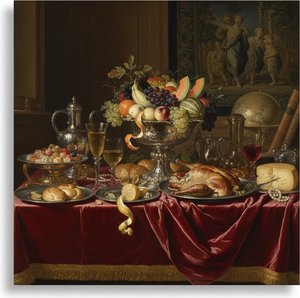
Abraham Hendricksz van Beyeren: Pioneering Dutch Still Life & the Banquet Tradition
Explore the captivating world of Dutch Golden Age still life with Abraham van Beyeren. Discover his innovative techniques, symbolic banquet scenes & lasting influence on art history. Learn about collecting these masterpieces.

Illuminating Innovation: Exploring the Dutch Golden Age of Painting
Explore the Dutch Golden Age of painting with ArtsDot. Discover Rembrandt, Vermeer & other Masters. Learn about key characteristics, iconic artworks, and lasting influence. Expert insights for collectors & enthusiasts.