Предпросмотр
 Поделиться
 Поделиться
 Детали произведения

 Скачать
 Похожие работы
 Рентгенография
 Слайд-шоу
 Статистика
Scene on the Ganges (probably Bihar)
 1850
1850 58.0 x 115.0 cm
 Government Art Collection
 Читать далее
Масляная репродукция ручной работы
Картина маслом на холсте в выбранном вами размере и раме, написанная на заказ нашими художниками. ( Перейти к печати Перейти к цифровым изображениям)
































Выберите один из наших стандартных размеров, соответствующих оригинальным пропорциям произведения искусства.

Вы можете указать собственные размеры, чтобы картина идеально вписалась в выбранную раму или пространство. Если выбранный вами размер не соответствует пропорциям оригинала, мы либо обрежем полотно, либо расширим его за счет дополнительных элементов, написанных вручную. Цифровой макет будет отправлен вам на утверждение перед началом производства.
Обратите внимание, что предварительный просмотр на экране не отражает фактическую обрезку или расширение. Только макет точно покажет окончательную композицию.
Хотя доступны индивидуальные размеры, мы рекомендуем выбирать вариант из предопределенного списка, чтобы сохранить исходные пропорции.
После оформления заказа команда ArtsDot.com свяжется с клиентом по электронной почте для уточнения деталей и предоставит предварительный макет
Доставка по всему миру () за 3–4 недели вместо стандартных 5 недель. (15 Сентябрь). Без компромиссов в качестве.

Бесплатная экспресс-доставка по всему миру

Высококачественный льняной холст

Полное страхование доставки

Гарантия возмещения таможенных пошлин

Гарантия точного соответствия цветов

100-дневная политика возврата (только при обнаружении дефектов)

Гарантия возврата 100% средств

Предложение оптовых скидок
 Вариант со стеклом доступен только для размеров менее 110 см

Scene on the Ganges (probably Bihar)
Техника репродукции
Размер репродукции
-


Итоговая стоимость
$ 263
Похожие произведения





Биография художника
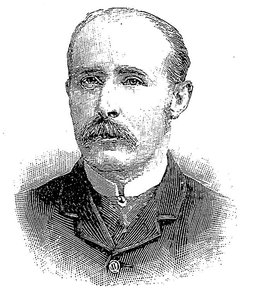
A Life Painted Across Empires: The World of William Melville
William Melville, a name perhaps less celebrated than some of his contemporaries, nonetheless occupies a fascinating and important niche in 19th-century art history. His canvases offer a compelling visual record of a world undergoing dramatic transformation – the height of British imperial power, specifically its presence in India, and the social fabric of Britain itself. While biographical details remain somewhat elusive, the body of his work speaks volumes about a life deeply immersed in military affairs, landscape painting, and the burgeoning Orientalist movement. Melville wasn’t simply *recording* scenes; he was interpreting them, shaping perceptions, and contributing to a visual narrative that defined an era. His paintings are not just historical documents but windows into the complex relationship between colonizer and colonized, power and representation.Early Life and Artistic Formation
The precise details of Melville's early life remain shrouded in some mystery. Born sometime in the 19th century (exact dates are currently unavailable), his artistic journey appears to have been inextricably linked with his connection to the British military. It’s widely believed he spent a significant portion of his career documenting scenes from India, particularly those involving the Bengal Army. This suggests either direct service within the army or close association with its officers and administration. The influence of established landscape painters is evident in Melville's work – a meticulous attention to detail, a romantic sensibility towards nature, and a mastery of light and atmosphere. He likely received formal training, though records are scarce. What *is* clear is that he developed a distinctive style characterized by a blend of topographical accuracy and narrative storytelling. His early works often depict military encampments, parades, and scenes of daily life within the army, rendered with a precision that suggests a desire to capture authenticity alongside aesthetic appeal.The Indian Canvas: Documenting an Empire
Melville’s most significant contribution lies in his depictions of India during the period of British rule. He wasn't merely painting picturesque landscapes; he was portraying the machinery of empire – the soldiers, the infrastructure, and the social interactions that defined colonial life. His paintings frequently feature scenes from the Bengal Army, showcasing both the grandeur of military operations and the more mundane aspects of soldiering.- Military Precision: Melville’s attention to detail in depicting uniforms, weaponry, and formations is remarkable, offering valuable insights into the appearance and organization of the British Indian Army.
- Social Context: Beyond military subjects, his work also captures glimpses of local life – villages, markets, and portraits of individuals, providing a broader context to the imperial narrative.
- Orientalist Influences: While not as overtly exoticizing as some Orientalist painters, Melville’s depictions of India are nonetheless shaped by prevailing Western perceptions of the East. His work reflects a fascination with the unfamiliar customs and landscapes of the subcontinent.