 Поделиться
 Поделиться
 Детали произведения

 Скачать
 Похожие работы
 Слайд-шоу
 Статистика
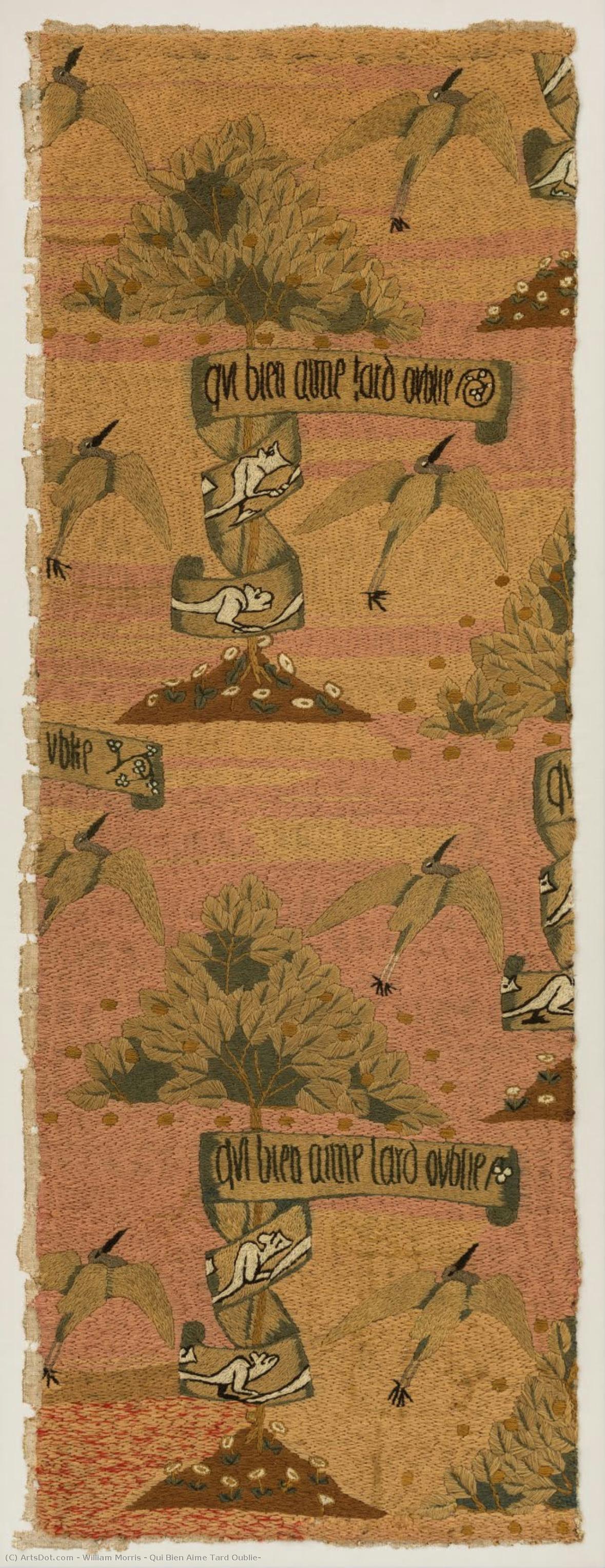
Qui Bien Aime Tard Oublie
 Embroidery
- Textile
- Pre-Raphaelite
 1860
1860- 19th Century
 185.0 x 66.0 cm
 William Morris Gallery
 Читать далее
Масляная репродукция ручной работы
Картина маслом на холсте в выбранном вами размере и раме, написанная на заказ нашими художниками. ( Перейти к печати Перейти к цифровым изображениям)




































Выберите один из наших стандартных размеров, соответствующих оригинальным пропорциям произведения искусства.

Вы можете указать собственные размеры, чтобы картина идеально вписалась в выбранную раму или пространство. Если выбранный вами размер не соответствует пропорциям оригинала, мы либо обрежем полотно, либо расширим его за счет дополнительных элементов, написанных вручную. Цифровой макет будет отправлен вам на утверждение перед началом производства.
Обратите внимание, что предварительный просмотр на экране не отражает фактическую обрезку или расширение. Только макет точно покажет окончательную композицию.
Хотя доступны индивидуальные размеры, мы рекомендуем выбирать вариант из предопределенного списка, чтобы сохранить исходные пропорции.
После оформления заказа команда ArtsDot.com свяжется с клиентом по электронной почте для уточнения деталей и предоставит предварительный макет
Доставка по всему миру () за 3–4 недели вместо стандартных 5 недель. (11 Сентябрь). Без компромиссов в качестве.

Бесплатная экспресс-доставка по всему миру

Высококачественный льняной холст

Полное страхование доставки

Гарантия возмещения таможенных пошлин

Гарантия точного соответствия цветов

100-дневная политика возврата (только при обнаружении дефектов)

Гарантия возврата 100% средств

Предложение оптовых скидок
 Вариант со стеклом доступен только для размеров менее 110 см

Qui Bien Aime Tard Oublie
Техника репродукции
Размер репродукции
-


Итоговая стоимость
$ 263
A Tapestry of Romance and Nature
In the delicate interplay of thread and color, "Qui Bien Aime Tard Oublie" emerges as a breathtaking testament to the Pre-Raphaelite spirit and the profound connection between art and the natural world. Created in 1860 by the legendary William Morris, this extraordinary embroidery is far more than a mere decorative hanging; it is a window into a romanticized era where craftsmanship served as a vessel for deep emotion. The work captures a serene, almost ethereal moment: a woman, her hair adorned with a graceful bow, nestled within the lush, verdant embrace of a forest setting. Through the meticulous application of needlework, Morris transforms a textile medium into a painterly experience, where every stitch contributes to the soft, atmospheric depth of the woodland scene.
The historical heartbeat of this piece is inextricably linked to the prestigious circles of the 19th-century English avant-garde. Originally part of a set of identical hangings installed at Penkill Castle in Ayrshire, Scotland, the work was commissioned for Alice Boyd, a woman deeply embedded in the artistic fabric of her time. As the mistress of painter William Bell Scott and a close associate of Dante Gabriel Rossetti, Boyd provided the perfect sanctuary for such evocative works. The very fact that Rossetti himself took note of these embroideries underscores their significance within the Pre-Raphaelite movement, suggesting that even in the medium of needlework, Morris was able to communicate the same intense, symbolic language found in the era's most famous oil paintings.
Technically, the piece is a marvel of Victorian textile artistry. Measuring an impressive 185 x 66 cm, the elongated format lends itself to a sweeping, panoramic narrative that draws the eye across the landscape. The technique of embroidery allows for a unique texture that paint alone cannot replicate; there is a tactile richness to the forest floor and a soft, diffused light that seems to emanate from the very fibers of the work. This mastery of medium creates a sense of intimacy, inviting the viewer to lean in and discover the subtle details of the foliage and the gentle expression of the central figure.
For the discerning collector or interior designer, "Qui Bien Aime Tard Oublie" offers an unparalleled opportunity to introduce a sense of historical grandeur and organic beauty into a contemporary space. The artwork serves as a focal point that bridges the gap between the ruggedness of nature and the refined elegance of classical design. Whether displayed in a sunlit library or as a sophisticated accent in a modern living suite, a high-quality reproduction of this masterpiece brings with it an aura of timelessness. It is not merely an object of decoration, but an emotional anchor—a piece that whispers tales of medieval chivalry, the enduring power of love, and the restorative beauty of the English countryside.
Похожие произведения

Биография художника
William Morris (1834–1896): A Life Rooted in Nature and Romance
William Morris, born on March 24, 1834, in Walthamstow, Essex, emerged from a comfortably affluent middle-class background—a circumstance that afforded him the freedom to pursue passions rather than professions. His father’s success as a financier provided not only security but also an environment where aesthetic sensibilities could flourish. Morris's childhood was deeply shaped by the English countryside surrounding his home and a fascination with tales of medieval chivalry, laying the groundwork for a lifelong devotion to both natural beauty and romantic narratives. These early influences weren’t merely sentimental; they formed the core of his artistic philosophy. He wasn’t simply *inspired* by nature or the past—he believed in their inherent moral and aesthetic superiority to the rapidly industrializing present. His formal education at Oxford University initially steered him toward a clerical path, but it was within the vibrant intellectual circles of the university that his true calling began to take shape. He joined “The Set,” a group of students who shared an intense interest in art, literature, and medieval history, forging friendships—most notably with Edward Burne-Jones—that would profoundly impact his artistic trajectory. It was during this period that he encountered the writings of John Ruskin, whose critique of industrial society and advocacy for craftsmanship resonated deeply with Morris’s burgeoning beliefs.The Arts & Crafts Revolution
Following Oxford, a brief foray into architecture quickly gave way to painting, as Morris collaborated with Dante Gabriel Rossetti on mural projects. However, it was the founding of Morris, Marshall, Faulkner & Co. in 1861—later known simply as Morris & Co.—that marked a pivotal moment, not just in his career but in the history of design. This wasn’t merely a business venture; it was an attempt to create a new way of life, one where art permeated every aspect of daily existence and craftsmanship was valued above all else. Alongside Burne-Jones, Rossetti, Philip Webb, and others, Morris sought to revive traditional techniques and produce beautiful, well-made objects for the home. The firm’s early work was profoundly influenced by Red House—a rural retreat designed by Webb—where Morris lived from 1859 to 1865. This house embodied the Arts & Crafts ideal of creating a unified aesthetic environment through handcrafted furnishings and decoration, reflecting Morris's belief that beauty should be inseparable from functionality. He championed handmade craftsmanship as an antidote to the dehumanizing effects of mass production—a radical notion at a time when design was often seen as separate from function. This conviction extended beyond mere aesthetics; it was rooted in a deep social conscience and a desire to improve the lives of working people. Morris’s artistic vision wasn't confined to decorative arts; he also produced significant literary works, exploring themes of mythology, folklore, and utopian ideals.A Literary Voice Amidst Medieval Visions
Morris’s poetic output—including *The Earthly Paradise* and *A Dream of John Ball*—established him as a key figure in the Victorian fantasy genre. His poems captured the spirit of medieval chivalry and romantic idealism, reflecting his lifelong fascination with the past and its moral lessons. He skillfully blended mythology, folklore, and Christian symbolism to create narratives that transported readers to imaginative worlds—a feat remarkable for its time. Furthermore, Morris’s prose writings—such as *News from Nowhere*—presented a utopian vision of society based on communal ownership, ecological harmony, and artistic creativity. This ambitious project aimed to critique Victorian materialism and propose an alternative path toward human flourishing—a testament to his intellectual curiosity and his unwavering belief in the transformative power of art.Morris & Co.: Craftsmanship Elevated
The Morris, Marshall, Faulkner & Co. firm became synonymous with Arts & Crafts excellence. Under Morris’s leadership, the company produced a breathtaking array of decorative arts—furniture, stained glass windows, textiles, wallpapers, and carpets—each meticulously crafted by skilled artisans using traditional methods. These creations weren't simply aesthetically pleasing; they were imbued with symbolic meaning and reflected Morris’s profound understanding of natural forms and humanist values. The firm’s designs revolutionized interior decoration, rejecting the ornate styles of the Victorian era in favor of understated elegance and harmonious color palettes—a stylistic shift that continues to inspire designers today. Morris’s commitment to preserving historic buildings also cemented his legacy as a champion of cultural heritage. He founded the Society for the Preservation of Ancient Buildings to combat the destructive forces of industrialization and advocate for responsible architectural conservation.An Enduring Influence on Art and Thought
William Morris died October 3, 1896 in Bexleyheath, Kent. His work continues to resonate with artists and designers across disciplines—a testament to his enduring vision of beauty, craftsmanship, and social justice. He remains a pivotal figure in the Arts & Crafts movement and an inspiration for those who strive to create art that elevates human experience and fosters a deeper connection with the natural world. His legacy extends beyond individual artworks; it encompasses a broader ethos—one that prioritizes ethical production, aesthetic contemplation, and the pursuit of a more humane society.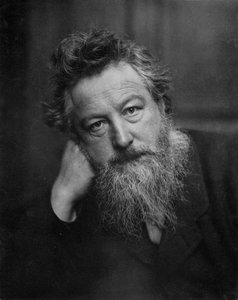
Уильям Моррис
1834 - 1896 , Великобритания
Основные сведения
- Artistic Movement Or Style: Арт Нуво
- Artists Or Movements Influenced By This Artist: ['Арт Нуво']
- Artists Who Influenced This Artist:
- Джон Рускин
- Эдуард Бурне-Жонс
- Date Of Birth: 24 марта 1834 г.
- Date Of Death: 3 октября 1896 г.
- Full Name: William Morris
- Nationality: Британский
- Notable Artworks:
- Солнце и луна ангелы
- Листья дуба во всех святых
- Иуда Маккабея
- Place Of Birth (City And Country): Валтамстоу, Великобритания
Похожие статьи

The Enchanted Canopy: Exploring Forests in Art History – From Romantic Idealization to Ecological Consciousness
Explore the rich history of forests in art! Discover Romantic masterpieces by Friedrich & Monet, Symbolist depths, and contemporary visions. Find inspiration & quality reproductions at ArtsDot.
Многопанельные художественные композиции: что это такое и как они работают – FAQ
Узнайте все о многопанельных художественных композициях от ! Создание на заказ, высокое качество репродукций и эксклюзивный дизайн для ценителей искусства. Бесплатная консультация!
Mariano Fortuny: A Fusion of Art, Fashion & Design – Exploring a Venetian Innovator's Legacy
Explore the captivating world of Mariano Fortuny – artist, designer & innovator. Discover his revolutionary textiles, iconic Delphos gown, and lasting influence on art, fashion & interiors. A collector's guide to a Venetian master.
Nature’s Sanctuary: Curating Enchanting Forest Artworks to Transform Your Home into a Serene Woodland Retreat
Transform your home into a serene woodland retreat with enchanting forest artworks. Discover museum-quality oil reproductions and custom landscape commissions designed to bring the peaceful beauty of nature indoors.
Woven Wonders: A Beginner's Guide to Elevating Your New Home with Timeless Textile Art
Discover how to transform your new home with the warmth of textile art. Our expert guide for newlyweds explores handwoven tapestries, tactile fibers, and timeless ways to curate a soulful, sophisticated interior through beautiful woven wonders.