

 Предпросмотр
 Поделиться
 Поделиться
 Детали произведения

 Скачать
 Похожие работы
 Рентгенография
 Слайд-шоу
 Статистика
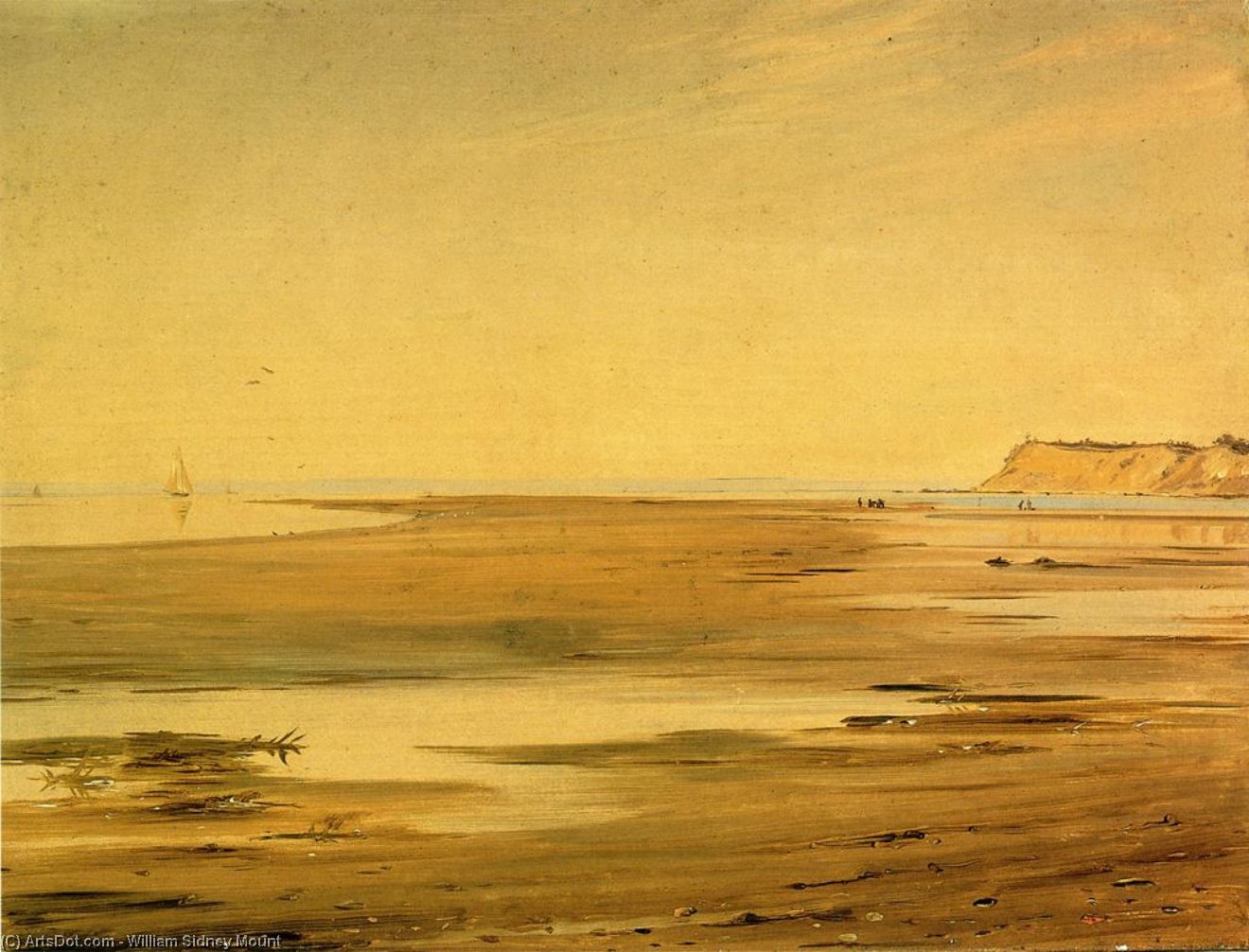
Crane Neck Across the Marsh


 Читать далее
Масляная репродукция ручной работы
Картина маслом на холсте в выбранном вами размере и раме, написанная на заказ нашими художниками. ( Перейти к печати Перейти к цифровым изображениям)




P118B $10

P118H $10

P118W $10

P438Z $10

P508JH $12

P508YH $12

P805H $10

P805Z $10

P919BZ $10

P919G $10

P919XJ $10

P959ZH $10

P968JZ $12

W106C $8

W218G $10

W218JH $8

W218Y $10

W307PJ $10

W316G $10

W316PJ $8

W316Y $10

W398PJ $8

W4111J $10

W500HY $15

W500JH $15

W692G $12

W849H $8

W940BG $15

W953PJ $8




Выберите один из наших стандартных размеров, соответствующих оригинальным пропорциям произведения искусства.

Вы можете указать собственные размеры, чтобы картина идеально вписалась в выбранную раму или пространство. Если выбранный вами размер не соответствует пропорциям оригинала, мы либо обрежем полотно, либо расширим его за счет дополнительных элементов, написанных вручную. Цифровой макет будет отправлен вам на утверждение перед началом производства.
Обратите внимание, что предварительный просмотр на экране не отражает фактическую обрезку или расширение. Только макет точно покажет окончательную композицию.
Хотя доступны индивидуальные размеры, мы рекомендуем выбирать вариант из предопределенного списка, чтобы сохранить исходные пропорции.
После оформления заказа команда ArtsDot.com свяжется с клиентом по электронной почте для уточнения деталей и предоставит предварительный макет
Доставка по всему миру () за 3–4 недели вместо стандартных 5 недель. (10 Сентябрь). Без компромиссов в качестве.

Бесплатная экспресс-доставка по всему миру

Высококачественный льняной холст

Полное страхование доставки

Гарантия возмещения таможенных пошлин

Гарантия точного соответствия цветов

100-дневная политика возврата (только при обнаружении дефектов)

Гарантия возврата 100% средств

Предложение оптовых скидок
 Вариант со стеклом доступен только для размеров менее 110 см

Crane Neck Across the Marsh
Техника репродукции
Размер репродукции
-


Итоговая стоимость
$ 263
A Tranquil Vista of Long Island’s Coastal Landscape
William Sidney Mount's “Crane Neck Across the Marsh,” completed in 1841, stands as a quintessential example of American genre painting—a movement dedicated to portraying everyday life with remarkable realism and sensitivity. Currently residing at the Museums at Stony Brook, this artwork offers more than just a picturesque depiction of Long Island’s shoreline; it encapsulates the spirit of its time and reflects Mount's profound connection to the natural world.
Composition and Artistic Style: Capturing Light and Texture
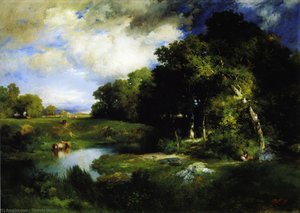
The painting presents a serene beach scene bathed in soft, diffused sunlight. Foreground figures—likely fishermen or leisure seekers—are scattered along the sandy shore, while two boats bob gently on the calm waters of the marsh. A solitary crane gracefully traverses the reeds, adding a touch of avian elegance to the composition. Mount’s masterful use of color contributes significantly to the painting's atmosphere – warm hues dominate, creating a feeling of warmth and tranquility that invites contemplation.
Technique: Detailed Observation and Impressionistic Brushstrokes
Mount employed oil paints on wood panel, utilizing meticulous brushwork to capture the subtle nuances of light and texture. Unlike grand historical canvases, “Crane Neck Across the Marsh” prioritizes observation over idealized representation. The artist’s attention to detail is evident in the rendering of individual reeds, ripples on the water surface, and the plumage of the crane—elements meticulously crafted to convey a sense of immediacy and authenticity.
Historical Context: Romanticism's Embrace of Nature
"Crane Neck Across the Marsh" aligns perfectly with the broader artistic currents of Romanticism. This movement championed emotion and imagination as responses to experience, rejecting Neoclassical restraint in favor of expressive color palettes and dynamic compositions. Mount’s work reflects a fascination with the beauty of rural landscapes—a reaction against the industrialization and urbanization that characterized the early 19th century—and celebrates the dignity inherent in simple human activities.
Symbolism: The Crane as Emblematic Figure
The crane itself holds symbolic significance within Japanese culture, representing longevity, grace, and fidelity. Mount’s inclusion of this bird elevates “Crane Neck Across the Marsh” beyond a mere landscape depiction; it speaks to themes of harmony with nature and the enduring spirit of rural life—values that resonated deeply with Romantic sensibilities.
Experience Crane Neck Across the Marsh: A Reproduction Worthy of Distinction
If you wish to immerse yourself in the beauty of “Crane Neck Across the Marsh” and appreciate Mount’s artistic vision, consider commissioning a handmade oil painting reproduction from ArtsDot.com. Our skilled artisans meticulously recreate this masterpiece using archival pigments and techniques—ensuring that its splendor is preserved for generations to come.
Похожие произведения

Биография художника
A Pioneer of American Genre Painting
William Sidney Mount, born November 26, 1807, in the quiet hamlet of Setauket, Long Island, emerged as a pivotal figure in the development of distinctly American art. He wasn’t drawn to the grand historical narratives or formal portraiture championed by many of his contemporaries; instead, Mount turned his keen eye toward the everyday lives unfolding around him – the farmers, musicians, and ordinary folk who populated the rural landscapes of 19th-century Long Island. This unwavering dedication to depicting scenes of common life established him as a true innovator, marking him as one of the earliest practitioners of genre painting in America—a style that celebrated the dignity and inherent beauty found within the mundane. His artistic journey was profoundly shaped by his upbringing; his father operated a bustling farm, store, and tavern, fostering an environment brimming with both practical experience and observation of human character. Micah Hawkins, Mount’s uncle, possessed a remarkable breadth of talents – a composer, playwright, mimic, and poet – nurturing within young William a spirit of artistic curiosity and engagement with diverse forms of expression.Early Training and Artistic Awakening
Mount's initial foray into the art world commenced not within the confines of an academic institution but through a formative apprenticeship with his older brother, Henry Smith Mount, a sign painter in New York City. This practical training honed his draughtsmanship skills and instilled a foundational understanding of painting technique—a grounding that would prove invaluable as he pursued his artistic ambitions. However, it was a visit to the American Academy of the Fine Arts exhibition in 1825 that irrevocably ignited his artistic passion. Surrounded by the works of established artists who favored grand historical subjects, Mount experienced an epiphany; he recognized the compelling narrative potential residing within capturing authentic moments from daily life. This realization propelled him toward a stylistic path markedly different from prevailing trends—a conscious rejection of convention in favor of truthful representation. Immediately captivated by the expressive power of realism, Mount embarked on his artistic independence, establishing his own studio in New York City in 1829 – a decisive step towards realizing his vision as a professional artist. Despite initial influences drawn from historical painting—he created works like *Christ Raising the Daughter of Jairus* (1828)—Mount swiftly discerned that his true vocation lay in portraying the world he knew best: the rural life of Long Island.Capturing Rural Life with Realism and Warmth
Mount’s artistic style is characterized by an unwavering realism tempered with a remarkable ability to infuse his scenes with warmth, humor, and profound empathy. He didn't idealize rural existence; rather, he presented it as it truly was – replete with both labor and leisure, hardship and joy—a nuanced portrayal that distinguished him from many of his peers. His meticulous attention to detail is palpable, extending from the textures of clothing to the subtle expressions on faces, creating an immersive experience for the viewer and conveying a sense of immediacy and authenticity. *Dancing on Barn Floor* (1831), arguably Mount’s most celebrated masterpiece, exemplifies this approach; it's a vibrant depiction of a rural dance celebration—a snapshot of communal joy captured with breathtaking precision. Later works like *The Banjo Player* (1856) demonstrate not only his technical prowess but also a deep sensitivity to his subjects—particularly African American musicians—challenging societal prejudices of the era and advocating for dignified representation. Other notable paintings include *The Long Story*, *Right and Left*, and *School Boys Quarreling*, each offering poignant glimpses into the lives and experiences of ordinary Americans.Innovation Beyond the Canvas
Mount’s artistic creativity transcended the boundaries of painting; he possessed a multifaceted talent encompassing music and invention. He played the fiddle with considerable skill, composing melodies that reflected his profound connection to the rhythms of rural life—a testament to his holistic artistic vision. Furthermore, demonstrating an extraordinary spirit of innovation, Mount constructed a portable studio within a horse-drawn wagon in 1860 – a bold decision that liberated him from conventional constraints and allowed him to pursue his art wherever inspiration struck. This mobile workspace enabled him to travel extensively throughout Long Island, directly observing and documenting scenes unfolding in real time—a practice that underscored his commitment to capturing spontaneity and conveying genuine emotion. He was recognized as one of the foremost pre-Civil War genre painters in America who resided in Stony Brook and Setauket for the majority of his life.Legacy and Enduring Influence
William Sidney Mount passed away on November 19, 1868, in his beloved Setauket, leaving behind a rich artistic legacy that continues to inspire artists today. His pioneering work in genre painting fundamentally reshaped the American art landscape—establishing it as a significant force alongside historical painting and portraiture—and paving the way for subsequent generations of painters who sought to explore themes of everyday life with honesty and compassion. He is remembered not merely for his technical skill and meticulous realism but also for his unwavering empathy toward ordinary people—celebrating their lives with dignity, respect, and profound artistic insight. Mount’s paintings stand as enduring symbols of American identity and culture, reminding us that beauty can be found in the simplest moments—a testament to his indelible contribution to art history. His dedication to portraying authentic human experience cemented his place among America's most influential artists.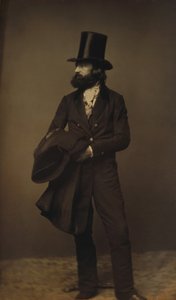
Вильям Сидни Маут
1807 - 1868 , Соединенные Штаты Америки
Основные сведения
- Artistic Movement Or Style: Жанровая живопись, Реализм
- Artists Or Movements Influenced By This Artist: ['Американская жанровая живопись']
- Artists Who Influenced This Artist:
- Бенджамин Уэст
- Вильям Хогарть
- Date Of Birth: Ноябрь 26, 1807 г.
- Date Of Death: Ноябрь 19, 1868 г.
- Full Name: William Sidney Mount
- Nationality: Американский
- Notable Artworks:
- Танцующий на амбаре
- Длинная история
- Правый и левый
- Балагур
- Place Of Birth: Сетукет, США
Похожие статьи

Джон Констебль: 25 шедевров английского пейзажа для вашего интерьера
Погрузитесь в мир английского пейзажа с Джоном Констеблом! 25 шедевров романтизма, история создания картин и вдохновение для вашего интерьера. Репродукции высокого качества на ArtsDot.com – искусство для ценителей.

Топ-25 шедевров Кацусики Хокусая: Искусство Японии для вашего интерьера
Погрузитесь в мир гения Кацусики Хокусая! 25 легендарных гравюр укиё-э, включая "Великую волну". История искусства Японии и вдохновение для вашего интерьера. Репродукции высокого качества на ArtsDot.com.
William Trost Richards: Luminism, Spirituality & the American Landscape Tradition
Explore the captivating landscapes of William Trost Richards, a master of Luminism associated with both the Hudson River School & American Pre-Raphaelite movements. Discover his spiritual connection to nature and lasting influence on American art.

Evocations of Place: A Historical Journey Through Landscape Art
Explore the rich history of landscape art with ArtsDot. Discover renowned artists, movements like Impressionism & Romanticism, and expert guidance for collecting timeless pieces. Find your perfect serene escape today!
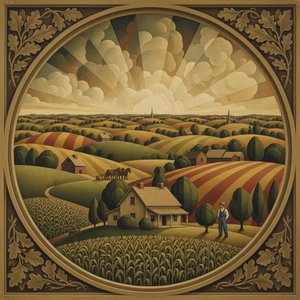
Grant Wood & American Regionalism: Identity, Myth & the Rural Landscape
Explore the world of Grant Wood & American Regionalism with ArtsDot. Discover the symbolism behind 'American Gothic', recurring themes, and the movement's lasting impact on art history. High-quality reproductions available.