

 Поделиться
 Поделиться
 Детали произведения

 Скачать
 Похожие работы
 Слайд-шоу
 Статистика
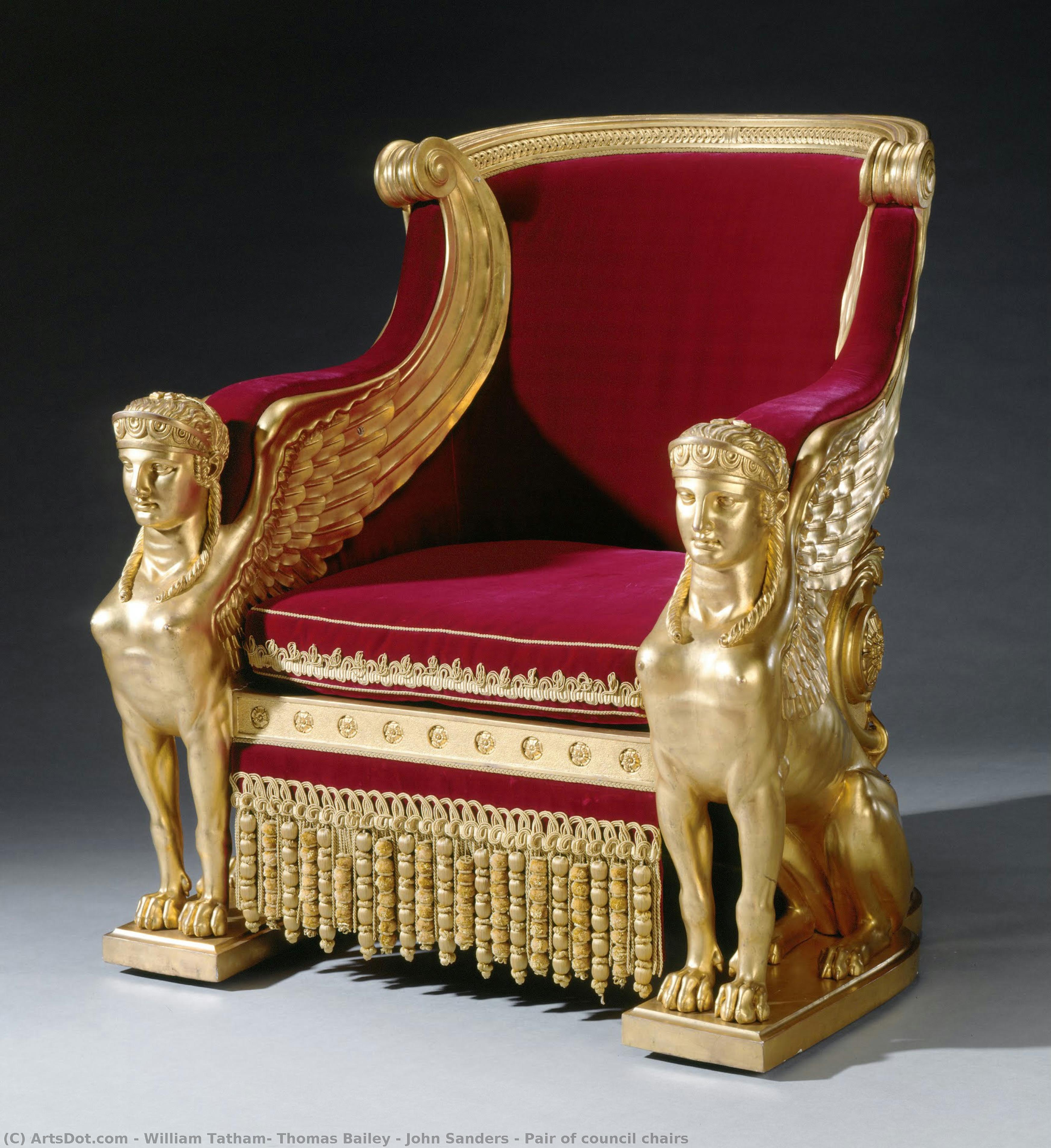
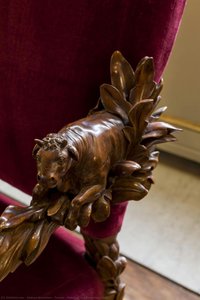
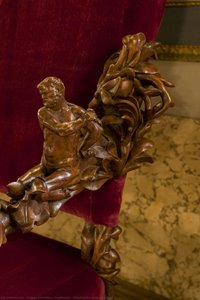
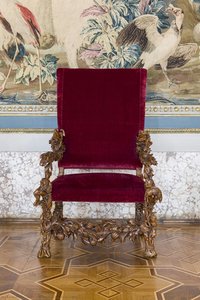
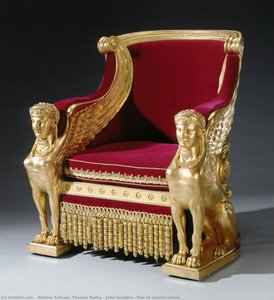
Pair of council chairs
 Wood
Wood- Sculpture
 1812
1812- 19th Century
 8.0 x 96.0 cm
 Королевская коллекция
 Читать далее
Масляная репродукция ручной работы
Картина маслом на холсте в выбранном вами размере и раме, написанная на заказ нашими художниками. ( Перейти к печати Перейти к цифровым изображениям)




































Выберите один из наших стандартных размеров, соответствующих оригинальным пропорциям произведения искусства.

Вы можете указать собственные размеры, чтобы картина идеально вписалась в выбранную раму или пространство. Если выбранный вами размер не соответствует пропорциям оригинала, мы либо обрежем полотно, либо расширим его за счет дополнительных элементов, написанных вручную. Цифровой макет будет отправлен вам на утверждение перед началом производства.
Обратите внимание, что предварительный просмотр на экране не отражает фактическую обрезку или расширение. Только макет точно покажет окончательную композицию.
Хотя доступны индивидуальные размеры, мы рекомендуем выбирать вариант из предопределенного списка, чтобы сохранить исходные пропорции.
После оформления заказа команда ArtsDot.com свяжется с клиентом по электронной почте для уточнения деталей и предоставит предварительный макет
Доставка по всему миру () за 3–4 недели вместо стандартных 5 недель. (12 Сентябрь). Без компромиссов в качестве.

Бесплатная экспресс-доставка по всему миру

Высококачественный льняной холст

Полное страхование доставки

Гарантия возмещения таможенных пошлин

Гарантия точного соответствия цветов

100-дневная политика возврата (только при обнаружении дефектов)

Гарантия возврата 100% средств

Предложение оптовых скидок
 Вариант со стеклом доступен только для размеров менее 110 см

Pair of council chairs
Техника репродукции
Размер репродукции
-


Итоговая стоимость
$ 263
Похожие произведения


Биография художника
The Collaborative Visions of Tatham, Bailey & Sanders: Masters of Regency Portraiture
William Tatham, Thomas Bailey and John Sanders represent a fascinating, often overlooked chapter in the history of British portraiture. While their names rarely achieve the singular recognition afforded to contemporaries like Lawrence or Gainsborough, their collective output – largely executed through a remarkably efficient collaborative practice – defined the aesthetic of Regency society’s middle class. Their story isn't one of individual genius, but rather of shrewd business acumen and an uncanny ability to capture the aspirations and sensibilities of a burgeoning clientele. The three artists operated primarily between 1790 and 1830, a period marked by significant social change and a growing demand for accessible portraiture.A Partnership Forged in Demand
The precise origins of their collaboration remain somewhat shrouded in the mists of time, but it’s believed to have begun with William Tatham as the principal artist. Tatham, born around 1750, established a studio in London and quickly gained a reputation for his skillful likenesses. However, the sheer volume of commissions during this era necessitated assistance. Thomas Bailey, a talented portrait painter in his own right, joined the practice, followed by John Sanders. The division of labor was ingenious: Tatham typically undertook the initial sketching and composition, establishing the overall pose and character of the sitter. Bailey then executed much of the background detail and drapery, while Sanders specialized in faces and hands – arguably the most crucial elements of a successful portrait. This system allowed them to produce portraits at a rate that few other studios could match, and crucially, at a price point affordable to a wider segment of society than the grand commissions favored by the aristocracy.Style and Subject Matter: Reflecting a Changing Society
The style of Tatham, Bailey & Sanders is characterized by its elegant simplicity and restrained formality. Their portraits rarely venture into dramatic psychological depths; instead, they present their sitters as composed, respectable members of society. The backgrounds are typically neutral or feature minimal architectural details, focusing attention squarely on the individual. They were masters of flattery, subtly softening features and enhancing the sitter’s social standing through carefully chosen attire and poses. Their clientele largely consisted of merchants, professionals, and officers in the burgeoning British army – individuals eager to project an image of success and respectability. The portraits often depict sitters in military uniform, signifying their service and status, or dressed in fashionable clothing that reflected their wealth and taste. The emphasis was on outward appearance and social presentation, rather than intimate personality.Technique and Legacy: A Blend of Skill and Efficiency
While the collaborative nature of their work initially led to some dismissive criticism – accusations of lacking individual artistic flair were common – modern scholarship has revealed a remarkable degree of consistency in quality across their output. The artists employed a sophisticated understanding of oil painting techniques, utilizing layered glazes to create luminous skin tones and rich textures. Their ability to seamlessly blend their individual styles is testament to their shared aesthetic vision and meticulous attention to detail.- The studio maintained a large collection of pattern books featuring standardized poses, drapery designs, and background elements.
- They utilized assistants for preliminary work such as stretching canvases and preparing pigments.
- A network of provincial agents facilitated commissions from outside London.
Основные сведения
- Artistic Movement Or Style: Neoclassical painting
- Artists Or Movements Influenced By This Artist:
- British portraiture
- History painting
- Artists Who Influenced This Artist:
- Benjamin West
- Joshua Reynolds
- Date Of Death: Living
- Full Name: William Tatham, Thomas Bailey & John Sanders
- Nationality: British
- Notable Artworks:
- Portrait of Sir William Young
- The Death of General Wolfe
- Self-portrait with a hat
Похожие статьи
Марк Ротко: 25 шедевров абстрактного экспрессионизма для вашего интерьера | ArtsDot
Погрузитесь в мир Марка Ротко! 25 шедевров абстрактного экспрессионизма, полных эмоций и цвета. Узнайте историю создания культовых картин и найдите идеальную репродукцию для вашего интерьера на ArtsDot.com.
Sebastiano del Piombo: Bridging Venetian Colorism & Roman Grand Manner Portraiture
Explore the captivating art of Sebastiano del Piombo, a Renaissance master bridging Venetian colorism & Roman grandeur. Discover his iconic portraits and lasting influence on art history. Learn more at ArtsDot.
Bartolomeo Pinelli: Neoclassical Linearity & Roman Topography of Memory
Explore the captivating world of Bartolomeo Pinelli, a master Italian engraver renowned for his evocative Roman scenes & historical narratives. Discover his art and legacy with ArtsDot.

Crimson Threads of Narrative: Exploring Symbolism & Representation in Artworks Featuring the Red Dress
Explore the rich symbolism of the red dress in art history! From ancient power displays to iconic portraits like Cézanne’s 'Madame Cezanne', discover the cultural and artistic significance behind this captivating color. Expert analysis & insights.
Топ-25 шедевров Анри Матисса: Цвет и форма в интерьере с ArtsDot
Погрузитесь в мир Анри Матисса! 25 шедевров фовизма, ярких красок и новаторских техник. Узнайте историю создания культовых картин художника и вдохновитесь для интерьера с ArtsDot.com – музейное качество репродукций.