

 Поделиться
 Поделиться
 Детали произведения

 Скачать
 Похожие работы
 Слайд-шоу
 Статистика
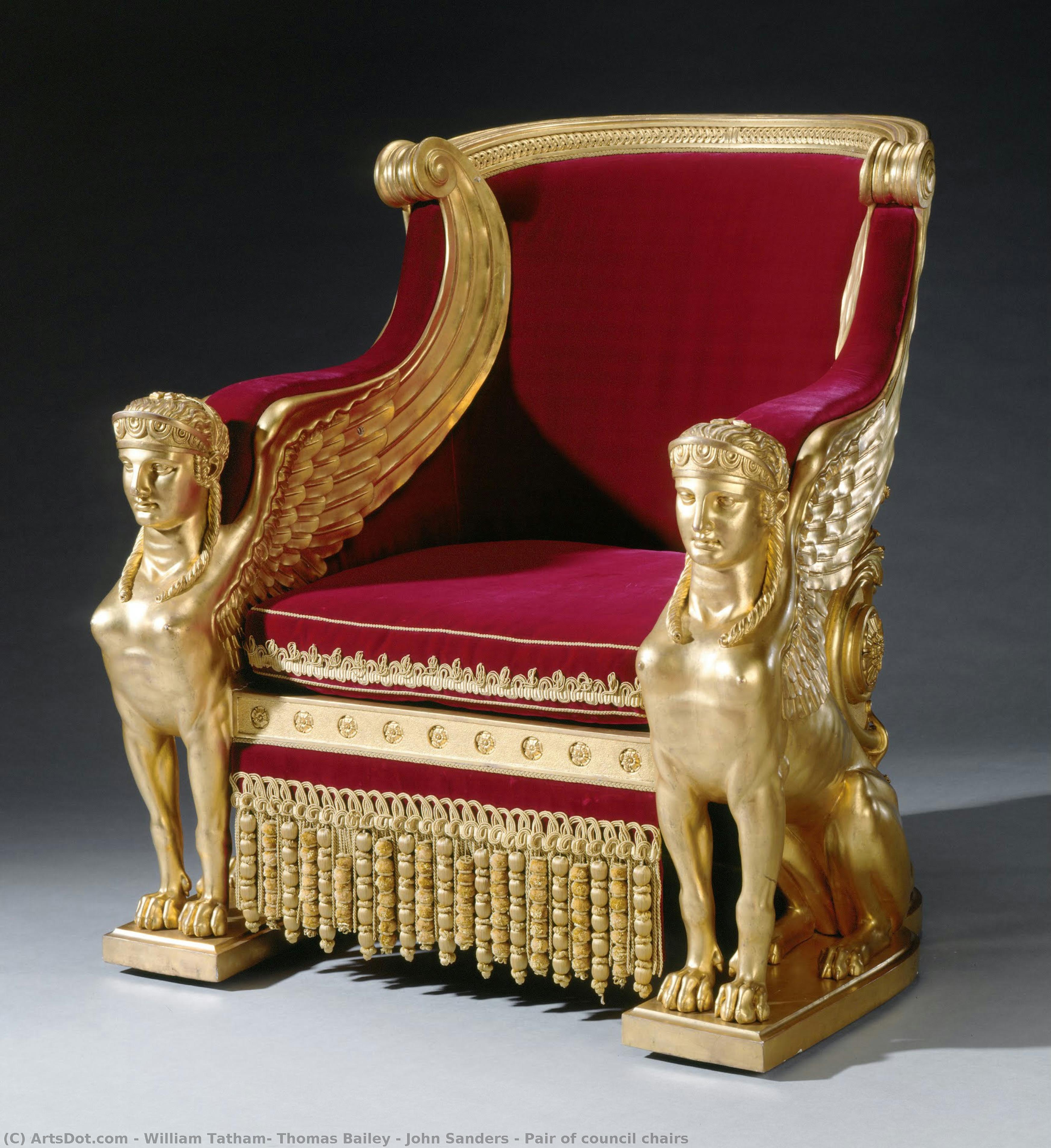
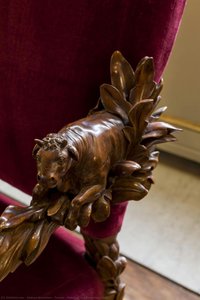
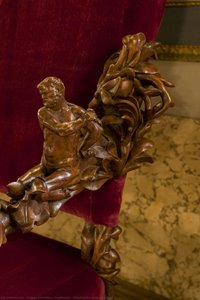
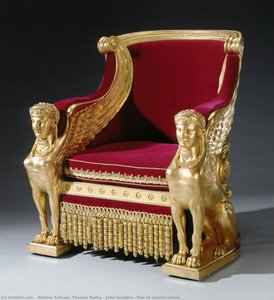
Pair of council chairs
 Wood
Wood- Sculpture
 1812
1812- 19th Century
 8.0 x 96.0 cm
 Королевская коллекция
 Читать далее
Приобретите цифровое изображение высокого разрешения в улучшенном качестве, которое значительно превосходит онлайн-превью.
Каждый файл тщательно подготавливается нашими специалистами с использованием передовых инструментов и экспертной ручной ретуши. Мы гарантируем исключительную четкость, точную цветопередачу и детальную проработку каждого изображения.
Финальный файл доставляется по электронной почте в течение 72 часов и оптимизирован для немедленного использования в профессиональной среде, при верстке и печати. Это тот же уровень качества, которому доверяют ведущие дизайнерские студии, издательства и галереи.
Цифровое изображение
Скачайте файл высокого разрешения для личного использования, печати и творческих проектов. ( Перейти к печати Купить картину ручной работы)
Включено в каждый заказ цифровых изображений
Гарантия экспертной цифровой доставки
Выбирая ArtsDot.com, вы получаете не просто изображение — вы приобретаете профессионально обработанное цифровое произведение искусства, созданное с безупречной точностью и под защитой гарантии качества. Вот всё, что автоматически входит в ваш заказ:

Мгновенная доставка по e-mail
Ваш цифровой файл в высоком разрешении будет отправлен вам по электронной почте в течение 72 часов после оформления заказа — и сразу станет доступен для использования.

Цифровой файл с ИИ-улучшением
Ваше произведение искусства проходит профессиональную оптимизацию с использованием передовых инструментов ИИ и ручной обработки, что гарантирует максимальную детализацию, четкость и точность цветопередачи.

Бессрочная бесплатная повторная доставка
Случайно удалили или потеряли файл? Не беспокойтесь — мы отправим его вам повторно в любое время и совершенно бесплатно.

Без импортных пошлин — навсегда
Наслаждайтесь вашим произведением искусства мгновенно без таможенных пошлин, сборов или затрат на доставку — цифровые загрузки всегда не облагаются налогом.

Гарантия точности цветопередачи
Мы гарантируем, что ваше цифровое изображение максимально точно передает оригинальные цвета благодаря использованию профессиональных инструментов и систем управления цветом.

Гарантия удовлетворенности 100 дней
Если вы не будете удовлетворены своим цифровым изображением, мы внесем правки или вернем 100% стоимости в течение 100 дней — без лишних вопросов.

100% Гарантия возврата средств
Не удовлетворены покупкой? Получите полный возврат средств в течение 100 дней после получения цифрового файла — без лишних вопросов.

Скидки на оптовые заказы
Купите 3 изображения, сэкономьте 10% — Купите 5, сэкономьте 15% — Купите 10+, сэкономьте 20%. Отличное решение для творческих проектов, галерей и агентств.
Похожие произведения


Биография художника
The Collaborative Visions of Tatham, Bailey & Sanders: Masters of Regency Portraiture
William Tatham, Thomas Bailey and John Sanders represent a fascinating, often overlooked chapter in the history of British portraiture. While their names rarely achieve the singular recognition afforded to contemporaries like Lawrence or Gainsborough, their collective output – largely executed through a remarkably efficient collaborative practice – defined the aesthetic of Regency society’s middle class. Their story isn't one of individual genius, but rather of shrewd business acumen and an uncanny ability to capture the aspirations and sensibilities of a burgeoning clientele. The three artists operated primarily between 1790 and 1830, a period marked by significant social change and a growing demand for accessible portraiture.A Partnership Forged in Demand
The precise origins of their collaboration remain somewhat shrouded in the mists of time, but it’s believed to have begun with William Tatham as the principal artist. Tatham, born around 1750, established a studio in London and quickly gained a reputation for his skillful likenesses. However, the sheer volume of commissions during this era necessitated assistance. Thomas Bailey, a talented portrait painter in his own right, joined the practice, followed by John Sanders. The division of labor was ingenious: Tatham typically undertook the initial sketching and composition, establishing the overall pose and character of the sitter. Bailey then executed much of the background detail and drapery, while Sanders specialized in faces and hands – arguably the most crucial elements of a successful portrait. This system allowed them to produce portraits at a rate that few other studios could match, and crucially, at a price point affordable to a wider segment of society than the grand commissions favored by the aristocracy.Style and Subject Matter: Reflecting a Changing Society
The style of Tatham, Bailey & Sanders is characterized by its elegant simplicity and restrained formality. Their portraits rarely venture into dramatic psychological depths; instead, they present their sitters as composed, respectable members of society. The backgrounds are typically neutral or feature minimal architectural details, focusing attention squarely on the individual. They were masters of flattery, subtly softening features and enhancing the sitter’s social standing through carefully chosen attire and poses. Their clientele largely consisted of merchants, professionals, and officers in the burgeoning British army – individuals eager to project an image of success and respectability. The portraits often depict sitters in military uniform, signifying their service and status, or dressed in fashionable clothing that reflected their wealth and taste. The emphasis was on outward appearance and social presentation, rather than intimate personality.Technique and Legacy: A Blend of Skill and Efficiency
While the collaborative nature of their work initially led to some dismissive criticism – accusations of lacking individual artistic flair were common – modern scholarship has revealed a remarkable degree of consistency in quality across their output. The artists employed a sophisticated understanding of oil painting techniques, utilizing layered glazes to create luminous skin tones and rich textures. Their ability to seamlessly blend their individual styles is testament to their shared aesthetic vision and meticulous attention to detail.- The studio maintained a large collection of pattern books featuring standardized poses, drapery designs, and background elements.
- They utilized assistants for preliminary work such as stretching canvases and preparing pigments.
- A network of provincial agents facilitated commissions from outside London.
Основные сведения
- Artistic Movement Or Style: Neoclassical painting
- Artists Or Movements Influenced By This Artist:
- British portraiture
- History painting
- Artists Who Influenced This Artist:
- Benjamin West
- Joshua Reynolds
- Date Of Death: Living
- Full Name: William Tatham, Thomas Bailey & John Sanders
- Nationality: British
- Notable Artworks:
- Portrait of Sir William Young
- The Death of General Wolfe
- Self-portrait with a hat