

 Предпросмотр
 Поделиться
 Поделиться
 Детали произведения

 Скачать
 Похожие работы
 Рентгенография
 Слайд-шоу
 Статистика
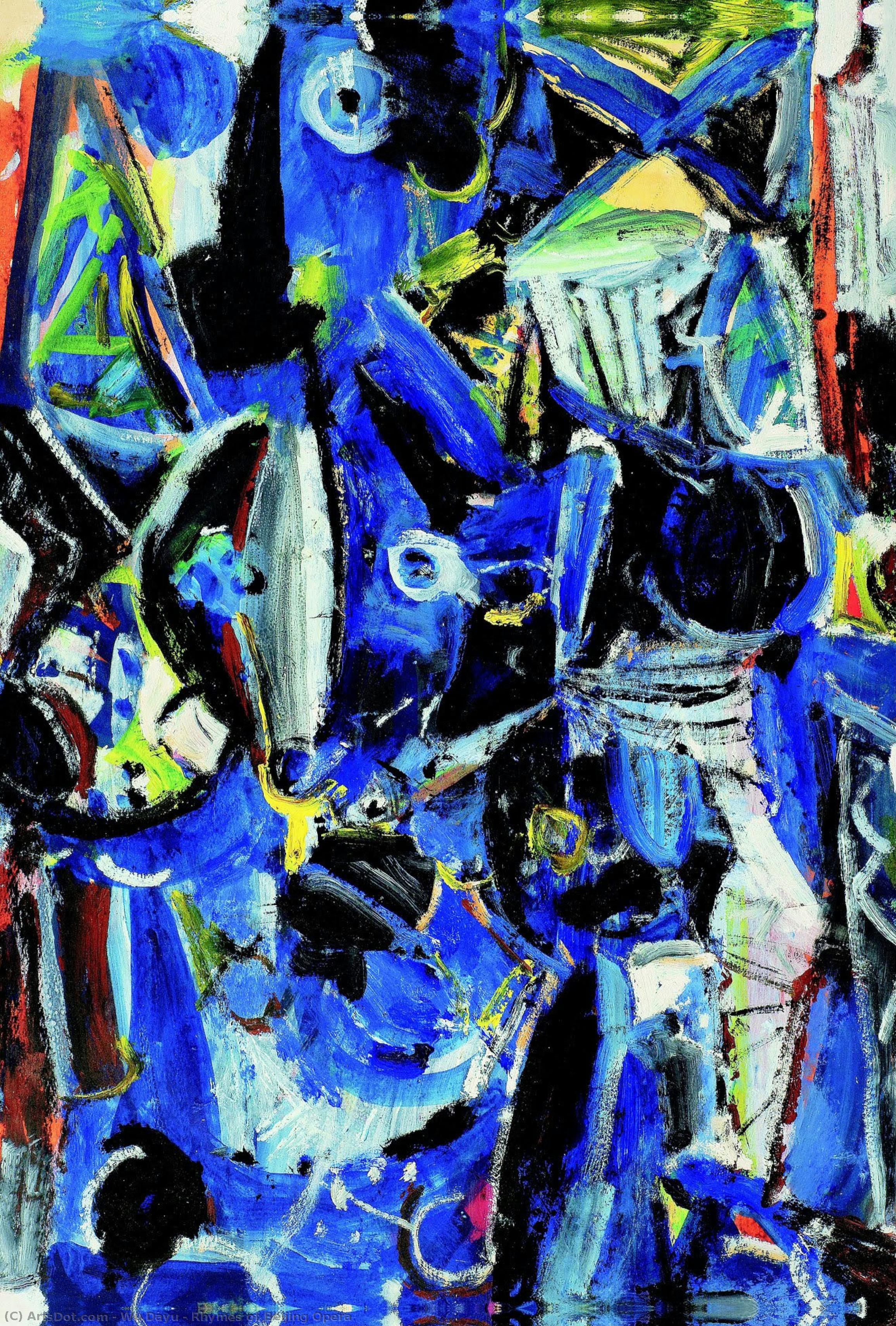
Rhymes of Beijing Opera


 Читать далее
Приобретите цифровое изображение высокого разрешения в улучшенном качестве, которое значительно превосходит онлайн-превью.
Каждый файл тщательно подготавливается нашими специалистами с использованием передовых инструментов и экспертной ручной ретуши. Мы гарантируем исключительную четкость, точную цветопередачу и детальную проработку каждого изображения.
Финальный файл доставляется по электронной почте в течение 72 часов и оптимизирован для немедленного использования в профессиональной среде, при верстке и печати. Это тот же уровень качества, которому доверяют ведущие дизайнерские студии, издательства и галереи.
Цифровое изображение
Скачайте файл высокого разрешения для личного использования, печати и творческих проектов. ( Перейти к печати Купить картину ручной работы)
Включено в каждый заказ цифровых изображений
Гарантия экспертной цифровой доставки
Выбирая ArtsDot.com, вы получаете не просто изображение — вы приобретаете профессионально обработанное цифровое произведение искусства, созданное с безупречной точностью и под защитой гарантии качества. Вот всё, что автоматически входит в ваш заказ:

Мгновенная доставка по e-mail
Ваш цифровой файл в высоком разрешении будет отправлен вам по электронной почте в течение 72 часов после оформления заказа — и сразу станет доступен для использования.

Цифровой файл с ИИ-улучшением
Ваше произведение искусства проходит профессиональную оптимизацию с использованием передовых инструментов ИИ и ручной обработки, что гарантирует максимальную детализацию, четкость и точность цветопередачи.

Бессрочная бесплатная повторная доставка
Случайно удалили или потеряли файл? Не беспокойтесь — мы отправим его вам повторно в любое время и совершенно бесплатно.

Без импортных пошлин — навсегда
Наслаждайтесь вашим произведением искусства мгновенно без таможенных пошлин, сборов или затрат на доставку — цифровые загрузки всегда не облагаются налогом.

Гарантия точности цветопередачи
Мы гарантируем, что ваше цифровое изображение максимально точно передает оригинальные цвета благодаря использованию профессиональных инструментов и систем управления цветом.

Гарантия удовлетворенности 100 дней
Если вы не будете удовлетворены своим цифровым изображением, мы внесем правки или вернем 100% стоимости в течение 100 дней — без лишних вопросов.

100% Гарантия возврата средств
Не удовлетворены покупкой? Получите полный возврат средств в течение 100 дней после получения цифрового файла — без лишних вопросов.

Скидки на оптовые заказы
Купите 3 изображения, сэкономьте 10% — Купите 5, сэкономьте 15% — Купите 10+, сэкономьте 20%. Отличное решение для творческих проектов, галерей и агентств.
Похожие произведения
Биография художника
Paul Gauguin: A Savage Soul and the Birth of Modern Color
Eugène Henri Paul Gauguin (1848-1903) remains one of the most enigmatic and influential figures in modern art. More than just a painter, he was a sculptor, printmaker, and writer—a restless spirit who sought to break free from the constraints of European civilization and forge his own path through radical experimentation with color, form, and subject matter. His journey, marked by financial struggles, personal turmoil, and ultimately, profound artistic breakthroughs, irrevocably altered the course of art history, laying the groundwork for movements like Fauvism and Expressionism. Gauguin’s story is not simply one of an artist; it's a compelling narrative of a man wrestling with identity, searching for meaning in a rapidly changing world, and ultimately, finding his voice through the vibrant language of paint.
Born in Paris amidst the tumultuous year of 1848 – a period of widespread revolutions across Europe – Gauguin’s early life was characterized by constant movement. His family’s financial difficulties led them to Peru when he was just a child, an experience that profoundly shaped his worldview and instilled within him a deep appreciation for exotic cultures. Returning to France, he received a relatively informal education, largely self-taught, yet he quickly developed a keen interest in art, fueled by visits to galleries and exhibitions. Initially pursuing a career as a stockbroker, Gauguin’s artistic ambitions eventually took precedence, leading him to abandon his profession and dedicate himself entirely to painting in the early 1880s.
Initially associated with the Impressionists, Gauguin soon began to diverge from their established techniques. He sought to move beyond mere representation, aiming instead to capture the essence of his subjects—particularly the people and landscapes of Brittany and later, Tahiti – through bold color palettes and simplified forms. His early works in Brittany, such as *The Men of Tignon Jarret*, demonstrate a fascination with rural life and a deliberate rejection of academic conventions. However, it was his time in Tahiti, beginning in 1895, that proved to be the most transformative period of his career. Seeking refuge from the perceived corruption of Western society, Gauguin immersed himself in the culture of the islanders, documenting their customs, beliefs, and daily lives with a raw intensity rarely seen before.
Tahitian Visions: A World Untouched
Gauguin’s Tahitian paintings—including *Vision of Igitanu*, *Nafea fa tatoua* (When Will You Marry?), and *Attea*—are arguably his most celebrated works. He deliberately employed a flattened perspective, simplified forms, and intensely saturated colors to create a dreamlike atmosphere that reflected his own subjective experience of the island. These paintings are not simply depictions of Tahiti; they are explorations of primal emotions, spiritual beliefs, and the fundamental human condition. Gauguin’s use of color—often employing complementary hues to heighten visual impact—became increasingly radical, moving away from naturalistic representation towards a purely expressive language. He famously declared that he was “painting what I feel,” rather than what he saw.
However, his time in Tahiti was not without its challenges. Gauguin’s relationship with the local population was complex and often fraught with misunderstandings. His attempts to integrate into Tahitian society were met with resistance, and he became increasingly isolated and disillusioned. His health deteriorated significantly during this period, exacerbated by alcohol abuse and a growing sense of alienation. In 1897, he abruptly left Tahiti for the Marquesas Islands, embarking on a series of voyages that further fueled his artistic experimentation and deepened his emotional turmoil.
Symbolism and the Savage Within
Gauguin’s art evolved dramatically during his time in the South Pacific. He began to incorporate elements of Symbolism—a movement focused on expressing inner emotions and spiritual ideas through evocative imagery—into his work. His paintings became increasingly stylized, with flattened perspectives, simplified figures, and a deliberate rejection of traditional artistic conventions. He embraced the persona of “the savage,” consciously cultivating an image of himself as a wild man, rejecting bourgeois values and embracing a more primal existence. This carefully constructed identity was not merely performative; it reflected his deep-seated desire to escape the constraints of Western civilization and reconnect with a more authentic way of life.
Despite his relative lack of formal training, Gauguin’s influence on 20th-century art is undeniable. His bold use of color, simplified forms, and expressive subject matter paved the way for movements like Fauvism and Expressionism. Artists such as Henri Matisse and Wassily Kandinsky were profoundly influenced by Gauguin's radical experimentation with color and his willingness to challenge traditional artistic conventions. His legacy extends beyond painting; his exploration of themes such as identity, spirituality, and the relationship between art and life continues to resonate with audiences today.
A Lasting Legacy
Paul Gauguin died in 1903 at the age of 54, leaving behind a body of work that was initially met with mixed reactions. While some critics dismissed his paintings as primitive and chaotic, others recognized their groundbreaking originality and emotional intensity. Today, Gauguin is widely regarded as one of the most important artists of the late 19th century—a visionary who dared to break free from tradition and forge his own unique artistic path. His paintings continue to captivate viewers with their vibrant colors, evocative imagery, and profound exploration of the human condition. Gauguin’s legacy lies not only in his individual works but also in his willingness to challenge established norms and push the boundaries of art, forever changing the way we see the world.
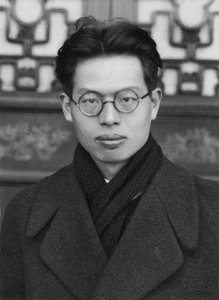
wu dayu
1903 - 1988 , China
Основные сведения
- Artistic Movement Or Style:
- Post-Impressionism
- Symbolism
- Artists Or Movements Influenced By This Artist:
- Paul Cézanne
- Fauvism
- Artists Who Influenced This Artist:
- Camille Pissarro
- Vincent van Gogh
- Date Of Birth: June 7, 1848
- Date Of Death: May 8, 1903
- Full Name: Eugène Henri Paul Gauguin
- Nationality: French
- Notable Artworks:
- Vision of the Sermon
- Iahona and Her Son
- Place Of Birth: Paris, France