

 Предпросмотр
 Поделиться
 Поделиться
 Детали произведения

 Скачать
 Похожие работы
 Рентгенография
 Слайд-шоу
 Статистика
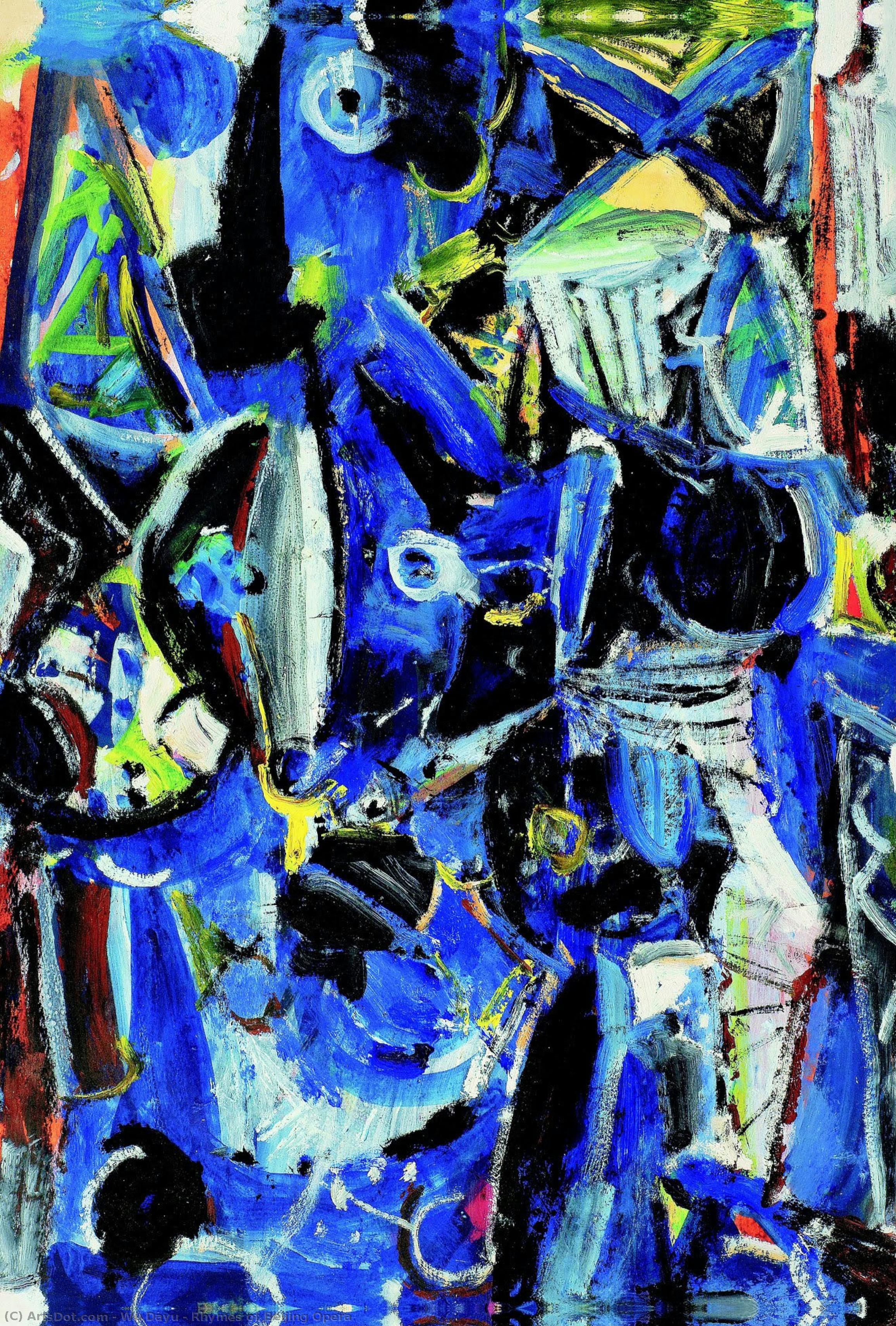
Rhymes of Beijing Opera


 Читать далее
Жикле / Арт-принт
Печать (жикле) или холст музейного качества с быстрыми сроками изготовления и широким выбором вариантов отделки. ( Купить картину ручной работы Перейти к цифровым изображениям)




































Выберите один из наших стандартных размеров, соответствующих оригинальным пропорциям произведения искусства.

Вы можете указать свои собственные размеры, чтобы репродукция идеально подошла под конкретную раму или пространство. Если выбранный вами размер не будет соответствовать пропорциям оригинала, мы либо обрежем произведение, либо дополним изображение зеркальным отражением краев или однотонной заливкой. Перед началом производства вам будет отправлен цифровой макет для утверждения.
Пожалуйста, обратите внимание, что предварительный просмотр на экране не отображает фактическую обрезку или расширение изображения. Только макет точно покажет финальную композицию.
Несмотря на возможность заказа индивидуальных размеров, мы рекомендуем выбирать размер из предопределенного списка, чтобы сохранить оригинальные пропорции.
Доставка по всему миру () за 2 недели вместо стандартных 4/5 недель. (12 Сентябрь)

Бесплатная экспресс-доставка по всему миру

Высококачественный льняной холст

Полное страхование доставки

Гарантия возмещения таможенных пошлин

Гарантия точного соответствия цветов

100-дневная политика возврата (только при обнаружении дефектов)

Гарантия возврата 100% средств

Предложение оптовых скидок
 Вариант со стеклом доступен только для размеров менее 110 см

Rhymes of Beijing Opera
Жикле / Арт-принт
Размер репродукции
-


Итоговая стоимость
$ 62
Похожие произведения
Биография художника
Paul Gauguin: A Savage Soul and the Birth of Modern Color
Eugène Henri Paul Gauguin (1848-1903) remains one of the most enigmatic and influential figures in modern art. More than just a painter, he was a sculptor, printmaker, and writer—a restless spirit who sought to break free from the constraints of European civilization and forge his own path through radical experimentation with color, form, and subject matter. His journey, marked by financial struggles, personal turmoil, and ultimately, profound artistic breakthroughs, irrevocably altered the course of art history, laying the groundwork for movements like Fauvism and Expressionism. Gauguin’s story is not simply one of an artist; it's a compelling narrative of a man wrestling with identity, searching for meaning in a rapidly changing world, and ultimately, finding his voice through the vibrant language of paint.
Born in Paris amidst the tumultuous year of 1848 – a period of widespread revolutions across Europe – Gauguin’s early life was characterized by constant movement. His family’s financial difficulties led them to Peru when he was just a child, an experience that profoundly shaped his worldview and instilled within him a deep appreciation for exotic cultures. Returning to France, he received a relatively informal education, largely self-taught, yet he quickly developed a keen interest in art, fueled by visits to galleries and exhibitions. Initially pursuing a career as a stockbroker, Gauguin’s artistic ambitions eventually took precedence, leading him to abandon his profession and dedicate himself entirely to painting in the early 1880s.
Initially associated with the Impressionists, Gauguin soon began to diverge from their established techniques. He sought to move beyond mere representation, aiming instead to capture the essence of his subjects—particularly the people and landscapes of Brittany and later, Tahiti – through bold color palettes and simplified forms. His early works in Brittany, such as *The Men of Tignon Jarret*, demonstrate a fascination with rural life and a deliberate rejection of academic conventions. However, it was his time in Tahiti, beginning in 1895, that proved to be the most transformative period of his career. Seeking refuge from the perceived corruption of Western society, Gauguin immersed himself in the culture of the islanders, documenting their customs, beliefs, and daily lives with a raw intensity rarely seen before.
Tahitian Visions: A World Untouched
Gauguin’s Tahitian paintings—including *Vision of Igitanu*, *Nafea fa tatoua* (When Will You Marry?), and *Attea*—are arguably his most celebrated works. He deliberately employed a flattened perspective, simplified forms, and intensely saturated colors to create a dreamlike atmosphere that reflected his own subjective experience of the island. These paintings are not simply depictions of Tahiti; they are explorations of primal emotions, spiritual beliefs, and the fundamental human condition. Gauguin’s use of color—often employing complementary hues to heighten visual impact—became increasingly radical, moving away from naturalistic representation towards a purely expressive language. He famously declared that he was “painting what I feel,” rather than what he saw.
However, his time in Tahiti was not without its challenges. Gauguin’s relationship with the local population was complex and often fraught with misunderstandings. His attempts to integrate into Tahitian society were met with resistance, and he became increasingly isolated and disillusioned. His health deteriorated significantly during this period, exacerbated by alcohol abuse and a growing sense of alienation. In 1897, he abruptly left Tahiti for the Marquesas Islands, embarking on a series of voyages that further fueled his artistic experimentation and deepened his emotional turmoil.
Symbolism and the Savage Within
Gauguin’s art evolved dramatically during his time in the South Pacific. He began to incorporate elements of Symbolism—a movement focused on expressing inner emotions and spiritual ideas through evocative imagery—into his work. His paintings became increasingly stylized, with flattened perspectives, simplified figures, and a deliberate rejection of traditional artistic conventions. He embraced the persona of “the savage,” consciously cultivating an image of himself as a wild man, rejecting bourgeois values and embracing a more primal existence. This carefully constructed identity was not merely performative; it reflected his deep-seated desire to escape the constraints of Western civilization and reconnect with a more authentic way of life.
Despite his relative lack of formal training, Gauguin’s influence on 20th-century art is undeniable. His bold use of color, simplified forms, and expressive subject matter paved the way for movements like Fauvism and Expressionism. Artists such as Henri Matisse and Wassily Kandinsky were profoundly influenced by Gauguin's radical experimentation with color and his willingness to challenge traditional artistic conventions. His legacy extends beyond painting; his exploration of themes such as identity, spirituality, and the relationship between art and life continues to resonate with audiences today.
A Lasting Legacy
Paul Gauguin died in 1903 at the age of 54, leaving behind a body of work that was initially met with mixed reactions. While some critics dismissed his paintings as primitive and chaotic, others recognized their groundbreaking originality and emotional intensity. Today, Gauguin is widely regarded as one of the most important artists of the late 19th century—a visionary who dared to break free from tradition and forge his own unique artistic path. His paintings continue to captivate viewers with their vibrant colors, evocative imagery, and profound exploration of the human condition. Gauguin’s legacy lies not only in his individual works but also in his willingness to challenge established norms and push the boundaries of art, forever changing the way we see the world.
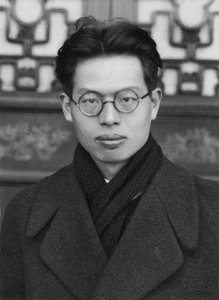
wu dayu
1903 - 1988 , China
Основные сведения
- Artistic Movement Or Style:
- Post-Impressionism
- Symbolism
- Artists Or Movements Influenced By This Artist:
- Paul Cézanne
- Fauvism
- Artists Who Influenced This Artist:
- Camille Pissarro
- Vincent van Gogh
- Date Of Birth: June 7, 1848
- Date Of Death: May 8, 1903
- Full Name: Eugène Henri Paul Gauguin
- Nationality: French
- Notable Artworks:
- Vision of the Sermon
- Iahona and Her Son
- Place Of Birth: Paris, France
Похожие статьи
Геометрическая абстракция: 10 шедевров, изменивших искусство | ArtsDot.com
Погрузитесь в мир геометрической абстракции! От Кандинского до Малевича – 10 шедевров, изменивших искусство. Узнайте историю создания и значение культовых картин. Репродукции музейного качества на ArtsDot.com. Вдохновение для вашего интерьера!
Топ-25 шедевров Василия Кандинского: Абстрактное искусство для вашего интерьера
Погрузитесь в мир абстрактного искусства с Василием Кандинским! 25 шедевров экспрессионизма, баухауса и русского авангарда. Репродукции картин Кандинского для вдохновения и декора вашего интерьера. Откройте всю коллекцию на ArtsDot.com
Топ-10 знаменитых картин в оттенках серо-голубого: искусство и декор от ArtsDot
Погрузитесь в мир серо-голубых оттенков! От Моне до Ренуара – 10 знаменитых картин, вдохновляющих на создание уникального интерьера. Репродукции высокого качества от ArtsDot.com. Explore the full collection online!
Топ-10 шедевров абстрактного экспрессионизма: искусство для вашего интерьера от ArtsDot.com
Погрузитесь в мир абстрактного экспрессионизма! Откройте для себя 10 шедевров Поллока, Ротко и других гениев. История искусства, техники живописи и вдохновение для вашего интерьера от ArtsDot.com. Explore the full collection online!
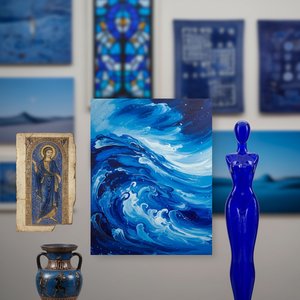
The Allure of Azure: Exploring the Symbolic & Aesthetic Depths of Blue in Art History
Explore the rich history of blue in art! Discover its symbolism, from ancient pigments to modern masterpieces by Kandinsky & Seurat. Uncover the psychological impact and cultural meanings behind this captivating hue.