


 Предпросмотр
 Поделиться
 Поделиться
 Детали произведения

 Скачать
 Похожие работы
 Рентгенография
 Слайд-шоу
 Статистика
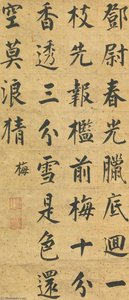
Poems and Essays in Running Script
 1371
1371 30.0 x 77.0 cm
 Читать далее
Приобретите цифровое изображение высокого разрешения в улучшенном качестве, которое значительно превосходит онлайн-превью.
Каждый файл тщательно подготавливается нашими специалистами с использованием передовых инструментов и экспертной ручной ретуши. Мы гарантируем исключительную четкость, точную цветопередачу и детальную проработку каждого изображения.
Финальный файл доставляется по электронной почте в течение 72 часов и оптимизирован для немедленного использования в профессиональной среде, при верстке и печати. Это тот же уровень качества, которому доверяют ведущие дизайнерские студии, издательства и галереи.
Цифровое изображение
Скачайте файл высокого разрешения для личного использования, печати и творческих проектов. ( Перейти к печати Купить картину ручной работы)
Включено в каждый заказ цифровых изображений
Гарантия экспертной цифровой доставки
Выбирая ArtsDot.com, вы получаете не просто изображение — вы приобретаете профессионально обработанное цифровое произведение искусства, созданное с безупречной точностью и под защитой гарантии качества. Вот всё, что автоматически входит в ваш заказ:

Мгновенная доставка по e-mail
Ваш цифровой файл в высоком разрешении будет отправлен вам по электронной почте в течение 72 часов после оформления заказа — и сразу станет доступен для использования.

Цифровой файл с ИИ-улучшением
Ваше произведение искусства проходит профессиональную оптимизацию с использованием передовых инструментов ИИ и ручной обработки, что гарантирует максимальную детализацию, четкость и точность цветопередачи.

Бессрочная бесплатная повторная доставка
Случайно удалили или потеряли файл? Не беспокойтесь — мы отправим его вам повторно в любое время и совершенно бесплатно.

Без импортных пошлин — навсегда
Наслаждайтесь вашим произведением искусства мгновенно без таможенных пошлин, сборов или затрат на доставку — цифровые загрузки всегда не облагаются налогом.

Гарантия точности цветопередачи
Мы гарантируем, что ваше цифровое изображение максимально точно передает оригинальные цвета благодаря использованию профессиональных инструментов и систем управления цветом.

Гарантия удовлетворенности 100 дней
Если вы не будете удовлетворены своим цифровым изображением, мы внесем правки или вернем 100% стоимости в течение 100 дней — без лишних вопросов.

100% Гарантия возврата средств
Не удовлетворены покупкой? Получите полный возврат средств в течение 100 дней после получения цифрового файла — без лишних вопросов.

Скидки на оптовые заказы
Купите 3 изображения, сэкономьте 10% — Купите 5, сэкономьте 15% — Купите 10+, сэкономьте 20%. Отличное решение для творческих проектов, галерей и агентств.
Похожие произведения









Биография художника
Zhang Sengyao (c. 490 – c. 540) - A Master of Liang Dynasty Ink Wash Painting
Zhang Sengyao remains an enigmatic figure in Chinese art history, shrouded in legend and celebrated for a single extraordinary tale that encapsulates the essence of artistic perfection. Despite the scarcity of biographical details—his birth year is unknown, and his death date uncertain—scholars agree on his active period during the Liang Dynasty (502–557 CE), a turbulent era marked by political fragmentation and religious fervor.
Born in Wu Commandery (modern Suzhou), Zhang Sengyao hailed from one of Wu’s four prominent clans, known for their patronage of art and scholarship. His family’s influence undoubtedly fostered his artistic inclinations, though concrete evidence regarding his formal education remains elusive. However, his dedication to Buddhist principles—evident in his lifelong devotion to the Dharma—shaped his worldview and profoundly impacted his artistic vision.
Zhang Sengyao gained renown primarily through his monumental contribution to Buddhist temple decoration, specifically the Anle Temple murals in Jinling (present-day Nanjing). These vibrant depictions of dragons—a symbol of imperial power and auspiciousness—became immortalized by a captivating anecdote that cemented his place in artistic lore.
The Legend of Flying Dragons
According to Xu Hao’s *Health Record*, Zhang Sengyao was commissioned by the Liang Prince to adorn the temple walls with four golden dragons. Driven by meticulous craftsmanship and philosophical contemplation, he painstakingly painted each dragon, striving for unparalleled realism. However, faced with skepticism from onlookers who questioned his assertion that adding eyes would cause the dragons to fly away—a statement deemed absurd by many—Zhang persevered.
With unwavering resolve, Zhang deliberately omitted pupils from two of the dragons’ eyes. He reasoned that the essence of a dragon resided in its spirit, and completing the image with eyes would infuse it with life force, triggering its ascent into the heavens. The onlookers scoffed at his unconventional approach, urging him to finalize the painting by adding pupils.
Undeterred, Zhang finally completed the task on two dragons. Immediately thereafter, a dramatic lightning bolt struck the temple wall where the dragons were situated. To everyone’s astonishment, the two dragons with pupils added to their eyes burst forth from the mural and soared into the sky—disappearing amidst thunder and lightning—leaving the remaining two dragons untouched.
Style and Technique
Zhang Sengyao's artistic style is characterized by a masterful command of ink wash painting (水墨畫), a technique deeply rooted in Daoist philosophy. He employed subtle gradations of tone, meticulous brushwork, and careful compositional arrangements to convey profound spiritual depth and visual splendor. His paintings exemplify the Liang Dynasty’s aesthetic sensibilities—a fusion of Buddhist iconography with refined artistic craftsmanship.
Scholars attribute Zhang Sengyao's distinctive style to influences from earlier masters such as Wang Meng (王夢) and Guo Xi (郭熙), who championed a contemplative approach to art that prioritized conveying inner harmony and capturing the sublime beauty of nature. Zhang’s meticulous attention to detail—particularly in depicting textures and atmospheric effects—reflects this legacy.
Legacy and Significance
Despite the loss of nearly all his extant works, Zhang Sengyao's tale continues to resonate throughout Chinese art history as a symbol of artistic perfection—a testament to the transformative power of intention and unwavering dedication. The legend encapsulates the Daoist belief that “completeness” is achieved not merely through technical skill but also through aligning oneself with cosmic principles.
More broadly, Zhang Sengyao’s contribution to Buddhist temple decoration underscores the importance of art as a vehicle for spiritual expression—a tradition that endured throughout subsequent dynasties and continues to inspire artists today. His legacy serves as an enduring reminder that true artistry transcends mere imitation; it strives to capture the essence of existence itself.
zhang sengyao
China
Основные сведения
- Artistic Movement Or Style: Ink Style
- Full Name: Zhang Sengyao
- Nationality: Chinese
- Notable Artworks:
- Rolling Horses
- Immortal with Deer
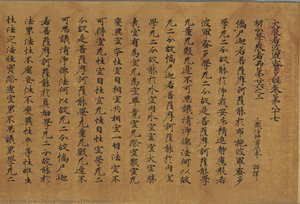
- Title(Japanese): 大般若経(薬師寺経)
- Place Of Birth: Wu Commandery (Suzhou)