


The Gastronomic Stage: Transforming Dining Spaces into Immersive Narratives
 Dining as Theater: How Masterpiece Art Transforms Restaurants into Immersive Stages
The Gastronomic Stage: Defining the Intersection of Fine Dining and Visual Narrative Dining as Theater: How Curated Art Transforms Restaurants into Immersive Stages The Gastronomic Stage: Defining the Intersection of Fine Dining and Visual Narrative ...
In the modern era of hospitality, a restaurant is no longer merely a functional space designed for sustenance; it has evolved into a multi-sensory performance where the meal is but one act in a much larger theatrical production. For the discerning restaurateur, the walls of a dining room serve as the scenery, providing the essential narrative framework that defines a brand's identity before a single plate reaches the table. When we consider the intersection of fine dining and visual storytelling, we see that the most successful international establishments treat their interiors as curated stages. This transition from functional dining to immersive scenography allows a space to communicate heritage, luxury, or avant-garde innovation through a deliberate selection of visual elements. By integrating art into the very architecture of the room, owners can transform a simple meal into a profound cultural event, inviting guests to step out of their daily routines and into a meticulously crafted world.
This evolution requires a shift in perspective—from seeing decor as an afterthought to viewing it as a primary component of the guest experience. The concept of Dining as Theater suggests that every visual cue, from the weight of the cutlery to the texture of the paintings on the wall, contributes to a cohesive atmosphere. When a space is designed with a narrative in mind, it creates a sense of place that is both memorable and repeatable, a crucial factor for hospitality chains looking to establish a consistent yet soulful brand presence across multiple global locations.
Mastering Atmosphere: Using Impressionist Light and Texture to Stimulate the Appetite
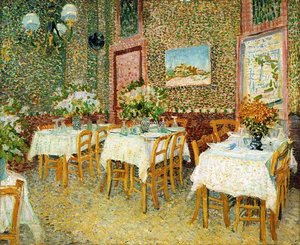 Interior of a Restaurant
Vincent van Gogh’s Intimate Glimpse: Exploring “Interior of a Restaurant” Vincent van Gogh's "Interior of a Restaurant," painted in 1887, isn’t merely a depiction of a dining room; it’s a vibrant snapshot of daily life filtered through the artist’s i...
There is a profound psychological connection between visual stimuli and the human appetite. The masters of Impressionism and Post-Impressionism understood this better than perhaps anyone in art history, utilizing light, color, and texture to capture the fleeting essence of life. For a restaurant owner, looking toward works like those of Vincent van Gogh offers a masterclass in atmospheric creation. His depictions of restaurant interiors, such as his vibrant studies of Parisian eateries, utilize warm, saturated palettes of deep reds and ochre to evoke feelings of conviviality and energy. The thick, tactile application of paint—the impasto technique—adds a physical dimension to the room, creating a sense of movement and life that mirrors the bustling activity of a successful dining room.
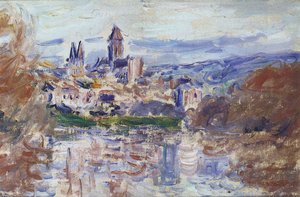
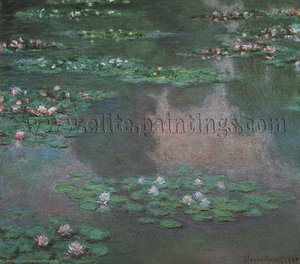
Beyond the bold energy of Van Gogh, the soft, dappled light found in the works of Claude Monet or Pierre-Auguste Renoir can be used to cultivate a more serene, intimate sanctuary. These paintings act as windows into another era, using broken brushstrokes and prismatic colors to simulate the way sunlight dances across a surface. In an intimate dining setting, such art provides a soulful backdrop that nurties the senses, encouraging guests to linger amidst the soft glow of shared moments. By selecting works that emphasize light-drenched compositions, restaurateurs can manipulate the perceived temperature and mood of a room, using the luminous spirit of history to enhance the sensory richness of their culinary offerings.
Curating Cultural Identity: Integrating Historical Masterpieces into International Menus
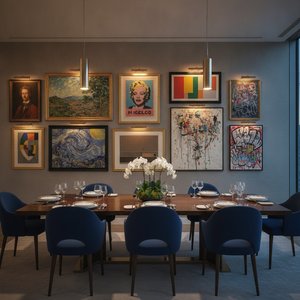 10 Iconic Masterpieces to Elevate Your Dining Room Decor
Introduction The dining room is more than a mere space for sustenance; it is the heart of the home, a sanctuary for conversation, and a stage for the most intimate of human connections. To adorn this setting with fine art is to elevate a simple meal ...
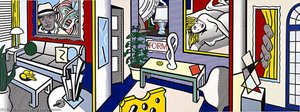
For international restaurant groups, the challenge lies in maintaining a sense of cultural authenticity while appealing to a global clientele. Art serves as a universal language that can anchor a menu within a specific historical or geographical context. A Mediterranean concept might draw strength from the dramatic chiaroscuro of the Baroque era to suggest depth and tradition, while a modern fusion bistro might find its voice in the playful irreverence of Pop Art or the structured innovation of artists like Jim Dine. The integration of these masterpieces allows a restaurant to curate an atmosphere of prestige and timelessness, where the food and the art exist in a symbiotic relationship.
This curation extends beyond mere decoration; it is about building a legacy. When a dining room is adorned with iconic imagery, it carries a weight of heritage that transcends generations. It allows a brand to tell a story of sophistication, connecting the contemporary diner to the grand banquet halls of the past or the refined salons of the 19th century. For the professional procurement manager, this means selecting pieces that do not just fill a space, but actively participate in the restaurant's mission to provide an unforgettable cultural experience.
Architectural Artistry: Large-Format Murals, Multi-Panel Sets, and Spatial Flow
 Restaurant & Bar Design Awards
The Restaurant & Bar Design Awards, is an annual award dedicated to recognising the design and architecture of food and beverage spaces internationally. The Restaurant & Bar Design Awards is an independent award system, set up by Marco Rebora in 2008...
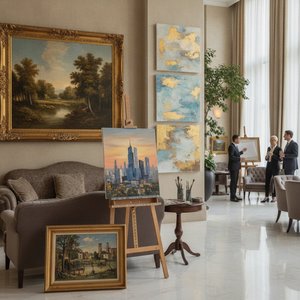
The physical scale of art is a critical consideration in architectural design. A single, small canvas can often feel lost on a grand, high-ceilinged wall, whereas a large-format mural or a multi-panel group set can define the entire spatial flow of a room. The modern trend toward splitting iconic images across three, four, or even five panels offers a sophisticated solution for wide walls or expansive staircases. This technique allows for a cohesive, modern architectural look that maintains the integrity of the original masterpiece while adapting it to the unique dimensions of a contemporary dining space. These engineered canvas wraps ensure that colors and brushstrokes flow seamlessly across every panel, creating a monumental visual impact.
Furthermore, the use of architectural art, such as massive canvas rolls for murals or even ceiling frescoes, allows designers to recreate historical grandeur in any setting. Much like high-end wallpaper, these large-scale installations can transform a standard hotel dining room into a breathtaking hall reminiscent of the Sistine Chapel. For the hospitality professional, this provides an unparalleled tool for creating "Instagrammable" moments—spaces so visually striking that they become destinations in their own right, driving organic marketing through the sheer beauty of the environment.
Operational Excellence: Scaling Art Procurement for Hospitality Chains and Hotels
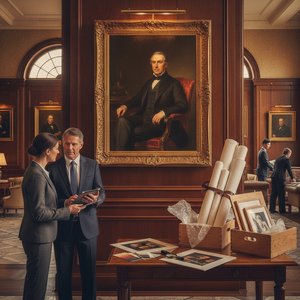
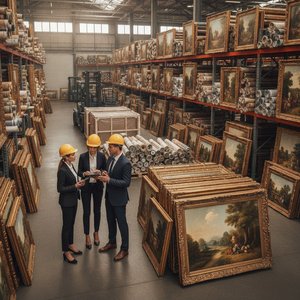
For procurement managers and hotel decorators, the acquisition of art is often a high-pressure task involving tight budgets, strict timelines, and the need for extreme reliability. The complexity of furnishing large-scale corporate spaces requires a supplier that understands the nuances of bulk-order logistics and professional documentation. Success in this arena is not measured by prestige alone, but by operational efficiency: the ability to provide VAT-compliant invoices, rapid shipping via trusted carriers like DHL or FedEx, and the capacity for large-scale re-orders across multiple international sites.
A reliable trade partner must offer more than just a catalog; they must provide a streamlined Order Management System where status updates are transparent and customization is seamless. Whether it is requesting a specific "Period Shift"—transforming a modern image into the style of Rembrandt—or ensuring that all pieces arrive with consistent framing and protective packaging, the focus must remain on functional excellence. For hospitality chains, the ability to scale art procurement without sacrificing quality control is the cornerstone of maintaining brand integrity across a global portfolio.
The Future of Dining Decor: Custom Commissions and AI-Driven Artistic Remastering
 Jim Dine
Early Life and Artistic Foundations Jim Dine, born in Cincinnati, Ohio, in 1935, emerged as a pivotal figure bridging the gap between Abstract Expressionism and the burgeoning Pop Art movement. His formative years were steeped in artistic exploration...
As we look toward the future of interior design, the boundary between historical tradition and technological innovation continues to blur. We are entering an era where "remixing" art history is a tangible reality for restaurateurs. Through AI-driven transformation tools, a brand can take a contemporary photograph—perhaps of their signature ingredient or a local landmark—and reconstruct it into the style of Cubism, Surrealism, or Impressionism. This allows for a level of bespoke branding previously unimaginable, where the art is uniquely tied to the restaurant's specific location and story.
Once an AI design is perfected, the transition to a Handmade Oil Reproduction ensures that the final product retains the "soul" of fine art. The physical texture of hand-painted impasto, the visible brushstrokes on 100% cotton canvas, and the deep tonal range of real oils provide a tactile depth that digital prints simply cannot replicate. This intersection of technology and craftsmanship allows for limitless creativity, enabling restaurant owners to commission works that are both cutting-edge and deeply rooted in the timeless beauty of the Old Masters. In this new landscape, art is no longer just a backdrop; it is a dynamic, customizable element of the culinary narrative.