
The Symbiosis of Form: Aligning Abstract Geometry with Modern Architectural Lines
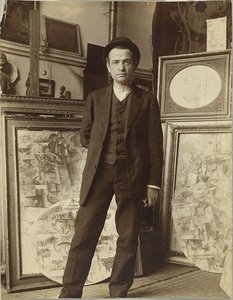 Auguste Herbin
A Pioneer of Geometric Abstraction: The Life and Art of Auguste Herbin Auguste Herbin, born in the quiet northern French town of Quiévy in 1882, emerged as a pivotal figure in the evolution of abstract art. His journey was not one of immediate revela...
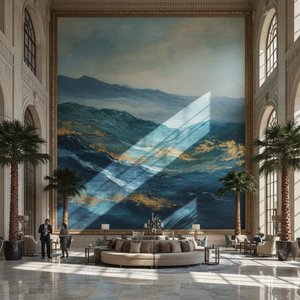
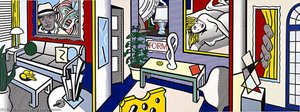
In the realm of contemporary architecture, where clean lines and structural integrity define the landscape, the introduction of art serves as more than mere decoration; it acts as a vital dialogue between the built environment and human emotion. For the discerning hotel designer, the challenge lies in finding a visual language that respects the rigid geometry of modern construction while preventing it from feeling sterile. This is where abstract art finds its most profound resonance. Unlike representational works that demand recognition of a specific subject, geometric abstraction offers a structural harmony that mirrors the very bones of a building. When we look at the legacy of pioneers like Auguste Herbin, we see a deliberate exploration of form and color that echoes the mathematical purity found in modern facades. By integrating works that utilize bold lines and balanced shapes, a designer can reinforce the architectural rhythm of a lobby or corridor, creating a sense of intentionality where the art and the structure appear to have been conceived as a single, unified entity.
The beauty of this alignment lies in its ability to guide the eye through a space without disrupting its flow. In contemporary hospitality design, where movement is often dictated by sweeping curves or stark, rectangular volumes, abstract compositions act as visual anchors. They do not compete with the architecture; rather, they complete it. This synergy transforms a transitionary space—such as an elevator bank or a grand staircase—into a curated experience of form, much like the legendary Guggenheim Museum, where the boundaries between architectural innovation and artistic expression dissolve into a singular, breathtaking journey through light and movement.
Texture and Depth: Using Impasto and Materiality to Soften Minimalist Spaces
 Top 25 Masterpieces by Christian Noiret: A Journey Through Abstract Texture and Light
Introduction To step into the world of Christian Noiret is to abandon the need for recognizable figures and instead surrender to the raw, rhythmic pulse of color and form. His work does not ask you to identify a landscape or a face; rather, it invite...
While the geometry of modernism provides structure, it can occasionally lack the tactile warmth required for true hospitality. A minimalist hotel suite, though impeccably designed, may feel emotionally distant if every surface is smooth, cold, or reflective. To counteract this, the strategic use of texture in abstract art becomes an essential tool for the designer. This is achieved through the mastery of impasto—the thick, sculptural application of oil paint that creates a physical presence on the canvas. When an artist manipulates pigment to create ridges and valleys, they introduce a sensory dimension that invites the viewer to engage with the work on a visceral level.
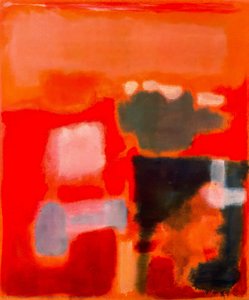
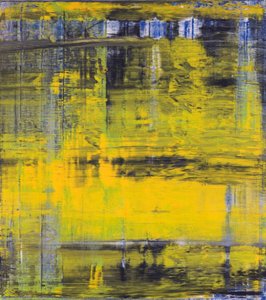
Consider the profound impact of works similar to those of Christian Noiret, where the dialogue between light and matter is central to the experience. In such pieces, the way light catches a raised brushstroke or disappears into a deep, velvety shadow provides a much-needed organic contrast to the flat surfaces of glass, steel, and polished concrete. This interplay of materiality adds a layer of "visual weight" to a room, grounding the airy lightness of modern architecture with something substantial and permanent. By selecting reproductions that emphasize these heavy, rhythmic pulses of color and texture, designers can breathe life into minimalist interiors, replacing clinical perfection with a rich, lived-in sophistication that resonates with the human touch.
Chromatic Strategy: Curating Color Palettes for Large-Scale Hospitality Interiors
 Kandinsky's Masterpieces: 25 Paintings That Define Abstract Art | ArtsDot
Introduction To embark on a journey through the top 25 artworks of Wassily Kandinsky is to enter a realm where color sings, form dances, and spirit takes flight. These paintings are not merely canvases adorned with pigment; they are windows into an i...
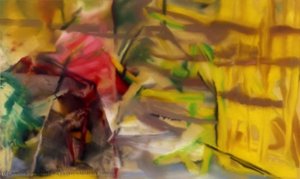
Color is perhaps the most potent psychological tool available to the interior designer. In large-scale hospitality projects, color must perform a dual role: it must define the brand identity while simultaneously influencing the mood of the inhabitant. Abstract art provides an unparalleled palette for this endeavor, offering a spectrum that ranges from the tranquil, monochromatic depths of black and white triptychs to the vibrant, energetic bursts found in the early works of Wassily Kandinsky. A well-curated selection of abstract pieces allows a designer to orchestrate a chromatic narrative that flows seamlessly from the high-energy atmosphere of a restaurant to the serene, restorative quietude of a guest bedroom.
The strategic deployment of color within an abstract composition can also serve to manipulate the perceived dimensions of a space. Cool tones—blues, teals, and soft greys—can expand a small, intimate lounge, while warmer, more intense hues like ochre or deep crimson can provide warmth and intimacy to vast, cavernous atriums. The key is to treat color as a structural element rather than an afterthought. By analyzing the existing architectural palette and using abstract works to introduce subtle shifts in tone, a designer can create a cohesive environment that feels both expansive and intimately connected to its surroundings.
The Multi-Panel Advantage: Utilizing Triptychs and Group Sets for Grand Atriums
![Abstract Composition [triptych]](/media/artworks/images-thumb/08/3c/083c0675045645fd42d4e6c6d63f1ced.jpg) Abstract Composition [triptych]
Abstract Composition [triptych]Abstract Composition [Triptych] by Vaclav Vytlacil (1937). Explore this dynamic black & white triptych featuring bold lines, textures & geometric shapes. A key example of American modernism.
One of the most significant challenges in designing grand architectural spaces is the presence of "dead" wall space—vast, uninterrupted expanses that can overwhelm a viewer if left unaddressed. Traditional single-canvas works often fail to command these monumental scales, appearing lost within the sheer volume of the room. This is where the multi-panel trend, specifically triptychs and larger group sets, offers a sophisticated solution. By splitting a singular abstract composition across three, four, or even five panels, the artwork expands its footprint to match the architectural ambition of the space.
This technique does more than just fill space; it creates a rhythmic progression that mirrors the movement of people through a building. A multi-panel arrangement can follow the curve of a winding staircase or stretch across the width of a grand entrance, guiding the guest's gaze and creating a sense of cinematic unfolding. For the procurement manager, this approach also offers incredible versatility, allowing for the customization of layouts to fit specific wall dimensions while ensuring that colors and brushstrokes flow seamlessly across every panel. This creates a cohesive, modern architectural look that feels bespoke and meticulously planned, turning a large-scale installation into a landmark feature of the property.
Customization and Scale: Tailoring Abstract Works for Bespoke Architectural Projects
 Geometric Abstraction's 10 Defining Masterpieces | Art for Your Home - ArtsDot
Introduction Imagine a world stripped bare to its essential forms – lines, colors, and shapes resonating with an almost mathematical purity. This is the realm of Geometric Abstraction, a movement that dared to abandon representational art in favor of...
In high-end hospitality, no two projects are identical, and the most successful designs are often those that reject "off-the-shelf" solutions in favor of bespoke integration. The ability to tailor abstract art to the specific requirements of a project—adjusting scale, color, and even stylistic era—is what separates standard decoration from true architectural curation. Whether it is requesting a larger format for a monumental lobby or modifying the color palette of a reproduction to match a new seasonal upholstery scheme, customization allows the art to become an integral part of the design DNA.
This level of precision extends to the very technique of the painting itself. A designer might choose to have a contemporary landscape reimagined in the heavy impasto style of a master, or perhaps request a "period shift" that brings a modern photographic element into the aesthetic of 17th-century grandeur. This flexibility ensures that the art is never an imposition on the architecture but rather a bespoke extension of it. When the scale and style of the artwork are engineered to complement the specific structural nuances of a room, the result is an environment that feels profoundly intentional, luxurious, and uniquely tied to its location.
Logistical Excellence: Seamless Art Procurement for Global Hotel Developments
 Interior design
Interior design is the art and science of enhancing the interior of a building to achieve a healthier and more aesthetically pleasing environment for the people using the space. With a keen eye for detail and a creative flair, an interior designer is...
For the professional procurement manager or hotel designer, the aesthetic vision is only as successful as the logistical execution. Managing large-scale art installations across international borders requires a partner who understands that reliability, speed, and documentation are just as critical as artistic quality. In the fast-paced world of hospitality development, where timelines are rigid and budgets must be strictly managed, the ability to rely on a streamlined, transparent order management system is paramount.
True excellence in art procurement involves navigating the complexities of global logistics—from ensuring VAT-compliant documentation for European properties to managing the specific tax identification requirements for shipments to Brazil, Mexico, or Turkey. A professional service must provide more than just beautiful canvases; it must offer a robust infrastructure including digital mockups for pre-approval, detailed tracking via DHL or FedEx, and a transparent workflow that allows project coordinators to manage every detail from initial confirmation to final installation. When the logistics of art acquisition are handled with the same precision as the architecture itself, the designer is free to focus on what truly matters: creating unforgettable spaces that leave a lasting impression on every guest.
For professional inquiries regarding large-scale commissions, volume discounts for hospitality chains, and bespoke architectural art solutions, please visit ArtsDot.com.