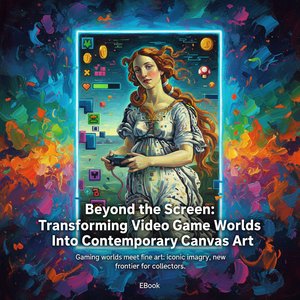
The Digital Renaissance: Why Gaming Aesthetics are the New Fine Art
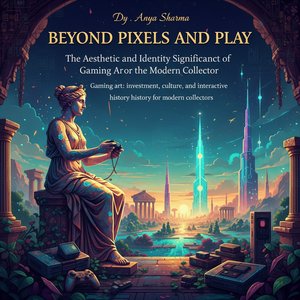 Beyond Pixels and Play: The Aesthetic and Identity Significance of Gaming Art for the Modern Collector
The Rise of Gaming as Fine Art: From Pixels to Prestige From Digital Dreams to Tangible Treasures: The Rise of Modern Fan Art Explore the vibrant world of modern fan art! Discover its evolution, cultural impact, and growing market. From digital creat...
For decades, the vibrant worlds conjured by our favorite consoles existed largely outside the established boundaries of fine art. Critics often dismissed these realms as ephemeral entertainment—a fleeting collection of pixels and disposable code that lacked the gravitas associated with oil on canvas or sculpted bronze. Yet, a quiet revolution is unfolding within the hearts of modern collectors. We are witnessing a profound shift where the digital dream meets the tangible prestige of the gallery. Just as the Impressionists once sought to capture the fleeting essence of light upon water, today’s enthusiasts find a new kind of luminosity in the glow of a screen. This movement represents more than mere nostalgia; it is a recognition of a burgeoning visual language that has evolved from simple 8-bit sprites into complex, breathtaking landscapes. As video games have grown more sophisticated and accessible, they have significantly influenced popular culture, redefining our understanding of what constitutes an aesthetic experience worthy of preservation.
From Pixels to Prestige: Analyzing 10 Iconic Gaming Art Drops
 Limited Edition Alert: 10 Legendary Gaming Masterpieces You’ll Regret Missing!
The Digital Renaissance: When Pixels Meet Fine Art Aesthetics Beyond Pixels and Play: The Aesthetic and Identity Significance of Gaming Art for the Modern Collector The Rise of Gaming as Fine Art: From Pixels to Prestige From Digital Dreams to Tangib...
To understand this transition, one must look closely at the visual tapestries woven by the masters of the medium. The evolution from functional in-game assets to collectible art is marked by moments of pure brilliance that demand attention. Consider the pastoral charm found in the creature-filled landscapes of
Pokémon; there is a certain soft, naturalistic palette that evokes a sense of discovery and adventure. In contrast, the 16-bit era brought an increase in detail and character design that hinted at deeper storytelling possibilities, much like the intricate work seen in classic portraiture. We see this prestige reflected in limited edition releases where digital designs are elevated through curated experiences, often accompanied by certificates of authenticity. From the cinematic tension found in the 3D landscapes of late-90s classics to the modern, high-fidelity worlds that push the boundaries of light and shadow, these drops represent a convergence of technology and artistry. Each release is not merely a reproduction but a deliberate attempt to elevate gaming visuals to the status of fine art, making them essential acquisitions for any serious pop-culture collector.
The Collector's Edge: Scarcity and Value in Limited Edition Releases
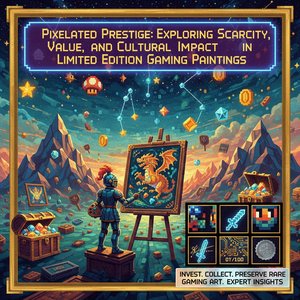 Pixelated Prestige: Exploring Scarcity, Value, and Cultural Impact in Limited Edition Gaming Paintings
The Genesis of Pixels: From In-Game Assets to Collectible Art Video game culture Video game culture or gaming culture a worldwide subculture formed by video game enthusiasts. As video games have grown more sophisticated, accessible, and popular over ...
In the world of high-end collecting, scarcity is the primary driver of value. The transition from digital pixels to tangible treasures is fueled by a deliberate strategy of exclusivity. Early gaming art often began as grassroots movements—fans meticulously documenting concept art or recreating pixelated scenes. However, the emergence of limited edition releases directly from developers has signaled a formal shift in perception. These are not simply prints; they are curated objects of prestige. When an artwork is released in a restricted quantity, it taps into a pre-existing collector mindset that values rarity and provenance. This scarcity creates a secondary market where the cultural impact of a specific title can drive the value of its physical representations. For the modern collector, acquiring these pieces is about capturing a moment in digital history before it becomes part of the permanent canon. The prestige lies in the ownership of something that cannot be infinitely replicated, bridging the gap between the ephemeral nature of software and the enduring quality of a physical masterpiece.
Bridging Realities: How Concept Art Inspires Tangible Masterpieces
Concept artConcept art is a form of visual art used to convey an idea for use in film, video games, animation, comic books, television shows, or other media before it is put into the final product. The term was used by the Walt Disney Animation Studios as early...
The foundation of every great gaming world lies in concept art—the visual art used to convey ideas before a final product is ever rendered. This process, which involves exploring multiple iterations and solutions, is where the true soul of a game is born. Much like the early work of Disney Animation Studios, concept art serves as the blueprint for world-building. It is through this stage that developers draw inspiration from established art movements, subtly weaving elements of
Surrealism, Impressionism, and even Art Nouveau into their digital environments. When these concepts are translated into physical mediums—such as hand-painted oil reproductions on cotton canvas—the boundary between the virtual and the real begins to blur. The texture of an
impasto technique, where paint is laid thickly to create visible brushstrokes, can bring a new dimension of life to a digital character, making them appear to emerge from the canvas itself. This intersection of technology and traditional craftsmanship allows us to experience the depth of concept art in a way that a screen simply cannot provide.
Curating Your Collection: Integrating Gaming Art into Modern Interiors
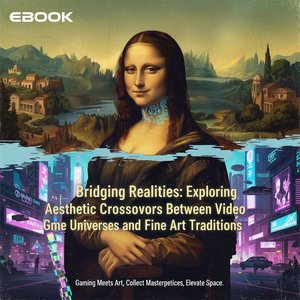 Bridging Realities: Exploring Aesthetic Crossovers Between Video Game Universes and Fine Art Traditions
The Rise of Gaming Aesthetics: From Pixels to Cultural Phenomenon From Pixels to Pavement: How Gaming Aesthetics Are Shaping Pop Culture Explore the exciting convergence of gaming aesthetics and pop culture! Discover how video games are influencing f...
Integrating gaming-inspired art into a modern interior requires a sophisticated approach to curation. The goal is to move beyond mere novelty and toward a cohesive, architectural aesthetic. For professionals designing corporate spaces, hotels, or luxury residences, the challenge lies in balancing pop-culture references with high-end design. One effective method is the use of
multi-panel layouts, where a single iconic image is split across three, four, or five panels to create a dramatic focal point on a wide wall or staircase. This technique ensures that the colors and brushstrokes flow seamlessly, providing a modern, architectural look that complements contemporary furniture. Furthermore, the ability to "remix" art history—such as requesting a personal gaming memory to be painted in the light-drenched style of
Monet—allows for a deeply personalized collection. By treating these pieces with the same respect as classical landscapes or maritime paintings, collectors can create spaces that are both culturally relevant and timelessly elegant, celebrating the profound aesthetic significance of the digital age.
This article was originally published on ArtsDot.com.