
The Sensory Symphony: Integrating Visual Art into the Oenological Experience
 Cultivating Ambiance: A Curatorial Guide to Art Selection for Wine Cellars and Tasting Rooms – Enhancing Oenological Experience Through Landscape, Symbolism, and Interior Harmony
The Sensory Symphony: Art's Role in Elevating the Oenological Experience Wikipedia: Government Wine Cellar The Government Wine Cellar (GWC) is a provider of wine to support the hospitality work of the United Kingdom's government. It was founded in 19...
For the discerning restaurateur, a tasting room is far more than a functional space for consumption; it is a stage where the liquid treasures of the vineyard meet the heightened senses of the guest. To truly appreciate wine is to engage in a multi-sensory dialogue involving sight, smell, taste, and touch. While the olfactory notes of a vintage may dominate the initial encounter, the visual environment provides the essential context that shapes perception. A thoughtfully curated collection of art within a wine cellar or tasting room acts as a silent storyteller, deepening the resonance of every sip by providing a visual anchor for the flavors on the palate.
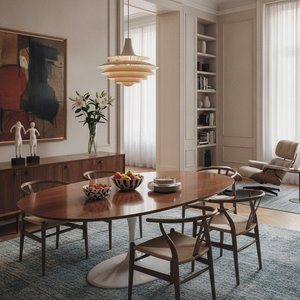
When we integrate fine art into these spaces, we move beyond mere decoration and enter the realm of atmospheric engineering. The presence of a hand-painted oil reproduction, with its palpable texture and deep tonal range, invites a sense of contemplation. This visual depth mirrors the complexity of a well-aged Cabernet or a delicate Riesling. By treating the dining room as an immersive stage, the boundary between the culinary and the visual dissolves, allowing the atmosphere to become as much a part of the menu as the seasonal delicacies served upon the plate. The goal is to create a sanctuary where time slows down, and guests are invited to linger within a carefully curated narrative.
Terroir on Canvas: Using Landscape Paintings to Evoke Origin and Heritage
 The Red Vineyard
The Red Vineyards near Arles is an oil painting by the Dutch painter Vincent van Gogh, executed on a privately primed Toile de 30 piece of burlap in early November 1888. It depicts workers in a vineyard, and it is the only painting known by name that...
Central to the identity of any exceptional wine is the concept of terroir—the unique marriage of soil, climate, and topography that imparts character to the grape. Landscape paintings serve as the most potent symbols for communicating this essence to your guests. When a tasting room features sweeping vistas or intimate depictions of sun-drenched vineyards, it establishes an immediate connection between the glass in hand and the earth from which it sprang. This is not merely aesthetic; it is an act of historical preservation and brand storytelling.
Consider the profound impact of works that depict the pastoral beauty of famous wine regions. A painting reminiscent of Van Gogh’s The Red Vineyard, with its vibrant energy and connection to the labor of the vineyard, can evoke a sense of tradition and dedication. Such imagery connects present indulgence with a rich lineage, reminding the guest of the artistry inherent in the winemaking process. By utilizing landscapes that reflect the heritage of your cellar's collection, you transform a storage space into a breathing gallery that celebrates the very origins of your liquid assets.
Atmospheric Engineering: Selecting Color Palettes and Styles for Tasting Rooms
 Beyond the Plate: How Impressionist Art Defines Restaurant Atmosphere and Storytelling
The Gastronomic Stage: Transforming Dining into an Immersive Experience The Gastronomic Stage: Interior Design as Narrative Framework in the Contemporary Restaurant Experience The Evolving Narrative: From Functional Space to Immersive Experience For ...
The psychological impact of color within a hospitality environment cannot be overstated. For the procurement professional, selecting an art style is a strategic decision in environmental psychology. Impressionist works, characterized by their luminous palettes and soft, dappled light, are particularly effective at stimulating the appetite and creating a sense of warmth. The use of warm, saturated tones—deep reds, ochres, and golds—can foster an atmosphere of conviviality and energy, much like Van Gogh’s depictions of bustling Parisian eateries.
Conversely, if the objective is to create a space for quiet introspection or high-end luxury, cooler blues and greens can establish depth and a sense of calm. The technique of the artist also plays a role; the thick, tactile impasto layers of a handmade oil painting provide a physical presence that flat prints cannot replicate. This texture catches the light in changing ways throughout the day, ensuring the room feels dynamic rather than static. When selecting pieces for large-scale installations, consider how the color theory of the artwork interacts with your interior lighting and furniture to create a cohesive, professional aesthetic.
Beyond the Walls: Curating Transitional Spaces, Cellars, and Stairwells
 Hidden Masterpieces: Transforming Stairwells, Wine Cellars, and Elevators with Impressionist Murals
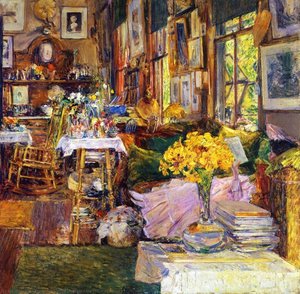
The Art of the Unseen: Redefining Transitional Spaces with Impressionist Light Sunlit Interior: Madame Vuillard's Room at La Closerie des Genêts A Glimpse into Intimate Domesticity: Vuillard’s Sunlit Interior Jean-Édouard Vuillard's *Sunlit Interior:...
In the grand architecture of a luxury estate or a high-end restaurant, there exists a quiet poetry found in the often-overlooked transitional spaces. Corridors, stairwells, and even the entryways to wine cellars are opportunities for profound aesthetic discovery. Rather than treating these as mere functional conduits, they should be viewed as curated journeys. Introducing Impressionist-style elements into these zones breaks the monotony of structural boundaries, turning a simple walk from the foyer to the dining room into an immersive gallery walk.
Transforming these "unseen" spaces with art can redefine the entire flow of your establishment. A staircase adorned with multi-panel sets or a dimly lit cellar hallway featuring luminous, light-drenched landscapes can guide guests through a narrative arc. This approach ensures that the brand experience begins the moment a guest enters the building, maintaining a consistent level of sophistication from the threshold to the table.
Scale and Composition: Implementing Multi-Panel Sets and Large-Format Murals
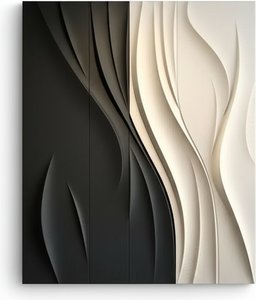 Layered Wood Wave Wall Art Panel
Elevate your space with our handcrafted wood wave panel—black and off‑white mosaic, 3D texture, eco‑friendly finish. Add modern elegance today.
For large-scale commercial spaces, the challenge often lies in filling expansive walls without overwhelming the room. The "multi-panel" trend offers a sophisticated solution for wide walls or long corridors. By splitting a single masterpiece across three, four, or even five panels, you create a modern, architectural look that directs the eye and adds a sense of movement to the space. Our artists ensure that colors and brushstrokes flow seamlessly across every panel, maintaining the integrity of the original composition while providing a contemporary edge.
For even more ambitious projects, such as hotel lobbies or grand tasting halls, large-format murals and frescoes offer unparalleled impact. These works, painted on massive canvas rolls, allow you to recreate historical grandeur—such as a Renaissance ceiling—in any modern setting. This level of customization allows for true "period shifts," where the scale of the art becomes an integral part of the room's structural identity, providing a breathtaking focal point that defines the entire establishment.
The Procurement Professional's Guide: Sourcing, Customization, and Logistics
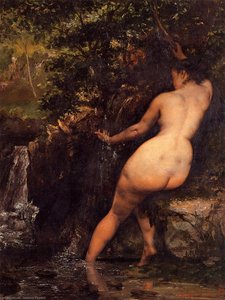 The Source (Bather at the Source)
Gustave Courbet's 'The Source' captures a serene moment by a waterfall, embodying Realism’s focus on nature & everyday life. Explore this iconic painting and Courbet’s revolutionary art.
For the hospitality manager or procurement professional, the acquisition of art must be handled with the same efficiency as any other high-value supply chain. Reliability, scalability, and ease of integration are paramount. When sourcing for large-scale projects, it is essential to work with a partner that understands the demands of volume and the necessity of precise execution. This includes the ability to provide digital mockups to ensure the composition fits your specific wall dimensions before any paint touches the canvas.
The process should be transparent and streamlined: from immediate order confirmation and the provision of professional digital previews to the final delivery via reliable global carriers like DHL or FedEx. For B2B clients, the ability to receive tax-compliant documentation, VAT support for international shipments, and customized sizing is critical for budget management and architectural planning. Whether you are commissioning a bespoke "remix" of a classic—such as transforming a modern photograph into a Van Gogh-style oil painting—or ordering standardized multi-panel sets, the focus must remain on quality, durability, and operational reliability. By treating art procurement as a strategic investment in your brand's physical identity, you ensure that your walls contribute as much to your success as your cellar.