
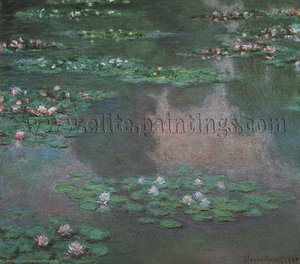

The Digital Genesis: From Ephemeral Code to Visual Language
 Pixelated Prestige: Exploring Scarcity, Value, and Cultural Impact in Limited Edition Gaming Paintings
The Genesis of Pixels: From In-Game Assets to Collectible Art Video game culture Video game culture or gaming culture a worldwide subculture formed by video game enthusiasts. As video games have grown more sophisticated, accessible, and popular over ...
For decades, the vibrant universes contained within video games existed as ephemeral experiences—fleeting moments of light and code rendered on a screen. To the casual observer, these were merely functional components of interactive entertainment, transient bursts of energy that vanished the moment the console was powered down. However, beneath the surface of 8-bit sprites and polygon landscapes lay a burgeoning visual language, one that would eventually capture the collective imagination of a new generation of collectors. The genesis of pixels was not born in the hallowed halls of traditional galleries, but within the passionate communities surrounding these games, where fans began to recognize the inherent artistry in every frame.
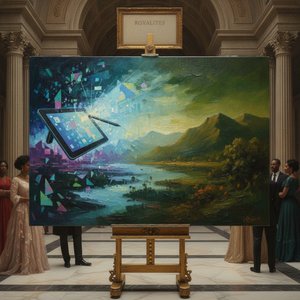
As technology progressed from the rudimentary wireframes of the 1970s to the hyper-realistic textures of the modern era, the distinction between "game graphics" and "art" began to dissolve. What was once considered mere technical achievement evolved into a sophisticated aesthetic movement. This transition represents a profound metamorphosis in human expression, where the artist’s struggle moved from the physical resistance of pigment to the manipulation of mathematical precision and light. We are witnessing a moment where the brush meets the algorithm, allowing for textures that can mimic the heavy impasto of Van Gogh while exploring realms that know no physical limit.
Concept Art and the Architecture of Virtual Worlds
Concept art is a form of visual art used to convey an idea for use in film, video games, animation, comic books, television shows, or other media before it is put into the final product. The term was used by the Walt Disney Animation Studios as early...
Before a single line of playable code is written, there exists a foundational layer of visual storytelling known as concept art. This form of visual art is used to convey ideas for characters, settings, and objects long before they reach their final product. Much like the preparatory sketches of the Renaissance masters, concept art involves multiple iterations, exploring various solutions to world-building until the perfect design is settled upon. It is a discipline rooted in both the skills of a fine artist and the strategic vision of a designer, serving as the blueprint for entire civilizations.
This process of creation begins in the pre-production phase, where artists make rough sketches—sometimes referred to as "programmer art"—to establish the atmosphere of a world. These designs are not merely aesthetic; they are functional tools used to inspire development and communicate progress to directors and investors. When we look at a finished game environment, we are seeing the culmination of this iterative journey. The artistry inherent in these creations is often overlooked, yet it is this very layer of conceptual depth that provides the emotional resonance required to make a virtual world feel lived-in, ancient, and profoundly real.
The Digital Renaissance: Recognizing Gaming Aesthetics as Modern Fine Art
 Pixels to Paint: The Artistic Evolution of Indie Game Universes into Hand-Painted Masterpieces
The Digital Renaissance: Recognizing Indie Game Aesthetics as Modern Fine Art Beyond Pixels and Play: The Aesthetic and Identity Significance of Gaming Art for the Modern Collector The Rise of Gaming as Fine Art: From Pixels to Prestige From Digital ...
A quiet revolution is unfolding within the digital realm, birthing worlds of breathtaking beauty that exist far beyond the traditional boundaries of the gallery. This is the era of the Digital Renaissance, where independent video games have emerged not merely as interactive entertainment, but as meticulously crafted universes brimming with singular artistic vision. Unlike massive "AAA" productions that often chase hyperrealistic perfection, indie titles frequently embrace a democratization of art, utilizing unique aesthetics to convey deep emotional truths.
From the haunting, melancholic landscapes of Hollow Knight to the vibrant, nostalgic pixel art of Stardew Valley, these digital worlds are expressions of profound artistic intent. They challenge our very definition of what constitutes a masterpiece, moving from ephemeral moments of light toward a recognized visual language that captures the collective imagination. As these aesthetics become more culturally pervasive, they are beginning to occupy a space in the modern collector's consciousness, bridging the gap between the digital dream and the tangible treasure.
Translating Pixels to Canvas: The Alchemy of Oil and Impasto
 Impasto
Impasto is a technique used in painting where paint is laid on an area of the surface thickly, usually thick enough that the brush or painting-knife strokes are visible. Paint can also be mixed right on the canvas. When dry, impasto provides texture;...
The true magic occurs when we bridge the gap between the silicon age and the classical tradition. To translate a digital image onto canvas is to engage in a form of artistic alchemy, transforming light and mathematics into texture and weight. While digital painting allows for infinite precision, it lacks the tactile soul found in physical media. By bringing these iconic worlds into the realm of oil painting, we introduce the element of impasto—a technique where paint is laid thickly upon the surface, making the brushstrokes visible and allowing the artwork to emerge from the canvas in a three-dimensional rendering.
At ArtsDot.com, our artists utilize this classical approach to breathe life into digital memories. Using 100% cotton canvas and professional-grade oils, we recreate the play of light and shadow that defines these legendary scenes. The physical resistance of the pigment and the drying time of the oils add a depth of tonal range that no computer print can replicate. We even offer the ability to "remix" history; one might request a scene from a modern game to be painted in the light-drenched, impressionistic style of Monet, or perhaps with the heavy, expressive textures characteristic of Van Gogh, forever altering the viewer's perception of the subject.
Preserving Play: The Rise of Video Game Art in Contemporary Collecting
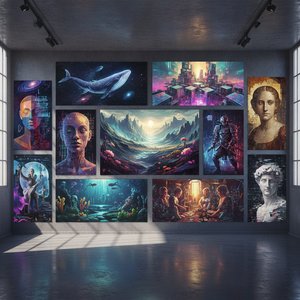 10 Legendary Digital Paintings That Revolutionized Modern Art
Introduction Step into a gallery where the boundaries of reality dissolve into pixels and light. To contemplate the Top 10 Legendary 'Digital Painting' Masterpieces That Changed Art Forever is to witness a profound metamorphosis in the history of hum...
As video game culture has grown into a worldwide subculture, the demand for permanent, physical manifestations of these digital experiences has surged. We are seeing a shift from ephemeral play to "pixelated prestige," where limited edition gaming paintings are treated with the same reverence as established historical movements. This movement is driven by a desire to preserve the cultural impact of our era—to take the fleeting moments of light and code and turn them into objects worthy of preservation and aesthetic contemplation.
For the modern collector, owning a hand-painted reproduction is about more than mere decoration; it is about capturing a piece of cultural history. These works serve as milestones in an evolving landscape of human expression. Whether through custom commissions that transform personal gaming milestones into museum-grade portraits or through large-scale murals that recreate legendary landscapes on a grand architectural scale, the goal remains the same: to ensure that the artistry inherent in our digital age is given its rightful place in the canon of fine art.
Beyond the Screen: Commissioning Your Own Digital Masterpiece
The journey from pixel to paint is a collaborative one, an invitation to participate in the creation of your own legacy. At ArtsDot.com, we specialize in making this transformation seamless and extraordinary. Our process is designed to remove all uncertainty, beginning with a Professional Digital Mockup Service that allows you to see the composition and color matching before a single drop of oil touches the canvas. This is particularly essential for complex commissions, such as "period shifts," where we might transform a modern digital image into a 17' century masterpiece in the style of Rembrandt.
Every commission is assigned a dedicated Project Coordinator to ensure that your vision is executed with academic excellence. From the initial confirmation to the final delivery via DHL or FedEx, our six-step process guarantees a result that meets museum-grade standards. Whether you are looking to celebrate a personal milestone through a custom portrait or wish to split a wide, epic landscape across a multi-panel set for a modern architectural look, we provide the tools to turn your digital dreams into tangible treasures. We invite you to explore our collection and discover how the boundaries of reality can dissolve into the timeless beauty of oil and canvas.