
The Psychology of Aesthetic Reciprocity: Beyond the Transactional Gift
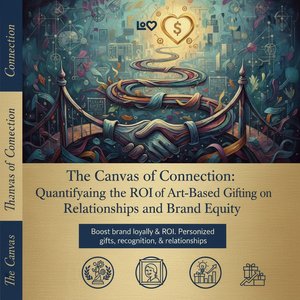 The Canvas of Connection: Quantifying the ROI of Art-Based Gifting on Corporate Relationships and Brand Equity
The Psychology of Gifting: Building Rapport & Reciprocity Psychology of art The psychology of art is the scientific study of cognitive and emotional processes precipitated by the sensory perception of aesthetic artefacts, such as viewing a painting o...
In the hyper-accelerated rhythm of modern commerce, where professional connections are often reduced to digital echoes and fleeting emails, there exists a profound human longing for something that lingers. To give a gift is to engage in an ancient, silent dialogue; it is a way of saying, "I see you, and I value our journey together." While the standard corporate ritual has frequently devolved into the exchange of utilitarian tokens—the ubiquitous pen or the generic branded mug—these items often communicate a sense of indifference rather than appreciation. They are symbols of a transaction completed, not a relationship nurtured.
True connection, however, is found in the realm of aesthetic reciprocity. The psychology of art teaches us that the sensory perception of an aesthetic artifact triggers deep cognitive and emotional processes. When a client receives a piece of fine art, the neurological response is far more complex than the simple gratitude felt for a gourmet basket. A masterpiece initiates a delicate dance of dopamine release and trust-building, fostering a sense of belonging and recognition. By moving beyond the predictable and entering the world of fine art, we move from exchanging commodities to sharing legacies. We offer something that possesses a soul, a texture, and an eloquence that speaks of prestige and enduring respect.
A Legacy of Prestige: Art as a Silent Ambassador of Brand Stability
 10 Meaningful Art Gifts to Impress Your Top Corporate Clients
Introduction In the fast-paced world of modern commerce, where transactions are often reduced to digital exchanges and fleeting emails, the act of giving a gift carries a profound weight. A truly exceptional corporate gift does more than mark an anni...
A truly exceptional gift serves as a silent ambassador of a brand’s stability and long-term vision. In the high-stakes world of luxury business, where reputation is the most valuable currency, the choice of a gift reflects the very principles upon which a company is built: patience, meticulous craftsmanship, and an appreciation for lasting value. To present a hand-painted oil reproduction is to signal that your relationship with a partner is built on the same foundations as a fine painting—it is not subject to the whims of trends or the volatility of the moment.
Consider the weight of history held within a canvas. When a boardroom or an executive suite is graced by the presence of a masterwork, it commands attention and invites contemplation. Such works are not merely decorations; they are vessels of human achievement. Whether it is the vibrant energy of a modern abstract piece that inspires innovation or the serene landscape that provides a sanctuary of calm, art transforms a physical space into an emotional experience. This permanence provides a sense of continuity in an era defined by rapid change, suggesting to your most valued clients that your partnership is as enduring as the masters themselves.
From Renaissance Diplomacy to Modern Boardrooms: The Evolution of Strategic Gifting
 Juno Showering Gifts on Venetia
A Cascade of Generosity: Unveiling Veronese’s “Juno Showering Gifts on Venetia” Paolo Veronese's "Juno Showering Gifts on Venetia," painted in 1554-56, isn’t merely a depiction of a mythological scene; it’s an opulent explosion of color and symbolism...
The history of art is inextricably linked to the history of diplomacy and high-level partnership. During the Italian Renaissance, the exchange of art was the ultimate language of alliance. Princes and monarchs did not merely commission portraits for vanity; they used them as strategic tools to solidify political bonds and demonstrate cultural literacy. The careful selection of an artist, the deliberate posing of a subject, and the lavishness of the frame were all calculated moves in a grander game of social and political maneuvering.
We see this same spirit reflected in the works of masters like Paolo Veronese. His monumental fresco, "Juno Showering Gifts on Venetia," serves as a breathtaking testament to how art can celebrate prosperity and power. In this work, the goddess Juno bestows a cascade of gold coins and jewels upon Venice, symbolizing divine favor and civic pride. This tradition of using art to communicate wealth, virtue, and stability has evolved but remains fundamentally unchanged. Today, while our methods of communication have shifted from courtly letters to digital platforms, the impulse to use art as a medium for high-level partnership remains a potent force in cultivating goodwill and fostering deep-seated brand loyalty.
Quantifying the Intangible: Measuring Brand Equity through Cultural Literacy
 Customer retention
Customer retention refers to the ability of a company or product to retain its customers over some specified period. High customer retention means customers of the product or business tend to return to, continue to buy or in some other way not defect...
While it is difficult to capture the exact value of an emotional connection on a spreadsheet, the return on investment (ROI) of art-based gifting can be observed in the strengthening of brand equity. Art functions as a marker of cultural literacy, signaling that a brand possesses a sophisticated understanding of the world and its values. This goes beyond mere ostentation; modern luxury clients seek gestures that demonstrate genuine consideration and an understanding of their individual tastes.
< Responding to this need requires moving away from mass-produced items toward personalized experiences. When a gift is curated to reflect the unique preferences of a recipient—perhaps a bespoke portrait or a reproduction of a period piece that resonates with their personal history—it creates a narrative of intentionality. This level of insight builds a profound sense of recognition. The "ROI" here is found in the reduction of client defection and the increase in long-term retention, as the brand becomes woven into the very fabric of the client's personal and professional identity.Curating Connection: Tailoring Masterpiece Reproductions for High-Net-Worth Clients
 Beyond Corporate Gifts: Scaling Personalized Art Experiences for Enhanced Client Engagement and Brand Loyalty
The Evolving Landscape of Corporate Gifting: From Swag to Strategic Relationship Building For generations, the corporate gift has been a curious ritual—a token exchanged, often with little thought beyond fulfilling an obligation. The ubiquitous pen, ...
The art of gifting at the highest level requires a curator’s eye. To impress a top-tier client, one must move beyond the realm of stationery or gourmet hampers and into the realm of the extraordinary. This is where the ability to "remix" art history becomes a powerful tool for relationship building. At ArtsDot.com, we believe that every gift should be as unique as the recipient. We offer the rare opportunity to customize historical masterpieces, allowing for a level of personalization that transcends the standard.
Imagine the impact of a "Period Shift"—transforming a modern photograph into a 17th-century masterpiece in the style of Rembrandt, or requesting a contemporary scene to be painted with the light-drenched, impressionistic touch of Monet. Our artists, who hold degrees from prestigious Fine Arts academies, work on 100% cotton canvas, utilizing traditional techniques like impasto to ensure visible brushstrokes and a deep tonal range that no digital print can replicate. From bespoke portrait commissions to multi-panel landscapes designed for grand architectural spaces, the goal is to provide a gift that is not just seen, but felt.
The Architecture of Impression: Integrating Fine Art into Corporate Environments
 10 Meaningful Art Gifts to Elevate Your Corporate Gifting Strategy
Introduction In the fast-paced rhythm of the modern business world, where digital exchanges and fleeting emails often define our professional connections, there exists a profound desire to offer something that truly lingers. To give a gift is to say,...
Finally, we must consider the physical environment where these relationships are nurtured. The integration of fine art into corporate architecture—from luxury hotel lobbies to private executive suites—serves to elevate the aesthetic standard of the entire organization. For those looking to make a monumental statement, we offer large-format murals and frescoes, painted on massive canvas rolls that can recreate the grandeur of historical ceilings like the Sistine Chapel.
Whether it is through the use of multi-panel group sets that flow seamlessly across wide walls or custom-framed pieces designed to complement a specific interior palette, art shapes the atmosphere of professionalism and prestige. By investing in high-quality, hand-painted reproductions, businesses can transform their physical presence into an immersive experience of excellence. As you navigate the complexities of modern commerce, let your choice of art be the silent, powerful testament to the enduring value of your brand.
For those seeking to explore the history behind these masterpieces or to begin a custom commission that will leave an indelible mark on your professional network, visit ArtsDot.com.