
The Psychology of Place: Art as an Emotional Anchor for the Modern Traveler
 Elevating Hospitality: How Curated Art Drives Luxury Value and Guest Loyalty
The Psychology of Place: Art as an Emotional Anchor for the Modern Traveler Elevating Hospitality: How Curated Art Transforms Guest Experience & Brand Loyalty The Psychology of Place: Art as an Emotional Anchor for the Modern Traveler The Aesthetic R...
In the rarefied atmosphere of luxury hospitality, the definition of excellence has undergone a profound metamorphosis. For generations, the hallmark of a premier establishment was found in the predictable perfection of service and the opulent weight of fine linens. Yet, as we navigate an era of unprecedented accessibility to high-end amenities, the discerning traveler no longer seeks merely a sanctuary for rest; they seek a sanctuary for the soul. This shift has elevated the role of art from a secondary decorative element to a primary psychological anchor. When a guest enters a beautifully curated space, they are not simply entering a room, but an emotional ecosystem.
The science behind this connection lies in the psychology of place—the study of how sensory perceptions of aesthetic artifacts trigger complex cognitive and emotional processes. A masterfully executed oil painting or a thought-imposing sculpture can transform a transient hotel corridor into a meaningful destination, imbuing the space with a sense of permanence and profound connection. By engaging the neurological pathways associated with pleasure and memory, art acts as an anchor, grounding the traveler in a specific moment and location. It provides a sense of stability amidst the frenetic pace of modern existence, turning a temporary stay into a lasting emotional imprint that lingers long after the guest has checked out.
Beyond Decoration: Establishing Brand Narrative Through Impressionist Masterpieces
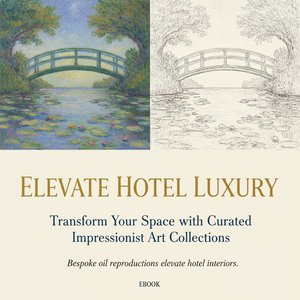 Elevate Hotel Luxury: Transform Your Space with Curated Impressionist Art Collections
The Soul of Hospitality: Art as a Narrative Tool for Luxury Hotels Elevating Hospitality Aesthetics: A Bespoke Art Curation Service for Luxury Hotels The Evolving Role of Art in Luxury Hospitality Pharmacy of Hôtel-Dieu Hospital The Pharmacy of Hôtel...
True distinction in luxury hospitality is rarely found in the mere accumulation of expensive amenities. The discerning traveler looks for an atmosphere that whispers of story, culture, and soul. For the visionary hotel designer, the challenge lies in transcending the functional to create a realm where guests do not simply reside, but truly experience. This is where art ceases to be a decorative afterthought and becomes the very heartbeat of the establishment. A thoughtfully curated collection acts as an unspoken dialogue between the host and the guest, weaving a narrative that transforms a transient lobby into a sanctuary of meaning.
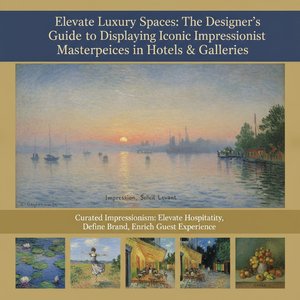
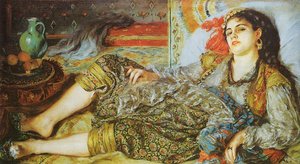
Historically, grand hotels were conceived as extensions of private collections, showcasing the refined taste and heritage of their owners. Today, this tradition has evolved into a strategic tool for brand identity. By integrating fine art, designers can establish an emotional resonance that reflects the hotel's unique ethos. The art becomes the silent narrator, guiding the guest through a journey of discovery, turning every corridor into a gallery and every suite into a personalized retreat. When a space is imbued with the works of masters like Monet or Renoir, it gains a sense of depth and historical weight that no amount of modern furniture can replicate.
Luminous Legacies: Utilizing Light and Color to Define Luxury Ambience
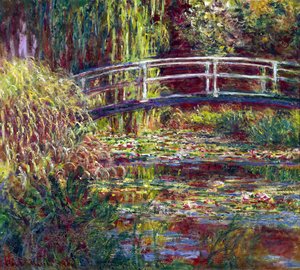 The Water Lily Pond, Pink Harmony
Captivating Subject and Enchanting Atmosphere This exquisite impressionist masterpiece transports viewers to a tranquil water lily pond, where nature’s delicate beauty is captured in a harmonious balance of light and color. The scene centers around a...
The deliberate use of visual language within a hotel interior is not merely a matter of aesthetic preference but a strategic deployment of emotion. Consider the subtle yet commanding influence of color psychology within a lobby or suite. The introduction of cool cerulean tones can promote a state of meditative tranquility, while warm ochre or deep terracotta can evoke an immediate sense of intimacy and groundedness. Impressionism, with its obsession with the transient effects of light, offers a masterclass in this atmospheric manipulation.
The works of Claude Monet, particularly his explorations of water lilies, demonstrate how a harmonious balance of light and color can evoke serenity. The soft pinks, lush greens, and shimmering whites of an Impressionist palette breathe life into a space, creating a luminous quality that feels both alive and immediate. Similarly, the warm hues of sunset captured in the style of Renoir—blending pink, orange, and gold—can infuse a lounge with an incomparable emotional warmth. By curating pieces that emphasize light and temporality, designers can control the energetic tenor of an environment, guiding guests from the vibrant energy of a breakfast room to the quiet, contemplative mood of a twilight library.
Strategic Curation: From Bespoke Murals to Multi-Panel Architectural Installations
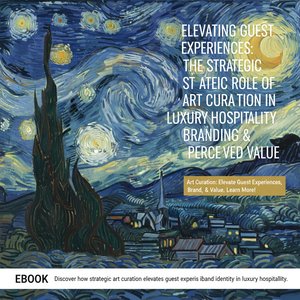 Elevating Guest Experiences: The Strategic Role of Art Curation in Luxury Hospitality Branding & Perceived Value
The Evolving Landscape of Luxury Hospitality: Beyond Comfort & Service Paintings in Hospitals Paintings in Hospitals is a UK charity using art to enhance wellbeing in health & community care settings since 1959. Explore our national collection featur...
For the modern hotel designer, art curation must be as much about architectural integration as it is about aesthetic selection. The contemporary landscape demands more than just hanging frames; it requires a bespoke approach to scale and composition. Large-format murals and ceiling frescoes offer an unparalleled opportunity to recreate historical grandeur within a modern context. These works, painted on massive canvas rolls, allow a designer to transform a standard ceiling into a breathtaking sky of Impressionist light, much like the storied ceilings of European palaces.
Furthermore, the rise of the "multi-panel" trend allows for a sophisticated engagement with contemporary architecture. Splitting a singular, breathtaking landscape across three, four, or five panels is an ideal solution for wide walls or grand staircases. This technique ensures that the colors and expressive brushstrokes flow seamlessly across the architectural planes, creating a cohesive, modern look that feels integrated into the very bones of the building. Whether it is a custom-sized reproduction designed to fit a specific alcove or a large-scale installation that defines a grand atrium, strategic curation turns the architecture itself into a canvas for storytelling.
The Sensory Journey: Creating Lasting Guest Memories through Tactile Artistry
 Elevating Hospitality: How Curated Art Transforms Guest Experience & Brand Loyalty
The Psychology of Place: Art as an Emotional Anchor for the Modern Traveler The Aesthetic Resonance of Hospitality: Curating Art for Emotional Continuity and Long-Term Guest Memory Formation The Psychology of Place: How Art Shapes Guest Perception & ...
In an era of digital saturation, the tactile reality of art provides a much-needed sense of authenticity. The difference between a flat, computer-printed poster and a 100% hand-painted oil reproduction lies in the "soul" of the piece. A true Impressionist reproduction features visible, expressive brushstrokes and a deeper tonal range that invites the eye to wander across the texture of the canvas. This physical depth—the impasto technique where paint is layered to create dimension—creates a sensory experience that resonates with the guest on a subconscious level.
When guests encounter art that possesses weight, texture, and the unmistakable mark of human craftsmanship, it reinforces the hotel's commitment to excellence. The use of high-quality materials, such as fine cotton canvas and protective Damar varnish, ensures that these pieces remain vibrant for generations, mirroring the longevity and reliability of a luxury brand. By choosing art that celebrates the ephemeral beauty of a moment through tangible, masterful technique, designers create an environment where every corner offers a new discovery, ensuring that the guest's journey is not just seen, but felt.
For professionals seeking to elevate their hospitality projects with museum-quality Impressionist reproductions and bespoke art solutions, explore the curated collections at ArtsDot.com.