
Introduction
Step into the quiet warmth of a sun-drenched studio, where the air feels heavy with the scent of linseed oil and the soft, amber glow of late afternoon. There is a profound, grounding intimacy found in the earthier corners of the art world—a palette that speaks not of fleeting bright lights, but of the enduring soul. When we speak of paintings dominated by brown tones, we are not merely discussing a color; we are exploring the very essence of the earth, the richness of shadows, and the nostalgic embrace of sepia-toned memories.
Throughout history, these umbers, siennas, and ochres have served as the heartbeat of many masterpieces. From the deep, dramatic chiaroscuro that defined the emotional weight of earlier eras to the textured, soulful impasto of the Post-Impressionists, brown tones provide a sense of permanence and depth. These hues allow artists to capture the tactile reality of wood, the weathered skin of a portrait subject, or the quiet stillness of a forest floor at dusk. They offer a sanctuary for the eyes, inviting us to slow down and find beauty in the subtle transitions between light and dark.
In our modern, often hyper-saturated world, these works remain deeply meaningful because they offer a sense of repose. They remind us of the organic, the ancestral, and the timeless. To gaze upon a canvas rich with these tones is to feel a connection to the physical world and the quiet histories held within it. As we wander through this curated selection, prepare to encounter ten extraordinary works that prove there is an incomparable, luminous magic found within the shadows of the earth.
Harmony in Red - Henri Matisse
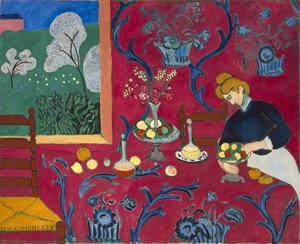 Harmony in Red - Henri Matisse
While we wander through this collection of earthy, sepia-toned masterpieces, Harmony in Red by Henri Matisse arrives like a sudden, breathtaking pulse of warmth. Though it stands in stark contrast to the muted browns of its companions, it shares that same profound sense of domestic intimacy and groundedness. In this 1908 triumph, Matisse invites us into a room where the air feels saturated with the scent of citrus and the quiet rhythm of daily life.
The painting is a masterclass in emotional temperature; the artist famously transitioned from a cool blue to this overwhelming, vibrant red to achieve a true sensory equilibrium. As you observe the woman peeling an orange, notice how the deep magentas and rich crimsons create a space that feels both enclosed and infinitely alive. It is not merely a painting of a room, but a lineage of taste —a reminder that even within bold, Fauvist experimentation, there is a soulful connection to the comforts of home. To possess such a work is to invite a legacy of light and passion into your own sanctuary.
A boy with pipe - Pablo Picasso
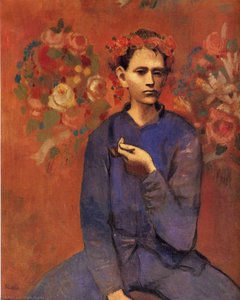 A boy with pipe - Pablo Picasso
In the quiet corners of Picasso’s Rose Period, A Boy with Pipe emerges as a soulful meditation on warmth and transition. While we often seek the vibrant pinks of this era, it is the deep, earthy sepia and rich umber tones that truly anchor this masterpiece. These brown hues do not merely sit upon the canvas; they breathe, creating an atmospheric weight that cradles the young subject in a moment of profound introspection.
As you stand before this work, notice how the artist uses a palette of toasted ochre and burnt sienna to compose the light itself. It is not a harsh illumination, but a soft, amber glow that feels like a fading afternoon in Montmartre. The heavy, impasto brushstrokes catch the light, turning the background into a textured tapestry of warmth. This painting earns its place among the most beautiful works dominated by brown tones because it uses these shadows to invent depth, transforming a simple portrait into a timeless, sepia-toned memory that invites you to linger in its melancholic embrace.
Bildnis Fritza Riedler, 1906 - Österreichische Galerie, Vienna - Gustav Klimt
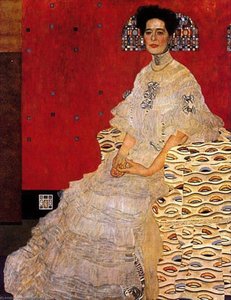 Bildnis Fritza Riedler, 1906 - Österreichische Galerie, Vienna - Gustav Klimt
In the quiet presence of Bildnis Fritza Riedler, 1906 by Gustav Klimt, time seems to suspend itself within a gilded, amber-hued dream. This masterpiece earns its place among the most profound paintings dominated by brown tones through its masterful use of deep, earthy umbers and chocolate shadows that anchor Klimt’s ethereal ornamentation. The composition breathes with a heavy, luxurious warmth; the dark, saturated browns of the background provide a dramatic, somber stage for the shimmering golds and creamy whites to emerge.
To gaze upon this portrait is to feel the weight of Viennese elegance—the texture of the oil paint whispering stories of opulence and hidden melancholy. The interplay of deep sepia tones and rich, dark pigments creates a sense of psychological depth, offering a sophisticated anchor for modern interiors seeking a touch of historical soul. It is a symphony of light and shadow where the warmth of the brown palette evokes a feeling of timeless stability, making it an essential cornerstone for any collection celebrating the emotive power of color.
Flag - Jasper Johns
 Flag - Jasper Johns
In Flag by Jasper Johns, the familiar geometry of a national icon is reimagined through a lens of profound, textured complexity. While we often look to this piece for its symbolic weight, its place among the top 10 famous paintings dominated by brown tones emerges from the subtle, earthy undertones found within his revolutionary encaustic technique. The heavy layering of oil and melted beeswax creates a surface where shadows and deep, sepia-like crevices reside between the red, white, and blue fragments.
The composition relies on a rhythmic, grid-like balance of rectangular blocks that provides a structural harmony, much like the principles of modern minimalist design. This deliberate arrangement of shapes offers a sense of grounded stability, making it an ideal anchor for a contemporary interior seeking a sophisticated, neutral aesthetic. The interplay of light across the rugged, sculptural texture evokes a timelessness that transcends mere patriotism, inviting us to find beauty in the weathered, organic depths of its construction.
The Falling Angel - Marc Chagall
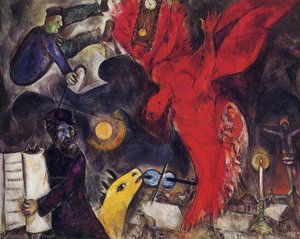 The Falling Angel - Marc Chagall
In the hauntingly beautiful The Falling Angel , Marc Chagall invites us into a dreamscape where the weight of history meets the ethereal. While many associate his work with vibrant, floating colors, this 1947 masterpiece finds its emotional gravity through deep, somber undertones and earthy, shadowed pigments that anchor its surrealist chaos. The composition is a visceral tapestry of spiritual conflict; a fiery figure descends through a sky heavy with tension, surrounded by enigmatic, dark-toned figures that seem to emerge from the very shadows of memory.
The painting utilizes thick, textured layers and jagged, dynamic lines to evoke a sense of profound psychological unrest. Amidst the swirling blues and reds, the darker, more muted tones provide a necessary gravity, reflecting the post-war search for meaning. Owning such a piece is not merely a purchase; it is an inheritance of Chagall’s profound legacy. At ArtsDot.com, we believe this lineage of taste belongs on your walls, allowing you to live within the same emotional depth and storied textures that define the masters.
Dog - Francis Bacon
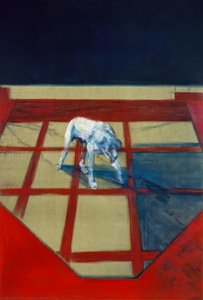 Dog - Francis Bacon
To stand before Francis Bacon’s Dog is to encounter a profound, quiet ache that lingers long after you turn away. There is a heavy, somber stillness in the air, a sense of isolation that feels almost tangible. While many seek warmth in art, this piece commands attention through its raw, existential weight, utilizing deep, earthy shadows and muted, sepia-adjacent tones to anchor its unsettling energy.
Bacon captures a moment of pure, primal vulnerability. Inspired by the kinetic studies of Muybridge, he transforms a simple subject into a symbol of the human condition—trapped within a rigid, geometric cage of intersecting lines. It earns its place among the top 10 famous paintings dominated by brown tones because it uses that darker, more grounded palette to heighten the tension between organic life and architectural coldness. The way the shadows pool around the figure creates a haunting depth that is impossible to ignore. Bringing such a powerful, contemplative work into a modern home allows us to embrace the full spectrum of human emotion, finding a deeper, more meaningful connection to the beautiful complexities of our own inner landscapes.
Fragmented Primaries: A Singular Vision of Masked Identity and Spontaneous Chaos - Christian Noiret
 Fragmented Primaries: A Singular Vision of Masked Identity and Spontaneous Chaos - Christian Noiret
While our journey through the Top 10 Famous Paintings Dominated by 'Brown' Tones often leads us through the earthy, grounded shadows of the Old Masters, Christian Noiret’s Fragmented Primaries: A Singular Vision of Masked Identity and Spontaneous Chaos offers a startling, visceral departure. Close your eyes. Can you feel the light in this work? It is not the soft, amber glow of a sepia landscape; it is a rhythmic, pulsing energy that refuses to be contained.
In this contemporary masterpiece, Noiret does not merely apply pigment; he composes tension. Amidst the heavy, structural contours and the deep, grounding shadows that anchor the composition, there exists a hypnotic dance of primary reds, blues, and yellows. The artist has captured a moment where stability meets beautiful instability, using thick impasto and fluid drips to create a tactile landscape of emotion. This piece stands out because it does not just reflect light—it invents it, creating a flickering, high-contrast experience that turns your walls into portals of pure, spontaneous inspiration.
Annunciation - Duccio di Buoninsegna
 Annunciation - Duccio di Buoninsegna
In Duccio di Buoninsegna’s Annunciation , the structural harmony of the Sienese Gothic style creates a profound sense of timeless perfection. The composition is anchored by a delicate geometric balance; the graceful, sweeping lines of the Archangel Gabriel’s wings guide the eye toward the serene, centered figure of the Virgin Mary. This equilibrium is grounded by deep, earthy undertones and warm, sepia-like shadows that emerge from the architectural setting, making it a quintessential entry in our exploration of famous paintings dominated by brown tones .
There is a quiet, rhythmic stability in how Duccio arranges the sacred elements—the placement of the lilies and the soft weight of the figures—that feels remarkably modern. Much like the principles of modern minimalist design , the painting strips away unnecessary chaos to focus on essential forms and emotional clarity. This understated elegance allows the rich, umber-tinted shadows and warm ochres to provide a soulful, grounding presence, offering a sophisticated aesthetic that resonates beautifully within a contemporary, neutral-toned interior.
Estudios - Pablo Picasso
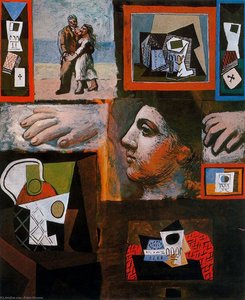 Estudios - Pablo Picasso
In Estudios by Pablo Picasso, the eye is immediately drawn to the raw, tactile energy of the earth-toned palette. One can almost feel the weight of the pigments; the work is a masterclass in the use of deep umbers, sienna, and sepia that ground his revolutionary deconstructions. The texture is remarkably visceral, characterized by a confident, almost aggressive application of paint where thick impasto meets fractured, geometric planes. This heavy materiality allows the shadows to hold depth, making the brown tones feel less like mere color and more like a structural element of the composition itself.
This piece earns its place among the top 10 famous paintings dominated by brown tones because it uses these somber, organic hues to bridge the gap between classical study and Cubist disruption. At ArtsDot.com, we believe such profound textures deserve to be felt, not just seen. Our hand-painted oil reproductions meticulously recreate this three-dimensional quality, ensuring that every bold stroke and layered shadow of Picasso’s genius is preserved on canvas, bringing the soulful, heavy atmosphere of his sketches into the intimate sanctuary of your home.
Deposition (detail) (9) - Rogier van der Weyden
 Deposition (detail) (9) - Rogier van der Weyden
What story do the somber, earth-bound shadows tell in Deposition (detail) by Rogier van der Weyden? In this profound fragment of Early Netherlandish mastery, the heavy, umber-rich tones do more than merely frame a moment of grief; they anchor the divine tragedy to the very soil of our human experience. Emerging from the mid-15th century, Van der Weyden broke new ground by marrying meticulous oil textures with an almost unbearable emotional intimacy, moving beyond stiff Gothic forms into a realm of visceral, tactile sorrow.
The palette is dominated by deep, resonant browns and muted ochres, creating a chiaroscuro effect that highlights the wounded flesh and the heavy, sculptural folds of drapery. For the modern collector, bringing such a piece into a home offers a curated escape into history—a way to ground a contemporary space with the weight of timeless devotion. This painting does not just decorate a wall; it invites a contemplative stillness, using its earthy, monochromatic depth to evoke a sense of sacred permanence amidst our fleeting world.
Conclusion
As the light fades on our journey through these amber-hued corridors, we are reminded that a painting is never truly finished once the artist lays down their brush. These masterpieces, draped in the warmth of umber, sienna, and deep earth tones, do more than merely occupy space; they breathe. They are living presences that bridge the vast, silent centuries, carrying with them the whispered secrets, the quiet sorrows, and the profound joys of souls long passed. When we gaze upon a stroke of ochre or a shadow of burnt sepia, we are participating in a timeless conversation—a gentle, rhythmic pulse that connects the hand of the creator to the heart of the admirer.
To bring such works into our own homes is to invite this history to dwell with us. These tones do not just decorate a wall; they ground a room, offering a sense of permanence and soulful depth in an ever-changing world. Whether it is the soft light of a Post-Impressionist landscape or the structured elegance of a classic portrait, these paintings continue to shape our interiors and inspire our modern creativity, acting as anchors of beauty amidst the noise of contemporary life. We invite you to continue this exploration and find the piece that speaks to your own story within our full collection . May you always find wonder in the shadows and light in the textures of the past.