

 Pregledaj u prostoru
 Pošalji
 Podeli
 Detalji o delu

 Преузми
 Slični predmeti
 Rendgenski snimak
 Slajdovi
 Statistika
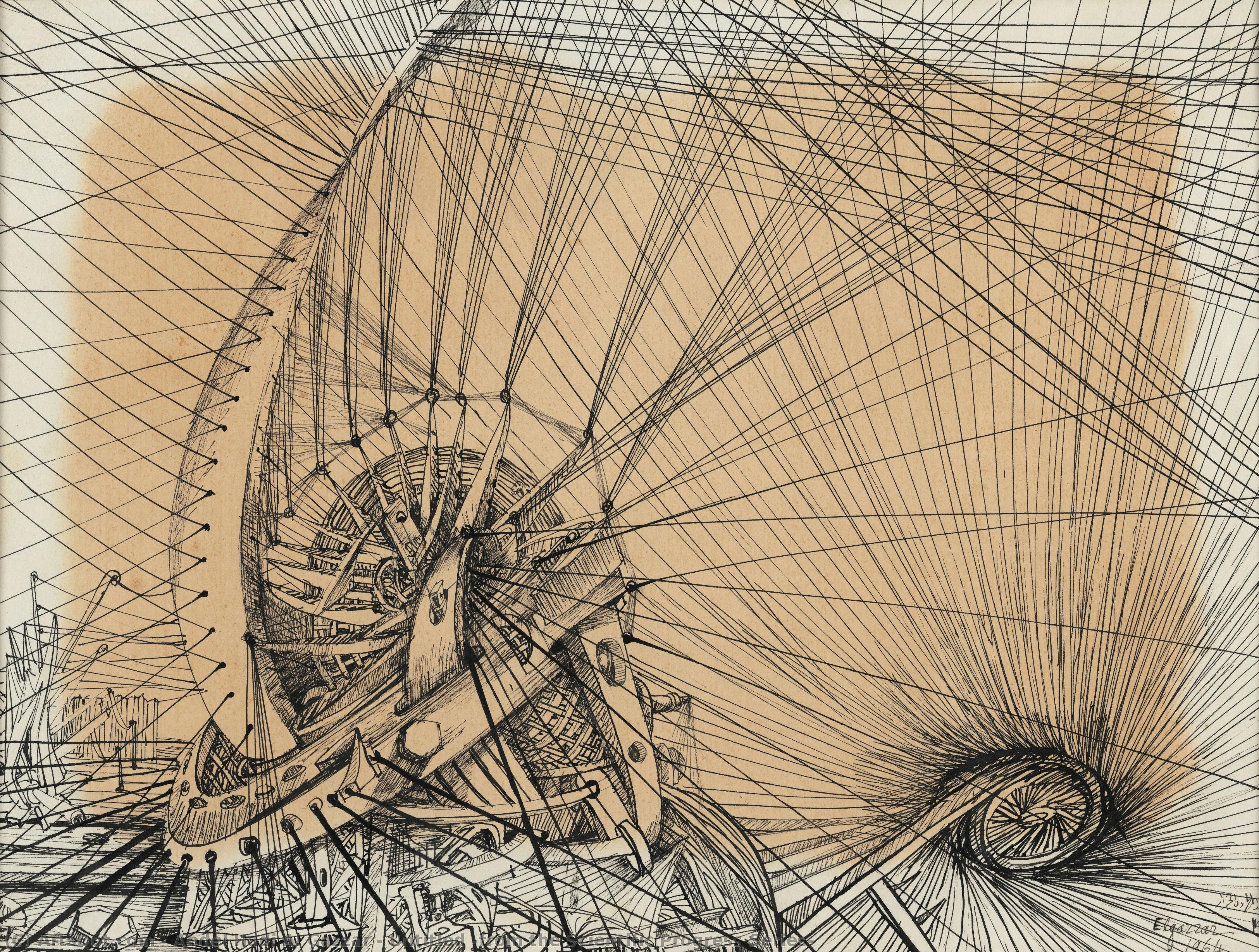
Untitled (from the Scientific Progress Series)
 Drawing
- WallArt
 Modern
 36.0 x 27.0 cm
 Barjeel Art Foundation
 Pročitaj više
Ručno rađena uljana reprodukcija
Ručno oslikano uljanim bojama na platnu u dimenzijama i okviru po vašem izboru, izrađeno po porudžbini od strane naših umetnika. ( Pređi na štampu Pređi na digitalnu sliku)




P118B $10

P118H $10

P118W $10

P438Z $10

P508JH $12

P508YH $12

P805H $10

P805Z $10

P919BZ $10

P919G $10

P919XJ $10

P959ZH $10

P968JZ $12

W106C $8

W218G $10

W218JH $8

W218Y $10

W307PJ $10

W316G $10

W316PJ $8

W316Y $10

W398PJ $8

W4111J $10

W500HY $15

W500JH $15

W692G $12

W849H $8

W940BG $15

W953PJ $8




Izaberite jednu od naših unapred definisanih veličina koje odgovaraju originalnim proporcijama umetničkog dela.

Можете унети сопствене димензије како бисте прилагодили дело одређеном оквиру или простору. Ако одабрана величина не одговара пропорцијама оригинала, слика ће бити исечена или проширена додатним елементима који се ручно насликавају. Дигитални prikaz ће вам бити послат на одобрење пре почетка производње.
Имајте на уму да преглед на екрану не одражава стварно исецање или проширење. Само приказ (mockup) ће тачно приказати коначну композицију.
Иако су доступне прилагођене величине, препоручујемо да одаберете димензију из дефинисане листе како бисте сачували оригиналне пропорције.
Nakon narudžbine, tim ArtsDot.com će klijentu putem e-pošte poslati uputstva i dostaviti prikaz predloženog rešenja
Isporuka širom sveta () za 3/4 nedelje umesto uobičajenih 5 nedelja. (9 септембар). Bez kompromisa po pitanju kvaliteta.

Besplatna ekspresna dostava širom sveta

Visokokvalitetno laneno platno

Kompletno osiguranje transporta

Garancija povraćaja carine i uvoznih dažbina

Garancija vernosti boja

Politika povraćaja u roku od 100 dana (isključivo u slučaju nedostataka)

Garancija povrata novca od 100%

Popust pri grupnoj kupovini
 Opcija sa staklom dostupna je samo za dimenzije manje od 110 cm

Untitled (from the Scientific Progress Series)
Tehnika reprodukcije
Dimenzije reprodukcije
-


Konačna cena
$ 263
The Intricacy of Innovation: A Mechanical Vision
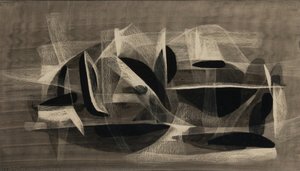
In the evocative drawing Untitled (from the Scientific Progress Series), we are invited into a realm where the boundaries between organic movement and mechanical precision dissolve. The work presents a mesmerizing black and white composition of a sprawling, complex apparatus that seems to pulse with a hidden energy. At first glance, the eye is drawn to the dense network of gears, wheels, and interlocking circular forms that suggest a hybrid entity—part ancient clockwork, part futuristic engine. This intricate design does not merely depict a machine; it captures the very essence of momentum and the relentless forward march of human ingenuity. The artist utilizes a delicate yet commanding line work to navigate the labyrinthine structure, creating a sense of depth that pulls the viewer into the heart of this mechanical marvel.
The stylistic approach of this piece leans heavily into the beauty of structural complexity. By stripping away color, the drawing focuses our attention entirely on form, shadow, and the rhythmic repetition of geometric shapes. The scattered smaller circles act as visual punctuation marks, suggesting secondary gears or perhaps celestial bodies orbiting a central mechanical sun. This interplay of light and dark creates a dramatic tension, making the machine feel both heavy with industrial weight and ethereal in its conceptual lightness. For the discerning collector or interior designer, this piece offers a sophisticated focal point that celebrates the elegance of engineering and the profound beauty found in technical detail.
Symbolism and the Spirit of Progress
As part of the Scientific Progress Series, this work serves as a poignant meditation on the era of rapid technological evolution. The machine functions as a powerful symbol of the human intellect's ability to organize chaos into order. Each gear represents a component of societal advancement, working in concert to drive the wheels of civilization forward. There is an inherent sense of inevitability in the composition; the interlocking parts suggest a system that, once set in motion, becomes an unstoppable force of nature. This creates a profound emotional impact, evoking feelings of both awe at human capability and a contemplative wonder regarding the complexity of the modern world.
Beyond its literal depiction of machinery, the drawing touches upon the philosophical intersection of science and art. The way the mechanical elements are rendered with such fluid, almost biological grace suggests that progress is not merely an external imposition on the world, but an organic growth of human consciousness. For those looking to adorn a space with art that inspires thought and conversation, this reproduction provides a window into a period of intense intellectual curiosity. It is a piece that resonates deeply within contemporary settings, bridging the gap between the historical fascination with invention and our modern obsession with digital and mechanical interconnectedness.
Srodna umetnička dela

Biografija umetnika
Robert Rauschenberg: A Collision of Worlds
Born Milton Ernest Rauschenberg in Port Arthur, Texas, on October 22, 1925, Robert Rauschenberg’s artistic journey was a radical departure from traditional notions of painting and sculpture. His early life, steeped in the fundamentalist Christianity of his parents—a physician father and a homemaker mother—provided an unexpected foundation for his later explorations into the intersection of everyday objects and art. This seemingly disparate background fueled a lifelong fascination with juxtaposition, chance, and the blurring of boundaries – concepts that would become central to his groundbreaking work.
Rauschenberg’s formal artistic training began at the University of Texas at Austin, where he initially studied English Literature, History, and Philosophy. However, it was his time in Paris during the late 1940s, studying under Charles-Daniel Fournier, that truly ignited his passion for painting. This period marked a shift away from purely representational art, introducing him to the burgeoning Abstract Expressionist movement while simultaneously fostering an independent approach rooted in observation and experimentation. Returning to America, he honed his skills at Black Mountain College, where he collaborated with artists like Josef Albers and taught alongside Max Ernst, absorbing influences that would shape his distinctive style.
The Rise of the Combine
Rauschenberg’s most significant contribution to 20th-century art is undoubtedly the “Combine” paintings – a series beginning in 1954. These works represented a radical departure from traditional painting, incorporating found objects—photographs, fabric scraps, newspaper clippings, bottle caps, and even entire toys—directly onto the canvas. The process was often spontaneous, guided by chance encounters and Rauschenberg’s intuitive response to the materials before him. He described his approach as “painting with objects,” blurring the lines between painting, sculpture, collage, and assemblage.
The "Canyon" series (1959-60), created in collaboration with artist Carl Holty, exemplifies this innovative technique. They photographed a vast expanse of the Grand Canyon, then painted an abstract representation of the photograph onto large canvases, layering in found objects like sandpaper and metal to create a tactile, three-dimensional surface. This series demonstrated Rauschenberg’s ability to transform seemingly mundane images into complex and emotionally resonant artworks.
Beyond Assemblage: Expanding Horizons
While the Combines remain his most iconic work, Rauschenberg's artistic practice extended far beyond this singular approach. He experimented with monograms – single-image paintings incorporating a carefully chosen object—often revealing hidden narratives within the object itself. He also explored printmaking, creating silkscreen prints that mirrored the visual language of his Combines, and engaged in performance art, pushing the boundaries of artistic expression through unconventional actions.
Rauschenberg’s work was deeply influenced by Dadaism and Surrealism, particularly the concept of juxtaposition and the exploration of unconscious imagery. However, he moved beyond these influences to develop a uniquely personal style characterized by its playful irreverence, intellectual depth, and profound engagement with the world around him. His embrace of chance and his willingness to challenge traditional artistic conventions cemented his place as a pivotal figure in post-war American art.
Legacy and Recognition
Robert Rauschenberg’s impact on contemporary art is undeniable. He demonstrated that art could be found in the most unexpected places, challenging viewers to reconsider their assumptions about what constitutes “art” and how it should be made. His innovative techniques and his fearless experimentation paved the way for subsequent generations of artists working across media.
Throughout his career, Rauschenberg received numerous accolades, including the National Medal of Arts in 1993 and the International Grand Prize at the Venice Biennale in 1964. His work is held in major museums worldwide, a testament to its enduring significance and lasting influence. Robert Rauschenberg died on May 12, 2008, leaving behind a rich and complex body of work that continues to inspire and provoke thought.

abdel hadi al gazzar
1925 - 1966 , Egypt
Osnovne informacije
- Artistic Movement Or Style:
- Assemblage
- Neo-Dada
- Pop Art
- Artists Or Movements Influenced By This Artist:
- Jasper Johns
- Robert Ryman
- Artists Who Influenced This Artist:
- Picasso
- Pollock
- Marcel Duchamp
- Date Of Birth: October 22, 1925
- Date Of Death: May 12, 2008
- Full Name: Robert Rauschenberg
- Nationality: American
- Notable Artworks:
- Canyon
- Monogram
- Rauschenberg Prints
- Place Of Birth: Port Arthur, Texas
Povezani članci

White on Canvas: 10 Masterpieces & Timeless Elegance for Your Home Decor
Explore 10 iconic white paintings by Monet, Whistler & Rothko! Discover the stories behind these serene masterpieces and their impact on art history. Find museum-quality reproductions for your home decor at .

Dark Masterpieces: 10 Iconic Paintings Dominated by Black Tones |
Explore 10 iconic paintings dominated by black tones, from Rembrandt’s chiaroscuro to Goya's dark expressions. Discover the stories behind these masterpieces & find museum-quality art reproductions for your home at .

Monochrome Visions: Exploring the Aesthetic & Historical Significance of Black & White Photography
Explore the rich history & artistic power of black and white photography. From early techniques to iconic masters like Ansel Adams, discover why monochrome continues to captivate art lovers today. Expert insights for collectors.
The Subtleties of White: Exploring Absence, Light & Symbolism in Art History
Explore the profound symbolism & history of white in art! From ancient purity to modern abstraction, discover how artists have used absence & light. Expert insights from ArtsDot.
Mars Black Masterpieces: 10 Iconic Paintings & Timeless Art Decor Ideas
Delve into the power of 'Mars Black' with 10 iconic paintings by masters like Rembrandt & Caravaggio. Explore dramatic chiaroscuro, gothic art, and timeless beauty. Find museum-quality reproductions & elevate your home decor on .