

 Pregledaj u prostoru
 Pošalji
 Podeli
 Detalji o delu

 Преузми
 Slični predmeti
 Rendgenski snimak
 Slajdovi
 Statistika
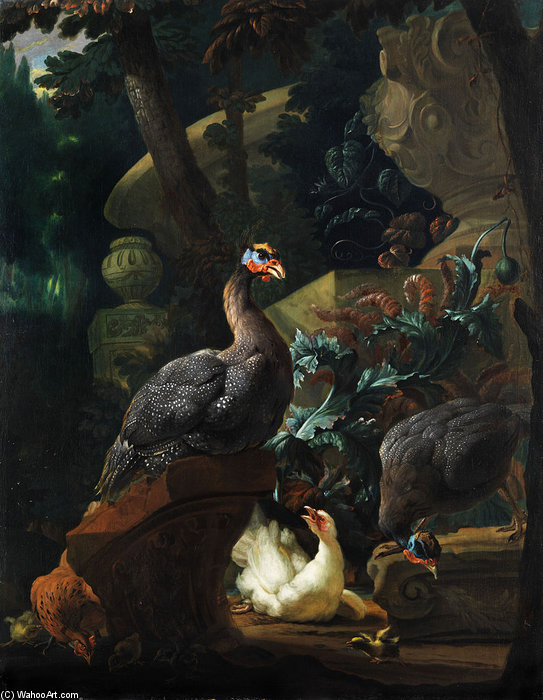
Perlhuhnpaar Mit Kuken Neben Distelblättern Vor Dunkler Waldlandschaft Mit Steinen Und Marmorvase
 Pročitaj više
Ručno rađena uljana reprodukcija
Ručno oslikano uljanim bojama na platnu u dimenzijama i okviru po vašem izboru, izrađeno po porudžbini od strane naših umetnika. ( Pređi na štampu Pređi na digitalnu sliku)




































Izaberite jednu od naših unapred definisanih veličina koje odgovaraju originalnim proporcijama umetničkog dela.

Можете унети сопствене димензије како бисте прилагодили дело одређеном оквиру или простору. Ако одабрана величина не одговара пропорцијама оригинала, слика ће бити исечена или проширена додатним елементима који се ручно насликавају. Дигитални prikaz ће вам бити послат на одобрење пре почетка производње.
Имајте на уму да преглед на екрану не одражава стварно исецање или проширење. Само приказ (mockup) ће тачно приказати коначну композицију.
Иако су доступне прилагођене величине, препоручујемо да одаберете димензију из дефинисане листе како бисте сачували оригиналне пропорције.
Nakon narudžbine, tim ArtsDot.com će klijentu putem e-pošte poslati uputstva i dostaviti prikaz predloženog rešenja
Isporuka širom sveta () za 3/4 nedelje umesto uobičajenih 5 nedelja. (9 септембар). Bez kompromisa po pitanju kvaliteta.

Besplatna ekspresna dostava širom sveta

Visokokvalitetno laneno platno

Kompletno osiguranje transporta

Garancija povraćaja carine i uvoznih dažbina

Garancija vernosti boja

Politika povraćaja u roku od 100 dana (isključivo u slučaju nedostataka)

Garancija povrata novca od 100%

Popust pri grupnoj kupovini
 Opcija sa staklom dostupna je samo za dimenzije manje od 110 cm

Perlhuhnpaar Mit Kuken Neben Distelblättern Vor Dunkler Waldlandschaft Mit Steinen Und Marmorvase
Tehnika reprodukcije
Dimenzije reprodukcije
-


Konačna cena
$ 263
Srodna umetnička dela







Biografija umetnika
Abraham Bisschop: A Dutch Master of Birds and Light
Abraham Bisschop (1670-1729), a name perhaps less familiar than those of his contemporaries Rembrandt or Vermeer, nevertheless stands as a significant figure within the vibrant tapestry of the Dutch Golden Age. Born in Dordrecht, a city steeped in artistic tradition, Bisschop’s legacy lies primarily in his exquisite depictions of birds – not merely as subjects for scientific study, but as imbued with life, character, and often, a touch of melancholic beauty. His work offers a unique window into the burgeoning interest in natural history during this period, combined with a masterful command of light, color, and composition that firmly places him within the Baroque tradition.
Bisschop’s artistic lineage is deeply rooted in his father, Cornelis Bisschop, a renowned painter known for his innovative trompe-l'œil panels. While his family embraced this decorative style, Abraham forged his own path, dedicating himself to capturing the essence of avian life. This divergence wasn’t simply a matter of personal preference; it reflected a broader shift in artistic tastes at the time – a growing appreciation for the natural world and its intricate details. His early training likely involved studying works by masters like Melchior d'Hondecoeter, whose detailed bird paintings served as a crucial influence, establishing a precedent for Bisschop’s own meticulous approach.
The Art of the Bird: Technique and Style
Bisschop’s paintings are characterized by an extraordinary sensitivity to light and shadow – a hallmark of Baroque artistry. He expertly employed *chiaroscuro*, creating dramatic contrasts that brought his subjects to life, imbuing them with a palpable sense of volume and texture. His brushwork is remarkably fluid and expressive, particularly evident in the rendering of feathers, where individual plumes are delicately delineated. Unlike some of his contemporaries who focused on idealized representations, Bisschop’s birds often appear slightly awkward or vulnerable, reflecting a deeper understanding of their natural behavior.
His compositions frequently feature birds within carefully constructed landscapes – often incorporating classical ruins, urns, and other elements evocative of antiquity. These settings weren't merely decorative; they served to elevate the subject matter, suggesting a connection between the fleeting beauty of nature and the enduring ideals of classical art. The inclusion of mythological figures, such as those depicted in ‘Landscape with Ruins & Birds,’ further reinforces this thematic resonance.
- Subject Matter: Primarily birds – domestic fowl, waterfowl, and exotic species from distant lands.
- Technique: Masterful use of *chiaroscuro*, detailed brushwork, and a nuanced understanding of avian anatomy.
- Composition: Integration of birds within carefully designed landscapes, often incorporating classical motifs.
A Life in Art: Dordrecht and Middelburg
Bisschop’s early life was spent in Dordrecht, where he received his initial artistic training. He became a member of the Middelburg Guild of St. Luke around 1715, marking a significant step in his professional career. This affiliation provided him with access to resources and opportunities for exhibiting his work. He later moved to Middelburg, establishing himself as a respected painter within that region.
Despite the relative obscurity surrounding his personal life, biographical accounts – primarily from Arnold Houbraken’s *The Groote Schouburgh der Nederlantsche Konstschilders en Schilderessen* – offer valuable insights into Bisschop's artistic practice and social connections. Houbraken noted Bisschop’s dedication to capturing the nuances of bird behavior, emphasizing his skill in portraying their individual characteristics. He was also recognized for his ability to decorate large halls with elaborate avian scenes, a testament to his versatility and popularity.
Legacy and Significance
Abraham Bisschop's contribution to Dutch art is often overlooked, yet his work holds considerable significance within the context of 17th-century painting. He represents a crucial link between the earlier tradition of bird painting established by Melchior d’Hondecoeter and subsequent generations of artists. His meticulous attention to detail, combined with his expressive use of light and color, elevates his paintings beyond mere depictions of wildlife – transforming them into evocative meditations on beauty, nature, and the passage of time.
Today, Bisschop's works are treasured for their exquisite craftsmanship and profound emotional resonance. They serve as a reminder that even within the grand narratives of Dutch Golden Age art, there exist countless individual voices—voices like Abraham Bisschop’s—that deserve to be heard and appreciated.
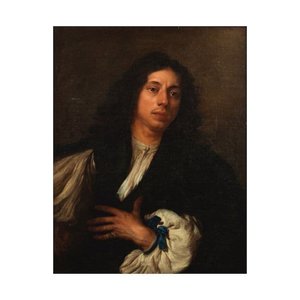
abraham bisschop
1670 - 1729 , Netherlands
Osnovne informacije
- Artistic Movement Or Style: Baroque Painting
- Artists Or Movements Influenced By This Artist:
- Jacobus Bisschop
- Dutch Golden Age
- Artists Who Influenced This Artist:
- Cornelis Bisschop
- Melchior d’Hondecoeter
- Date Of Birth: 1670, Dordrecht
- Date Of Death: 1729, Middelburg
- Full Name: Abraham Bisschop
- Nationality: Dutch
- Notable Artworks:
- Landscape with Ruins & Birds
- Birds in a Landscape
- A goose, a kingsfisher...
- Place Of Birth: Dordrecht, Netherlands