

 Pregledaj u prostoru
 Pošalji
 Podeli
 Detalji o delu

 Преузми
 Slični predmeti
 Rendgenski snimak
 Slajdovi
 Statistika
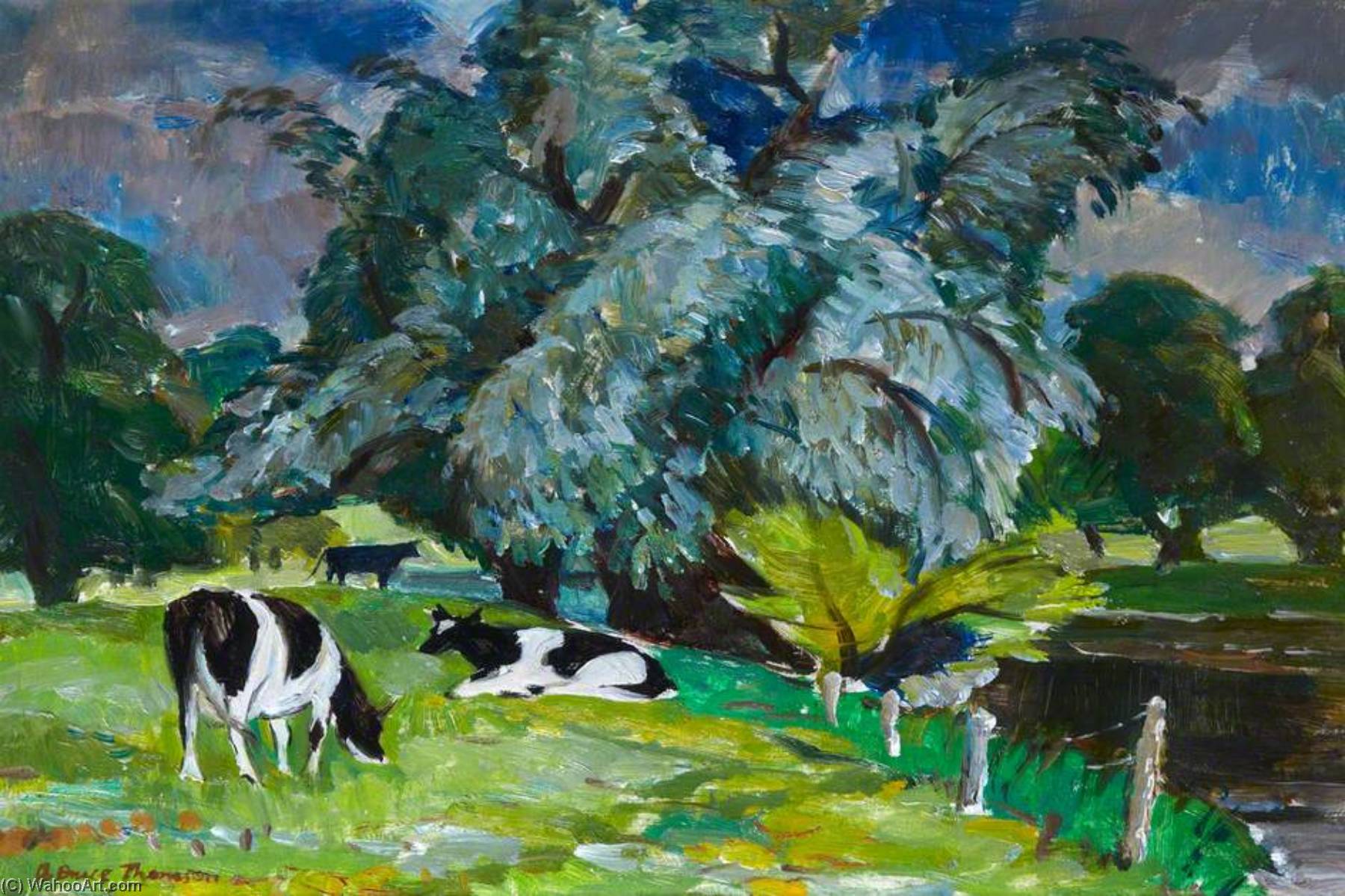
Willow Trees, Cattle and River
 36.0 x 46.0 cm
 Pročitaj više
Giclee štampa / Umetnički otisak
Giclée štampa ili print na platnu muzejskog kvaliteta uz brzu proizvodnju i fleksibilne opcije završne obrade. ( Kupi ručno naslikanu sliku Pređi na digitalnu sliku)




































Izaberite jednu od naših unapred definisanih veličina koje odgovaraju originalnim proporcijama umetničkog dela.

Možete uneti sopstvene dimenzije kako biste umetničko delo prilagodili specifičnom okviru ili prostoru. Ako odabrani format ne odgovara proporcijama originalne slike, mi ćemo ili iscrtati deo dela ili proširiti sliku pomoću ogledane ivice ili jednobojnog popunjavanja. Digitalni prikaz će vam biti poslat na odobrenje pre početka proizvodnje.
Imajte na umu da pregled na ekranu ne odražava stvarno iscrtavanje ili proširivanje. Samo će prikaz (mockup) precizno pokazati finalnu kompoziciju.
Iako su prilagođene dimenzije dostupne, preporučujemo da odaberete dimenziju sa unapred definisane liste kako biste očuvali originalne proporcije.
Dostava širom sveta () za 2 nedelje umesto uobičajenih 4/5 nedelja. (9 септембар)

Besplatna ekspresna dostava širom sveta

Visokokvalitetno laneno platno

Kompletno osiguranje transporta

Garancija povraćaja carine i uvoznih dažbina

Garancija vernosti boja

Politika povraćaja u roku od 100 dana (isključivo u slučaju nedostataka)

Garancija povrata novca od 100%

Popust pri grupnoj kupovini
 Opcija sa staklom dostupna je samo za dimenzije manje od 110 cm

Willow Trees, Cattle and River
Giclee štampa / Umetnički otisak
Dimenzije reprodukcije
-


Konačna cena
$ 62
Srodna umetnička dela







Biografija umetnika
A Highland Visionary: The Life and Legacy of Adam Bruce Thomson
In the heart of Scotland’s rich artistic heritage, few names resonate with as much quiet authority and enduring grace as Adam Bruce Thomson. Known affectionately to his students at the Edinburgh College of Art as ‘Adam B’, this master of light and landscape was far more than a mere painter; he was a chronicler of the Scottish soul. Born in Edinburgh in 1885, Thomson’s life was an intricate tapestry woven from the rigorous discipline of classical training and a profound, wandering curiosity that led him across the landscapes of Europe. His journey began within the hallowed halls of the Royal Institution School of Art and the RSA Life School, where he laid the foundational stones of his technical mastery. This early period of intense study in drawing, painting, and even architecture provided him with a unique structural understanding of the world—a perspective that would later allow him to capture the rugged bones of the Highlands with both precision and poetic fluidity.
The evolution of Thomson’s style was profoundly shaped by his thirst for exploration. Between 1910 and 1912, his travels through the vibrant streets of Paris, the historic canals of Holland, and the sun-drenched landscapes of Spain introduced him to the transformative power of Impressionism. These expeditions acted as a catalyst, softening the edges of his academic training and infusing his palette with a new, luminous vitality. However, the shadows of history would soon intersect with his artistic path. During the Great War, serving as a second lieutenant in the Royal Engineers, Thomson witnessed the harrowing realities of conflict near Arras. His sketches from this era—depicting troop movements and the skeletal remains of the Mont St Eloi Abbey—stand as poignant testaments to a humanist compassion, blending technical prowess with the somber weight of wartime experience.
Mastery of Medium and the Edinburgh School
Upon his return to civilian life, Thomson’s influence expanded from the canvas to the classroom. As a dedicated educator at the Edinburgh College of Art from 1919 until his retirement in 1950, he nurtured generations of talent, cementing his role as a cornerstone of the celebrated Edinburgh School. His pedagogical legacy was matched only by his prolific output in both oil and watercolour. Thomson possessed a rare ability to manipulate these mediums to evoke different emotional registers; where his oils offered a robust, textured exploration of form and light, his watercolours captured the ephemeral, misty atmosphere of the Scottish Highlands with unparalleled delicacy.
His body of work is characterized by an intimate connection to his subject matter. Whether he was rendering the architectural charm of Edinburgh’s North Bridge or the serene, domestic stillness of a window-side still life, there was always an underlying sense of reverence for the scene. His technical repertoire was remarkably diverse, encompassing:
- Landscape Painting: Evocative depictions of the Highlands and Edinburgh that capture the shifting moods of Scottish weather.
- Printmaking: Early mastery in the intricate disciplines of etching, drypoint, and lithography.
- Portraiture and Still Life: A sensitive approach to human subjects and domestic objects, blending realism with impressionistic light.
- Watercolour Excellence: A celebrated ability to use transparency and wash to recreate the atmospheric haze of the North.
Today, the significance of Adam Bruce Thomson lies not only in the beauty of his finished works but in his role as a bridge between the classical traditions of the 19th century and the modern sensibilities of the 20th. He remains a vital figure for anyone seeking to understand the rhythmic pulse of Scottish landscape art, leaving behind a visual legacy that continues to inspire awe through its quiet, enduring strength.
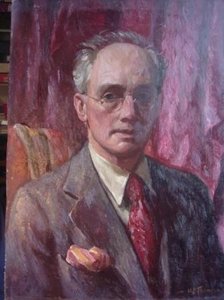
Adam Bruce Thomson
1885 - 1976
Osnovne informacije
- Artistic Movement Or Style: Edinburgh School
- Artists Who Influenced This Artist:
- William MacTaggart
- David Macbeth Sutherland
- Date Of Birth: 1885
- Date Of Death: 1976
- Full Name: adam bruce thomson
- Nationality: Scottish
- Notable Artworks:
- St. Martin’s Bridge in Toledo
- Zeppelin L 33 Crash
- Head of a Girl
- Place Of Birth: Edinburgh