

 Pregledaj u prostoru
 Pošalji
 Podeli
 Detalji o delu

 Преузми
 Slični predmeti
 Rendgenski snimak
 Slajdovi
 Stats
StatsFake flyleaf of


 Pročitaj više
Ručno rađena uljana reprodukcija
Ručno oslikano uljanim bojama na platnu u dimenzijama i okviru po vašem izboru, izrađeno po porudžbini od strane naših umetnika. ( Switch to Print Switch to Digital Image)




































Izaberite jednu od naših unapred definisanih veličina koje odgovaraju originalnim proporcijama umetničkog dela.

Можете унети сопствене димензије како бисте прилагодили дело одређеном оквиру или простору. Ако одабрана величина не одговара пропорцијама оригинала, слика ће бити исечена или проширена додатним елементима који се ручно насликавају. Дигитални prikaz ће вам бити послат на одобрење пре почетка производње.
Имајте на уму да преглед на екрану не одражава стварно исецање или проширење. Само приказ (mockup) ће тачно приказати коначну композицију.
Иако су доступне прилагођене величине, препоручујемо да одаберете димензију из дефинисане листе како бисте сачували оригиналне пропорције.
Nakon narudžbine, tim ArtsDot.com će klijentu putem e-pošte poslati uputstva i dostaviti prikaz predloženog rešenja
Isporuka širom sveta () za 3/4 nedelje umesto uobičajenih 5 nedelja. (8 септембар). Bez kompromisa po pitanju kvaliteta.

Besplatna ekspresna dostava širom sveta

Visokokvalitetno laneno platno

Kompletno osiguranje transporta

Garancija povraćaja carine i uvoznih dažbina

Garancija vernosti boja

Politika povraćaja u roku od 100 dana (isključivo u slučaju nedostataka)

Garancija povrata novca od 100%

Popust pri grupnoj kupovini
 Opcija sa staklom dostupna je samo za dimenzije manje od 110 cm

Fake flyleaf of
Tehnika reprodukcije
Dimenzije reprodukcije
-


Konačna cena
$ 263
A Fragment of Literary History
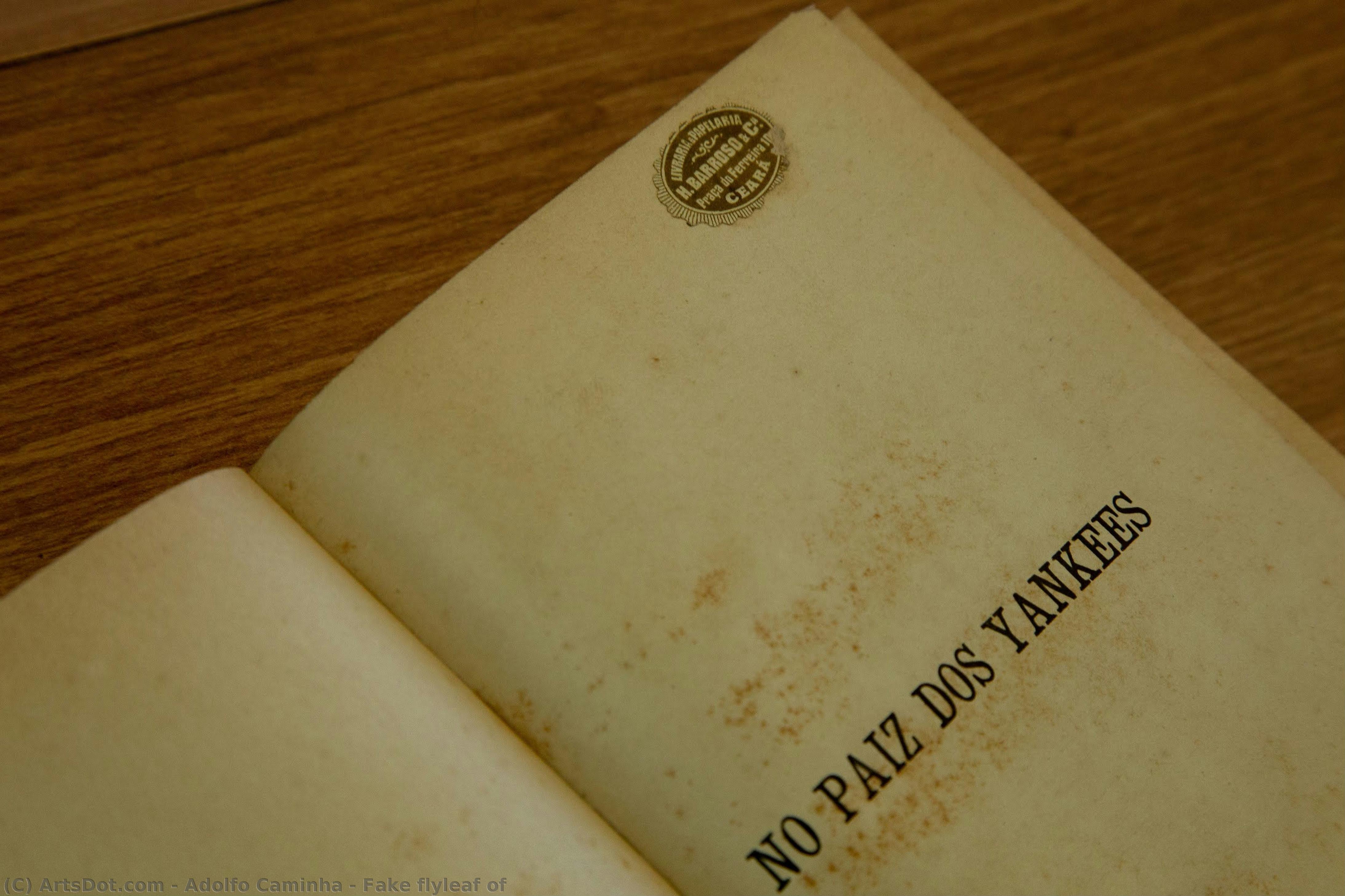
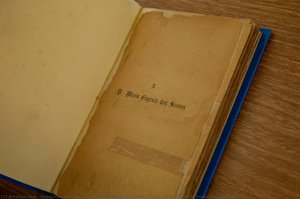
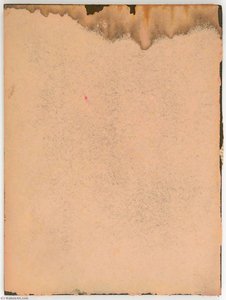
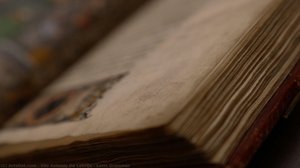
In the quiet intimacy of an aged book page, we encounter a profound whisper from the past. The Fake flyleaf of 'No Paiz dos Yankees' is not merely a piece of paper; it is a tactile window into the turbulent literary landscape of late 19th-century Brazil. Created in 1894 by the naturalist novelist Adolfo Caminha, this artifact serves as a hauntingly beautiful relic of a time when words were weapons of social commentary. The page, bearing the striking title "NO PAZ DOS YANKEES," carries an immediate weight of political tension and cultural identity, inviting the viewer to contemplate the friction between nations and the raw, unvarnished truths that Caminha so famously sought to expose in his prose.
The visual allure of this piece lies in its authentic decay. The texture of the paper is a map of time itself, marked by subtle discolorations, tea-colored stains, and the gentle fraying of edges that suggest decades of handling and survival. This organic patina creates a sense of profound nostalgia, making it an exquisite subject for those who find beauty in the ephemeral. For the discerning collector or interior designer, this work offers a sophisticated layer of historical depth, providing a focal point that feels both grounded in reality and steeped in mystery.
The Artistry of Naturalism and Authenticity
While the piece presents as a documentary artifact rather than a traditional painting, its aesthetic power is found in its naturalistic essence. Adolfo Caminha was a master of the naturalist movement, a style dedicated to portraying life with unflinching, often uncomfortable, accuracy. This flyleaf embodies that very spirit; there is no artistic embellishment here to mask the truth. The stark, bold typography of the Spanish-influenced text stands in sharp contrast to the delicate, weathered surface of the paper, mirroring the way Caminha’s literature thrust social realities into the light of day.
The composition is deceptively simple yet emotionally resonant. The presence of a circular stamp or seal in the upper corner acts as a silent witness to provenance, suggesting a lineage of ownership that connects the modern observer to the archives of the Coleção José Bonifácio Câmara. This element of authenticity adds a layer of intellectual prestige to the work. When rendered as a high-quality reproduction, the subtle interplay of light on the aged paper and the sharp clarity of the printed characters can transform a contemporary space, offering an atmosphere of scholarly elegance and timeless intrigue.
An Evocative Presence for Modern Interiors
Integrating a piece such as this into a curated collection or a modern interior design scheme allows for a unique dialogue between history and modernity. It is a work that demands contemplation, sparking conversations about travel, politics, and the enduring power of the written word. Its neutral, earthy tones—ranging from cream and sepia to deep amber—make it an incredibly versatile element for sophisticated palettes, pairing beautifully with dark wood libraries, minimalist galleries, or even avant-garde industrial settings.
To possess a reproduction of this flyleaf is to hold a fragment of the Brazilian naturalist soul. It provides more than just decoration; it offers an emotional anchor, a piece of storytelling that breathes life into a room. Whether used as a subtle accent in a study or a bold statement in a larger composition, this work remains a testament to the enduring impact of Adolfo Caminha’s legacy and the timeless beauty found in the weathered pages of history.
Srodna umetnička dela

Biografija umetnika
Adolfo Caminha: Life and Legacy
Adolfo Ferreira Caminha (born May 29, 1867, in Aracati, Brazil – died 1897) was a groundbreaking Brazilian naturalist novelist. Though his life was tragically short, he left an indelible mark on Latin American literature with his bold exploration of taboo subjects and unflinching portrayal of social realities.
Early Life and Education
Caminha’s early life was marked by hardship. He became orphaned at the age of ten and subsequently moved to Fortaleza to live with his uncle. In 1883, he relocated to Rio de Janeiro, where a relative enrolled him in naval school – an experience that would later inform some of his writing. Despite this formal education, Caminha’s true passion lay in literature.
Literary Beginnings and Journalism
Caminha began publishing his work early, releasing his first book, Voos Incertos (Uncertain Flights), in 1886. He also actively contributed to several prominent Brazilian journals – including Jornal do Commercio, Gazeta de Notícias, and O País – often writing under the pseudonym Félix Guanabarino. This journalistic work provided him with a platform to observe and critique Brazilian society.
The Rise of Naturalism and *Bom-Crioulo*
Caminha’s literary style aligned with the burgeoning naturalist movement, which sought to depict reality objectively and scientifically, often focusing on the darker aspects of human existence. His most famous work, *Bom-Crioulo* (Good Creole), published in 1895, is a pivotal novel in Brazilian literature. It fearlessly tackled themes of race, homosexuality, and social injustice – subjects considered highly controversial at the time.
Key Themes and Artistic Development
Caminha’s novels are characterized by:
- Naturalistic Realism: A commitment to portraying life as it is, without idealization or romanticism.
- Social Critique: An examination of the inequalities and hypocrisies within Brazilian society.
- Exploration of Sexuality: A groundbreaking depiction of same-sex desire in a literary context.
- Racial Dynamics: A nuanced portrayal of racial tensions and prejudices in Brazil.
Major Works
Beyond *Bom-Crioulo*, Caminha authored several other novels, including:
- A Normalista (The Teacher Training College Student)
- Cartas Literárias (Literary Letters)
- Tentação (Temptation)
Tragic End and Lasting Significance
Sadly, Adolfo Caminha’s life was cut short by tuberculosis. He died in 1897 at the young age of 29, leaving two novels unfinished. Despite his premature death, his work continues to be celebrated for its courage, honesty, and literary merit.
Historical Significance
Adolfo Caminha is recognized as a pioneer in Brazilian literature who challenged societal norms and paved the way for future generations of writers to explore complex and controversial themes. *Bom-Crioulo*, in particular, remains a landmark achievement – a bold and provocative novel that continues to resonate with readers today. His work offers valuable insights into the social and cultural landscape of 19th-century Brazil and its enduring struggles with race, sexuality, and inequality.
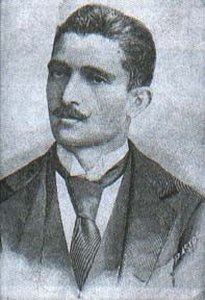
Adolfo Caminha
1867 - 1897 , Brazil
Osnovne informacije
- Birth Date: May 29, 1867
- Birth Place: Aracati, Brazil
- Death Date: 1897
- Movement: Naturalism
- Name: Adolfo Caminha
- Nationality: Brazilian
- Notable Works: Bom-Crioulo
Povezani članci

Echoes of Time: Nostalgia, Technique & Cultural Significance in Vintage Paintings
Explore the captivating world of vintage paintings! Discover key styles, cultural significance & collecting tips from art experts at ArtsDot. Find authentic reproductions and elevate your home décor.
ArtsDot.com F.A.Q.: Teksturne štampe – Postizanje izgleda i osećaja uljane slike za elitu kolekcionara
Otkrijte vrhunske teksturne štampe u ArtsDot.com – savršena alternativa uljanim slikama za elite kolekcionare. Personalizacija, autentičan izgled i garancija kvaliteta. Naručite remek-delo danas!

Zlatno doba Holandske umetnosti: Top 10 remek dela za vaš dom
Otkrijte remek dela Holandskog zlatnog doba! Uronite u svet Rembrandta, Vermeera i drugih majstora. 10 ikoničnih slika koje su definisale umetnost. Inspiracija za vaš dom i kolekciju - ekskluzivne reprodukcije na ArtsDot.com!
Acrylic on Paper: A Modern Canvas for Contemporary Expression
Explore the versatility of acrylic painting on paper! Discover expert techniques, artist insights & archival practices for creating stunning contemporary art. Learn more at ArtsDot.
The Tactile Canvas: Exploring Texture as Subject, Materiality & Meaning in Art History
Explore the rich history of texture in art! Discover how artists from Van Gogh to contemporary masters use materiality & technique to create captivating tactile experiences. Deepen your art appreciation with ArtsDot.