 Pregledaj u prostoru
 Pošalji
 Podeli
 Detalji o delu

 Преузми
 Slični predmeti
 Rendgenski snimak
 Slajdovi
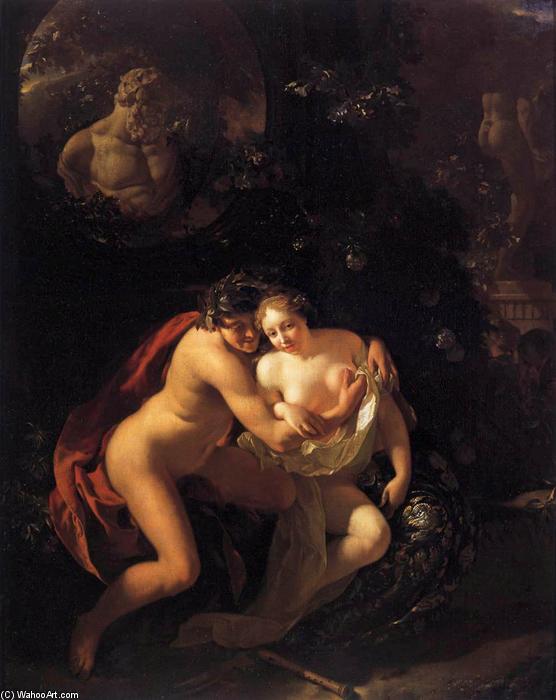
Amorous Couple Spied upon by Children
 Acrylic On Canvas
- WallArt
- Baroque Dutch Painting
 1694
1694 37.0 x 30.0 cm
 Rijksmuseum
 Pročitaj više
Giclee štampa / Umetnički otisak
Giclée štampa ili print na platnu muzejskog kvaliteta uz brzu proizvodnju i fleksibilne opcije završne obrade. ( Kupi ručno naslikanu sliku Kupi digitalnu sliku)




P118B $10

P118H $10

P118W $10

P438Z $10

P508JH $12

P508YH $12

P805H $10

P805Z $10

P919BZ $10

P919G $10

P919XJ $10

P959ZH $10

P968JZ $12

W106C $8

W218G $10

W218JH $8

W218Y $10

W307PJ $10

W316G $10

W316PJ $8

W316Y $10

W398PJ $8

W4111J $10

W500HY $15

W500JH $15

W692G $12

W849H $8

W940BG $15

W953PJ $8




Izaberite jednu od naših unapred definisanih veličina koje odgovaraju originalnim proporcijama umetničkog dela.

Možete uneti sopstvene dimenzije kako biste umetničko delo prilagodili specifičnom okviru ili prostoru. Ako odabrani format ne odgovara proporcijama originalne slike, mi ćemo ili iscrtati deo dela ili proširiti sliku pomoću ogledane ivice ili jednobojnog popunjavanja. Digitalni prikaz će vam biti poslat na odobrenje pre početka proizvodnje.
Imajte na umu da pregled na ekranu ne odražava stvarno iscrtavanje ili proširivanje. Samo će prikaz (mockup) precizno pokazati finalnu kompoziciju.
Iako su prilagođene dimenzije dostupne, preporučujemo da odaberete dimenziju sa unapred definisane liste kako biste očuvali originalne proporcije.
Dostava širom sveta () za 2 nedelje umesto uobičajenih 4/5 nedelja. (3 септембар)

Besplatna ekspresna dostava širom sveta

Visokokvalitetno laneno platno

Kompletno osiguranje transporta

Garancija povraćaja carine i uvoznih dažbina

Garancija vernosti boja

Politika povrata u roku od 60 dana (samo u slučaju nedostataka)

Garancija povrata novca od 100%

Popust pri grupnoj kupovini
 Opcija sa staklom dostupna je samo za dimenzije manje od 110 cm

Amorous Couple Spied upon by Children
Giclee štampa / Umetnički otisak
Dimenzije reprodukcije
-


Konačna cena
$ 62
A Window into Private Moments: Adriaen van der Werff’s “Amorous Couple Spied upon by Children”
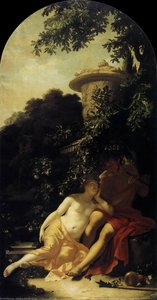
Adriaen van der Werff's "Amorous Couple Spied upon by Children," painted in 1694, is more than just a portrait; it’s a delicately observed slice of life, brimming with subtle tension and a touch of mischievous delight. This captivating work, currently residing within the Rijksmuseum’s collection in Amsterdam, offers a rare glimpse into the intimate world of courtship and the playful observation of societal boundaries. Van der Werff, a master of Dutch Baroque painting, expertly balances sensuality and restraint, creating an image that simultaneously invites and subtly deflects our gaze.
The scene unfolds within a modestly furnished room – a couch dominates the space, suggesting a comfortable domestic setting – punctuated by carefully placed details: two potted plants, a testament to the burgeoning interest in naturalism during this period, and the subtle suggestion of classical statuary hinting at an idealized past. The central focus is undeniably the couple, locked in a passionate embrace. The woman, her hand resting possessively on the man’s neck, embodies a quiet intensity, while his gaze suggests both vulnerability and ardent desire. Van der Werff's skill lies not just in capturing their physical likeness but also in conveying the unspoken language of attraction – the tilt of a head, the curve of an arm, the shared intimacy of their connection.
The Intriguing Presence of Childhood Observation
However, this scene isn’t entirely private. A group of children, positioned discreetly behind a low couch, observe the couple with wide-eyed curiosity and a hint of playful intrusion. Their presence immediately injects an element of narrative complexity into the painting. Are they innocent observers, simply enjoying a stolen moment? Or do they represent a subtle critique of societal norms, suggesting that even in the most intimate spaces, one cannot entirely escape scrutiny? The children’s positioning is deliberate; they are not directly involved but act as silent witnesses to a private drama.
The artist masterfully uses light and shadow – a hallmark of Baroque painting – to heighten the emotional impact. A warm, diffused glow illuminates the couple, drawing attention to their embrace while casting subtle shadows that hint at hidden desires and unspoken anxieties. The children are rendered in slightly cooler tones, emphasizing their youthful innocence and detachment from the passionate drama unfolding before them. This contrast further underscores the painting’s central theme: the tension between private intimacy and public observation.
A Masterclass in Dutch Baroque Technique
Van der Werff's technical prowess is evident throughout “Amorous Couple Spied upon by Children.” His meticulous attention to detail—the texture of fabrics, the rendering of skin tones, the subtle nuances of expression—is remarkable. He employs a sophisticated use of chiaroscuro, creating dramatic contrasts between light and shadow that add depth and realism to the scene. The brushstrokes are smooth and controlled, contributing to the painting’s overall sense of elegance and refinement.
The composition itself is carefully considered. The figures are arranged in a balanced and harmonious manner, with each element contributing to the overall narrative. The use of perspective creates a sense of depth and realism, drawing the viewer into the scene. Van der Werff’s ability to seamlessly blend observation with artistic interpretation elevates this painting beyond a simple depiction of a couple; it becomes a poignant meditation on human nature, desire, and the complexities of social interaction.
Symbolism and Historical Context
Painted in 1694, “Amorous Couple Spied upon by Children” reflects the prevailing cultural attitudes towards love, courtship, and family life during the Dutch Golden Age. While overt displays of passion were often frowned upon, discreet expressions of affection were considered acceptable – particularly within the confines of marriage. The painting subtly acknowledges this social constraint while simultaneously celebrating the enduring power of human desire.
Furthermore, the inclusion of children adds a layer of symbolic meaning. Children represent innocence, vulnerability, and the future—a reminder that even in moments of intense passion, there is always a sense of continuity and hope. The painting’s popularity during Van der Werff's lifetime suggests that it resonated deeply with audiences who appreciated its nuanced portrayal of human relationships and its skillful execution.
A Timeless Appeal for Collectors and Designers
“Amorous Couple Spied upon by Children” remains a captivating work of art, offering a timeless appeal to collectors, interior designers, and anyone interested in the complexities of human emotion. Its delicate balance of sensuality, intrigue, and social commentary ensures its continued relevance in the 21st century. Reproductions of this masterpiece provide an exquisite addition to any collection or space, inviting viewers to contemplate the enduring mysteries of love, observation, and the quiet dramas that unfold within our everyday lives.
Srodna umetnička dela


Biografija umetnika
Majstor pedantne gracioznosti: Život Adrijena van der Verfa
U veličanstvenom tapiseriji holandskog zlatnog doba, malo je niti koje blistaju sa toliko ispoliranog sjaja kao delo Adrijena van der Verfa. Rođen u Hagu 1659. godine, Van der Verf je proizašao iz loze umetničkog talenta; kao sin slikara, rano i intimno je upoznao nijanse svetlosti i forme. Njegove formativne godine oblikovalo je rigorozno podučavanje Eglona van der Neera, majstora kostima i draperija čiji se uticaj i danas vidi u izvrsnim, svilenkastim teksturama koje definišu Van derfove kasnije kompozicije. Ova rana obuka usadila mu je posvećenost preciznosti, pretvarajući njegovu četkicu u instrument sposoban da zabeleži najosetljivije prelaze kože i tkanine.
Kako je njegova karijera napredovala, Van der Verf je prevazišao čistu tehničku veštinu kako bi postigao nivo psihološke dubine koji je očarao evropsko plemstvo. Zajedno sa svojim bratom i učenikom, Pieterom van der Verfom, osnovao je moćan studio u Roterdamu. Njegov uspon unutar umetničke zajednice obeležilo je vođstvo nad esnadom Svetog Luke, pozicija od neizmernog prestiža koja mu je omogućila da privuče pažnju najuticajnijih pokrovitelja tog doba. Njegovo delo postalo je most između grubog realizma ranijih holandskih majstora i rafiniranih, elegantnih senzibiliteta koji su nagoveštavali razvoj rokokoskog pokreta.
Simfonija svetlosti i mita
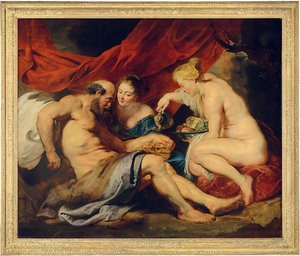
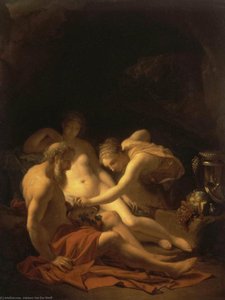
Prava magija Van derfovog opus leži u njegovoj sposobnosti da oživljava mitološke i biblijske narative antike. On nije samo ilustrovao priče; on ih je režirao sa dramskom intenzitetom koji je koristio kjaroskuro kako bi izazvao duboke emocije. U delima kao što je 'Lot i njegove kćeri', može se svedočiti majstorstvu igre senki i svetlosti, gde svaki treptaj sveće služi da pojača napetost i simboličku težinu scene. Njegova platna često služe kao prozori u svet klasične elegancije, gde je ljudska figura prikazana sa porcelanskim savršenstvom koje deluje istovremeno eterično i opipljivo prisutno.
Njegov tehnički repertoar bio je izuzetno raznolik, omogućavajući mu da se kreće između različitih načina portretiranja i narativnog slikarstva:
- Mitološki veličanstvenost: Njegovi prikazi bogova i heroja često su koristili monumentalne kompozicije kako bi preneli moć i gracioznost.
- Žanrovsko slikarstvo i grupacije: Delove kao što je 'Deca koja se igraju ispred grupe Herkul odlikuje sposobnost spajanja porodične nežnosti sa impresivnim prisustvom klasične skulpture, stvarajući slojeviti narativ susreta nevinosti i antike.
- Intimni portreti: U delima poput njegovog 'Autoportreta', pokazao je nepokolebljivu iskrenost, beležeći samopouzdanje i karakter subjekta kroz pedantne detalje.
Nasleđe i istorijski značaj
Domet Adrijena van der Verfa protezao se daleko izvan granica Holandije. Njegova reputacija "finog slikara" donela mu je pokroviteljstvo najviših slojeva evropskih kraljevskih porodica, uključujući Јohana Vilijama, elektora palatinskog, i slavnu Anu Mariju Luisu de' Medici. Poručivanje monumentalnih dela za florentinski dvor stoji kao svedočanstvo njegovog statusa međunarodne figure barokne ere. Njegova sposobnost da zadovolji sofisticirani ukus porodice Medici učvrstila je njegovo nasleđe umetnika koji je umeo da spoji severnu preciznost sa južnom elegancijom.
U konačnici, značaj Van der Verfa leži u njegovoj ulozi tranzicionog umetnika. On je uzeo temeljne elemente holandskog realizma — opsesiju teksturom, svetlošću i istinom — i uzdigao ih u rafiniran, dvorski jezik koji će uticati na putanju umetnosti 18. veka. Iako je era velikih holandskih majstora na kraju ustupila mesto novim pokretima, luminozni, ispolirani svet koji je stvorio Van der Verf ostaje trajni spomenik vrhuncima barokne umetničke izvedbe.
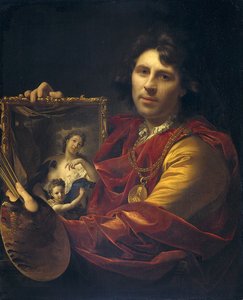
Adrijen Van Der Verf
1659 - 1722 , Holandija
Osnovne informacije
- Artistic Movement Or Style: Barok
- Artists Or Movements Influenced By This Artist: ['Holandski majstori']
- Artists Who Influenced This Artist: ['Eglon van der Neer']
- Date Of Birth: Hag, Holandija (1659)
- Date Of Death: 1722
- Full Name: Adriaen van der Werff
- Nationality: Holandski
- Notable Artworks:
- SVETA MADALENA MEDITUJUĆA U USAMLJENOSTI
- ADAM I EVA
- SARA PREDSTAVLJA AGAR ABRAHAMU
- Place Of Birth: Hag
Povezani članci

Dutch Baroque Masters: 10 Paintings That Shaped an Era | ArtsDot
Journey through the Golden Age with our guide to the Top 10 Dutch Baroque masterpieces! Explore iconic paintings by Rembrandt, Vermeer & Frans Hals. Find museum-quality art reproductions and elevate your home decor at ArtsDot.com.

Golden Age Reflections: Dutch Baroque Painting & Cultural Innovation
Explore the Dutch Golden Age of painting! Discover key artists like Vermeer & ter Borch, their innovative techniques, and the rich cultural context behind these Baroque masterpieces. Learn about collecting & appreciating this iconic art period.

Barok Majstor dela: Top 10 Umjetničkih Remeka za Vaš Dom
Otkrijte 10 remek dela koja su definisala baroknu umetnost! Karavagio, Bernini i više – istražite priče iza ovih ikoničnih slika. Inspiracija za vaš dom? Pogledajte kolekciju na ArtsDot.com!

Барокна драма: Уношење величине и емоција у савремене ентеријере
Откријте барокну драму и унесите величину у ваш ентеријер! ArtsDot нуди ручно насликане репродукције, персонализоване портрете и стручне консултације за љубитеље класичне уметности. Потражите савршено дело већ данас!

Zlatno doba Holandske umetnosti: Top 10 remek dela za vaš dom
Otkrijte remek dela Holandskog zlatnog doba! Uronite u svet Rembrandta, Vermeera i drugih majstora. 10 ikoničnih slika koje su definisale umetnost. Inspiracija za vaš dom i kolekciju - ekskluzivne reprodukcije na ArtsDot.com!