

 Pregledaj u prostoru
 Pošalji
 Podeli
 Detalji o delu

 Преузми
 Slični predmeti
 Rendgenski snimak
 Slajdovi
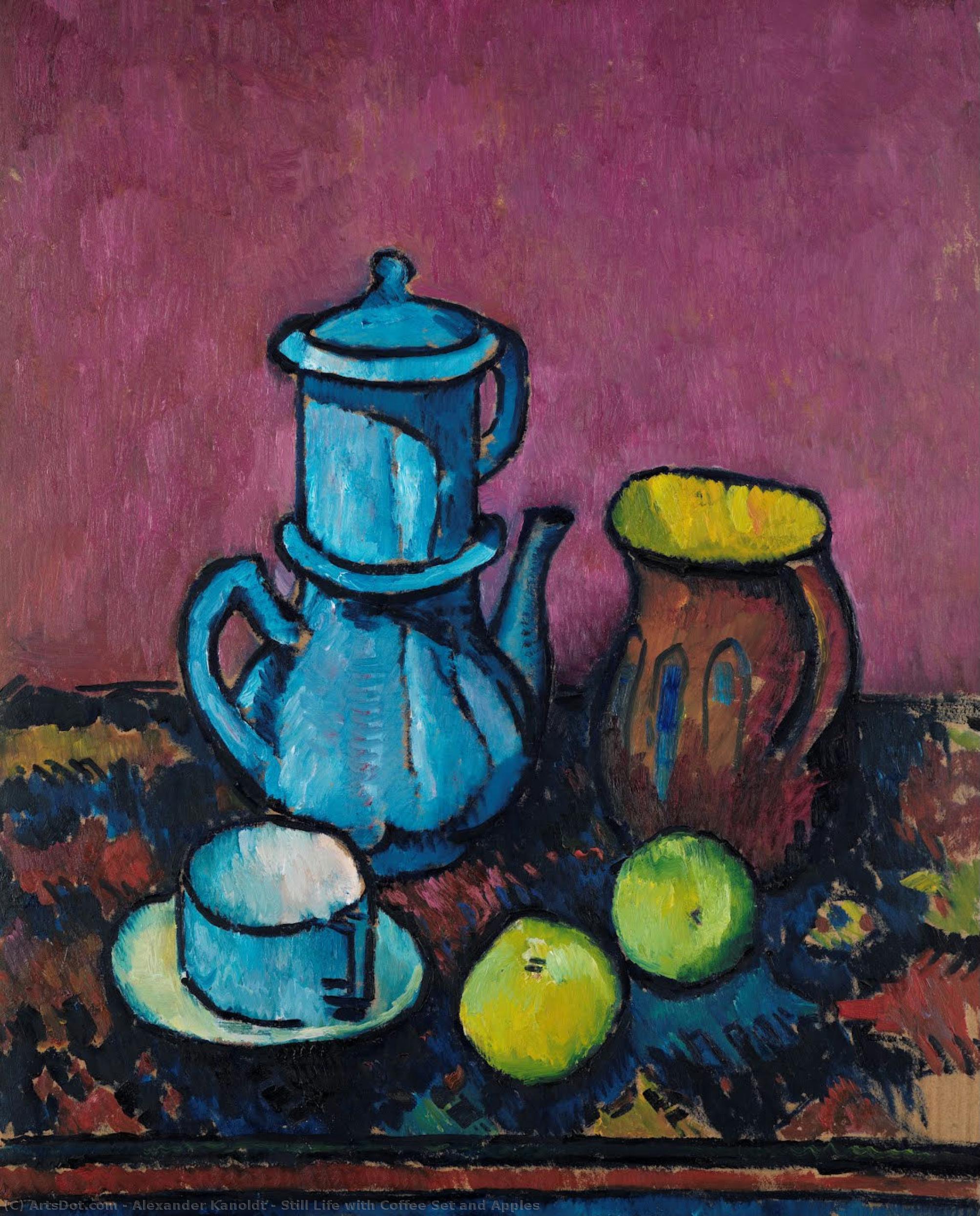
Still Life with Coffee Set and Apples


 Pročitaj više
Kupite digitalnu sliku visoke rezolucije i poboljšanog kvaliteta, koja je znatno superiornija od onoga što vidite u online prikazu.
Svaka datoteka je pedantno pripremljena od strane naših stručnjaka koristeći napredne alate i profesionalnu ručnu retušu. Osiguravamo da svaka slika ima izuzetnu oštrinu, preciznu reprodukciju boja i fine detalje.
Konačna datoteka se dostavlja putem e-pošte u roku od 72 sata, optimizovana za neposrednu upotrebu u profesionalnim, izdavačkim i štamparskim okruženjima. To je isti kvalitet kojem veruju vrhunski studiji dizajna, izdavači i galerije.
Digitalna slika
Preuzmite datoteku visoke rezolucije za ličnu upotrebu, štampanje i kreativne projekte. ( Kupi print Kupi ručno naslikanu sliku)
Uključeno uz svaku porudžbinu digitalne slike
Profesionalna digitalna isporuka, zagarantovana
Kada odaberete ArtsDot.com, ne dobijate samo sliku – vi primate profesionalno unapređeno digitalno umetničko delo, izrađeno sa najvećom preciznošću i uz garanciju zadovoljstva. Evo svega što automatski dolazi uz vašu porudžbinu:

Brza dostava putem e-pošte
Vaša digitalna slika visoke rezolucije biće vam poslata putem e-pošte u roku od 72 sata od poručivanja – spremna za trenutnu upotrebu.

Digitalna datoteka unapređena veštačkom inteligencijom
Vaše umetničko delo je profesionalno optimizovano korišćenjem naprednih AI alata i ručne obrade, čime se osiguravaju maksimalni detalji, oštrina i preciznost boja.

Besplatna ponovna isporuka doživotno
Slučajno ste obrisali ili izgubili svoju datoteku? Ne brinite – poslaćemo vam je ponovo u bilo kom trenutku, potpuno besplatno.

Bez troškova uvoza – zauvek
Uživajte u svojim umetničkim delima trenutno, bez carine, dažbina ili troškova dostave – digitalni download je uvek bez poreza.

Garancija vernosti boja
Uz pomoć profesionalnih alata i upravljanja bojama, osiguravamo da vaša digitalna slika što vernije odražava originalne boje.

Garancija zadovoljstva u roku od 60 dana
Ako niste zadovoljni svojom digitalnom slikom, revidirat ćemo je ili vratiti 100% novca u roku od 60 dana – bez ikakvih pitanja.

100% garancija povrata novca
Niste zadovoljni? Obezbedite pun povrat novca u roku od 60 dana od trenutka kada ste primili svoju digitalnu datoteku – bez suvišnih pitanja.

Popusti na velike porudžbine
Kupite 3 slike, uštedite 10% - Kupite 5 slika, uštedite 15% - Kupite 10+ slika, uštedite 20%. Odlično za kreativne projekte, galerije i agencije.
Opis kolekcionarskog dela
A Quiet Symphony of Form and Color
In the serene stillness of Alexander Kanoldt’s Still Life with Coffee Set and Apples, time appears to hold its breath. Created in 1910, this evocative masterpiece invites the viewer into a private, meditative moment, where the mundane objects of daily life are elevated to the realm of the extraordinary. The composition is anchored by a striking blue coffee pot and matching teapot, their smooth, glazed surfaces catching a soft, diffused light that seems to emanated from within the canvas itself. Scattered around these central vessels, bright apples provide rhythmic pops of color, their organic curves contrasting beautifully with the structured elegance of the ceramicware. A delicate vase sits nestled in the mid-ground, adding a layer of depth and architectural stability to the arrangement, while small cups are placed with a deliberate, almost musical precision across the tabletop.
The painting serves as a profound testament to Kanoldt’s mastery of Magic Realism and his connection to the New Objectivity movement. Unlike the frenetic energy of many of his contemporaries in the avant-garde circles of Munich, Kanoldt possessed a unique ability to imbue stillness with a sense of latent energy. His technique is characterized by a meticulous attention to form and a controlled use of color that avoids excessive ornamentation. Every brushstroke serves to define the weight and volume of the objects, creating a tactile reality that feels both hyper-real and dreamlike. The interplay between the cool blues of the porcelain and the warm, earthy tones of the fruit creates a visual harmony that is both soothing and intellectually stimulating, making it an ideal centerpiece for a sophisticated interior.
Historical Resonance and Artistic Legacy
To understand this work is to understand the turbulent yet transformative era of early 20th-century German art. Having moved to Munich in 1908, Kanoldt was immersed in a world of radical experimentation alongside legends like Kandinsky and Jawlensky. Yet, while others sought to dissolve form into pure abstraction, Kanoldt found his voice by refining it. This still life reflects that tension—a commitment to the tangible world even as the boundaries of modern art were being redrawn. The painting captures a sense of order and permanence that would soon be challenged by the shifting political landscapes of Europe, lending the work a poignant, nostalgic quality.
For the discerning collector or interior designer, this reproduction offers more than mere decoration; it offers an atmosphere of contemplative luxury. The piece possesses a timeless quality that allows it to integrate seamlessly into both classical and contemporary settings. Whether placed in a sunlit breakfast nook to evoke morning tranquility or in a formal study to provide a focal point of quiet strength, the artwork commands attention through its subtle complexity. It is a window into a moment of perfect equilibrium, a celebration of the beauty found in the silent, structured elegance of the everyday.
Srodna umetnička dela
Biografija umetnika
Early Life and Artistic Training
Alexander Kanoldt was born in Karlsruhe, Germany, on September 29, 1881, into a family steeped in artistic tradition. His father, Edmond Kanoldt, himself a painter of the Nazarene style—a movement characterized by its devotional imagery and meticulous realism—provided him with an early exposure to visual art and instilled within him a profound appreciation for craftsmanship. This familial influence would prove pivotal in shaping Kanoldt’s own artistic trajectory. Following his formative years at Karlsruhe Academy of Fine Arts, he relocated to Munich in 1908, where he immersed himself in the vibrant intellectual milieu of the burgeoning avant-garde scene. It was here that he encountered luminaries such as Alexei Jawlensky and Wassily Kandinsky—artists who championed radical experimentation and challenged conventional artistic norms—and Gabriele Münter, establishing connections that would propel him into the heart of the Neue Sezession (New Secession).Membership in Neue Sezession and Initial Influences
Kanoldt’s involvement with Neue Sezession in 1913 marked a decisive turning point in his artistic development. Alongside Jawlensky and Kandinsky, he actively participated in debates concerning the direction of modern art, advocating for a stylistic approach that blended expressive abstraction with meticulous observation—a hallmark of what would become known as New Objectivity (Neue Sachlichkeit). The movement’s core tenets centered on confronting reality unflinchingly, rejecting sentimentalism and prioritizing clarity of form and precise rendering. Early influences included Henri Matisse's bold color palettes and Georges Braque’s pioneering explorations of Cubist principles, particularly the fragmentation of objects and the simultaneous depiction of multiple viewpoints—techniques that Kanoldt skillfully adapted to his own distinctive style.World War I and Stylistic Evolution
The outbreak of World War I in 1914 profoundly impacted Kanoldt’s life and artistic pursuits. He enlisted in the German army, serving bravely until 1918, during which time he honed his observational skills and deepened his understanding of spatial relationships. Returning from the war, Kanoldt's still lifes began to reflect the influence of artists like Pablo Picasso and Georges Braque, incorporating Cubist ideas—such as geometric simplification and multiple perspectives—into his compositions. However, unlike many of his contemporaries who embraced Expressionism’s emotive intensity, Kanoldt maintained a rigorously controlled aesthetic, prioritizing accuracy and detail above all else.The Magic Realist Style and Recurring Themes
By the early 1920s, Kanoldt established the style for which he is most celebrated: a mesmerizing blend of Magic Realism and New Objectivity. This distinctive approach involved depicting commonplace objects—pots plants, tins, fruit, mugs—on tabletops with astonishing precision, capturing subtle nuances of light and texture. Simultaneously, he explored geometrical landscapes, presenting them in austere compositions that emphasized geometric forms and spatial clarity. Recurring themes throughout his oeuvre included solitude, contemplation, and a fascination with the materiality of everyday life—subjects rendered with unwavering seriousness and imbued with an understated beauty.Later Career and Recognition
Kanoldt’s academic career began in 1925 when he was appointed professor at Breslau Academy (now Wrocław University), where he continued to teach until 1931. During this period, tensions arose between Kanoldt and the Bauhaus faction at the academy regarding artistic priorities—a clash that mirrored broader divisions within the German avant-garde. Despite facing increasing opposition from the Nazi regime in 1933, Kanoldt attempted to navigate the political landscape by adopting a Romantic style, albeit one that remained rooted in his uncompromising commitment to formal integrity. Tragically, many of his artworks were seized during Kristallnacht (Night of Broken Glass) in 1937 as “degenerate art,” marking a devastating blow to his artistic legacy. He died in Berlin in January 1939, leaving behind a body of work that continues to captivate viewers with its remarkable clarity and evocative stillness—a testament to Kanoldt’s enduring contribution to German Art History.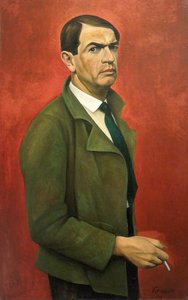
Alexander Kanoldt
1881 - 1939
Kratke činjenice
- Artistic Movement Or Style: Magic Realism
- Artists Or Movements Influenced By This Artist: ['Cubism']
- Artists Who Influenced This Artist:
- Edmond Kanoldt
- Derain
- Date Of Birth: September 29, 1881
- Date Of Death: January 24, 1939
- Full Name: Alexander Kanoldt
- Nationality: German
- Notable Artworks:
- Factory behind Trees
- Large Still Life with Jugs and a Red Tea Caddy
- Place Of Birth: Karlsruhe, Germany

