

 Pregledaj u prostoru
 Pošalji
 Podeli
 Detalji o delu

 Преузми
 Slični predmeti
 Rendgenski snimak
 Slajdovi
 Statistika
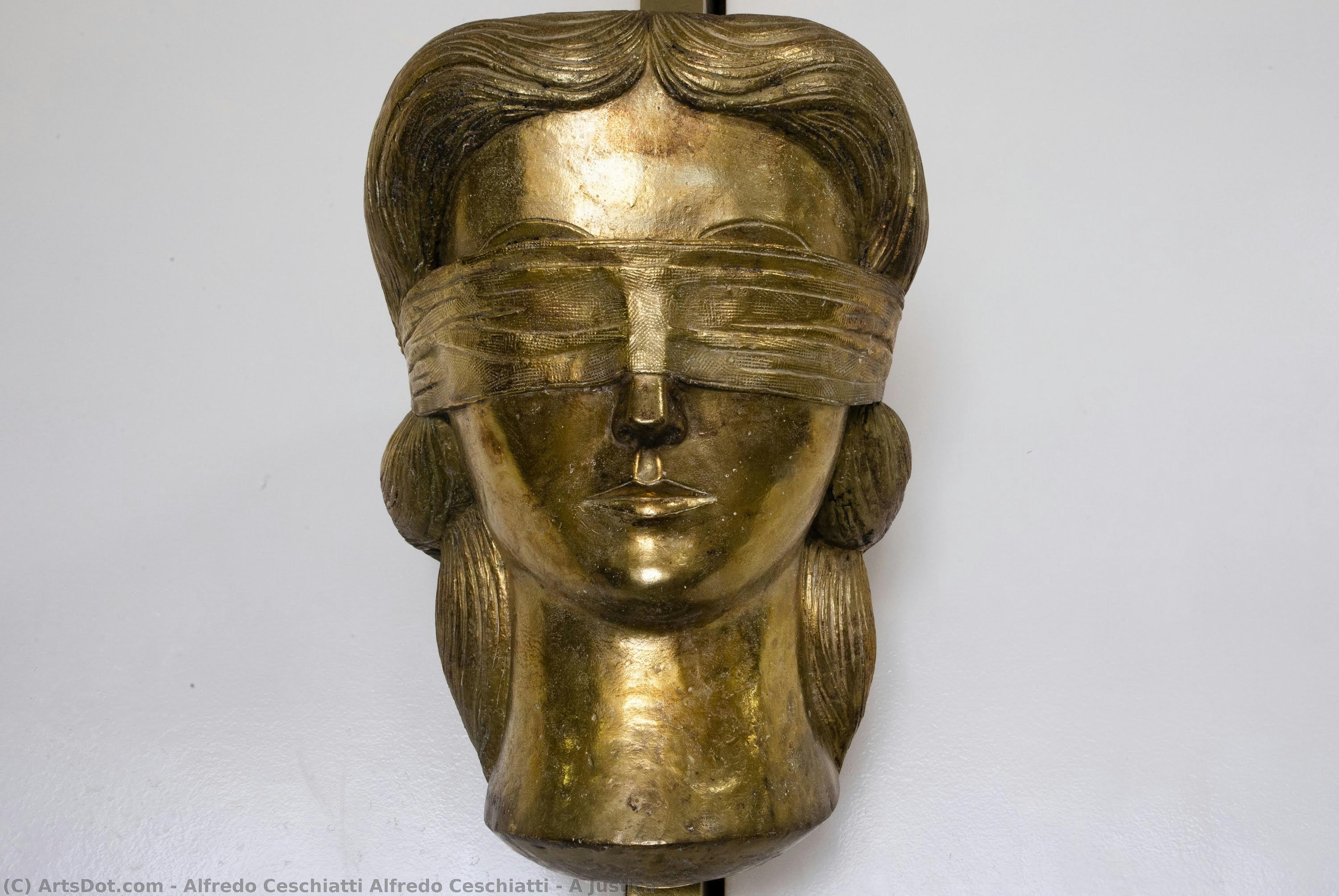
A Justiça
 1975
1975 70.0 x 60.0 cm
 Музей Вищого Суду Федерації
 Pročitaj više
Giclee štampa / Umetnički otisak
Giclée štampa ili print na platnu muzejskog kvaliteta uz brzu proizvodnju i fleksibilne opcije završne obrade. ( Kupi ručno naslikanu sliku Pređi na digitalnu sliku)




































Izaberite jednu od naših unapred definisanih veličina koje odgovaraju originalnim proporcijama umetničkog dela.

Možete uneti sopstvene dimenzije kako biste umetničko delo prilagodili specifičnom okviru ili prostoru. Ako odabrani format ne odgovara proporcijama originalne slike, mi ćemo ili iscrtati deo dela ili proširiti sliku pomoću ogledane ivice ili jednobojnog popunjavanja. Digitalni prikaz će vam biti poslat na odobrenje pre početka proizvodnje.
Imajte na umu da pregled na ekranu ne odražava stvarno iscrtavanje ili proširivanje. Samo će prikaz (mockup) precizno pokazati finalnu kompoziciju.
Iako su prilagođene dimenzije dostupne, preporučujemo da odaberete dimenziju sa unapred definisane liste kako biste očuvali originalne proporcije.
Dostava širom sveta () za 2 nedelje umesto uobičajenih 4/5 nedelja. (8 септембар)

Besplatna ekspresna dostava širom sveta

Visokokvalitetno laneno platno

Kompletno osiguranje transporta

Garancija povraćaja carine i uvoznih dažbina

Garancija vernosti boja

Politika povraćaja u roku od 100 dana (isključivo u slučaju nedostataka)

Garancija povrata novca od 100%

Popust pri grupnoj kupovini
 Opcija sa staklom dostupna je samo za dimenzije manje od 110 cm

A Justiça
Giclee štampa / Umetnički otisak
Dimenzije reprodukcije
-


Konačna cena
$ 62
Srodna umetnička dela





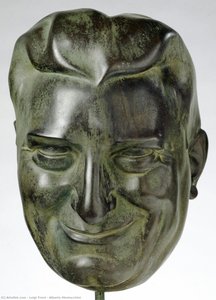
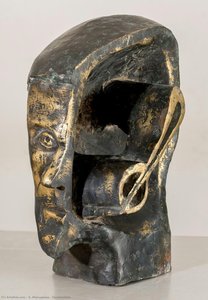
Biografija umetnika
The Sculptural Soul of Brazilian Modernism
Alfredo Ceschiatti stands as a monumental figure in the landscape of 20th-century Brazilian art, a sculptor whose hands breathed life into stone and bronze to capture the very essence of modern identity. Born in Belo Horizonte in 1918 to Italian parents, his early years were shaped by a rich cultural heritage that would later inform his profound connection to classical beauty and avant-garde experimentation. His journey was one of constant movement and intellectual expansion; a pivotal voyage to Italy in the late 1930s allowed him to encounter the enduring majesty of Renaissance art, an experience that instilled in him a lifelong reverence for form, proportion, and the timeless dialogue between humanity and materiality.
Upon returning to Brazil, Ceschiatti sought to synthesize these European influences with the burgeoning spirit of Brazilian modernism. His studies at the National School of Fine Arts in Rio de Janeiro provided the technical foundation necessary to translate complex emotions into physical mass. It was during this formative period that he began to develop a signature language—one characterized by an understated elegance and a meticulous, almost poetic, attention to detail. Whether working in the delicate relief of a bas-relief or the commanding presence of high-relief, his work consistently sought to explore themes of femininity, spirituality, and the intricate threads of human connection.
A Symbiosis of Architecture and Form
Perhaps the most defining chapter of Ceschiatti’s career was his transformative collaboration with the legendary architect Oscar Niemeyer. This partnership was far more than a professional arrangement; it was a profound meeting of minds that helped define the aesthetic of the Pampulha Modern Ensemble in Belo Horizonte. As Niemeyer reimagined the possibilities of space and concrete, Ceschiattend provided the sculptural soul for these architectural marvels. His work on the Church of Saint Francis of Assisi, particularly his awarded bas-reliefs for the baptistery, demonstrated a masterful ability to integrate art into the very fabric of structural design.
This era also saw the creation of some of his most provocative and enduring works. The sculpture O Abraço, depicting two embraced women, became a symbol of both artistic triumph and social tension, as its perceived sensuality challenged the conservative norms of the time. Such pieces highlight Ceschiatti’s fascination with the female figure—a motif that recurs throughout his oeuvre as a vessel for grace and narrative complexity. His ability to manipulate medium and scale allowed him to contribute significantly to the monumental landscapes of Brazil, from the Alvorada Palace in Brasília to the historic corridors of the Itamaraty Palace.
Legacy and Artistic Significance
The breadth of Ceschiatti’s contribution extends far beyond individual monuments; he was a vital educator and a cornerstone of the Brazilian art community. As a professor of sculpture and drawing at the University of Brasília, he helped nurture the next generation of artists, passing on a legacy of technical rigor and creative courage. His works have been celebrated in prestigious venues such as the International Biennial of São Paulo and the MASP, ensuring that his vision remains a permanent fixture in the global art historical canon.
Today, the significance of Alfredo Ceschiatti lies in his ability to bridge the gap between the classical past and the modernist future. His sculptures do not merely occupy space; they command it, inviting viewers to contemplate the delicate balance between strength and vulnerability. Through his mastery of bronze, granite, and stone, he left behind a testament to the enduring power of the human form, cementing his place as one of the most influential sculptors of the Brazilian modernist movement.
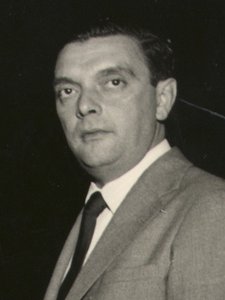
alfredo ceschiatti alfredo ceschiatti
1918 - 1989 , Brazil
Osnovne informacije
- Artistic Movement Or Style: Modern Brazilian Art
- Artists Or Movements Influenced By This Artist: ['Architectural Ensemble Pampulha']
- Artists Who Influenced This Artist: ['Oscar Niemeyer']
- Date Of Birth: September 1, 1918
- Date Of Death: August 25, 1989
- Full Name: Alfredo Ceschiatti
- Nationality: Brazilian
- Notable Artworks:
- O Abraço
- Figura feminina
- Santa nossa senhora da conceição
- Place Of Birth: Belo Horizonte, Brazil