

 Pregledaj u prostoru
 Pošalji
 Podeli
 Detalji o delu

 Преузми
 Slični predmeti
 Rendgenski snimak
 Slajdovi
 Statistika
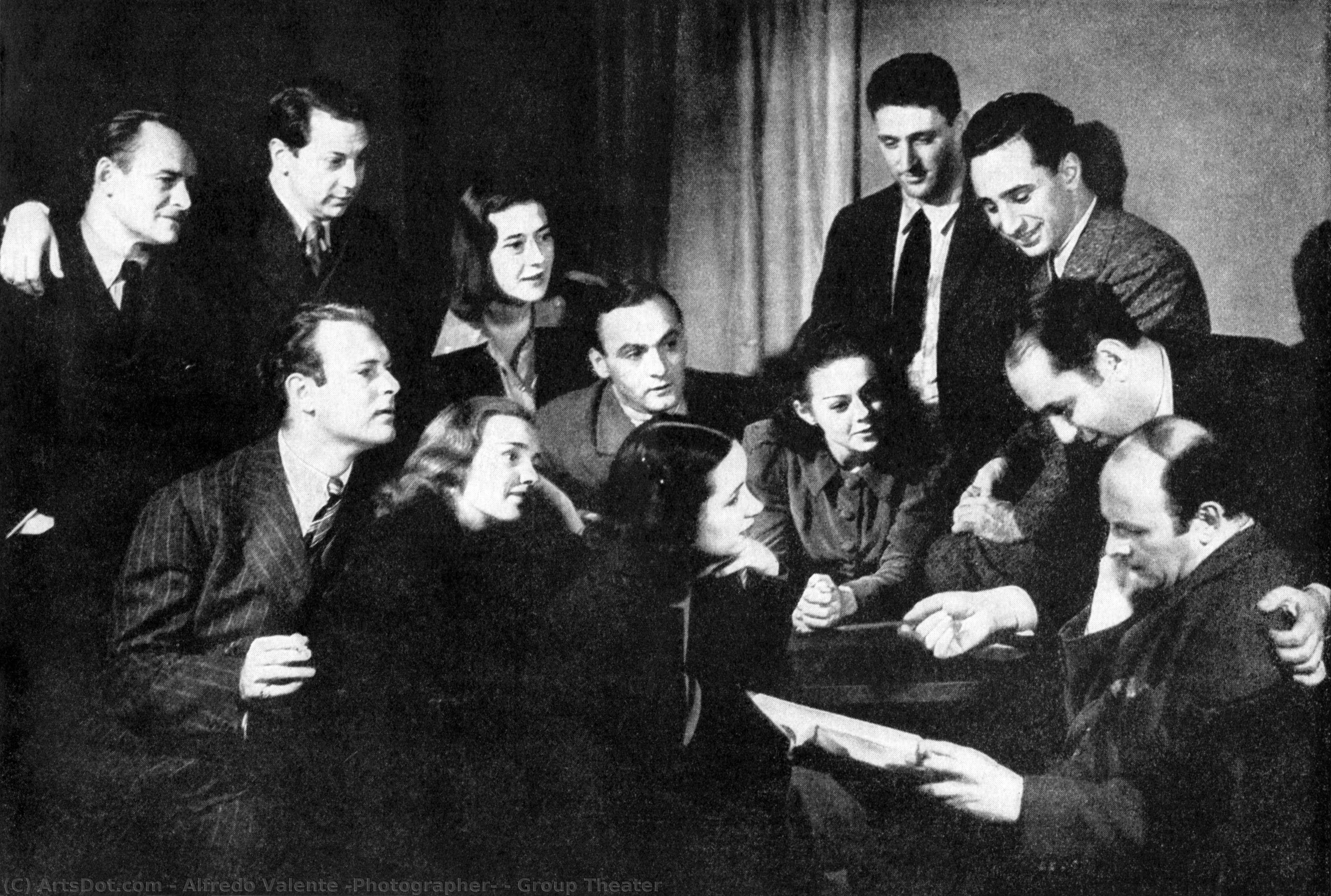
Group Theater


 Pročitaj više
Ručno rađena uljana reprodukcija
Ručno oslikano uljanim bojama na platnu u dimenzijama i okviru po vašem izboru, izrađeno po porudžbini od strane naših umetnika. ( Pređi na štampu Pređi na digitalnu sliku)




































Izaberite jednu od naših unapred definisanih veličina koje odgovaraju originalnim proporcijama umetničkog dela.

Можете унети сопствене димензије како бисте прилагодили дело одређеном оквиру или простору. Ако одабрана величина не одговара пропорцијама оригинала, слика ће бити исечена или проширена додатним елементима који се ручно насликавају. Дигитални prikaz ће вам бити послат на одобрење пре почетка производње.
Имајте на уму да преглед на екрану не одражава стварно исецање или проширење. Само приказ (mockup) ће тачно приказати коначну композицију.
Иако су доступне прилагођене величине, препоручујемо да одаберете димензију из дефинисане листе како бисте сачували оригиналне пропорције.
Nakon narudžbine, tim ArtsDot.com će klijentu putem e-pošte poslati uputstva i dostaviti prikaz predloženog rešenja
Isporuka širom sveta () za 3/4 nedelje umesto uobičajenih 5 nedelja. (10 септембар). Bez kompromisa po pitanju kvaliteta.

Besplatna ekspresna dostava širom sveta

Visokokvalitetno laneno platno

Kompletno osiguranje transporta

Garancija povraćaja carine i uvoznih dažbina

Garancija vernosti boja

Politika povraćaja u roku od 100 dana (isključivo u slučaju nedostataka)

Garancija povrata novca od 100%

Popust pri grupnoj kupovini
 Opcija sa staklom dostupna je samo za dimenzije manje od 110 cm

Group Theater
Tehnika reprodukcije
Dimenzije reprodukcije
-


Konačna cena
$ 263
Srodna umetnička dela








Biografija umetnika
Aaron Douglas: A Voice of the Harlem Renaissance
Aaron Douglas, born in Topeka, Kansas, on May 26, 1899, stands as a monumental figure within the vibrant tapestry of the Harlem Renaissance. More than simply an artist, he was a visual chronicler and passionate advocate for African American experience, skillfully blending elements of African motifs with modern artistic techniques to forge a uniquely powerful voice. His early life, marked by segregation in Kansas and subsequent education at McKinley Elementary and Topeka High School – institutions that offered glimpses of integration amidst the prevailing racial landscape – instilled within him a deep awareness of social justice and the complexities of identity. This formative experience profoundly shaped his artistic vision, driving him to explore themes of struggle, resilience, and cultural heritage. Douglas’s artistic journey began with practical training in glassblowing and foundry work, skills he honed to support himself while pursuing his passion for art. He formally studied at the University of Nebraska-Lincoln and later at the Art Institute of Chicago, absorbing influences from a diverse range of movements including African sculpture, early modernism, and the burgeoning social realism of the era. Crucially, he encountered the work of Claude Monet, whose exploration of light and color ignited within him a desire to capture the essence of nature – not merely its appearance, but also its emotional resonance. This fascination with capturing fleeting moments and subjective perceptions became a cornerstone of his artistic practice.The Rise of an Icon: Early Works and Influences
Douglas’s early career was characterized by a deliberate engagement with the themes central to the Harlem Renaissance. He began producing illustrations for publications like *Opportunity* magazine, showcasing scenes of African American life – from rural landscapes to urban settings – often imbued with a sense of dignity and quiet strength. His work during this period reflects the influence of artists such as Paul Gauguin, whose use of bold colors and simplified forms resonated deeply with Douglas’s own aesthetic sensibilities. Furthermore, he drew inspiration from African art, particularly the stylized figures and geometric patterns found in tribal masks and sculptures, which he incorporated into his compositions to evoke a sense of ancestral connection. The impact of Camille Pissarro's work, specifically his depictions of Parisian street life, is also evident in Douglas’s later paintings, demonstrating an interest in capturing everyday moments with a keen eye for detail and atmosphere.The Power of Narrative: Major Themes and Style
Douglas’s most enduring legacy lies in his powerful narrative paintings, which grapple with the complexities of African American history and experience. Works like *Aspects of Negro Life* (1928) – a series of large-scale murals commissioned for the Chicago Public Library – are particularly significant. These murals depict scenes from the transatlantic slave trade, the Civil War, Reconstruction, and the early 20th century, offering a poignant and unflinching portrayal of the struggles faced by African Americans. His style is characterized by a distinctive blend of realism and symbolism, employing flattened perspectives, bold colors, and simplified forms to convey profound emotional truths. He frequently utilized a limited color palette – often dominated by browns, blacks, and ochres – to create a sense of solemnity and gravitas, while strategically incorporating brighter hues to highlight moments of hope or resistance.Legacy and Historical Significance
Aaron Douglas’s impact extends far beyond the confines of his own artistic output. He served as an art editor for *The Crisis*, the official magazine of the NAACP, a role that allowed him to actively promote African American artists and contribute to the broader cultural discourse surrounding racial equality. His work became a visual manifesto for the Harlem Renaissance, capturing its spirit of creativity, innovation, and social consciousness. While his career was tragically interrupted by World War II service in the U.S. Army Signal Corps, where he served as an illustrator for propaganda posters, Douglas’s legacy continues to resonate today. He is now recognized as one of the most important figures in American art history, a pioneering artist who used his talent to illuminate the experiences and aspirations of African Americans during a pivotal moment in the nation's past. His paintings remain powerful testaments to resilience, cultural pride, and the enduring quest for justice.Further Resources
- National Gallery of Art: Aaron Douglas
- Art UK: Eileen Agar (Relevant for context within the era)
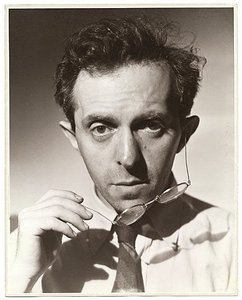
alfredo valente (photographer)
1899 - 1973 , Italy
Osnovne informacije
- Artistic Movement Or Style: Harlem Renaissance
- Artists Or Movements Influenced By This Artist: ['Modernism']
- Artists Who Influenced This Artist:
- Claude Monet
- Eugène Boudin
- Date Of Birth: May 26, 1899
- Date Of Death: 1973
- Full Name: Aaron Douglas
- Nationality: American
- Notable Artworks:
- Saudade
- Funeral
- Signing the Mayflower Compact
- Place Of Birth: Topeka, Kansas, USA