

 Pregledaj u prostoru
 Pošalji
 Podeli
 Detalji o delu

 Преузми
 Slični predmeti
 Rendgenski snimak
 Slajdovi
Salome
 Oil
Oil- WallArt
- Renaissance
 1512
1512- Renaissance
 88.0 x 71.0 cm
 Галерија Уфици
 Pročitaj više
Ručno rađena uljana reprodukcija
Ručno oslikano uljanim bojama na platnu u dimenzijama i okviru po vašem izboru, izrađeno po porudžbini od strane naših umetnika. ( Kupi print Kupi digitalnu sliku)




P118B $10

P118H $10

P118W $10

P438Z $10

P508JH $12

P508YH $12

P805H $10

P805Z $10

P919BZ $10

P919G $10

P919XJ $10

P959ZH $10

P968JZ $12

W106C $8

W218G $10

W218JH $8

W218Y $10

W307PJ $10

W316G $10

W316PJ $8

W316Y $10

W398PJ $8

W4111J $10

W500HY $15

W500JH $15

W692G $12

W849H $8

W940BG $15

W953PJ $8




Izaberite jednu od naših unapred definisanih veličina koje odgovaraju originalnim proporcijama umetničkog dela.

Можете унети сопствене димензије како бисте прилагодили дело одређеном оквиру или простору. Ако одабрана величина не одговара пропорцијама оригинала, слика ће бити исечена или проширена додатним елементима који се ручно насликавају. Дигитални prikaz ће вам бити послат на одобрење пре почетка производње.
Имајте на уму да преглед на екрану не одражава стварно исецање или проширење. Само приказ (mockup) ће тачно приказати коначну композицију.
Иако су доступне прилагођене величине, препоручујемо да одаберете димензију из дефинисане листе како бисте сачували оригиналне пропорције.
Nakon narudžbine, tim ArtsDot.com će klijentu putem e-pošte poslati uputstva i dostaviti prikaz predloženog rešenja
Isporuka širom sveta () za 3/4 nedelje umesto uobičajenih 5 nedelja. (23 август). Bez kompromisa po pitanju kvaliteta.

Besplatna ekspresna dostava širom sveta

Visokokvalitetno laneno platno

Kompletno osiguranje transporta

Garancija povraćaja carine i uvoznih dažbina

Garancija vernosti boja

Politika povrata u roku od 60 dana (samo u slučaju nedostataka)

Garancija povrata novca od 100%

Popust pri grupnoj kupovini
 Opcija sa staklom dostupna je samo za dimenzije manje od 110 cm

Salome
Tehnika reprodukcije
Dimenzije reprodukcije
-


Konačna cena
$ 263
Opis umetničkog dela
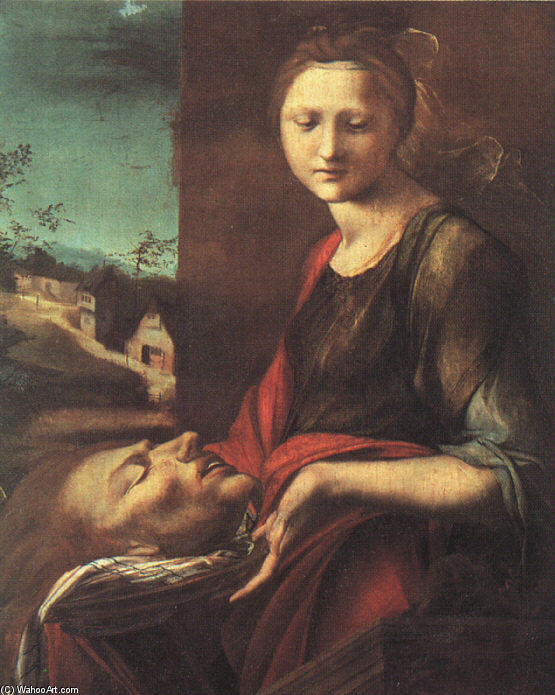
The Allure of Renaissance Drama: Salome by Alonso Gonzalez De Berruguete
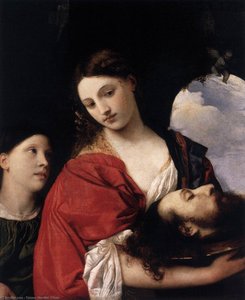
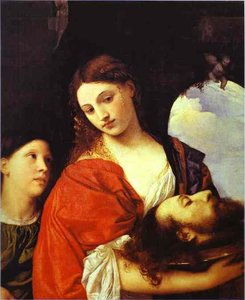
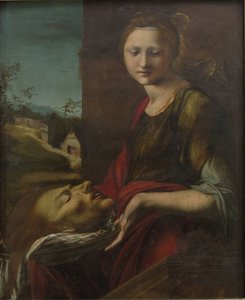
To stand before a depiction such as Salome is to step directly into the charged atmosphere of the Italian Renaissance. This masterpiece, painted in 1512 by the prodigious Spanish artist Alonso González de Berruguete, is far more than just an image; it is a profound meditation on beauty, devotion, and the perilous currents of human desire. The painting captures the dramatic moment where Salome confronts the severed head of John the Baptist, rendering a scene steeped in both exquisite realism and palpable tension.
Berruguete’s command over oil paint allows him to achieve a startling sense of life on canvas. Observe how the light seems to emanate from within the composition itself, catching the folds of Salome's rich red garment and illuminating the pale skin of her contemplation. The meticulous attention paid to naturalistic proportions—a hallmark of Renaissance mastery—gives every figure an almost breathing quality, inviting the viewer into their silent drama.
Mastery in Technique and Form
Technically speaking, this work showcases Berruguete’s incredible skill as a painter who was equally adept at sculpture. The handling of form is breathtaking; the weight of the severed head resting on her lap feels physically present, while the background landscape—with its suggestion of houses and trees beneath a cloudy sky—provides necessary depth without ever distracting from the central narrative drama. Berruguete utilizes chiaroscuro with an expert hand, allowing deep shadows to contrast sharply with brightly lit areas, thereby enhancing the three-dimensionality that makes this piece so captivating.
For those considering bringing such historical grandeur into a modern space, knowing the depth of technique is key. Reproductions of this caliber aim not just for visual likeness, but for replicating the very *feel* of the aged oil paint and the artist's careful layering of color.
Symbolism and Emotional Resonance
The subject matter itself—the story of Salome—is rich with layers of biblical symbolism. It speaks to themes of obedience versus temptation, the cost of desire, and the complex relationship between earthly beauty and spiritual consequence. Salome’s expression, often interpreted as a blend of contemplation or perhaps nascent remorse, draws the viewer into an empathetic space. We are forced to question our own moral compasses while gazing at her downward gaze.
The contrast between the vibrant red of her attire and her fair complexion is not merely decorative; it heightens the emotional charge of the piece. It suggests passion contained, or perhaps passion unleashed. This inherent tension—the beautiful façade masking a profound narrative weight—is what continues to draw art lovers across centuries.
A Piece for the Connoisseur's Collection
Owning a reproduction of Salome by Alonso González de Berruguete is acquiring more than just wall decor; it is curating a piece of cultural history. It speaks to an appreciation for the High Renaissance period, when art served as both devotional guide and intellectual playground. Whether placed in a formal drawing-room where classical gravitas is desired, or within a gallery setting that celebrates historical artistry, this painting commands attention. It offers depth, narrative power, and undeniable aesthetic splendor, making it a timeless centerpiece for any discerning collector.
Srodna umetnička dela

Biografija umetnika
The Soul of Spanish Renaissance Sculpture
Alonso González de Berruguete stands as a monumental figure in the history of Spanish art, recognized primarily for his profound impact on sculpture during the High Renaissance. He was not merely a craftsman; he was an artist who wrestled with theological concepts and translated them into emotionally charged forms that continue to resonate centuries later. Born in Paredes de Nava, Castile, around 1488, Berruguete's artistic journey began under the tutelage of his father, Pedro Berruguete, a respected painter whose lineage provided a foundation steeped in deep artistic tradition. This early exposure to the nuances of light and religious iconography would profoundly shape the creative vision that eventually defined a generation of Spanish art.
Following his father's untimely death in 1504, Berruguete embarked on an ambitious pilgrimage to Italy, driven by an unwavering desire to hone his skills and immerse himself in the burgeoning artistic fervor of Florence and Rome. This formative period witnessed him studying under the shadow of Michelangelo—a mentorship that undeniably influenced his stylistic sensibilities. From the Italian master, he absorbed a mastery of anatomical realism and an expressive dynamism that became the beacon guiding his own explorations into capturing human emotion with unparalleled intensity. His work began to reflect a Mannerist aesthetic, aligning him with contemporaries like Jacopo Pontorno and Rosso Fiorentino, as he prioritized psychological depth and spiritual tension over mere idealized beauty.
Mastery of Form and Emotion
Upon returning to Spain in 1517, Berruguete swiftly ascended the ranks of Charles V’s court, securing the prestigious position of Court Painter and Sculptor. This unparalleled patronage afforded him access to the finest resources, allowing him to dedicate himself wholeheartedly to sculptural endeavors that would redefine Spanish religious art. His ability to manipulate medium—whether wood or stone—to convey divine presence is perhaps best seen in his relief works, such as the Choir-stall (detail) from 1539. In these intricate carvings, he utilized dramatic chiaroscuro and meticulous detail to breathe life into religious narratives, creating a sense of movement that feels almost supernatural.
His paintings, too, possess a haunting, emotive quality that bridges the gap between the earthly and the divine. In works like Salome, housed in Florence’s Uffizi Gallery, one can witness his mastery of poignant realism; the depiction of Salome with the head of John the Baptist is a masterpiece of tension and exquisite detail. Similarly, his Madonna and Child with the Young St John serves as an iconic testament to his ability to depict divine family unity through powerful, emotive facial expressions and graceful, elongated forms that suggest a spiritual transcendence beyond the physical realm.
A Lasting Legacy in Spanish Art
The significance of Alonso González de Berruguete lies in his unique synthesis of Italian Mannerism and Spanish devotional fervor. He did not simply import foreign styles; he transformed them to suit the intense, often somber religious temperament of the Iberian Peninsula. His achievements include:
- The Integration of Michelangelo’s Dynamism: Bringing a new sense of anatomical energy and muscular tension to Spanish sculpture.
- Development of Mannerist Aesthetics in Spain: Pioneering the use of elongated figures and psychological complexity to evoke spiritual awe.
- Mastery of Religious Narrative: Creating altarpieces and reliefs, such as those at Salamanca Cathedral, that served as profound tools for theological reflection.
- Elevation of the Sculptural Craft: Moving Spanish sculpture away from purely decorative traditions toward a high-art form capable of expressing deep human suffering and divine grace.
Through his hands, the cold stone and rigid wood of the Renaissance were imbued with a restless, searching spirit. Berruguete remains a cornerstone of the Spanish High Renaissance, an artist whose work continues to invite viewers into a profound dialogue between the beauty of the human form and the mysteries of the soul.
alonso gonzalez de berruguete
1490 - 1561 , Spain
Osnovne informacije
- Artistic Movement Or Style: Renaissance Sculpture; Mannerism
- Artists Or Movements Influenced By This Artist: André Goujon
- Artists Who Influenced This Artist: Michelangelo
- Date Of Birth: c. 1488
- Date Of Death: 1561
- Full Name: Alonso González de Berruguete
- Nationality: Spanish
- Notable Artworks:
- Adoration of the Magi
- Madonna and Child with the Young St John
- Salome
- Place Of Birth: Paredes de Nava, Spain
Povezani članci
Michelangelo Buonarroti: 25 Remek-dela Renesansnog Genija za Vaš Dom | ArtsDot
Istražite 25 remek-dela Michelangela Buonarottija! Otkrijte priče iza Davida, Pietà i Sikstinske kapele. Reprodukcije slika vrhunskog kvaliteta za luksuzni dekor enterijera. Inspiracija & kupovina na ArtsDot.com

Bronze Sculptures That Defined Art History | ArtsDot
Journey through art history with our Top 10 bronze sculptures! Explore masterpieces by Rodin, Michelangelo & more. Discover stories behind iconic statues and find museum-quality reproductions for your home decor at ArtsDot.com.

Bronze Age to Modern Masters: 10 Sculptures That Redefined Art | ArtsDot
Journey through art history with 10 legendary bronze sculptures – from Michelangelo's David to Rodin’s Thinker. Explore the stories, techniques & timeless beauty of these masterpieces. Find museum-quality reproductions & elevate your home decor on ArtsDot.com.

The Enduring Form: Exploring Themes & Techniques in Sculpture Across Historical Periods
Explore the rich history of sculpture from ancient masterpieces to contemporary innovations. Discover key techniques, influential artists & investment potential for discerning art collectors.
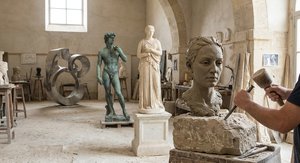
The Enduring Form: Sculpture Across History, Technique & Emotional Resonance
Explore the rich history of sculpture with ArtsDot. Discover key techniques, influential artists & investment potential for discerning collectors. Expert insights into valuing and collecting timeless masterpieces.

