

 Pregledaj u prostoru
 Pošalji
 Podeli
 Detalji o delu

 Преузми
 Slični predmeti
 Rendgenski snimak
 Slajdovi
 Statistika
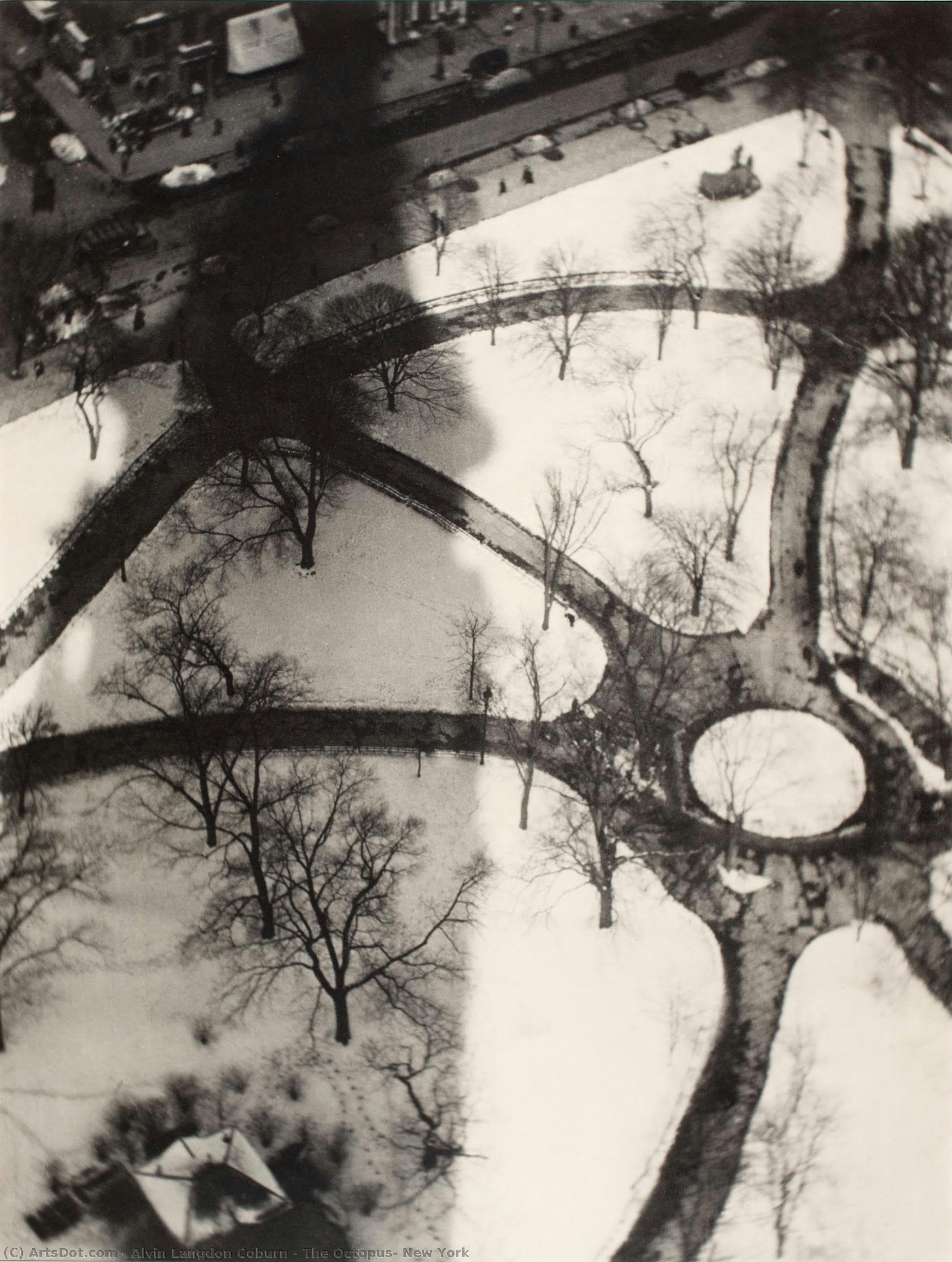
The Octopus, New York


 Pročitaj više
Ručno rađena uljana reprodukcija
Ručno oslikano uljanim bojama na platnu u dimenzijama i okviru po vašem izboru, izrađeno po porudžbini od strane naših umetnika. ( Pređi na štampu Pređi na digitalnu sliku)




P118B $10

P118H $10

P118W $10

P438Z $10

P508JH $12

P508YH $12

P805H $10

P805Z $10

P919BZ $10

P919G $10

P919XJ $10

P959ZH $10

P968JZ $12

W106C $8

W218G $10

W218JH $8

W218Y $10

W307PJ $10

W316G $10

W316PJ $8

W316Y $10

W398PJ $8

W4111J $10

W500HY $15

W500JH $15

W692G $12

W849H $8

W940BG $15

W953PJ $8




Izaberite jednu od naših unapred definisanih veličina koje odgovaraju originalnim proporcijama umetničkog dela.

Можете унети сопствене димензије како бисте прилагодили дело одређеном оквиру или простору. Ако одабрана величина не одговара пропорцијама оригинала, слика ће бити исечена или проширена додатним елементима који се ручно насликавају. Дигитални prikaz ће вам бити послат на одобрење пре почетка производње.
Имајте на уму да преглед на екрану не одражава стварно исецање или проширење. Само приказ (mockup) ће тачно приказати коначну композицију.
Иако су доступне прилагођене величине, препоручујемо да одаберете димензију из дефинисане листе како бисте сачували оригиналне пропорције.
Nakon narudžbine, tim ArtsDot.com će klijentu putem e-pošte poslati uputstva i dostaviti prikaz predloženog rešenja
Isporuka širom sveta () za 3/4 nedelje umesto uobičajenih 5 nedelja. (8 септембар). Bez kompromisa po pitanju kvaliteta.

Besplatna ekspresna dostava širom sveta

Visokokvalitetno laneno platno

Kompletno osiguranje transporta

Garancija povraćaja carine i uvoznih dažbina

Garancija vernosti boja

Politika povraćaja u roku od 100 dana (isključivo u slučaju nedostataka)

Garancija povrata novca od 100%

Popust pri grupnoj kupovini
 Opcija sa staklom dostupna je samo za dimenzije manje od 110 cm

The Octopus, New York
Tehnika reprodukcije
Dimenzije reprodukcije
-


Konačna cena
$ 263
The Octopus – A Study in Quietude and Geometric Precision
Alvin Langdon Coburn’s “The Octopus,” created in 1912, transcends mere photographic documentation; it embodies the spirit of Pictorialism—a movement that championed artistic vision over strict technical reproduction. Captured on platinum paper, a medium known for its tonal richness and subtle gradations, this image presents a deceptively simple scene: a snow-covered park bathed in diffused winter light. Yet, within its stillness lies an intricate layering of compositional elements that speak to Coburn’s profound understanding of photographic aesthetics.- Compositional Harmony: The photograph employs a circular path as its central axis, mirroring the spiral form of the octopus itself—a deliberate reference to the artist's fascination with marine biology and symbolism. This geometric structure lends an air of balance and contemplation to the landscape.
- Platinum Printing Technique: Coburn’s masterful use of platinum printing is crucial to conveying the photograph’s mood. Unlike albumen prints, which rely on harsh contrasts, platinum creates velvety blacks and luminous whites—a technique favored by Pictorialists who sought to emulate oil paintings and achieve tonal subtlety unattainable with conventional methods.
- Light and Atmosphere: The soft, overcast light contributes significantly to the image's serene atmosphere. Coburn skillfully captures the ephemeral qualities of winter snow, conveying a sense of quiet solitude and understated beauty.
- Metropolitan Museum of Art: The Octopus – Explore detailed information about the artwork’s provenance and artistic significance.
- MoMA: The Octopus – Examine high-resolution images and delve into discussions surrounding Coburn’s stylistic innovations.
- Victoria & Albert Museum: The Octopus, New York - Discover insights into the photograph's history and its place within the broader context of Pictorialist photography.
Srodna umetnička dela



Biografija umetnika
Early Life and the Seeds of Vision
Alvin Langdon Coburn, born in Boston in 1882, emerged into a world rapidly embracing new technologies and artistic expressions. His upbringing, initially secure within a middle-class family—his father establishing the successful shirtmaking firm of Coburn & Whitman—was irrevocably altered by loss when he was just seven years old. The death of his father cast a long shadow, with his mother, Fannie, becoming the central, often dominating, force in his life. Yet, within this shifting familial landscape, a passion ignited that would define his destiny: photography. A 4 x 5 Kodak camera, gifted during a visit to Los Angeles in 1890, wasn’t merely a toy; it was a portal to a new way of seeing, a means of capturing and interpreting the world around him. This nascent talent quickly blossomed under the guidance of his cousin, F. Holland Day, a renowned photographer who recognized Coburn's exceptional aptitude and encouraged his pursuit of photography as more than just a hobby—but as a vocation. Day’s mentorship proved crucial, opening doors to exhibitions and introducing young Coburn to the burgeoning artistic circles of the time.From Pictorialism to the Vanguard
The year 1900 marked a pivotal moment in Coburn's trajectory. A relocation to London with his mother and Day propelled him into the heart of the European art scene. His photographs were swiftly recognized, gaining inclusion in exhibitions at the prestigious Royal Photographic Society and securing an invitation to exhibit with The Linked Ring – a highly selective association of artistic photographers dedicated to elevating photography to the status of fine art. This acceptance solidified Coburn’s position amongst the elite photographic circles of the era. Further honing his skills through studies with Edward Steichen and Robert Demachy in Paris during 1901, he absorbed diverse techniques and perspectives. His involvement with Alfred Stieglitz and the Photo-Secession in America further amplified his reputation, with his work frequently appearing in the influential journal *Camera Work*. Coburn’s early photographs were deeply rooted in Pictorialism, an artistic movement that emphasized subjective expression and sought to emulate the aesthetic qualities of painting—particularly the atmospheric tonal nuances favored by James McNeill Whistler. Images of London landmarks and landscapes characterized this period, showcasing a delicate balance between technical mastery and artistic vision.Abstraction Takes Form: Vortography and Beyond
Coburn’s artistic evolution took a dramatic turn in the following decade, leading him towards groundbreaking experimentation with abstraction. The iconic photograph *The Octopus, New York* (1912), taken from atop the city's soaring skyscrapers, stands as a watershed moment—a pivotal work signaling photography’s departure from representational accuracy. By eliminating the horizon line and flattening perspective, Coburn transformed the urban landscape into a dynamic interplay of geometric forms, foreshadowing modernist aesthetics. This exploration culminated in the invention of Vortography – a revolutionary technique utilizing mirrors to create kaleidoscopic abstract images. These “vortographs” are widely recognized as some of the first completely non-objective photographs ever created, pushing the boundaries of the medium and challenging conventional notions of photographic representation. His association with Vorticist artists like Wyndham Lewis and Ezra Pound further fueled this experimentation, immersing him in a vibrant intellectual environment that embraced radical innovation.A Shifting Focus and Enduring Legacy
The 1920s witnessed a significant shift in Coburn’s interests. A growing fascination with mysticism led to a gradual decline in his photographic output as he pursued spiritual exploration. In 1932, he embraced British citizenship and settled in Wales, seeking tranquility and further immersing himself in esoteric studies. Despite this reduced activity, Alvin Langdon Coburn's historical significance remains profound. He is now celebrated as a crucial figure bridging the gap between Pictorialism and Modern photography—a pioneer who fearlessly challenged conventions and expanded the artistic possibilities of the medium. His groundbreaking work in abstraction, particularly *The Octopus* and his vortographs, profoundly impacted the development of photographic art, influencing generations of artists to come. Moreover, Coburn’s early emphasis on elevated viewpoints – a perspective largely unexplored at the time – added another layer of innovation to his already remarkable body of work. He was also a master craftsman, meticulously controlling the photogravure printing process to achieve rich tones and subtle effects, considering these prints “original” works of art. His legacy endures not only through his captivating images but also through his unwavering commitment to artistic exploration and his enduring contribution to the evolution of photography as a recognized fine art form. London 1909 and New York 1912, published with exquisite photogravure prints, stand as testaments to his dedication and artistry.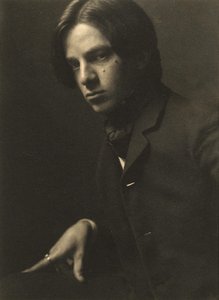
Alvin Langdon Coburn
1882 - 1966 , United States of America
Osnovne informacije
- Artistic Movement Or Style: Pictorialism, Vortography
- Artists Or Movements Influenced By This Artist: Modern photography
- Artists Who Influenced This Artist:
- F. Holland Day
- Alfred Stieglitz
- James Whistler
- Date Of Birth: June 11, 1882
- Date Of Death: November 23, 1966
- Full Name: Alvin Langdon Coburn
- Nationality: American/British
- Notable Artworks:
- St. Paul’s and Other Spires
- The Octopus, New York
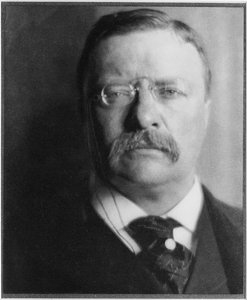
- Theodore Roosevelt
- Place Of Birth: Boston, USA
Povezani članci
Pictorialism: A Search for Artistic Photography's Soul – Aesthetics, Techniques & Legacy
Explore the captivating world of Pictorialism – a pivotal movement that transformed photography into fine art. Discover key artists like Stieglitz & Käsebier, techniques, and collecting tips from experts.

Dark Masterpieces: 10 Iconic Paintings Dominated by Black Tones |
Explore 10 iconic paintings dominated by black tones, from Rembrandt’s chiaroscuro to Goya's dark expressions. Discover the stories behind these masterpieces & find museum-quality art reproductions for your home at .

Monochrome Visions: Exploring the Aesthetic & Historical Significance of Black & White Photography
Explore the rich history & artistic power of black and white photography. From early techniques to iconic masters like Ansel Adams, discover why monochrome continues to captivate art lovers today. Expert insights for collectors.
Beyond the Lens: Photography's Enduring Influence on Modern & Contemporary Art
Explore photography's pivotal role in shaping modern & contemporary art. Discover key movements, influential artists like Stieglitz, and expert collecting advice from ArtsDot.
Witnessing History Through Lens & Light: Documentary Photography's Enduring Legacy
Explore the powerful history of documentary photography – from its origins to contemporary masters like Gordon Parks & W. Eugene Smith. Discover how this art form shapes our understanding of society and witness pivotal moments in time.