

 Pregledaj u prostoru
 Pošalji
 Podeli
 Detalji o delu

 Преузми
 Slični predmeti
 Rendgenski snimak
 Slajdovi
 Statistika
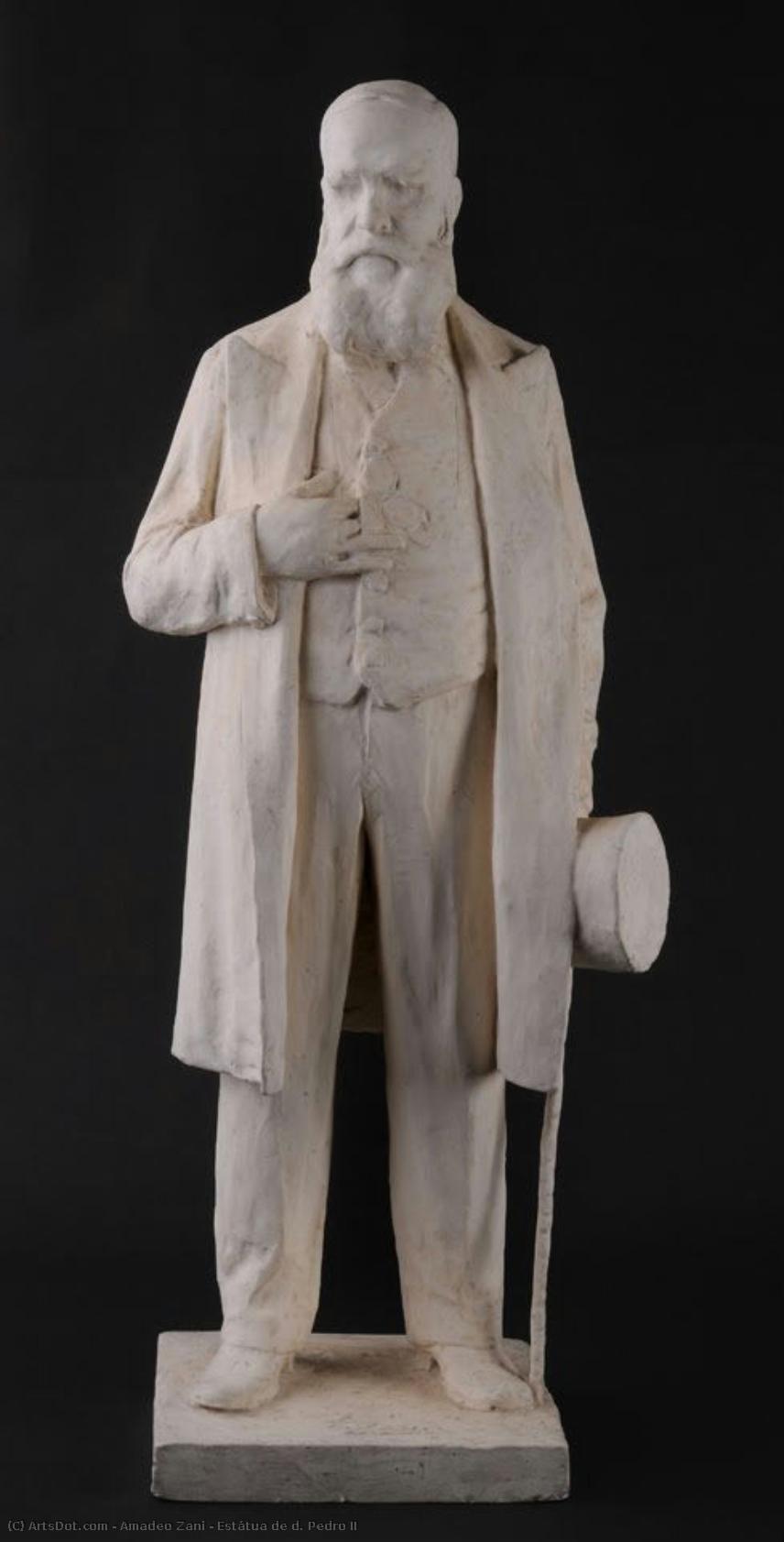
Estátua de d. Pedro II

 Pročitaj više
Ručno rađena uljana reprodukcija
Ručno oslikano uljanim bojama na platnu u dimenzijama i okviru po vašem izboru, izrađeno po porudžbini od strane naših umetnika. ( Pređi na štampu Pređi na digitalnu sliku)




































Izaberite jednu od naših unapred definisanih veličina koje odgovaraju originalnim proporcijama umetničkog dela.

Можете унети сопствене димензије како бисте прилагодили дело одређеном оквиру или простору. Ако одабрана величина не одговара пропорцијама оригинала, слика ће бити исечена или проширена додатним елементима који се ручно насликавају. Дигитални prikaz ће вам бити послат на одобрење пре почетка производње.
Имајте на уму да преглед на екрану не одражава стварно исецање или проширење. Само приказ (mockup) ће тачно приказати коначну композицију.
Иако су доступне прилагођене величине, препоручујемо да одаберете димензију из дефинисане листе како бисте сачували оригиналне пропорције.
Nakon narudžbine, tim ArtsDot.com će klijentu putem e-pošte poslati uputstva i dostaviti prikaz predloženog rešenja
Isporuka širom sveta () za 3/4 nedelje umesto uobičajenih 5 nedelja. (8 септембар). Bez kompromisa po pitanju kvaliteta.

Besplatna ekspresna dostava širom sveta

Visokokvalitetno laneno platno

Kompletno osiguranje transporta

Garancija povraćaja carine i uvoznih dažbina

Garancija vernosti boja

Politika povraćaja u roku od 100 dana (isključivo u slučaju nedostataka)

Garancija povrata novca od 100%

Popust pri grupnoj kupovini
 Opcija sa staklom dostupna je samo za dimenzije manje od 110 cm

Estátua de d. Pedro II
Tehnika reprodukcije
Dimenzije reprodukcije
-


Konačna cena
$ 263
Srodna umetnička dela









Biografija umetnika
The Sculptor of Brazilian Identity
Amadeo Zani (1869 – 1944) stands as a pivotal figure in the history of Brazilian sculpture, embodying a profound artistic synthesis between his Italian roots and his adopted Brazilian homeland. Born in São Paulo, Zani’s life was a journey of cultural bridge-building, where the rigorous traditions of European academia met the burgeoning nationalistic spirit of Brazil. His legacy is not merely found in the physical permanence of stone and gesso, but in the very foundation of artistic education that helped shape the nation's cultural landscape for generations.
The seeds of Zani’s mastery were sown in the historic landscapes of Italy. During his formative years in Rovigo, he underwent intensive training under the guidance of Giuseppe Borsellini, a mentor who recognized the young artist's innate potential. This early apprenticeship was further elevated by Zani’s studies at the Accademia Rafaello Sanzio in Urbino. Immersed in a bastion of Neoclassical tradition, Zani absorbed the principles of classical proportion, anatomical precision, and the timeless elegance of antiquity. These academic foundations would become the bedrock of his stylistic language, allowing him to approach sculpture with a technical sophistication that was rare in South America at the time.
A Vision for Brazilian Artistry
In 1887, driven by an ambitious desire to elevate the artistic standards of his birthplace, Zani returned to São Paulo. He arrived during a transformative era, accepting an invitation from the visionary Ramos de Azevedo to revitalize the Liceu de Artes e Ofícios. This was more than a professional appointment; it was a mission to build what Azevedo envisioned as a future Escola de Belas Artes. As director, Zani moved far beyond administrative duties, acting instead as a pedagogical pioneer. He instilled in his students a deep reverence for craftsmanship and the technical discipline required to transform raw materials into emotive masterpieces.
His influence was felt through the nurturing of countless aspiring sculptors, creating an environment where innovation could flourish within the framework of classical excellence. By bridging the gap between European technique and Brazilian subject matter, Zani helped foster a unique artistic identity that allowed Brazilian art to claim its place on the global stage.
Monumental Legacies and Technical Mastery
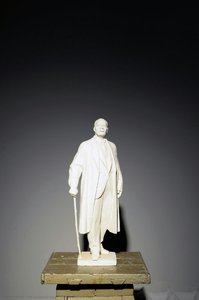
The most enduring testament to Zani’s genius is undoubtedly his monumental statue of Dom Pedro II. Commissioned in 1895 and eventually erected in Rio de Janeiro’s iconic Parque Lage, this work remains a cornerstone of Brazilian sculptural heritage. The piece is particularly notable for its use of gesso, a medium Zani favored for its ability to capture intricate textures and subtle nuances of expression. Through this technique, he was able to imbue the figure of the Emperor with a sense of regal dignity and profound humanity, capturing the very essence of a monarch who presided over a period of great transition.
Beyond individual monuments, Zani's historical significance lies in his ability to weave together the following elements:
- The Synthesis of Traditions: Merging Italian Neoclassicism with Brazilian cultural themes.
- Educational Reform: Transforming the Liceu de Artes e Ofícios into a center for professional excellence.
- Material Innovation: Utilizing gesso to achieve high levels of detail and emotional resonance in public works.
- National Identity: Creating iconic imagery that helped define the visual language of the Brazilian state.
Through his life's work, Amadeo Zani ensured that the art of sculpture in Brazil would be characterized by both technical rigor and a deep, soulful connection to the nation's history.
amadeo zani
1869 - 1944 , Brazil
Osnovne informacije
- Artists Or Movements Influenced By This Artist: ['École des beaux-arts']
- Artists Who Influenced This Artist: ['Rodolfo Bernardelli']
- Date Of Birth: São Paulo, Brazil (1869)
- Date Of Death: Niterói, Brazil (1944)
- Full Name: Amadeo Zani
- Nationality: Brazilian
- Notable Artworks: ['Estátua de d. Pedro II']
- Place Of Birth: São Paulo