

 Pregledaj u prostoru
 Pošalji
 Podeli
 Detalji o delu

 Преузми
 Slični predmeti
 Rendgenski snimak
 Slajdovi
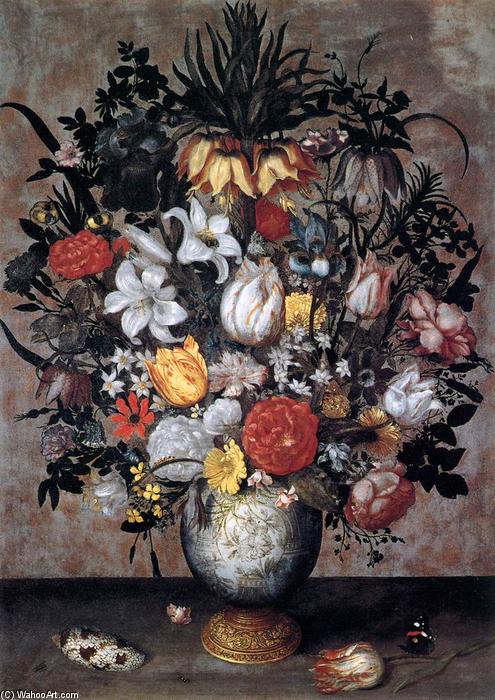
Flowers in a Chinese Vase
 Oil On Canvas
- WallArt
- Dutch Baroque
 1607
1607 69.0 x 51.0 cm
 Museo Thyssen-Bornemisza
 Pročitaj više
Giclee štampa / Umetnički otisak
Giclée štampa ili print na platnu muzejskog kvaliteta uz brzu proizvodnju i fleksibilne opcije završne obrade. ( Kupi ručno naslikanu sliku Kupi digitalnu sliku)




P118B $10

P118H $10

P118W $10

P438Z $10

P508JH $12

P508YH $12

P805H $10

P805Z $10

P919BZ $10

P919G $10

P919XJ $10

P959ZH $10

P968JZ $12

W106C $8

W218G $10

W218JH $8

W218Y $10

W307PJ $10

W316G $10

W316PJ $8

W316Y $10

W398PJ $8

W4111J $10

W500HY $15

W500JH $15

W692G $12

W849H $8

W940BG $15

W953PJ $8




Izaberite jednu od naših unapred definisanih veličina koje odgovaraju originalnim proporcijama umetničkog dela.

Možete uneti sopstvene dimenzije kako biste umetničko delo prilagodili specifičnom okviru ili prostoru. Ako odabrani format ne odgovara proporcijama originalne slike, mi ćemo ili iscrtati deo dela ili proširiti sliku pomoću ogledane ivice ili jednobojnog popunjavanja. Digitalni prikaz će vam biti poslat na odobrenje pre početka proizvodnje.
Imajte na umu da pregled na ekranu ne odražava stvarno iscrtavanje ili proširivanje. Samo će prikaz (mockup) precizno pokazati finalnu kompoziciju.
Iako su prilagođene dimenzije dostupne, preporučujemo da odaberete dimenziju sa unapred definisane liste kako biste očuvali originalne proporcije.
Dostava širom sveta () za 2 nedelje umesto uobičajenih 4/5 nedelja. (24 август)

Besplatna ekspresna dostava širom sveta

Visokokvalitetno laneno platno

Kompletno osiguranje transporta

Garancija povraćaja carine i uvoznih dažbina

Garancija vernosti boja

Politika povrata u roku od 60 dana (samo u slučaju nedostataka)

Garancija povrata novca od 100%

Popust pri grupnoj kupovini
 Opcija sa staklom dostupna je samo za dimenzije manje od 110 cm

Flowers in a Chinese Vase
Giclee štampa / Umetnički otisak
Dimenzije reprodukcije
-


Konačna cena
$ 62
Opis predmeta
A Symphony in Bloom: Ambrosius Bosschaert’s “Flowers in a Chinese Vase”
The Dutch Golden Age witnessed an unparalleled flourishing of artistic creativity, and amongst its luminaries shone Ambrosius Bosschaert the Elder (1573-1621), a painter whose dedication to capturing the ephemeral beauty of nature cemented his place as one of the era’s foremost floral still life artists. “Flowers in a Chinese Vase,” completed in 1607, isn't merely a depiction of blossoms; it’s an embodiment of humanist ideals and a masterful demonstration of artistic innovation that continues to resonate with audiences today. Measuring 69 x 51 cm on copper, this painting transcends its dimensions, transporting the viewer into a meticulously crafted microcosm of sensory experience.The Artist's Vision: Beyond Mere Representation
Bosschaert’s approach to art extended far beyond simply replicating what he observed. He possessed an innate understanding of symbolism—a practice deeply rooted in Renaissance thought—and skillfully employed this knowledge to imbue his canvases with layers of meaning. The choice of a Chinese vase itself speaks volumes about the artistic sensibilities of the time. Porcelain, imported from China during the Ming Dynasty, represented wealth, refinement, and exotic allure – qualities highly valued within Dutch society eager to embrace new cultural influences. More profoundly, the vase served as a framework for presenting an arrangement of flowers—lilies, roses, tulips, and others—each carefully positioned to convey specific emotions and ideas. Lilies, traditionally associated with purity and resurrection, contrasted beautifully with the velvety crimson roses symbolizing love and passion. The inclusion of tulips – then experiencing a spectacular mania – underscored the fascination with scientific observation and the burgeoning interest in botany.Technique: Copper Oxide Alchemy
The painting’s remarkable luminosity owes its success to Bosschaert's masterful manipulation of technique. Executed on copper, rather than wood—a decision reflecting the prevailing preference for durable materials—the canvas was treated with a layer of copper oxide before being painted with oil pigments. This process created an ethereal sheen that captured and diffused light in ways unattainable by traditional mediums. The artist’s meticulous brushstrokes meticulously rendered each petal, leaf, and stem, achieving astonishing realism. He skillfully utilized chiaroscuro – the dramatic interplay between light and shadow – to sculpt form and create a palpable sense of depth, drawing the eye inwards towards the central composition. This technique wasn't simply about visual accuracy; it was an expression of Bosschaert’s belief in capturing the essence of his subject matter—the very soul of the flowers themselves.A Legacy Preserved: Museo Thyssen-Bornemisza and Reproductions
“Flowers in a Chinese Vase” resides proudly within the Museo Thyssen-Bornemisza in Madrid, Spain, where it continues to captivate visitors with its timeless beauty. However, experiencing this masterpiece doesn’t require transatlantic travel. High-quality reproductions crafted by ArtsDot offer an opportunity to bring Bosschaert's vision into your home—a testament to the enduring power of art and a celebration of the exquisite artistry that defined the Dutch Golden Age. Consider commissioning a handmade oil painting reproduction; it would be a stunning addition to any collection and a tangible connection to one of history’s most celebrated painters.Srodna umetnička dela
Biografija umetnika
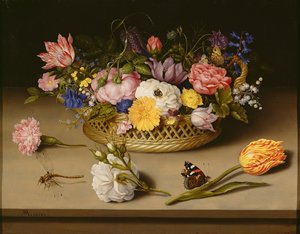
Ambrosius Bosschaert the Elder: Pioneer of Dutch Floral Still Life
Born in Antwerp in 1573, Ambrosius Bosschaert the Elder emerged as a pivotal figure in the burgeoning world of Dutch art during the Golden Age. Initially trained within the established artistic circles of his birthplace, he soon found himself drawn to a distinctive and revolutionary genre: the meticulously rendered floral still life. His journey wasn’t merely one of stylistic innovation; it was intertwined with personal circumstance – a relocation driven by religious persecution that ultimately shaped his career and legacy in Middelburg, where he would become a dominant force for decades.
Early life in Antwerp laid the foundation for Bosschaert's artistic sensibilities. He joined the city’s Guild of Saint Luke at the young age of twenty-one, demonstrating an early commitment to his craft and establishing himself within the established art community. However, it was the threat of religious upheaval that propelled him eastward, leading to a period of residence in Middelburg from 1587 until 1613. This move proved transformative, providing him with both refuge and fertile ground for developing his unique style. It’s during this time that he began to specialize in painting intricate bouquets – a genre previously less explored as an independent subject matter.
The Rise of the Floral Still Life
Bosschaert is widely recognized as one of the earliest artists to elevate the floral still life into a distinct and respected artistic category. Prior to his work, flower paintings were often integrated within broader compositions or served primarily as decorative elements. Bosschaert, however, treated flowers with an unprecedented level of detail, scientific accuracy, and compositional symmetry. His bouquets, frequently executed on copper panels, weren’t merely arrangements; they were carefully constructed narratives, imbued with symbolic meaning and a profound appreciation for the natural world.
His technique was remarkably precise. He meticulously depicted each petal, leaf, and stem, often incorporating elements of botanical illustration – a testament to his keen observation skills. The bouquets he created weren’t haphazard collections; they were carefully balanced arrangements, reflecting an understanding of both artistic principles and the inherent beauty of the flowers themselves. Tulips and roses became staples in his work, mirroring their growing popularity and symbolic significance within Dutch society at the time – a reflection of the nation's burgeoning trade with the East.
Style and Symbolism
Bosschaert’s style was characterized by its meticulous detail, symmetrical composition, and scientific approach. He wasn’t simply painting flowers; he was documenting them, studying their forms, and capturing their essence with remarkable fidelity. His works often included symbolic elements – a deliberate choice that elevated the still life beyond mere representation. Flowers were frequently associated with religious themes, conveying messages of faith, hope, and remembrance. The arrangement itself held significance, mirroring the principles of harmony and balance found in classical art.
Despite his considerable skill and popularity, Bosschaert never achieved the same level of widespread fame as artists like Jan Brueghel the Elder, who was equally influential in the floral genre. However, his impact on the development of Dutch flower painting is undeniable. He established a tradition that would be continued by his sons and numerous pupils, solidifying Middelburg’s position as the leading center for this specialized art form within the Dutch Republic.
Legacy and Influence
Ambrosius Bosschaert's legacy extends far beyond his individual works. He fundamentally shifted the perception of still life painting, transforming it from a secondary genre into a respected artistic pursuit. His meticulous approach to floral representation influenced generations of artists, including Jan Fyt (Joannes Fijt) and Rachel Ruysch, who both specialized in still life painting and built upon his foundations.
His works are now housed in prestigious collections such as the St. Joriskerk Museum in Amersfoor, a testament to their enduring artistic value. The meticulous detail and scientific observation evident in Bosschaert’s paintings continue to captivate viewers today, offering a glimpse into the vibrant world of 17th-century Dutch art and the profound appreciation for nature that characterized the era.
ambrosius the elder bosschaert
1573 - 1621
Osnovne informacije
- Artistic Movement Or Style: Dutch Golden Age, Floral Still Life
- Artists Or Movements Influenced By This Artist:
- Jan Fyt
- Rachel Ruysch
- Artists Who Influenced This Artist: ['Jan Brueghel the Elder']
- Date Of Birth: 1573-01-18
- Date Of Death: 1621-01-16
- Full Name: Ambrosius Bosschaert the Elder
- Nationality: Flemish, Dutch
- Notable Artworks:
- Bouquet in an Arched Window
- Bouquet of Flowers in a Vase
- Place Of Birth: Antwerp, Belgium
Povezani članci
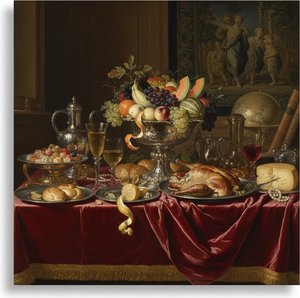
Abraham Hendricksz van Beyeren: Pioneering Dutch Still Life & the Banquet Tradition
Explore the captivating world of Dutch Golden Age still life with Abraham van Beyeren. Discover his innovative techniques, symbolic banquet scenes & lasting influence on art history. Learn about collecting these masterpieces.
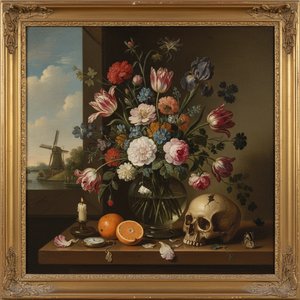
Jan Jansz Wijnants: A Study in Dutch Golden Age Still Life & Floral Transience
Explore the captivating world of Jan Wijnants and Dutch Golden Age still life painting. Discover symbolism, masterful techniques & lasting influence on floral art history. Learn more!
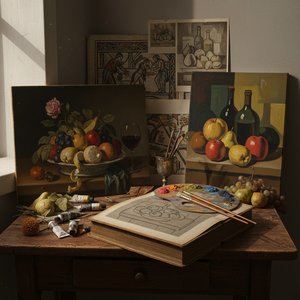
Silent Narratives: Exploring the Enduring Appeal of Still Life Painting Across Centuries
Explore the rich history of still life painting with ArtsDot. Discover Dutch Masters, decode vanitas symbolism & learn about collecting timeless art. Expert insights and museum-quality reproductions.
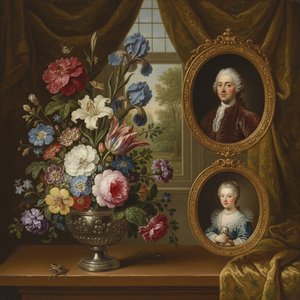
Jan van Kessel the Elder: A Baroque Master of Floral Still Life & Miniature Portraiture
Discover the exquisite detail of Jan van Kessel the Elder's Baroque floral still lifes & captivating miniatures. Explore his artistic legacy, scientific precision, and lasting influence on 17th-century Flemish painting.
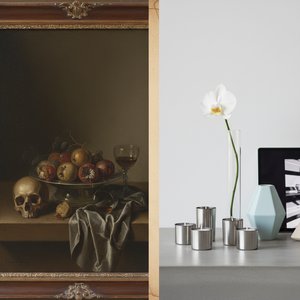
The Enduring Appeal of Still Life: A Historical & Contemporary Exploration
Explore the rich history & symbolism of still life painting with ArtsDot. Discover masterpieces from the Dutch Golden Age, learn about vanitas art, and find expert guidance for collecting timeless artworks.

