

 Pregledaj u prostoru
 Pošalji
 Podeli
 Detalji o delu

 Преузми
 Slični predmeti
 Rendgenski snimak
 Slajdovi
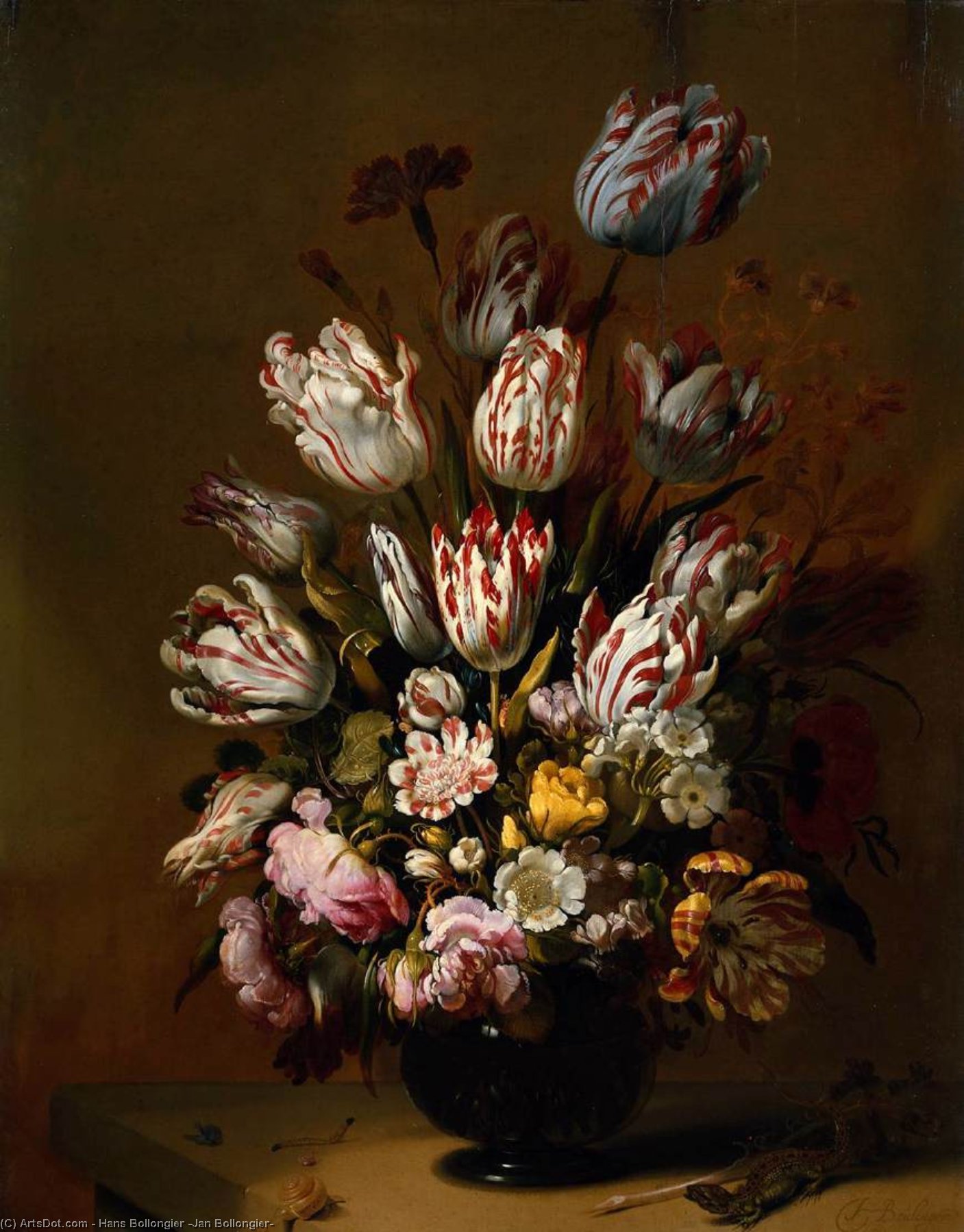
Still Life with Flowers
 Oil On Canvas
- WallArt
- Baroque
 1639
1639- Early Modern
 68.0 x 55.0 cm
 Rijksmuseum
 Pročitaj više
Ručno rađena uljana reprodukcija
Ručno oslikano uljanim bojama na platnu u dimenzijama i okviru po vašem izboru, izrađeno po porudžbini od strane naših umetnika. ( Kupi print Kupi digitalnu sliku)




P118B $10

P118H $10

P118W $10

P438Z $10

P508JH $12

P508YH $12

P805H $10

P805Z $10

P919BZ $10

P919G $10

P919XJ $10

P959ZH $10

P968JZ $12

W106C $8

W218G $10

W218JH $8

W218Y $10

W307PJ $10

W316G $10

W316PJ $8

W316Y $10

W398PJ $8

W4111J $10

W500HY $15

W500JH $15

W692G $12

W849H $8

W940BG $15

W953PJ $8




Izaberite jednu od naših unapred definisanih veličina koje odgovaraju originalnim proporcijama umetničkog dela.

Можете унети сопствене димензије како бисте прилагодили дело одређеном оквиру или простору. Ако одабрана величина не одговара пропорцијама оригинала, слика ће бити исечена или проширена додатним елементима који се ручно насликавају. Дигитални prikaz ће вам бити послат на одобрење пре почетка производње.
Имајте на уму да преглед на екрану не одражава стварно исецање или проширење. Само приказ (mockup) ће тачно приказати коначну композицију.
Иако су доступне прилагођене величине, препоручујемо да одаберете димензију из дефинисане листе како бисте сачували оригиналне пропорције.
Nakon narudžbine, tim ArtsDot.com će klijentu putem e-pošte poslati uputstva i dostaviti prikaz predloženog rešenja
Isporuka širom sveta () za 3/4 nedelje umesto uobičajenih 5 nedelja. (24 август). Bez kompromisa po pitanju kvaliteta.

Besplatna ekspresna dostava širom sveta

Visokokvalitetno laneno platno

Kompletno osiguranje transporta

Garancija povraćaja carine i uvoznih dažbina

Garancija vernosti boja

Politika povrata u roku od 60 dana (samo u slučaju nedostataka)

Garancija povrata novca od 100%

Popust pri grupnoj kupovini
 Opcija sa staklom dostupna je samo za dimenzije manje od 110 cm

Still Life with Flowers
Tehnika reprodukcije
Dimenzije reprodukcije
-


Konačna cena
$ 263
Opis umetničkog dela
The Ephemeral Splendor of Dutch Floral Mastery
To gaze upon this Still Life with Flowers is to step directly into the luminous heart of the Dutch Golden Age. Painted in 1639, this work by Hans Bollongier captures more than just a collection of blooms; it arrests a perfect moment of natural abundance. The composition centers around a richly appointed table surface, upon which a vase overflows with an exquisite tapestry of life. One can almost inhale the mingled scents of red, white, and yellow petals—a sensory experience translated masterfully onto canvas.
Bollongier’s genius lay in his ability to imbue perishable subjects with enduring vitality. The arrangement is not merely decorative; it possesses a carefully orchestrated balance, drawing the eye from the varied textures of the leaves to the bold pops of color offered by the blossoms. It speaks to the period's deep fascination with nature, transforming humble flowers into objects of profound contemplation.
Baroque Drama and Technical Brilliance
Stylistically, this piece is a quintessential example of Baroque floral painting. The influence of the era—with its dramatic contrasts between light and shadow, or tenebrism—is palpable. Bollongier utilizes light not just to illuminate, but to sculpt; it catches the velvety sheen on a red petal while allowing deeper shadows to give weight and mystery to the arrangement's base. His technique showcases an almost microscopic attention to detail. Observe how the artist renders the delicate veining on a leaf or the subtle gradation of color across a white bloom—these are hallmarks of a master hand at work, suggesting years spent perfecting the illusion of life.
Symbolism Woven into Petals
In the context of 17th-century Dutch art, such still lifes were rarely simple portraits of flowers. They functioned as complex meditations on vanitas, or the fleeting nature of earthly pleasures. The vibrant life displayed in the vase serves as a poignant reminder that beauty, like youth and material wealth, is transient. Yet, within this acknowledgment of decay lies a profound comfort: the enduring artistry of the painting itself. The inclusion of various flower types—some robust, others seemingly on the verge of fading—creates a visual allegory for the passage of time, urging the viewer toward contemplation.
Bringing the Masterpiece Home
For the modern collector or designer, this reproduction offers an unparalleled opportunity to integrate the sophisticated drama of the Dutch Golden Age into contemporary interiors. The size, measuring 68 x 55 cm, allows it to function as a breathtaking focal point above a console table or within a gallery setting. Owning a piece echoing Bollongier’s skill means acquiring not just decoration, but a conversation piece—a tangible link to the intellectual and artistic fervor of Haarlem in the 17th century. It is an invitation to pause, reflect, and appreciate the exquisite, momentary perfection captured by a master.
Srodna umetnička dela
Biografija umetnika
The Luminous Legacy of Hans Bollongier
In the heart of the Dutch Golden Age, a period defined by unparalleled prosperity and an explosion of creative genius, the name Hans Bollongier—often known as Jan Bollongier—resonates with the delicate fragrance of a spring morning. Born in the vibrant city of Haarlem around 1600, Bollongier emerged as a master of the floral still life, a genre that allowed him to capture the fleeting essence of nature with breathtaking precision. Though his life was tragically brief, ending at approximately forty-five years of age, he left behind a body of work that serves as a window into the soul of seventeenth-century Netherlands. His artistry was not merely about decoration; it was an exploration of texture, light, and the profound beauty found in the ephemeral.
The foundations of Bollong and his technique were laid through rigorous training under the esteemed painters Hendrick van Balen I and II. These mentors were champions of the Baroque style, a movement that thrived on dramatic contrasts and opulent detail. From them, Bollongier inherited a profound understanding of chiaroscuro—the masterful manipulation of light and shadow to create depth and atmosphere. This training allowed him to transcend simple botanical illustration, transforming a mere bouquet into a theatrical event where every petal seemed to catch a stray beam of sunlight against a moody, darkened background.
A Symphony of Petals and Symbolism
To gaze upon a Bollongier masterpiece is to enter a world of sensory richness. His compositions often feature exquisite arrangements of tulips, roses, anemones, and carnations, meticulously rendered to showcase the subtle veins of a petal or the dewy moisture on a stem. Yet, beneath this surface-level beauty lies a deeper, more contemplative layer of meaning. During his era, the Dutch tulip mania had left a lasting mark on the collective psyche; thus, his vibrant bouquets often served as vanitas symbols—reminders of the transience of earthly life and the inevitability of decay. By painting flowers that bloom at different times of the year in a single, impossible arrangement, he captured a sense of eternal perfection that exists only within the realm of art.
His technical prowess is perhaps most evident in works such as "Flower Piece" and "Still Life with Flowers." In these canvases, one can observe:
- Meticulous Realism: A commitment to portraying the natural world exactly as it appeared, avoiding idealized forms in favor of authentic textures.
- Atmospheric Depth: The use of dark, earthy tones to push the vibrant reds, whites, and yellows of the blossoms toward the viewer.
- Narrative Details: The inclusion of small, often overlooked elements like snails or insects, which add a layer of biological realism and reinforce the theme of life's cycle.
Historical Significance and Lasting Influence
Bollongier’s impact extended far beyond his own lifetime. As a prominent member of the Haarlem Guild of St. Luke, he was part of a flourishing community of artists that included luminaries like Johannes Vermeer. While his direct collaborations with such masters are subjects of scholarly fascination, the stylistic currents of Haarlem undoubtedly flowed through his brush. His ability to marry the scientific accuracy of botanical study with the emotional weight of the Baroque movement made him an essential figure in the evolution of Dutch genre painting.
His influence can be traced through the lineage of later flower painters, providing a blueprint for artists who sought to balance scientific observation with artistic drama. Today, his works reside in prestigious institutions such as the Frans Halsmuseum and the Rijksmuseum, where they continue to enchant modern audiences. Hans Bollongier remains a testament to the power of the small-scale masterpiece—a painter who, through the humble medium of a flower vase, captured the magnificent, fleeting splendor of an entire era.
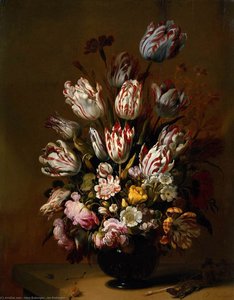
hans bollongier (jan bollongier)
1600 - 1673 , Netherlands
Osnovne informacije
- Artistic Movement Or Style: Still Life
- Artists Or Movements Influenced By This Artist: ['Baroque']
- Artists Who Influenced This Artist: ['Johannes Vermeer']
- Date Of Birth: 1600
- Date Of Death: 1645
- Full Name: Hans Gillisz Bollongier
- Nationality: Dutch
- Notable Artworks:
- Flowers in a Vase
- Flower Piece
- Place Of Birth: Haarlem, Netherlands
Povezani članci

White on Canvas: 10 Masterpieces & Timeless Elegance for Your Home Decor
Explore 10 iconic white paintings by Monet, Whistler & Rothko! Discover the stories behind these serene masterpieces and their impact on art history. Find museum-quality reproductions for your home decor at .

Dutch Baroque Masters: 10 Paintings That Shaped an Era | ArtsDot
Journey through the Golden Age with our guide to the Top 10 Dutch Baroque masterpieces! Explore iconic paintings by Rembrandt, Vermeer & Frans Hals. Find museum-quality art reproductions and elevate your home decor at ArtsDot.com.

Golden Age Reflections: Dutch Baroque Painting & Cultural Innovation
Explore the Dutch Golden Age of painting! Discover key artists like Vermeer & ter Borch, their innovative techniques, and the rich cultural context behind these Baroque masterpieces. Learn about collecting & appreciating this iconic art period.
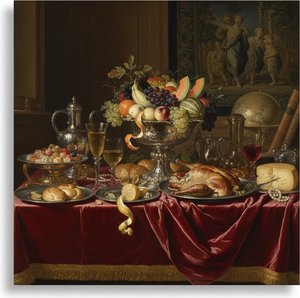
Abraham Hendricksz van Beyeren: Pioneering Dutch Still Life & the Banquet Tradition
Explore the captivating world of Dutch Golden Age still life with Abraham van Beyeren. Discover his innovative techniques, symbolic banquet scenes & lasting influence on art history. Learn about collecting these masterpieces.
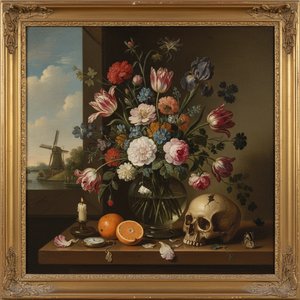
Jan Jansz Wijnants: A Study in Dutch Golden Age Still Life & Floral Transience
Explore the captivating world of Jan Wijnants and Dutch Golden Age still life painting. Discover symbolism, masterful techniques & lasting influence on floral art history. Learn more!

