

 Pregledaj u prostoru
 Pošalji
 Podeli
 Detalji o delu

 Преузми
 Slični predmeti
 Rendgenski snimak
 Slajdovi
 Statistika
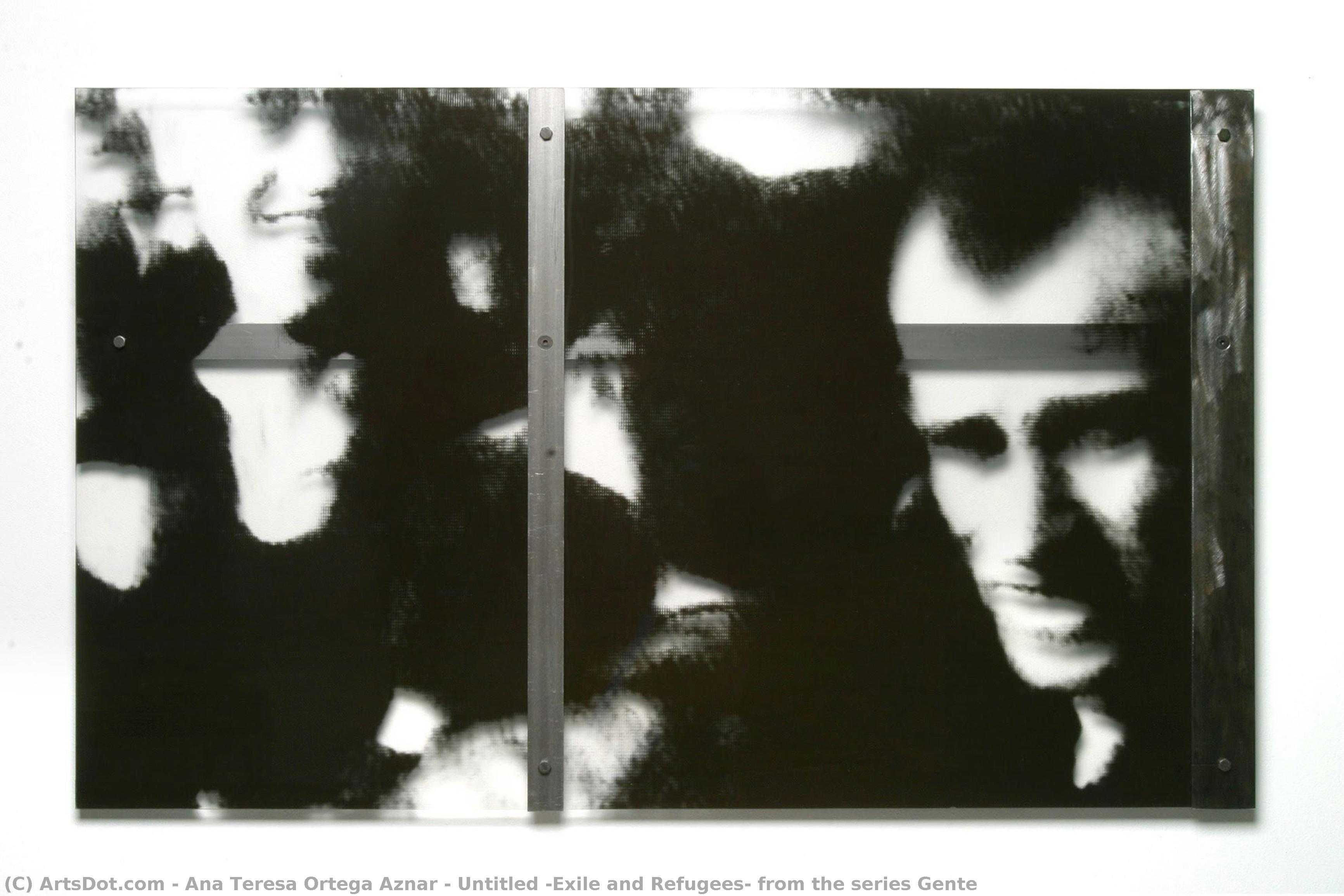
Untitled (Exile and Refugees) from the series Gente
 1999
1999 79.0 x 130.0 cm
 USC Fisher Museum of Art
 Pročitaj više
Giclee štampa / Umetnički otisak
Giclée štampa ili print na platnu muzejskog kvaliteta uz brzu proizvodnju i fleksibilne opcije završne obrade. ( Kupi ručno naslikanu sliku Pređi na digitalnu sliku)




































Izaberite jednu od naših unapred definisanih veličina koje odgovaraju originalnim proporcijama umetničkog dela.

Možete uneti sopstvene dimenzije kako biste umetničko delo prilagodili specifičnom okviru ili prostoru. Ako odabrani format ne odgovara proporcijama originalne slike, mi ćemo ili iscrtati deo dela ili proširiti sliku pomoću ogledane ivice ili jednobojnog popunjavanja. Digitalni prikaz će vam biti poslat na odobrenje pre početka proizvodnje.
Imajte na umu da pregled na ekranu ne odražava stvarno iscrtavanje ili proširivanje. Samo će prikaz (mockup) precizno pokazati finalnu kompoziciju.
Iako su prilagođene dimenzije dostupne, preporučujemo da odaberete dimenziju sa unapred definisane liste kako biste očuvali originalne proporcije.
Dostava širom sveta () za 2 nedelje umesto uobičajenih 4/5 nedelja. (10 септембар)

Besplatna ekspresna dostava širom sveta

Visokokvalitetno laneno platno

Kompletno osiguranje transporta

Garancija povraćaja carine i uvoznih dažbina

Garancija vernosti boja

Politika povraćaja u roku od 100 dana (isključivo u slučaju nedostataka)

Garancija povrata novca od 100%

Popust pri grupnoj kupovini
 Opcija sa staklom dostupna je samo za dimenzije manje od 110 cm

Untitled (Exile and Refugees) from the series Gente
Giclee štampa / Umetnički otisak
Dimenzije reprodukcije
-


Konačna cena
$ 62
Srodna umetnička dela




Biografija umetnika
Ana Teresa Ortega: Sculpting Memory Through Photographic Echoes
Born in Alicante, Spain, in 1952, Ana Teresa Ortega is a multifaceted artist whose work transcends the boundaries of photography, sculpture, video installation, and writing. Her career, deeply intertwined with Spanish history – particularly its turbulent periods under Franco – has been marked by a profound engagement with memory, exile, and the often-silenced narratives of collective experience. Ortega’s artistic journey began in the 1990s, initially exploring the intersection of photography and sculpture, a daring move at the time that challenged traditional notions of both mediums.
Ortega's early work, collectively known as ‘Foto-esculturas,’ represents a pivotal moment in her development. These intricate constructions combined three-dimensional structures with photographic images, often printed on fabrics or transparencies and supported by materials like iron or glass. This technique wasn’t merely about layering images; it was an attempt to imbue the static image with a sense of physicality and presence, transforming it into something tangible and evocative. She deliberately blurred the lines between photography and sculpture, creating objects that demanded closer inspection and invited viewers to contemplate the relationship between representation and reality.
The Weight of History: ‘Figuras del Exilio’ and Cartografías Silenciadas
A significant turning point in Ortega's career was her project ‘Figuras del exilio’ (Figures of Exile) from 1997 to 1999. This series focused on individuals displaced by the Franco dictatorship, exploring themes of displacement, loss, and the enduring impact of political oppression. The photographs themselves were often deliberately blurred and fragmented, mirroring the fractured nature of memory and the difficulty of fully grasping historical trauma. Ortega’s choice of black-and-white imagery amplified this sense of melancholy and underscored the stark realities faced by those forced to flee their homes.
Later, between 2006 and 2014, she undertook ‘Cartografías silenciadas’ (Silent Cartographies), a project that addressed the hidden spaces of power during the Franco regime. Ortega meticulously documented locations – schools, monasteries, bullrings, barracks – where repression and violence had taken place, transforming them into silent witnesses to historical events. These sites, often overlooked or deliberately forgotten, became the focus of her artistic investigation, prompting viewers to confront uncomfortable truths about Spain’s past. The project wasn't simply a photographic record; it was an attempt to give voice to those who had been silenced and to acknowledge the enduring legacy of trauma.
Influences and Techniques
Ortega’s artistic practice is informed by a diverse range of influences, including photography, sculpture, film, and literature. She cites filmmakers like Chris Marker as particularly significant, noting their exploration of memory and its subjective nature. Her use of blurred images and fragmented compositions reflects the techniques employed by photographers like Bernd and Hilla Becher, albeit with a distinct emphasis on emotional resonance rather than purely formal analysis.
Beyond her technical skills, Ortega’s work is characterized by a deep sense of empathy and a commitment to social justice. She approaches her subjects with respect and sensitivity, striving to capture the human cost of historical events. Her later works increasingly incorporate saturated colors, shifting away from the stark monochrome of her earlier pieces and suggesting a move towards a more nuanced exploration of memory and its complexities.
A Continuing Legacy: Professor and Artistic Voice
Currently, Ana Teresa Ortega is a respected professor at the Faculty of Fine Arts in Valencia, where she continues to mentor young artists and share her extensive knowledge. Her work has been exhibited extensively throughout Spain and internationally, solidifying her reputation as one of the most important contemporary artists working today. Through her innovative approach to photography, sculpture, and installation, Ortega challenges viewers to confront difficult questions about memory, history, and the enduring power of art to bear witness.
Her ongoing projects, such as ‘De trabajos forzados’ (Of Forced Labor), demonstrate a continued commitment to exploring marginalized histories and giving voice to those who have been historically silenced. Ana Teresa Ortega's artistic legacy lies not only in her individual creations but also in her ability to provoke critical reflection on the past and its ongoing relevance in the present.
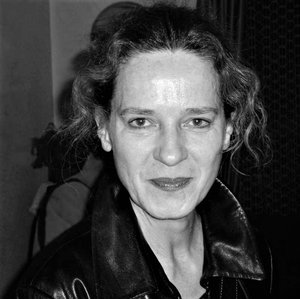
ana teresa ortega aznar
1952 - , Spain
Osnovne informacije
- Artistic Movement Or Style: Photography, Sculpture, Installation
- Artists Or Movements Influenced By This Artist:
- Photography
- Object Art
- Artists Who Influenced This Artist:
- Bernd and Hilla Becher
- Chris Marker
- Date Of Birth: 1952
- Full Name: Ana Teresa Ortega Aznar
- Nationality: Spanish
- Notable Artworks:
- Foto-esculturas
- Figuras del exilio
- Cartografías silenciadas
- Place Of Birth: Alicante, Spain