

 Pregledaj u prostoru
 Pošalji
 Podeli
 Detalji o delu

 Преузми
 Slični predmeti
 Rendgenski snimak
 Slajdovi
 Stats
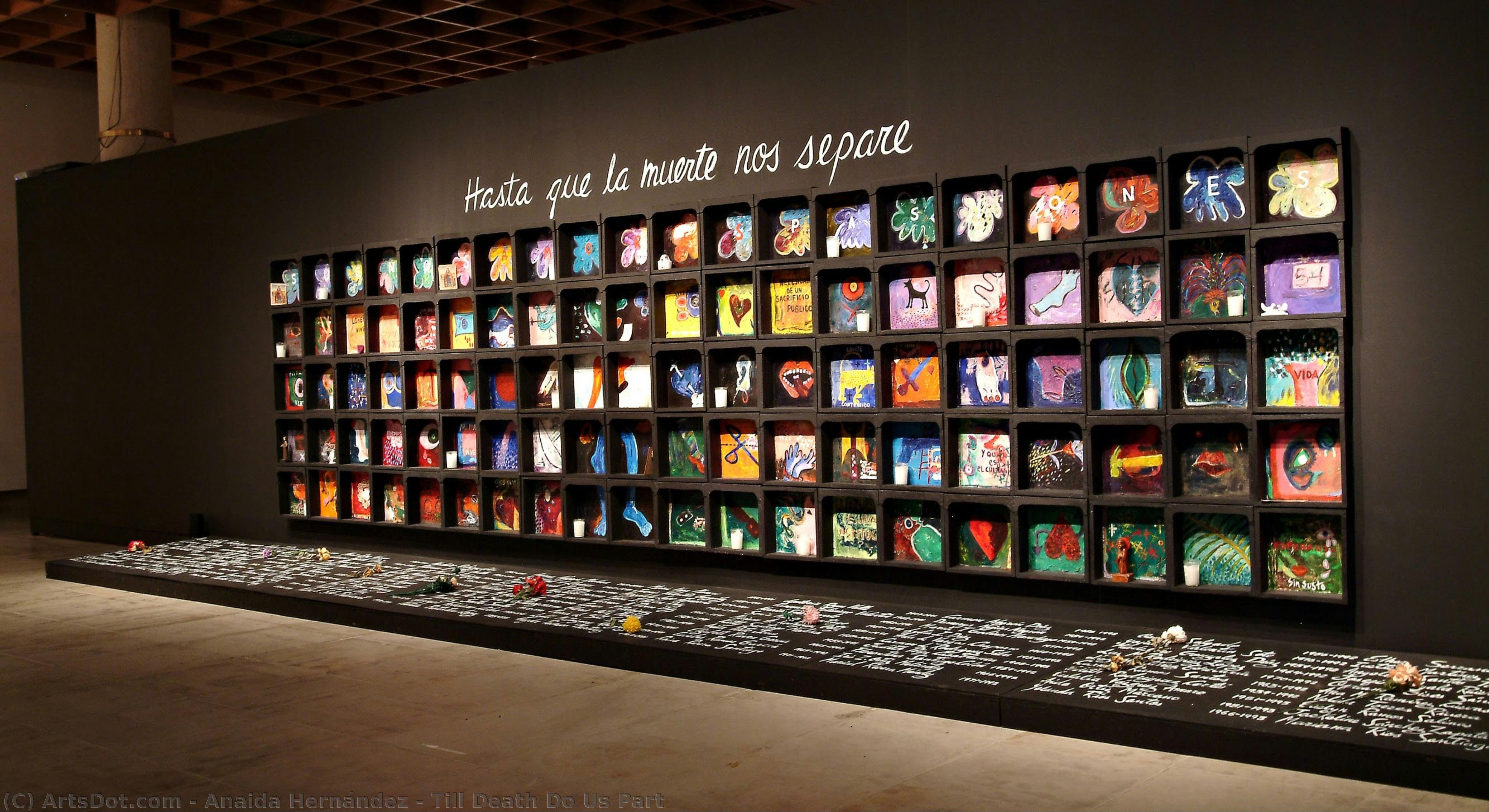
StatsTill Death Do Us Part


 Pročitaj više
Giclee štampa / Umetnički otisak
Giclée štampa ili print na platnu muzejskog kvaliteta uz brzu proizvodnju i fleksibilne opcije završne obrade. ( Kupi ručno naslikanu sliku Switch to Digital Image)




































Izaberite jednu od naših unapred definisanih veličina koje odgovaraju originalnim proporcijama umetničkog dela.

Možete uneti sopstvene dimenzije kako biste umetničko delo prilagodili specifičnom okviru ili prostoru. Ako odabrani format ne odgovara proporcijama originalne slike, mi ćemo ili iscrtati deo dela ili proširiti sliku pomoću ogledane ivice ili jednobojnog popunjavanja. Digitalni prikaz će vam biti poslat na odobrenje pre početka proizvodnje.
Imajte na umu da pregled na ekranu ne odražava stvarno iscrtavanje ili proširivanje. Samo će prikaz (mockup) precizno pokazati finalnu kompoziciju.
Iako su prilagođene dimenzije dostupne, preporučujemo da odaberete dimenziju sa unapred definisane liste kako biste očuvali originalne proporcije.
Dostava širom sveta () za 2 nedelje umesto uobičajenih 4/5 nedelja. (8 септембар)

Besplatna ekspresna dostava širom sveta

Visokokvalitetno laneno platno

Kompletno osiguranje transporta

Garancija povraćaja carine i uvoznih dažbina

Garancija vernosti boja

Politika povraćaja u roku od 100 dana (isključivo u slučaju nedostataka)

Garancija povrata novca od 100%

Popust pri grupnoj kupovini
 Opcija sa staklom dostupna je samo za dimenzije manje od 110 cm

Till Death Do Us Part
Giclee štampa / Umetnički otisak
Dimenzije reprodukcije
-


Konačna cena
$ 62
Srodna umetnička dela





Biografija umetnika
Henri Matisse: A Life Painted in Color
Born Henri Émile Benoît Matisse on December 31, 1869, in Cateau-Cambrésis, France, Matisse’s journey to becoming one of the most influential artists of the 20th century was marked by a relentless pursuit of color and form. His life spanned nearly nine decades, witnessing and profoundly shaping the evolution of modern art. From his early struggles with artistic recognition to his later mastery of decorative abstraction, Matisse's career is a testament to the power of observation, experimentation, and an unwavering belief in the expressive potential of visual language.
Early Years and Artistic Development
Matisse’s formal training began at the École des Beaux-Arts in Paris, where he initially focused on academic painting. However, he quickly grew disillusioned with the rigid conventions of the time, seeking a more personal and vibrant approach to art. Influenced by Impressionism and Post-Impressionism – particularly the bold color palettes of Paul Gauguin and Vincent van Gogh – Matisse began to develop his distinctive style. His early works, such as *Woman with a Hat* (1905) and *The Joy of Life* (1906), demonstrate this shift, showcasing a growing interest in capturing the essence of subjects through simplified forms and intense color relationships. These pieces, characterized by their flattened perspective and vibrant hues, signaled his departure from traditional representation and laid the groundwork for his later innovations.
The Fauvist Period and Beyond
Matisse’s radical experimentation culminated in the Fauvist movement of 1905. The term “Fauves” (French for “wild beasts”) was coined by critic Louis Vauxcelles, who described Matisse's paintings as having a "furious brutality." This period saw him employing pure, non-naturalistic colors – shocking reds, blues, and yellows – to create emotionally charged compositions. Works like *Blue Nude* (1908) exemplify this approach, prioritizing color and form over realistic depiction. Following the Fauvist phase, Matisse continued to evolve his style, exploring new techniques and subject matter. He experimented with collage, incorporating paper cutouts into his paintings, and developed a more structured and decorative aesthetic in works like *The Red Studio* (1911), which became a defining image of early modernism.
Mature Style and Legacy
In the 1920s, Matisse established himself as a leading figure in the international art world. He moved to Nice, France, seeking a more relaxed environment and drawing inspiration from the Mediterranean landscape. During this period, his style became increasingly simplified and geometric, emphasizing bold outlines and flat planes of color. He continued to produce prolific works, including portraits, still lifes, and decorative panels, often exploring themes of nature, leisure, and human interaction. Despite facing health challenges in his later years, Matisse remained a dedicated artist until his death on November 3, 1954, at the age of 84. His legacy is immense, influencing generations of artists with his innovative use of color, his emphasis on decorative design, and his profound understanding of the expressive power of art.
Key Influences and Historical Significance
Matisse’s artistic development was shaped by a diverse range of influences. He admired the works of Japanese prints (particularly Hiroshige and Hokusai), which inspired his use of bold outlines, simplified forms, and flattened perspective. The art of Paul Gauguin, with its vibrant colors and symbolic imagery, also played a significant role in his artistic evolution. Furthermore, Matisse’s work reflects the broader cultural shifts of the early 20th century, including the rise of modernism, the increasing interest in non-Western cultures, and the growing emphasis on individual expression. He is considered one of the pioneers of modern art, alongside Picasso, and his contributions to painting continue to resonate with artists and audiences today.
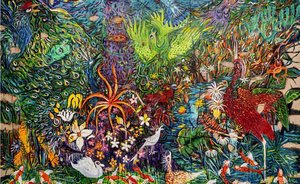
anaida hernández
1954 - , Puerto Rico
Osnovne informacije
- Artistic Movement Or Style: Fauvism, Modernism, Post-Impressionism
- Artists Or Movements Influenced By This Artist:
- André Derain
- Maurice de Vlaminck
- Fauvism
- Artists Who Influenced This Artist:
- Paul Gauguin
- Vincent van Gogh
- Edgar Degas
- Date Of Birth: December 31, 1869
- Date Of Death: November 3, 1954
- Full Name: Henri Matisse
- Nationality: French
- Notable Artworks:
- Woman with a Hat
- The Joy of Life
- Blue Nude (Souvenir de Biskra)
- Dance
- Red Studio
- The Snail
- Place Of Birth: Le Cateau-Cambrésis, France