

 Pregledaj u prostoru
 Pošalji
 Podeli
 Detalji o delu

 Преузми
 Slični predmeti
 Rendgenski snimak
 Slajdovi
 Statistika
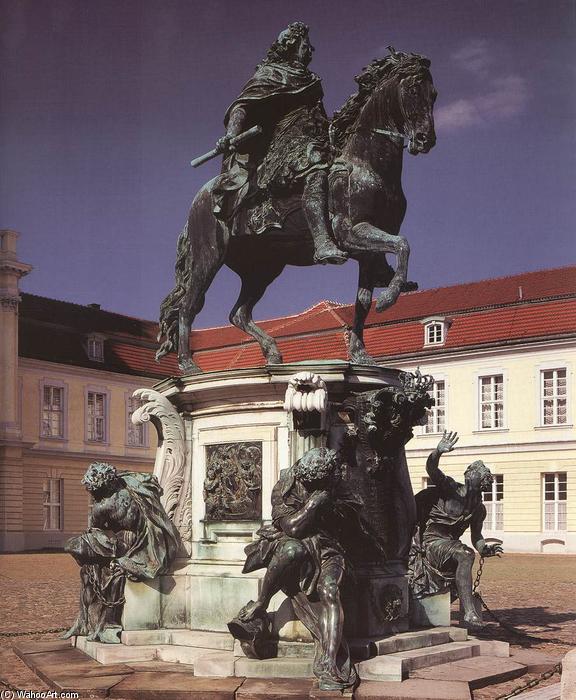
Prince Elector Frederick William the Great


 Pročitaj više
Kupite digitalnu sliku visoke rezolucije i poboljšanog kvaliteta, koja je znatno superiornija od onoga što vidite u online prikazu.
Svaka datoteka je pedantno pripremljena od strane naših stručnjaka koristeći napredne alate i profesionalnu ručnu retušu. Osiguravamo da svaka slika ima izuzetnu oštrinu, preciznu reprodukciju boja i fine detalje.
Konačna datoteka se dostavlja putem e-pošte u roku od 72 sata, optimizovana za neposrednu upotrebu u profesionalnim, izdavačkim i štamparskim okruženjima. To je isti kvalitet kojem veruju vrhunski studiji dizajna, izdavači i galerije.
Digitalna slika
Preuzmite datoteku visoke rezolucije za ličnu upotrebu, štampanje i kreativne projekte. ( Pređi na štampu Kupi ručno naslikanu sliku)
Uključeno uz svaku porudžbinu digitalne slike
Profesionalna digitalna isporuka, zagarantovana
Kada odaberete ArtsDot.com, ne dobijate samo sliku – vi primate profesionalno unapređeno digitalno umetničko delo, izrađeno sa najvećom preciznošću i uz garanciju zadovoljstva. Evo svega što automatski dolazi uz vašu porudžbinu:

Brza dostava putem e-pošte
Vaša digitalna slika visoke rezolucije biće vam poslata putem e-pošte u roku od 72 sata od poručivanja – spremna za trenutnu upotrebu.

Digitalna datoteka unapređena veštačkom inteligencijom
Vaše umetničko delo je profesionalno optimizovano korišćenjem naprednih AI alata i ručne obrade, čime se osiguravaju maksimalni detalji, oštrina i preciznost boja.

Besplatna ponovna isporuka doživotno
Slučajno ste obrisali ili izgubili svoju datoteku? Ne brinite – poslaćemo vam je ponovo u bilo kom trenutku, potpuno besplatno.

Bez troškova uvoza – zauvek
Uživajte u svojim umetničkim delima trenutno, bez carine, dažbina ili troškova dostave – digitalni download je uvek bez poreza.

Garancija vernosti boja
Uz pomoć profesionalnih alata i upravljanja bojama, osiguravamo da vaša digitalna slika što vernije odražava originalne boje.

Garancija zadovoljstva od 100 dana
Ako niste zadovoljni svojom digitalnom slikom, izvršićemo reviziju ili ćemo vam vratiti 100% novca u roku od 100 dana – bez ikakvih pitanja.

100% garancija povrata novca
Niste zadovoljni? Dobijte puni povraćaj novca u roku od 100 dana od prijema digitalne datoteke – bez suvišnih pitanja.

Popusti na velike porudžbine
Kupite 3 slike, uštedite 10% - Kupite 5 slika, uštedite 15% - Kupite 10+ slika, uštedite 20%. Odlično za kreativne projekte, galerije i agencije.
Srodna umetnička dela









Biografija umetnika
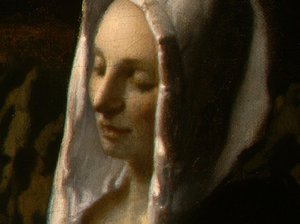
Johannes Vermeer: A Life Painted in Light and Shadow
Johannes Vermeer, a name synonymous with Delft in the 17th century, remains one of the most enigmatic and beloved figures in art history. Born in 1632, his life was remarkably short – he died just shy of his fifty-fifth birthday – yet within those brief years, he produced a body of work that continues to captivate audiences with its intimate scenes, masterful use of light, and subtle explorations of human emotion. Vermeer’s legacy isn't defined by grand historical narratives or dramatic events; it resides in the quiet beauty of his paintings, offering glimpses into domestic life and the everyday experiences of ordinary people.
Vermeer’s early life remains shrouded in some mystery. He apprenticed as a painter to Pieter van Averst, a Haarlem artist known for his detailed genre scenes and portraits. This training provided him with a solid foundation in technique, but it was Vermeer's own artistic vision that would ultimately distinguish him. Unlike many of his contemporaries who specialized in specific genres – religious works, historical paintings, or portraiture – Vermeer’s output was remarkably consistent: primarily domestic interiors populated by women and children. These scenes, often bathed in a soft, diffused light, are not merely depictions of daily life; they possess an almost dreamlike quality, inviting viewers to contemplate the complexities of human relationships and the fleeting nature of time.
The Delft Workshop and Artistic Influences
Vermeer established his workshop in Delft around 1653, a city renowned for its vibrant art scene during the Dutch Golden Age. He was part of a thriving community of artists, and it’s believed he collaborated with assistants on many of his paintings, particularly the larger, more complex works. However, despite these collaborations, Vermeer's distinctive style—his meticulous attention to detail, his innovative use of light, and his ability to capture subtle nuances of expression—remains undeniably his own. His work was influenced by several key sources.
- Rembrandt van Rijn: Vermeer’s father-in-law, Rembrandt, exerted a profound influence on him, particularly in the use of chiaroscuro – the dramatic contrast between light and dark—to create depth and atmosphere.
- Italian Masters: Vermeer traveled to Italy in 1653, where he studied the works of Venetian painters like Titian and Veronese. He was particularly drawn to their loose brushwork, vibrant colors, and ability to capture fleeting moments.
- Jan Steen: The Dutch painter Jan Steen’s lively scenes of everyday life provided Vermeer with inspiration for his own depictions of domestic interiors.
Key Works and Artistic Techniques
Vermeer's most celebrated paintings offer a window into the world of 17th-century Delft. *Girl with a Pearl Earring* (c. 1665), arguably his most famous work, is renowned for its enigmatic gaze and the luminous quality of the pearl. The painting’s power lies in its simplicity—a single figure against a dark background—and Vermeer's masterful manipulation of light to create an almost palpable sense of presence.
- The Milkmaid (1657-1658): This seemingly simple scene of a woman drawing water from a well is remarkable for its realism and the way Vermeer captures the warmth of the sunlight on her skin.
- View of Delft (c. 1660-1661): This panoramic view of his hometown showcases Vermeer’s innovative use of perspective and light to create a sense of depth and atmosphere. The painting is notable for its subtle gradations of color and the way Vermeer captures the reflections in the canals.
- The Art of Painting (c. 1664-1665): This complex composition, featuring a man studying a painting, is considered one of Vermeer’s most ambitious works. It reflects his interest in optics and the nature of representation.
Vermeer's technique was characterized by meticulous detail, achieved through numerous layers of thin glazes applied to the canvas. He employed a unique method of preparing his canvases, often using a mixture of lead white and chalk, which resulted in a smooth, reflective surface that enhanced the luminosity of his paintings. His use of *sfumato*, a technique borrowed from Leonardo da Vinci, created soft edges and hazy forms, contributing to the dreamlike quality of his work.
Historical Significance and Legacy
Despite his relatively short career and limited output, Johannes Vermeer’s influence on art history is profound. He is considered one of the greatest masters of the Dutch Golden Age, and his paintings continue to be admired for their beauty, subtlety, and emotional depth. Vermeer's focus on everyday life—on the quiet moments of domesticity—provided a new perspective on painting, moving away from grand historical narratives and religious themes towards more intimate and personal subjects.
Today, Vermeer’s paintings are housed in major museums around the world, including the Mauritshuis in The Hague, the National Gallery in London, and the Metropolitan Museum of Art in New York. His work continues to inspire artists and viewers alike, reminding us of the power of art to capture the beauty and complexity of human experience. The enduring mystery surrounding his life only adds to the allure of this remarkable artist—a master of light, shadow, and the quiet poetry of everyday life.

andreas schlüter
1660 - 1714 , Germany
Kratke činjenice
- Artistic Movement Or Style: Baroque/Dutch Golden Age
- Artists Or Movements Influenced By This Artist:
- Baroque painting
- Dutch Golden Age
- Artists Who Influenced This Artist:
- Rembrandt
- Peter Paul Rubens
- Date Of Death: 1675
- Full Name: Johannes Vermeer
- Nationality: Dutch
- Notable Artworks:
- Girl with a Delft Pitcher
- The Milkmaid
- View of Delft
- The Little Street
- Place Of Birth: Delft, Netherlands