

 Pregledaj u prostoru
 Pošalji
 Podeli
 Detalji o delu

 Преузми
 Slični predmeti
 Rendgenski snimak
 Slajdovi
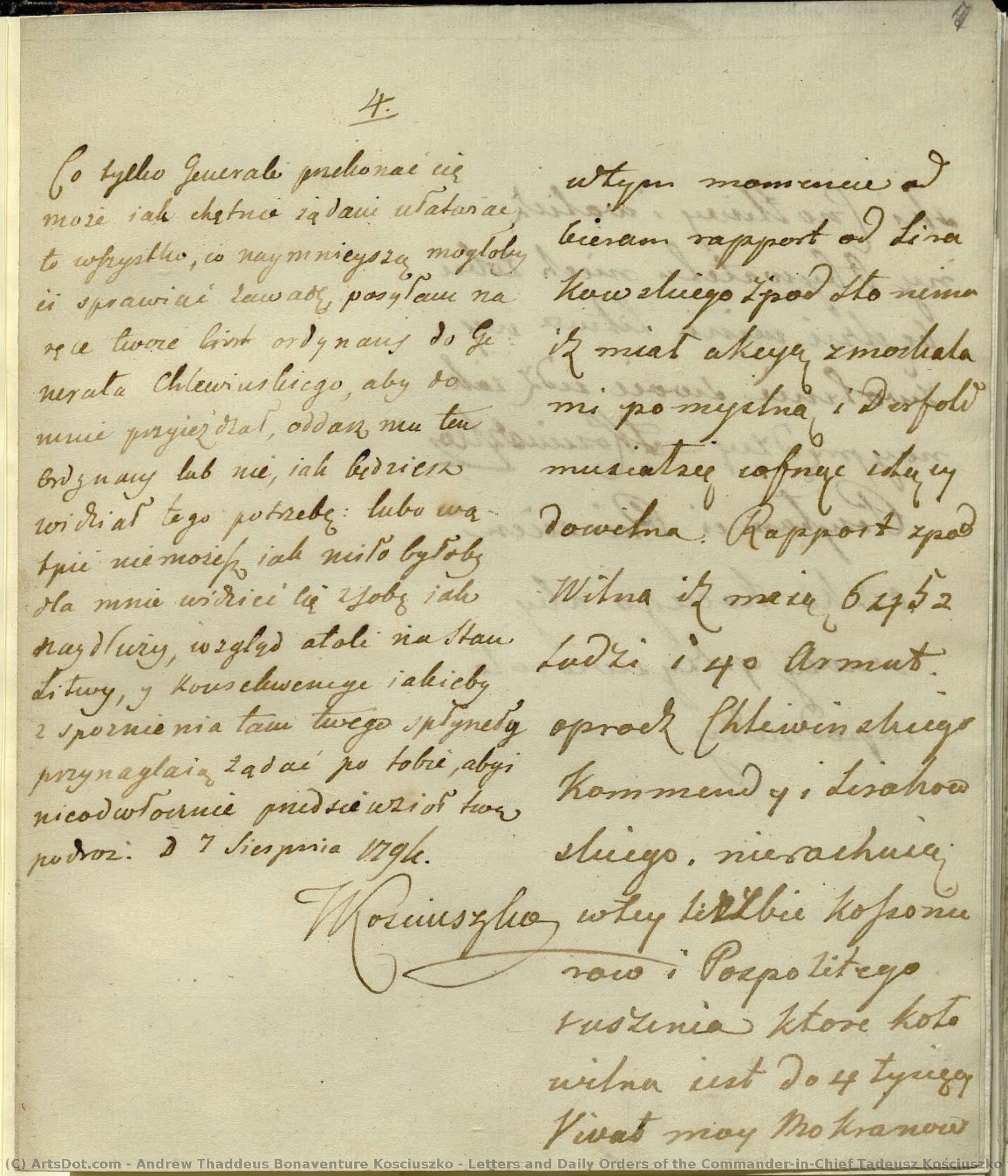
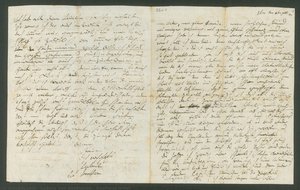
Letters and Daily Orders of the Commander-in-Chief Tadeusz Kościuszko to General Mokronowski


 Pročitaj više
Giclee štampa / Umetnički otisak
Giclée štampa ili print na platnu muzejskog kvaliteta uz brzu proizvodnju i fleksibilne opcije završne obrade. ( Kupi ručno naslikanu sliku Kupi digitalnu sliku)




































Izaberite jednu od naših unapred definisanih veličina koje odgovaraju originalnim proporcijama umetničkog dela.

Možete uneti sopstvene dimenzije kako biste umetničko delo prilagodili specifičnom okviru ili prostoru. Ako odabrani format ne odgovara proporcijama originalne slike, mi ćemo ili iscrtati deo dela ili proširiti sliku pomoću ogledane ivice ili jednobojnog popunjavanja. Digitalni prikaz će vam biti poslat na odobrenje pre početka proizvodnje.
Imajte na umu da pregled na ekranu ne odražava stvarno iscrtavanje ili proširivanje. Samo će prikaz (mockup) precizno pokazati finalnu kompoziciju.
Iako su prilagođene dimenzije dostupne, preporučujemo da odaberete dimenziju sa unapred definisane liste kako biste očuvali originalne proporcije.
Dostava širom sveta () za 2 nedelje umesto uobičajenih 4/5 nedelja. (1 септембар)

Besplatna ekspresna dostava širom sveta

Visokokvalitetno laneno platno

Kompletno osiguranje transporta

Garancija povraćaja carine i uvoznih dažbina

Garancija vernosti boja

Politika povrata u roku od 60 dana (samo u slučaju nedostataka)

Garancija povrata novca od 100%

Popust pri grupnoj kupovini
 Opcija sa staklom dostupna je samo za dimenzije manje od 110 cm

Letters and Daily Orders of the Commander-in-Chief Tadeusz Kościuszko to General Mokronowski
Giclee štampa / Umetnički otisak
Dimenzije reprodukcije
-


Konačna cena
$ 62
Srodna umetnička dela



Biografija umetnika
The Architect of Liberty: The Life and Legacy of Andrew Kosciuszko
In the grand tapestry of the eighteenth century, few figures weave together the threads of military precision and revolutionary passion as seamlessly as Andrzej Tadeusz Bonawentura Kościuszko. Known to history by his English name, Andrew Thaddeus Bonaventure Kosciuszko, this Polish polymath was far more than a mere soldier; he was an artist of strategy, a sculptor of fortifications, and a tireless champion of human dignity. Born in 1746 in Mierzęczki, Poland, into a family of modest nobility, his early years were shaped by the stark realities of a nation facing the encroaching shadows of partition. This formative environment instilled in him a profound reverence for sovereignty and an unshakeable belief in the cause of freedom—ideals that would eventually resonate across two continents.
The intellectual foundation of Kosciuszko’s greatness was laid through rigorous academic pursuit. After graduating from Warsaw’s Corps of Cadets in 1765, his thirst for knowledge led him to the prestigious École Polytechnique in France. Under the tutelage of luminaries like Joseph Fourier, he immersed himself in the complex languages of mathematics and architecture. This period of study was transformative; it provided him with the technical mastery of engineering that would later allow him to manipulate the very landscape of war. He learned to view terrain not merely as earth and stone, and but as a canvas upon which one could draft defenses, blockades, and obstacles to thwart the advance of tyranny.
A Transatlantic Crusade for Freedom
The true brilliance of Kosciuszko’s genius emerged when his engineering prowess met the heat of revolution. In 1776, drawn by the burgeoning spirit of American independence, he arrived in Philadelphia, where his meeting with Benjamin Franklin marked the beginning of a legendary chapter. As a colonel in the Continental Army, his contributions were both structural and symbolic. He did not merely command troops; he redesigned the very theater of conflict. From the strategic design of blockades along the Delaware River to the construction of Fort Mercer in New Jersey, his work provided the physical bulwark necessary for a fledgling nation to survive its infancy.
His tactical ingenuity was perhaps most vividly displayed during the retreat from Ticonderoga. With an engineer's eye for environmental manipulation, he orchestrated the felling of massive trees and the diversion of streams to create insurmountable obstacles for the British forces. This ability to turn nature itself into a defensive ally showcased a profound synthesis of scientific knowledge and martial grit. His service in the United States was not merely a professional endeavor but a deeply personal commitment to the Enlightenment ideals of republicanism and the inherent rights of man, a sentiment that would later define his leadership in his beloved Poland.
The Commander’s Final Stand and Enduring Spirit
Returning to a homeland fractured by the ambitions of neighboring empires, Kosciuszko assumed his most daunting role: Supreme Commander of the Polish National Armed Forces during the 1794 Kościuszko Uprising. This period represented the zenith of his political and military influence. He stood as a beacon of hope for the oppressed, attempting to unite the various strata of society—from the nobility to the peasantry—under a single banner of national liberation. His leadership was characterized by an unwavering strength of character and a profound empathy for the common struggle, making him a hero not just in Poland, but across Lithuania and Belarus as well.
Though the uprising ultimately faced overwhelming odds, the legacy of Andrew Kosciuszko remained unextinguished. He passed away in 1817, leaving behind a world forever changed by his vision of liberty. His life serves as a testament to the power of the intellect when wedded to the heart. As an engineer, he built the forts that protected freedom; as a statesman, he drafted the blueprints for national identity; and as a human being, he embodied the eternal struggle against oppression. Today, his name remains etched in the monuments of both the United States and Poland, a permanent reminder that true greatness lies in the service of others.
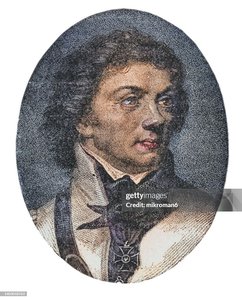
andrew thaddeus bonaventure kosciuszko
1746 - 1817 , Poland
Osnovne informacije
- Artistic Movement Or Style: Military Architecture
- Artists Or Movements Influenced By This Artist: ['Neoclassicism']
- Artists Who Influenced This Artist:
- Leonardo da Vinci
- Jean-Jacques Rousseau
- Date Of Birth: February 1746
- Date Of Death: October 15, 1817
- Full Name: Andrzej Tadeusz Bonawentura Kościuszko
- Nationality: Polish
- Notable Artworks: ['Fortifications at West Point']
- Place Of Birth: Mierzęczki, Poland

