

 Pregledaj u prostoru
 Pošalji
 Podeli
 Detalji o delu

 Преузми
 Slični predmeti
 Rendgenski snimak
 Slajdovi
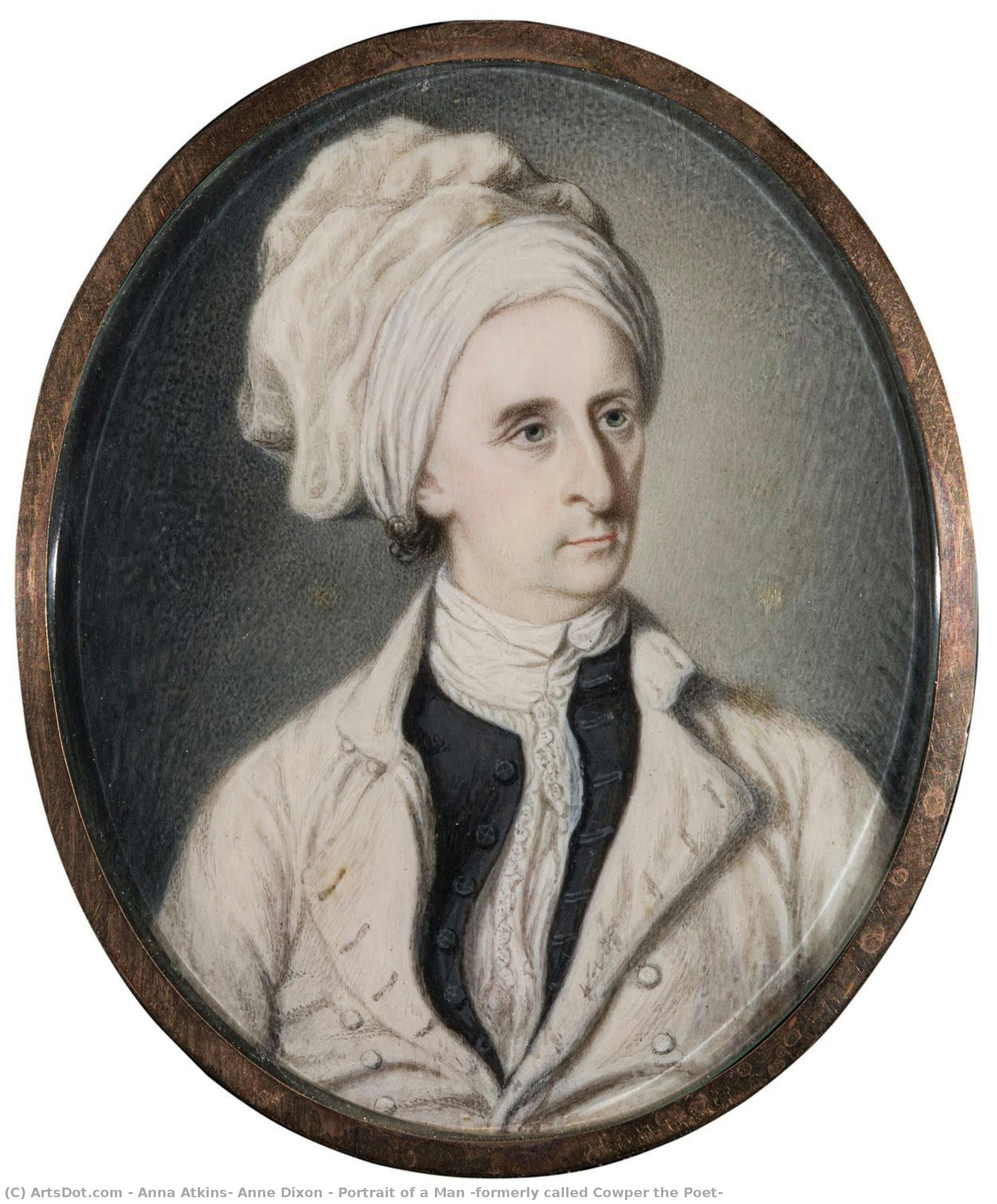
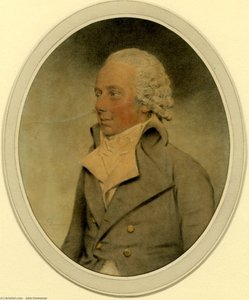
Portrait of a Man (formerly called Cowper the Poet)


 Pročitaj više
Kupite digitalnu sliku visoke rezolucije i poboljšanog kvaliteta, koja je znatno superiornija od onoga što vidite u online prikazu.
Svaka datoteka je pedantno pripremljena od strane naših stručnjaka koristeći napredne alate i profesionalnu ručnu retušu. Osiguravamo da svaka slika ima izuzetnu oštrinu, preciznu reprodukciju boja i fine detalje.
Konačna datoteka se dostavlja putem e-pošte u roku od 72 sata, optimizovana za neposrednu upotrebu u profesionalnim, izdavačkim i štamparskim okruženjima. To je isti kvalitet kojem veruju vrhunski studiji dizajna, izdavači i galerije.
Digitalna slika
Preuzmite datoteku visoke rezolucije za ličnu upotrebu, štampanje i kreativne projekte. ( Kupi print Kupi ručno naslikanu sliku)
Uključeno uz svaku porudžbinu digitalne slike
Profesionalna digitalna isporuka, zagarantovana
Kada odaberete ArtsDot.com, ne dobijate samo sliku – vi primate profesionalno unapređeno digitalno umetničko delo, izrađeno sa najvećom preciznošću i uz garanciju zadovoljstva. Evo svega što automatski dolazi uz vašu porudžbinu:

Brza dostava putem e-pošte
Vaša digitalna slika visoke rezolucije biće vam poslata putem e-pošte u roku od 72 sata od poručivanja – spremna za trenutnu upotrebu.

Digitalna datoteka unapređena veštačkom inteligencijom
Vaše umetničko delo je profesionalno optimizovano korišćenjem naprednih AI alata i ručne obrade, čime se osiguravaju maksimalni detalji, oštrina i preciznost boja.

Besplatna ponovna isporuka doživotno
Slučajno ste obrisali ili izgubili svoju datoteku? Ne brinite – poslaćemo vam je ponovo u bilo kom trenutku, potpuno besplatno.

Bez troškova uvoza – zauvek
Uživajte u svojim umetničkim delima trenutno, bez carine, dažbina ili troškova dostave – digitalni download je uvek bez poreza.

Garancija vernosti boja
Uz pomoć profesionalnih alata i upravljanja bojama, osiguravamo da vaša digitalna slika što vernije odražava originalne boje.

Garancija zadovoljstva u roku od 60 dana
Ako niste zadovoljni svojom digitalnom slikom, revidirat ćemo je ili vratiti 100% novca u roku od 60 dana – bez ikakvih pitanja.

100% garancija povrata novca
Niste zadovoljni? Obezbedite pun povrat novca u roku od 60 dana od trenutka kada ste primili svoju digitalnu datoteku – bez suvišnih pitanja.

Popusti na velike porudžbine
Kupite 3 slike, uštedite 10% - Kupite 5 slika, uštedite 15% - Kupite 10+ slika, uštedite 20%. Odlično za kreativne projekte, galerije i agencije.
Portrait of a Man (formerly called Cowper the Poet) – A Window Into Victorian Mourning
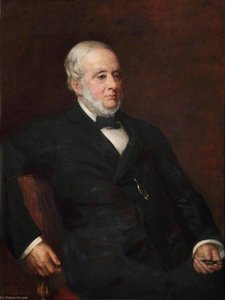
The watercolor portrait by Anna Atkins and Anne Dixon, titled “Portrait of a Man,” transcends mere visual representation; it’s a tangible echo of an era defined by profound grief and meticulous remembrance. Executed in 1760, this artwork embodies the stylistic conventions of its time—a formal elegance rooted in observation and imbued with subtle emotional resonance—making it particularly captivating for discerning collectors and those drawn to historical interiors. The painting’s composition centers on a dignified male figure positioned slightly off-center within an oval frame, prioritizing intimacy and focused contemplation. Delicate lines delineate the contours of his face, beard, and mustache, capturing the nuances of texture and form with remarkable precision. The artist skillfully employs watercolor technique—layering washes of muted tones—to achieve a soft, translucent surface that subtly conveys the solemnity of the subject matter. Backgrounds are deliberately indistinct, directing the viewer’s gaze squarely toward the central figure and reinforcing the portrait's contemplative mood. Color palettes lean heavily on whites, grays, and blacks, punctuated by delicate hints of pink and brown—a restrained palette characteristic of aristocratic portraits intended to convey respectability and understated beauty. The artist’s meticulous attention to detail extends beyond mere likeness; it encompasses a conscious effort to represent the textures of the man's wig (appearing somewhat fluffy), shirt fabric (smooth), and waistcoat (textured)—elements that speak volumes about social status and sartorial sensibilities. The artwork’s historical context is inextricably linked to the burgeoning Victorian fascination with mourning rituals. Following Prince Albert’s untimely death in 1861, Queen Victoria adopted a deeply symbolic approach to grieving—a practice reflected in her cherished locket containing Albert's hair and her poignant ring bearing his micro-portrait. This tradition of commemorating loved ones through tangible reminders – like Atkins’ portrait – underscores themes of remembrance and enduring affection. Beyond its aesthetic qualities, “Portrait of a Man” offers a glimpse into the psychological landscape of Victorian society. The subject’s gaze—direct yet measured—suggests intelligence and seriousness, inviting viewers to contemplate the complexities of human emotion within a framework of aristocratic decorum. It stands as a testament to Atkins' skill in capturing not only physical appearance but also the spirit of an age preoccupied with honoring memory and preserving legacies.- Artist: Anna Atkins, Anne Dixon
- Year: 1760
- Medium: Watercolor on Paper
Further Exploration – Contextualizing Victorian Mourning Rituals
The fascination with hair jewelry during the Victorian era stemmed from a profound desire to maintain connections with deceased loved ones—a practice that extended beyond sentimental gestures into formalized rituals of remembrance. Atkins’ portrait exemplifies this cultural preoccupation, mirroring the broader societal impulse to honor memory through tangible symbols of affection and devotion. Examining similar artworks from the period reveals a shared commitment to preserving legacies and expressing grief in aesthetically refined ways.Technical Considerations – Watercolor's Delicate Illusion
Atkins’ masterful use of watercolor technique—characterized by layering washes of color—creates an ethereal surface that captures subtle nuances of light and texture. This method allows for a remarkable degree of tonal variation, conveying depth and dimension while maintaining an overall sense of softness and translucency. The artist's careful rendering of fabric folds contributes to the painting’s realism and enhances its visual impact.Symbolic Resonance – Dignity and Remembrance
The formal pose and attire of the subject—reflecting aristocratic standards—communicate a profound respect for tradition and an unwavering commitment to honoring memory. The direct gaze embodies intelligence and seriousness, inviting viewers to contemplate the enduring power of human emotion within a context of dignified decorum.Srodna umetnička dela
Biografija umetnika
A Pioneer of Photographic Botany: The Life and Legacy of Anna Atkins
Anna Atkins, born Anna Children in 1799 in Tonbridge, Kent, was a figure whose contributions to both botany and photography were remarkably ahead of her time. Her life unfolded against the backdrop of burgeoning scientific inquiry and artistic innovation, yet she navigated a world where opportunities for women were severely limited. The early loss of her mother fostered a particularly close relationship with her father, John George Children, a respected chemist, mineralogist, and zoologist—a connection that proved pivotal in shaping her intellectual trajectory. He provided an unusually comprehensive scientific education for a woman of the era, nurturing a curiosity that would blossom into groundbreaking work. This foundation wasn’t merely academic; it was deeply practical, involving her directly in his research, most notably through detailed engravings of shells used to illustrate his translation of Lamarck's *Genera of Shells*. These early artistic endeavors weren’t simply illustrative; they honed a meticulous observational skill that would become central to her later photographic explorations.Cyanotype Impressions: A Revolution in Scientific Documentation
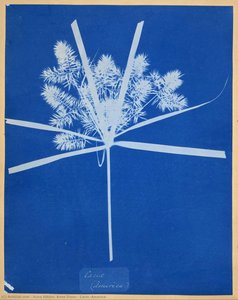
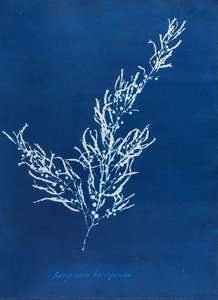
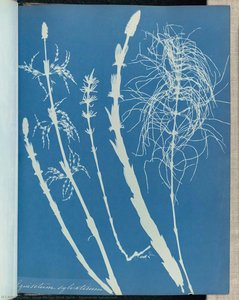
The year 1839 marked a turning point, not only for Atkins but for the nascent field of photography itself. She was elected a member of the London Botanical Society, an unusual honor that underscored her growing reputation within the scientific community. Simultaneously, she became captivated by the revolutionary photographic process of cyanotyping, invented by Sir John Herschel. Unlike earlier methods, cyanotype offered a relatively simple and accessible means of creating photographic images—a blueprint-like process using light-sensitive iron salts to produce striking blue prints. Atkins didn’t merely adopt this technique; she transformed it into an instrument for scientific documentation unlike any seen before. She embarked on the ambitious project of cataloging British algae, recognizing that traditional hand-drawn illustrations often failed to capture the intricate details of these delicate specimens. Her resulting work, *Photographs of British Algae: Cyanotype Impressions* (1842-1853), wasn’t just a collection of beautiful images; it was a landmark achievement—the first book ever illustrated with photographs.Artistic Vision and Scientific Rigor
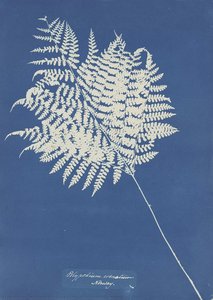
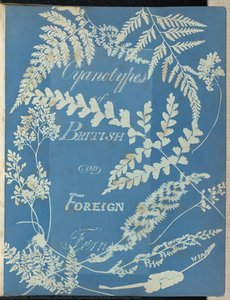
The significance of Atkins's work extends far beyond its historical "first." She didn’t simply *reproduce* botanical specimens; she presented them as objects of aesthetic beauty, carefully arranging the algae on the cyanotype paper to create compositions that were both scientifically accurate and visually compelling. The ethereal blue tones and delicate forms evoke a sense of wonder, transforming scientific documentation into an art form. This blending of artistic vision and scientific rigor was particularly remarkable for its time, challenging conventional notions about the relationship between art and science. Her later work extended beyond algae to include ferns and other plant life, as evidenced by *Cyanotypes of British and Foreign Plants and Ferns* (1854), further demonstrating her mastery of the cyanotype process and her dedication to botanical documentation. Collaborations with figures like Anne Dixon expanded her artistic explorations, incorporating elements such as flowers, feathers, and lace into increasingly complex compositions.A Legacy Rediscovered
Despite her pioneering contributions, Anna Atkins’s work largely faded from view in the late 19th century. Her albums were rediscovered in the British Museum by historian William Lang Jr. in 1889, but even then, her role as the creator remained somewhat obscured. It wasn't until more recent scholarship that her significance began to be fully appreciated. Today, Atkins is celebrated as a visionary artist and scientist—a true innovator who anticipated many of the developments in both photography and botanical illustration that would follow. Her work continues to inspire artists and scientists alike, reminding us of the power of observation, experimentation, and the enduring beauty of the natural world. Institutions like the J. Paul Getty Museum hold examples of her cyanotypes – *Cyanotypes of British and Foreign Ferns*, *Convalaria multiflora*, and *Adiantum tenerum, Jamaica* – testaments to her skill and dedication. Her legacy is a powerful reminder that innovation often arises from unexpected intersections—in this case, the convergence of art, science, and a woman’s unwavering curiosity.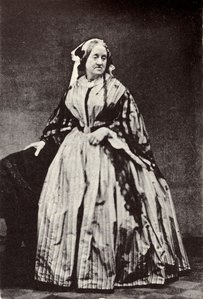
anna atkins, anne dixon
1799 - 1871

