

 Pregledaj u prostoru
 Pošalji
 Podeli
 Detalji o delu

 Преузми
 Slični predmeti
 Rendgenski snimak
 Slajdovi
 Statistika
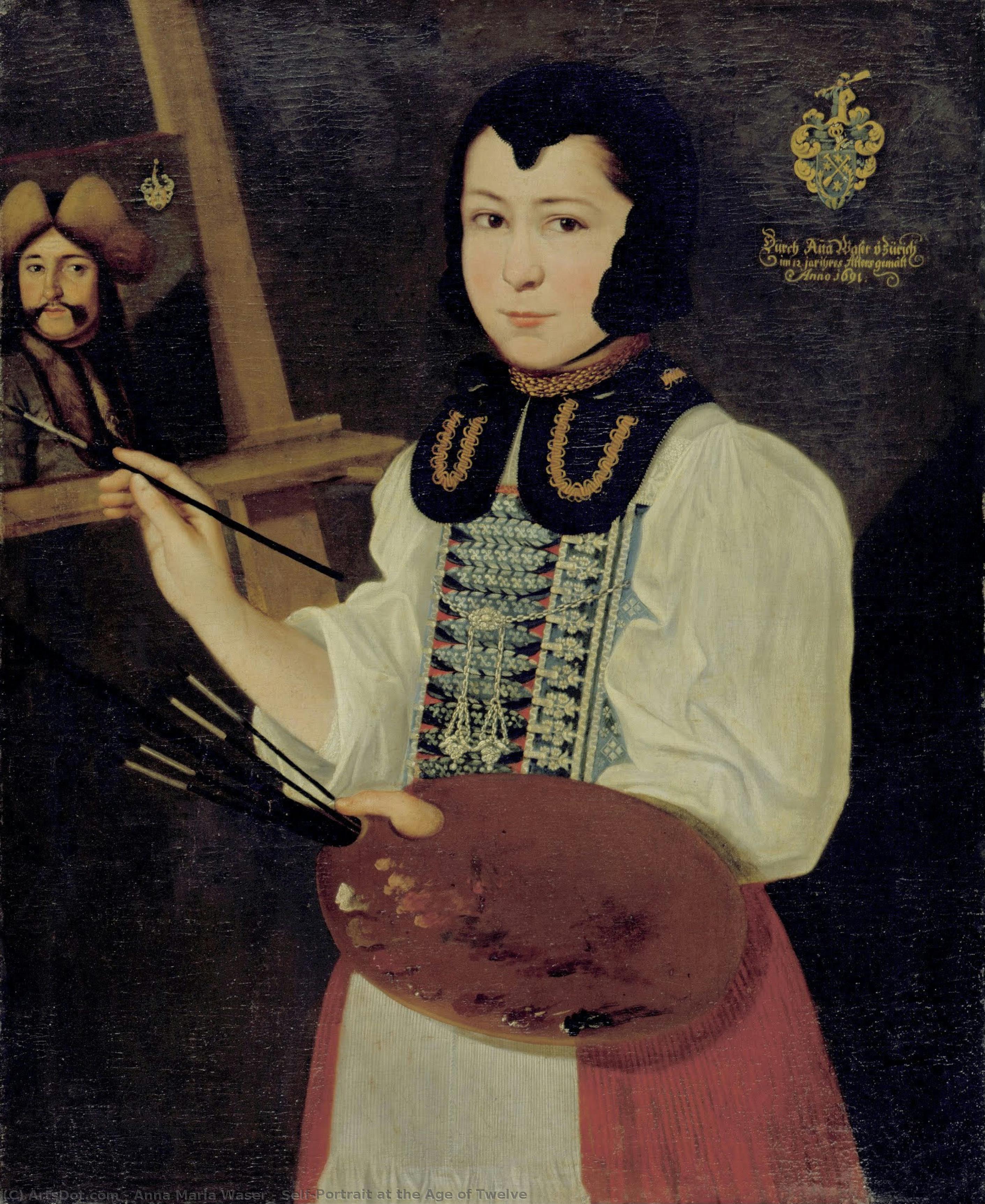
Self-Portrait at the Age of Twelve
 Oil On Canvas
- WallArt
- Baroque Painting
 1691
1691 83.0 x 68.0 cm
 Kunsthaus Zürich
 Pročitaj više
Kupite digitalnu sliku visoke rezolucije i poboljšanog kvaliteta, koja je znatno superiornija od onoga što vidite u online prikazu.
Svaka datoteka je pedantno pripremljena od strane naših stručnjaka koristeći napredne alate i profesionalnu ručnu retušu. Osiguravamo da svaka slika ima izuzetnu oštrinu, preciznu reprodukciju boja i fine detalje.
Konačna datoteka se dostavlja putem e-pošte u roku od 72 sata, optimizovana za neposrednu upotrebu u profesionalnim, izdavačkim i štamparskim okruženjima. To je isti kvalitet kojem veruju vrhunski studiji dizajna, izdavači i galerije.
Digitalna slika
Preuzmite datoteku visoke rezolucije za ličnu upotrebu, štampanje i kreativne projekte. ( Pređi na štampu Kupi ručno naslikanu sliku)
Uključeno uz svaku porudžbinu digitalne slike
Profesionalna digitalna isporuka, zagarantovana
Kada odaberete ArtsDot.com, ne dobijate samo sliku – vi primate profesionalno unapređeno digitalno umetničko delo, izrađeno sa najvećom preciznošću i uz garanciju zadovoljstva. Evo svega što automatski dolazi uz vašu porudžbinu:

Brza dostava putem e-pošte
Vaša digitalna slika visoke rezolucije biće vam poslata putem e-pošte u roku od 72 sata od poručivanja – spremna za trenutnu upotrebu.

Digitalna datoteka unapređena veštačkom inteligencijom
Vaše umetničko delo je profesionalno optimizovano korišćenjem naprednih AI alata i ručne obrade, čime se osiguravaju maksimalni detalji, oštrina i preciznost boja.

Besplatna ponovna isporuka doživotno
Slučajno ste obrisali ili izgubili svoju datoteku? Ne brinite – poslaćemo vam je ponovo u bilo kom trenutku, potpuno besplatno.

Bez troškova uvoza – zauvek
Uživajte u svojim umetničkim delima trenutno, bez carine, dažbina ili troškova dostave – digitalni download je uvek bez poreza.

Garancija vernosti boja
Uz pomoć profesionalnih alata i upravljanja bojama, osiguravamo da vaša digitalna slika što vernije odražava originalne boje.

Garancija zadovoljstva od 100 dana
Ako niste zadovoljni svojom digitalnom slikom, izvršićemo reviziju ili ćemo vam vratiti 100% novca u roku od 100 dana – bez ikakvih pitanja.

100% garancija povrata novca
Niste zadovoljni? Dobijte puni povraćaj novca u roku od 100 dana od prijema digitalne datoteke – bez suvišnih pitanja.

Popusti na velike porudžbine
Kupite 3 slike, uštedite 10% - Kupite 5 slika, uštedite 15% - Kupite 10+ slika, uštedite 20%. Odlično za kreativne projekte, galerije i agencije.
A Window Into Youth: Anna Maria Waser’s “Self-Portrait at the Age of Twelve”
Anna Maria Waser's "Self-Portrait at the Age of Twelve," painted in 1691, isn’t merely a depiction of a young girl; it’s a remarkably poignant and surprisingly mature glimpse into the burgeoning talent of a pioneering Swiss artist. This captivating work, now residing within the Kunsthaus Zürich’s collection, transcends its youthful subject matter to reveal a profound understanding of light, composition, and the very essence of self-representation – qualities that would define Waser's distinguished career.
The painting immediately draws the eye with its intimate scale. Measuring just 83 x 68 centimeters, it feels remarkably personal, as if offering an invitation into a private moment. The young girl, identified as Anna Maria herself, stands before a simple wooden table, upon which rests a palette and brushes – tools of her nascent craft. Her gaze is direct, unwavering, holding the viewer captive with an intensity that belies her age. She’s not posing for the camera; she's engaged in the act of creation itself, radiating a quiet confidence and focused determination.
Waser’s technique is characterized by a remarkable attention to detail and a masterful manipulation of light. The soft, diffused illumination suggests an afternoon sun filtering through a window, casting gentle shadows that subtly define her features and the textures of her clothing. Notice how she renders the brush in her hand – not with stark realism, but with a delicate suggestion of form and movement, hinting at the creative process unfolding before us. The use of oil paints allows for subtle gradations of tone, creating a sense of depth and volume that elevates the portrait beyond a simple likeness.
A Pioneer in a Male-Dominated World
Understanding the historical context is crucial to appreciating Waser’s achievement. In 17th and 18th century Switzerland, the world of art was overwhelmingly dominated by men. Women were largely excluded from formal training and professional opportunities. Anna Maria's journey as a female artist – particularly one who trained alongside male peers – represents a significant challenge to societal norms and a testament to her unwavering dedication. Her appointment as court painter to Count Wilhelm Moritz von Solms-Braunfels in 1699 was a remarkable breakthrough, demonstrating the recognition of her considerable skill.
Her time at Joseph Werner’s workshop in Bern, where she studied alongside male apprentices, provided an invaluable education. While often overlooked in historical accounts, this experience undoubtedly shaped her artistic development, allowing her to hone her skills and develop a unique perspective. The fact that she was the *only* female student within the workshop is itself a powerful statement about the barriers she faced and the determination required to pursue her passion.
Symbolism of Youth and Self-Discovery
The “Self-Portrait at the Age of Twelve” isn’t simply a record of a young girl; it's an exploration of identity and self-discovery. The act of painting, of capturing one’s own image on canvas, is inherently a process of introspection. Waser’s choice to depict herself in this moment – engaged in the creative act – suggests a nascent understanding of her own potential and a desire to define herself through art.
The inclusion of the table with the palette and brushes further reinforces this symbolism. These are not merely tools for creating a portrait; they represent the very instruments of self-expression, the means by which she is forging her artistic identity. The arrow pointing towards the painting itself could be interpreted as an invitation to contemplate the process of creation – the journey from observation to representation.
A Timeless Masterpiece
“Self-Portrait at the Age of Twelve” endures not just for its technical brilliance, but also for its emotional resonance. It’s a remarkably intimate and honest portrayal of a young girl on the cusp of artistic maturity – a testament to the power of observation, the beauty of simplicity, and the enduring legacy of a pioneering Swiss artist. Reproductions of this work offer a captivating window into a pivotal moment in art history, inviting us to contemplate the origins of talent and the transformative potential of self-expression.
Srodna umetnička dela

Biografija umetnika
Anna Maria Waser: A Pioneering Swiss Painter
Early Life and Training
- Born: October 16, 1678, in Zurich, Switzerland.
- Anna Maria Waser came from a family that valued education and the arts, fostering her early interest in painting despite societal norms.
- Her initial artistic training began with Johannes Sulzer in Winterthur, laying the foundation for her future development.
- At the age of fourteen, she moved to Bern to study under the guidance of Joseph Werner, a leading Swiss painter.
Artistic Development and Career
- Waser’s time in Werner's workshop was unique, as she was the only female student among her male peers. This provided invaluable opportunities for honing her skills.
- She quickly demonstrated exceptional talent, evident in early works like her Self-Portrait at the Age of Twelve (1691), showcasing confidence and mastery.
- In 1699, a significant milestone was reached when she was appointed as court painter to Count Wilhelm Moritz von Solms-Braunfels, marking growing international recognition.
- Her career path wasn’t without interruption; family obligations occasionally called her back to Zurich, impacting the consistency of her artistic output.
Notable Works and Style
- Self-Portrait at the Age of Twelve (1691): A remarkable early work demonstrating precocious skill and self-assurance.
- Waser’s style is characterized by its attention to detail, realism, and a human touch in her portraits. She excelled in miniature painting as well.
- Her works often featured portraits of prominent individuals, reflecting her position within aristocratic circles.
Influences and Artistic Context
- Waser’s artistic development was influenced by both Johannes Sulzer and Joseph Werner, who provided her with foundational training in painting techniques.
- She worked within the Baroque tradition, a style prevalent during the 17th and early 18th centuries, characterized by drama, rich colors, and detailed ornamentation.
- The social context of the time presented challenges for female artists; Waser’s success was particularly noteworthy given these constraints.
Legacy and Historical Significance
- Anna Maria Waser's career broke societal conventions, paving the way for future generations of female artists in Switzerland.
- Her work continues to be appreciated for its technical skill, authenticity, and insightful portrayal of her subjects.
- Her paintings are featured in prominent collections such as the Kunsthaus Zürich, ensuring her place in Swiss art history.
- Died: September 20, 1714.
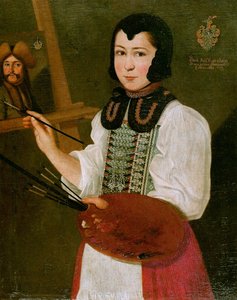
anna maria waser
1678 - 1714 , Switzerland
Kratke činjenice
- Birth Date: 1678-10-16
- Birth Place: Zurich, Switzerland
- Death Date: 1714-09-20
- Influenced By: Johannes Sulzer, Joseph Werner
- Movement: Baroque
- Name: Anna Maria Waser
- Nationality: Swiss
- Notable Works: Self-Portrait at the Age of Twelve (1691)