

 Pregledaj u prostoru
 Pošalji
 Podeli
 Detalji o delu

 Преузми
 Slični predmeti
 Rendgenski snimak
 Slajdovi
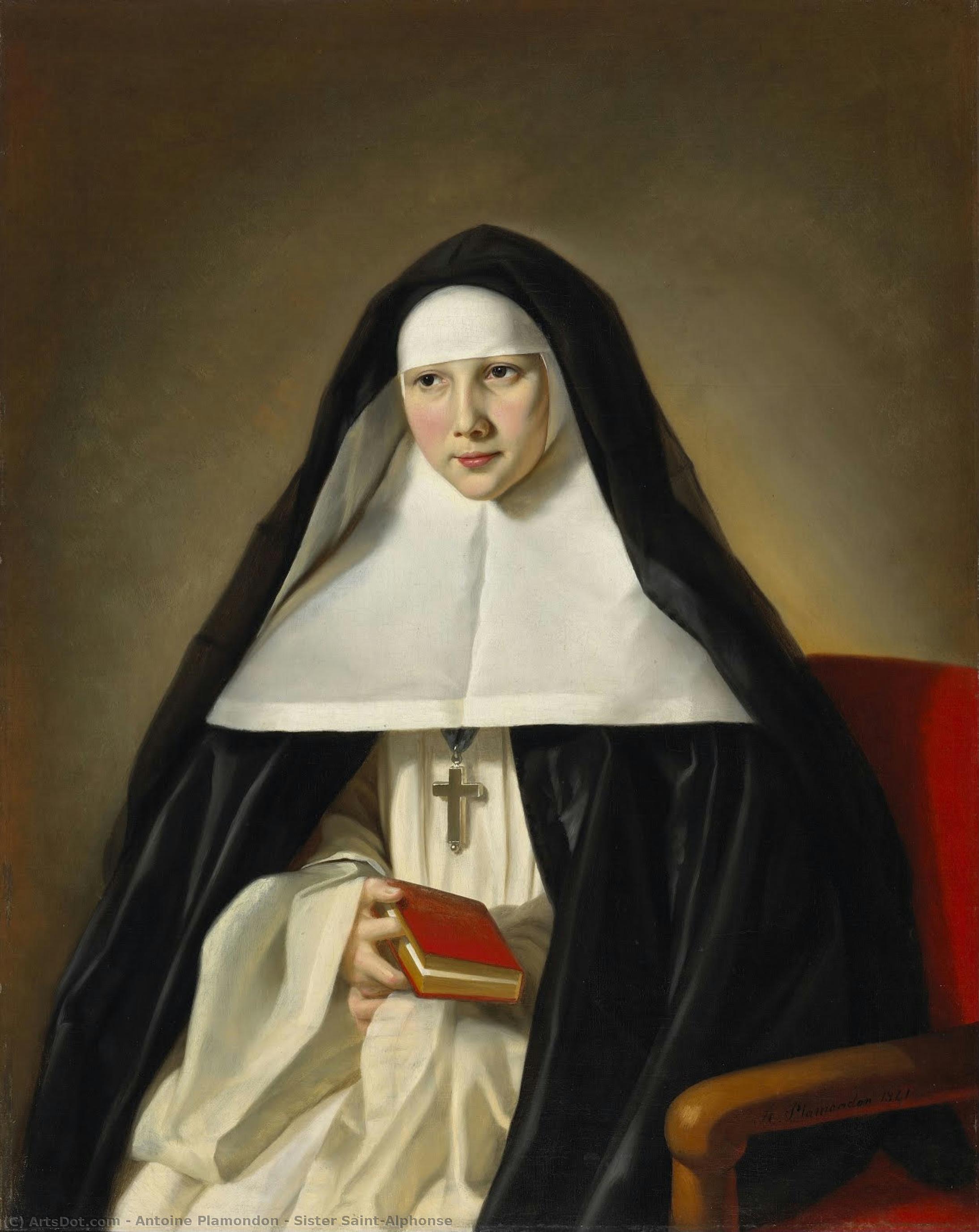
Sister Saint-Alphonse
 Acrylic
- WallArt
- Romantic Portraiture
 1841
1841 90.0 x 72.0 cm
 National Gallery of Canada
 Pročitaj više
Ručno rađena uljana reprodukcija
Ručno oslikano uljanim bojama na platnu u dimenzijama i okviru po vašem izboru, izrađeno po porudžbini od strane naših umetnika. ( Kupi print Kupi digitalnu sliku)




P118B $10

P118H $10

P118W $10

P438Z $10

P508JH $12

P508YH $12

P805H $10

P805Z $10

P919BZ $10

P919G $10

P919XJ $10

P959ZH $10

P968JZ $12

W106C $8

W218G $10

W218JH $8

W218Y $10

W307PJ $10

W316G $10

W316PJ $8

W316Y $10

W398PJ $8

W4111J $10

W500HY $15

W500JH $15

W692G $12

W849H $8

W940BG $15

W953PJ $8




Izaberite jednu od naših unapred definisanih veličina koje odgovaraju originalnim proporcijama umetničkog dela.

Можете унети сопствене димензије како бисте прилагодили дело одређеном оквиру или простору. Ако одабрана величина не одговара пропорцијама оригинала, слика ће бити исечена или проширена додатним елементима који се ручно насликавају. Дигитални prikaz ће вам бити послат на одобрење пре почетка производње.
Имајте на уму да преглед на екрану не одражава стварно исецање или проширење. Само приказ (mockup) ће тачно приказати коначну композицију.
Иако су доступне прилагођене величине, препоручујемо да одаберете димензију из дефинисане листе како бисте сачували оригиналне пропорције.
Nakon narudžbine, tim ArtsDot.com će klijentu putem e-pošte poslati uputstva i dostaviti prikaz predloženog rešenja
Isporuka širom sveta () za 3/4 nedelje umesto uobičajenih 5 nedelja. (26 август). Bez kompromisa po pitanju kvaliteta.

Besplatna ekspresna dostava širom sveta

Visokokvalitetno laneno platno

Kompletno osiguranje transporta

Garancija povraćaja carine i uvoznih dažbina

Garancija vernosti boja

Politika povrata u roku od 60 dana (samo u slučaju nedostataka)

Garancija povrata novca od 100%

Popust pri grupnoj kupovini
 Opcija sa staklom dostupna je samo za dimenzije manje od 110 cm

Sister Saint-Alphonse
Tehnika reprodukcije
Dimenzije reprodukcije
-


Konačna cena
$ 263
Opis umetničkog dela
A Portrait of Faith: Antoine Plamondon’s Sister Saint-Alphonse
Antoine Plamondon's “Sister Saint-Alphonse,” completed in 1841, stands as a testament to Quebec’s burgeoning artistic landscape during the Victorian era and embodies the spiritual fervor of its time. This striking portrait captures the solemn gaze of a nun—Saint Alphonse—a figure revered for her piety and devotion—a subject frequently explored by artists seeking to convey moral virtue.
- Subject Matter: The painting focuses on Saint Alphonse, a Dominican nun known for her unwavering faith and charitable works. Her presence is deliberately rendered with dignity and seriousness, reflecting the values upheld within the Catholic Church during Plamondon’s era.
- Style & Technique: Plamondon adheres to Neoclassical principles, prioritizing clarity of form and idealized representation. The composition employs a pyramidal structure, directing the viewer's eye upwards towards Saint Alphonse’s face—a hallmark of artistic conventions aimed at conveying nobility and spiritual contemplation. He skillfully utilizes chiaroscuro – dramatic contrasts between light and shadow – to sculpt Saint Alphonse’s figure and imbue it with depth and emotional resonance.
The muted gray background serves as a crucial element in enhancing the impact of the portrait. It minimizes distractions, allowing Plamondon to concentrate on capturing Saint Alphonse's countenance and conveying her inner tranquility. The inclusion of two chairs subtly reinforces the contemplative atmosphere, suggesting a moment of quiet reflection.
- Symbolism: Beyond its formal beauty, “Sister Saint-Alphonse” carries symbolic weight. The nun’s habit—a symbol of religious devotion—represents humility and purity. The book in her hand signifies knowledge and spiritual contemplation – a cornerstone of monastic life. Crucially, the cross adorning her neck symbolizes Christian faith and redemption.
- Historical Context: Created during a period marked by significant social reformations and artistic revival, Plamondon’s work reflects the broader cultural preoccupation with morality and piety prevalent in Quebec society. It aligns with the stylistic trends of Parisian ateliers at the time, demonstrating Plamondon's engagement with European artistic currents.
The meticulous attention to detail—from the folds of Saint Alphonse’s veil to the subtle shading on her face—underscores Plamondon’s mastery of technique and his commitment to portraying human dignity with grace. “Sister Saint-Alphonse” continues to inspire admiration for its serene beauty and profound spiritual message, offering a glimpse into Quebec’s artistic heritage and the enduring power of faith.
Srodna umetnička dela
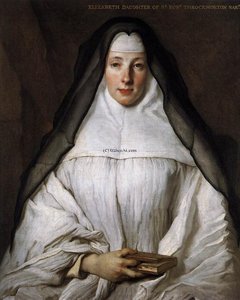
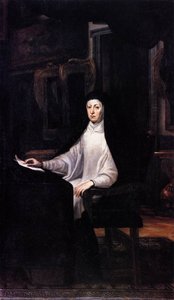
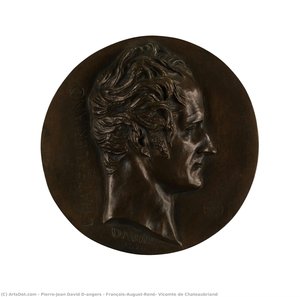
Biografija umetnika
Antoine-Sébastien Plamondon: A Pioneer of Quebec Portraiture
Early Life and Training
- Born: 1804 in L'Ancienne-Lorette, Lower Canada (present-day Quebec).
- Plamondon began his artistic journey at the age of fifteen as an apprentice to Joseph Légaré, a prominent religious painter and restorer.
- His initial training focused on restoration work, specifically a large collection of European paintings assembled by Abbé Louis-Joseph Desjardins and his associates. This exposure provided invaluable experience with Old Master techniques.
- By age twenty-one, he had established himself as a skilled artist with a particular aptitude for portraiture.
Artistic Development & Parisian Studies
- In 1825, Plamondon opened his own studio in Montreal and began accepting commissions for churches in Beaumont, Bécancour, and Cap Santé.
- Recognizing his talent, Vicar-General Descheneaux secured funding for him to study painting in Paris from 1826 to 1830.
- In Paris, he became a pupil of Jean-Baptiste Paulin Guérin, a portrait painter and follower of Jacques-Louis David. This mentorship instilled in Plamondon a classical approach to painting.
- His Parisian studies exposed him to the prevailing Neo-classical style, which would become a defining characteristic of his work.
Career & Major Works
- Upon returning to Quebec in 1830, Plamondon quickly established himself as a leading portraitist.
- Notable works include:
- Louis-Joseph Papineau (1836), now housed at the National Gallery of Canada.
- Sister Saint-Alphonse, showcasing his mastery of early Canadian art.
- Portrait of Grand Duchess Maria Alexandrovna, a demonstration of his refined portrait skills.
- He painted over fifty portraits of prominent figures in Quebec City society – bishops, clerics, politicians, doctors, merchants, and their families.
- Plamondon also created numerous religious paintings for churches throughout the region, often based on engravings of European Old Masters.
Style & Influences
- Plamondon’s style is characterized by its Neo-classical precision and formality. His portraits typically feature full-face poses, close compositions, and meticulous attention to detail.
- Influences:
- Jean-Baptiste Paulin Guérin: Provided formal training in Neo-classical portraiture.
- Jacques-Louis David: Inspired his classical approach to composition and form.
- European Old Masters: Influenced his religious paintings through the study of engravings.
- His later portraits exhibited a greater sense of roundness in modeling and more expansive compositions.
Legacy & Historical Significance
- Plamondon is considered one of the most important portraitists in 19th-century Quebec.
- His work provides valuable insights into the social and cultural life of the period, capturing the likenesses of influential individuals.
- He played a crucial role in establishing a distinctly Canadian artistic identity, blending European training with local subject matter.
- His paintings are held in prominent collections, including the National Gallery of Canada and the Musée des beaux-arts du Canada, ensuring his enduring legacy.
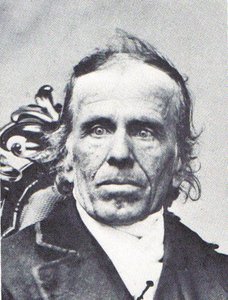
antoine plamondon
1895 , Canada
Osnovne informacije
- Birth Date: 1804
- Birth Place: L'Ancienne-Lorette, Canada
- Death Date: 1895
- Influenced By:
- Jean-Baptiste Paulin Guérin
- Jacques-Louis David
- Movement: Neo-classicism
- Name: Antoine-Sébastien Plamondon
- Nationality: Canadian
- Notable Works:
- Louis-Joseph Papineau
- Sister Saint-Alphonse
Povezani članci

The Enduring Legacy of Oil on Canvas: Technique, History & Aesthetic Impact
Explore the rich history & techniques of oil painting – from Renaissance masters to Impressionism. Discover pigments, layering methods, and why this timeless medium endures. Expert insights for artists & art enthusiasts.

Oil on Canvas: A Historical & Technical Exploration of a Timeless Artistic Medium
Explore the rich history & enduring techniques of oil painting on canvas. Discover the science behind its longevity, conservation practices, and contemporary relevance. Expert insights for art enthusiasts.
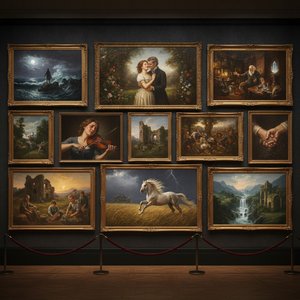
Romantic Realism's Finest: 10 Masterpieces for Your Home | ArtsDot
Explore 10 defining masterpieces of Romantic Realism! Discover Courbet, Millet & Daumier's powerful paintings—capturing emotion and social realities. Find museum-quality reproductions for your home at ArtsDot.com.

The Enduring Power of Painting: A Historical & Contemporary Exploration of Form and Emotion
Explore the rich history & enduring techniques of oil painting with ArtsDot. Discover masterpieces, learn about art collecting, and find authentic handmade reproductions crafted by skilled artists.

The Enduring Legacy of Likeness: Commissioning Oil Portraits as Vessels of Memory and Emotional Connection
Commission a timeless oil portrait with ArtsDot.com! Expert artists capture your legacy & emotions in museum-quality paintings. Preserve family history – explore our bespoke services today.

