

 Pregledaj u prostoru
 Pošalji
 Podeli
 Detalji o delu

 Преузми
 Slični predmeti
 Rendgenski snimak
 Slajdovi
 Statistika
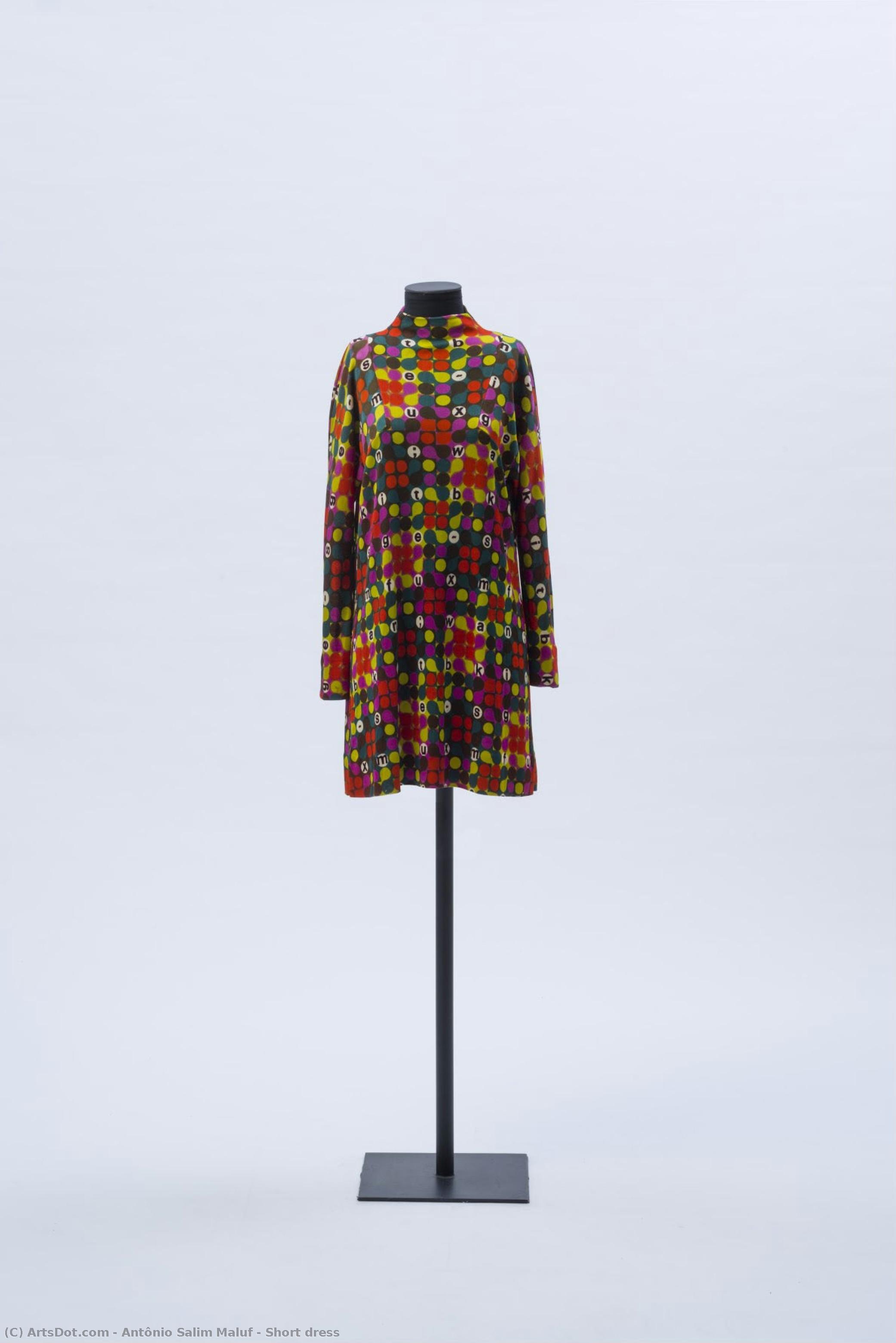
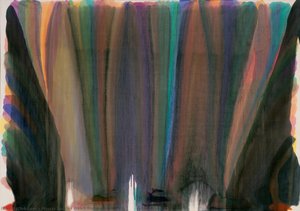
Short dress


 Pročitaj više
Giclee štampa / Umetnički otisak
Giclée štampa ili print na platnu muzejskog kvaliteta uz brzu proizvodnju i fleksibilne opcije završne obrade. ( Kupi ručno naslikanu sliku Pređi na digitalnu sliku)




P118B $10

P118H $10

P118W $10

P438Z $10

P508JH $12

P508YH $12

P805H $10

P805Z $10

P919BZ $10

P919G $10

P919XJ $10

P959ZH $10

P968JZ $12

W106C $8

W218G $10

W218JH $8

W218Y $10

W307PJ $10

W316G $10

W316PJ $8

W316Y $10

W398PJ $8

W4111J $10

W500HY $15

W500JH $15

W692G $12

W849H $8

W940BG $15

W953PJ $8




Izaberite jednu od naših unapred definisanih veličina koje odgovaraju originalnim proporcijama umetničkog dela.

Možete uneti sopstvene dimenzije kako biste umetničko delo prilagodili specifičnom okviru ili prostoru. Ako odabrani format ne odgovara proporcijama originalne slike, mi ćemo ili iscrtati deo dela ili proširiti sliku pomoću ogledane ivice ili jednobojnog popunjavanja. Digitalni prikaz će vam biti poslat na odobrenje pre početka proizvodnje.
Imajte na umu da pregled na ekranu ne odražava stvarno iscrtavanje ili proširivanje. Samo će prikaz (mockup) precizno pokazati finalnu kompoziciju.
Iako su prilagođene dimenzije dostupne, preporučujemo da odaberete dimenziju sa unapred definisane liste kako biste očuvali originalne proporcije.
Dostava širom sveta () za 2 nedelje umesto uobičajenih 4/5 nedelja. (10 септембар)

Besplatna ekspresna dostava širom sveta

Visokokvalitetno laneno platno

Kompletno osiguranje transporta

Garancija povraćaja carine i uvoznih dažbina

Garancija vernosti boja

Politika povraćaja u roku od 100 dana (isključivo u slučaju nedostataka)

Garancija povrata novca od 100%

Popust pri grupnoj kupovini
 Opcija sa staklom dostupna je samo za dimenzije manje od 110 cm

Short dress
Giclee štampa / Umetnički otisak
Dimenzije reprodukcije
-


Konačna cena
$ 62
Srodna umetnička dela

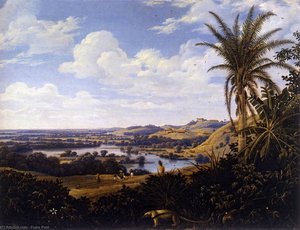
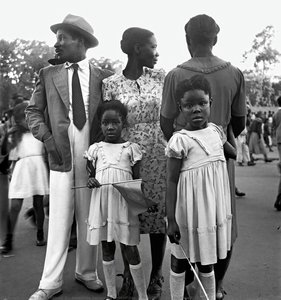
Biografija umetnika
Antonio Salim Maluf: A Pioneer of Brazilian Constructivism and Political Engagement
Antonio Salim Maluf (b. 1931) stands as a singular figure in Brazilian art history—a sculptor, painter, architect, and politician whose multifaceted career reflects the turbulent socio-political landscape of mid-20th century Brazil. Born in São Paulo, he emerged from the vibrant artistic milieu of Grupo ruptura, a movement that championed geometric abstraction and challenged traditional representational conventions. This formative experience profoundly shaped his artistic vision and instilled within him a commitment to social reform that would extend far beyond the studio walls.- Early Life & Artistic Formation: Maluf’s initial training encompassed classical sculpture under Alfredo Vittor Pozzi, grounding him in traditional techniques before embracing the radical aesthetic principles of Constructivism. He honed his skills at São Paulo Art School and later pursued postgraduate studies at Yale University, absorbing influences from Bauhaus and European avant-garde movements.
- Grupo ruptura & The Pursuit of Objectivity: Joining Grupo ruptura in 1952 alongside Waldemar Cordeiro, Luis Sacilotto, Lothar Charoux, and Geraldo de Barros, Maluf spearheaded the exploration of concrete forms—mathematical progressions and geometric abstractions—as a means of conveying ideas without resorting to illusionistic representation. His seminal work “Idéia visível” exemplifies this approach, utilizing industrial paints and modular elements to achieve an uncompromising visual clarity.
- Notable Sculptures & Architectural Projects: Maluf’s sculptural output includes monumental pieces like “O Homem,” a towering bronze sculpture commemorating São Paulo’s centenary in 1954—a testament to his mastery of material and form. Simultaneously, he undertook ambitious architectural projects, notably the Museu Antônio Parreiras in Rio de Janeiro, designed with minimalist aesthetics and incorporating innovative structural solutions.
- Political Career & Public Service: Maluf transitioned into politics during the 1960s, serving as Governor of São Paulo from 1967 to 1974 and Mayor from 1975 to 1982. His tenure was marked by significant infrastructural developments—bridges, highways, and urban renewal initiatives—that solidified his reputation as a “builder” and cemented his populist appeal.
- Later Years & Controversies: Despite achieving considerable success in both art and governance, Maluf’s career faced scrutiny following allegations of corruption that culminated in a conviction in 2017. Sentenced to prison for embezzlement, he endured a brief incarceration before being placed under house arrest due to deteriorating health. He remains active as president of the São Paulo branch of PPB and is currently subject to an Interpol Red Notice for extradition proceedings related to US charges concerning conspiracy and criminal possession.
The Influence of Bauhaus & European Avant-Garde
Maluf’s artistic sensibilities were undeniably shaped by the intellectual currents circulating in Europe during his formative years. The Bauhaus movement, championed by Walter Gropius, instilled within him a belief in functionalism and the unification of art and technology—principles that resonated deeply with Grupo ruptura's ethos. Similarly, explorations into European Constructivism provided inspiration for his sculptural endeavors, emphasizing geometric precision and rejecting decorative embellishments. These influences underscored Maluf’s conviction that art should serve as a catalyst for social progress and contribute to the betterment of human existence.Grupo ruptura: A Synthesis of Geometry & Industrial Aesthetics
Grupo ruptura represented a pivotal moment in Brazilian artistic history—a decisive break from traditional styles and an embrace of radical experimentation. The group’s theoretical framework, derived from Theo van Doesburg's manifesto on Constructivism, prioritized objectivity and sought to liberate art from the constraints of illusionism. This commitment translated into tangible aesthetic outcomes: sculptures crafted from industrial materials like aluminum and cardboard; paintings utilizing modular elements and industrial paints; and a deliberate rejection of subjective expression in favor of geometric abstraction.São Paulo’s Museu Antônio Parreiras: A Monument to Minimalist Vision
The Museu Antônio Parreiras stands as an enduring symbol of São Paulo's architectural heritage—a building conceived by Maluf himself that embodies the principles of Constructivism and exemplifies minimalist design aesthetics. Constructed in 1983, the museum’s façade is characterized by its austere geometric form and its use of reinforced concrete—materials chosen to convey solidity and permanence. Inside, the space is sparsely furnished and bathed in natural light, creating an environment conducive to contemplation and artistic appreciation.Political Legacy & The Debate Over Public Works
Antonio Salim Maluf’s political career remains a subject of ongoing debate—a discussion centered on the merits and drawbacks of prioritizing infrastructural development as a means of addressing social inequalities. Supporters laud his accomplishments in revitalizing São Paulo's urban landscape and boosting its economy, arguing that his initiatives benefited countless citizens. Critics contend that his focus on grand public projects diverted resources from essential services and fueled corruption scandals—accusations substantiated by legal proceedings culminating in his conviction for embezzlement. Nevertheless, Maluf’s legacy persists as a complex tapestry woven with threads of artistic innovation and political ambition.
antônio salim maluf
1931 - , Brazil
Osnovne informacije
- Artistic Movement Or Style: Concrete Art
- Artists Or Movements Influenced By This Artist: ['Grupo ruptura']
- Artists Who Influenced This Artist:
- Theo van Doesburg
- Max Bill
- Date Of Birth: September 3, 1931
- Full Name: Antonio Salim Maluf
- Nationality: Brazilian
- Notable Artworks: ['Progressões']
- Place Of Birth: São Paulo, Brazil
Povezani članci
The Enduring Appeal of Geometric Patterns in Art: A Historical & Contemporary Exploration
Explore the captivating history of geometric abstraction in art, from ancient roots to contemporary masters. Expert insights for collectors & enthusiasts. Discover key artists, movements & investment potential.
Geometric Design in Art: A Historical Survey & Contemporary Appeal for Collectors
Explore the enduring legacy of geometric abstraction! Discover key artists, historical movements & investment insights for discerning art collectors. Expert guidance from ArtsDot.
Beyond Form & Color: Geometric Abstraction's Evolution in 20th/21st Century Art
Explore the evolution of geometric abstraction from Cubism to contemporary art. Discover key artists like Malevich & Mondrian, investment insights, and expert collecting advice at ArtsDot.
Gianfranco Ferré: Deconstructing Haute Couture – A Legacy of Architectural Form
Explore the revolutionary world of Gianfranco Ferré, 'the architect of fashion.' Discover his architectural approach to haute couture, iconic Dior designs, and lasting influence on luxury style. A deep dive for collectors & enthusiasts.

Top 10 dela geometrijske apstrakcije koje morate videti | ArtsDot.com
Istražite 10 remek-dela geometrijske apstrakcije – Mondrian, Malevič i Kandinski. Otkrijte priče iza ovih ikoničnih slika i pronađite inspiraciju za dekoraciju enterijera sa ArtsDot.com! Reprodukcije vrhunskog kvaliteta.