

 Pregledaj u prostoru
 Pošalji
 Podeli
 Detalji o delu

 Преузми
 Slični predmeti
 Rendgenski snimak
 Slajdovi
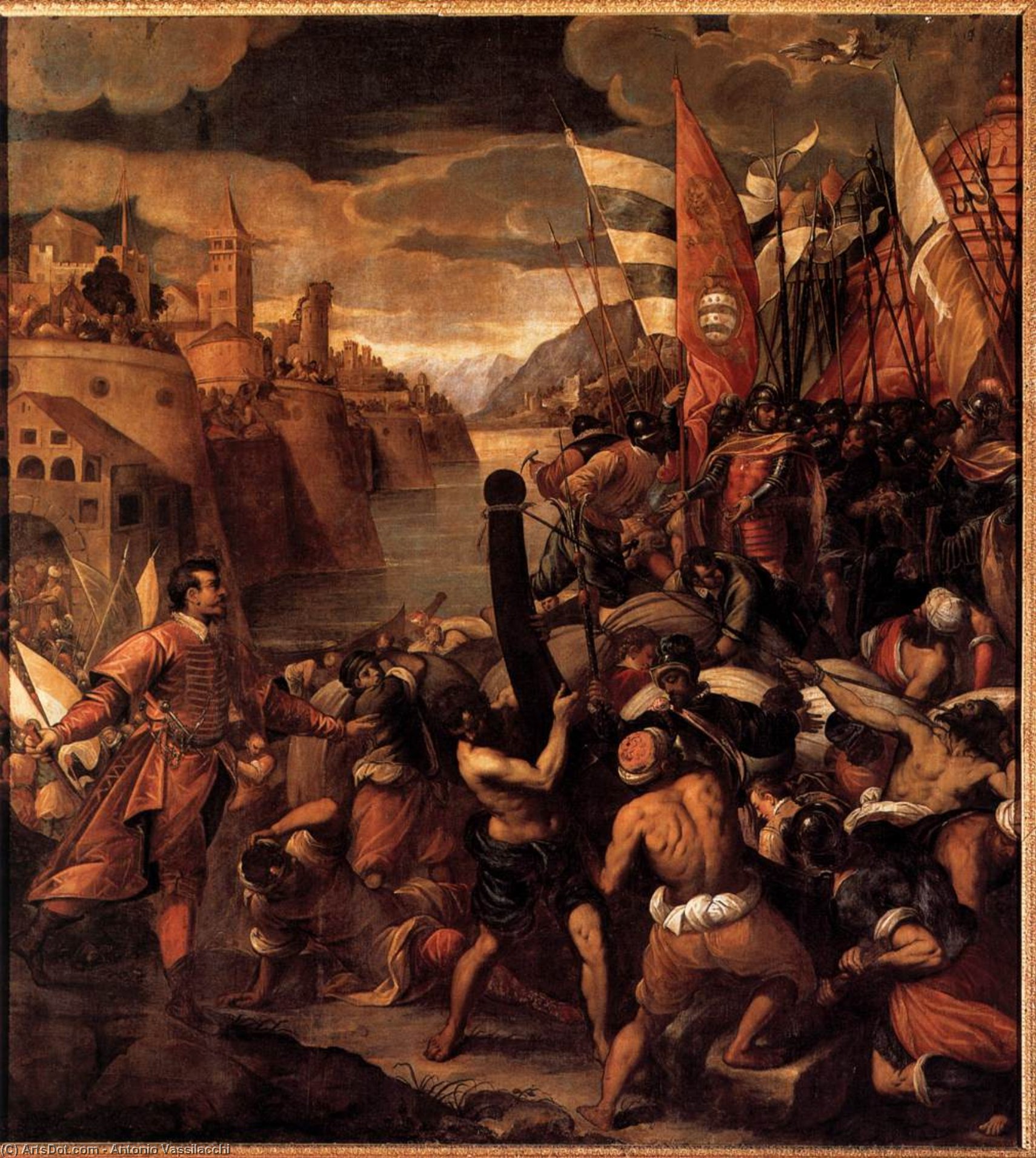
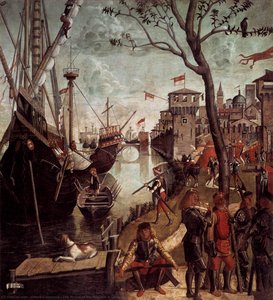
Conquest of Tyre


 Pročitaj više
Kupite digitalnu sliku visoke rezolucije i poboljšanog kvaliteta, koja je znatno superiornija od onoga što vidite u online prikazu.
Svaka datoteka je pedantno pripremljena od strane naših stručnjaka koristeći napredne alate i profesionalnu ručnu retušu. Osiguravamo da svaka slika ima izuzetnu oštrinu, preciznu reprodukciju boja i fine detalje.
Konačna datoteka se dostavlja putem e-pošte u roku od 72 sata, optimizovana za neposrednu upotrebu u profesionalnim, izdavačkim i štamparskim okruženjima. To je isti kvalitet kojem veruju vrhunski studiji dizajna, izdavači i galerije.
Digitalna slika
Preuzmite datoteku visoke rezolucije za ličnu upotrebu, štampanje i kreativne projekte. ( Kupi print Kupi ručno naslikanu sliku)
Uključeno uz svaku porudžbinu digitalne slike
Profesionalna digitalna isporuka, zagarantovana
Kada odaberete ArtsDot.com, ne dobijate samo sliku – vi primate profesionalno unapređeno digitalno umetničko delo, izrađeno sa najvećom preciznošću i uz garanciju zadovoljstva. Evo svega što automatski dolazi uz vašu porudžbinu:

Brza dostava putem e-pošte
Vaša digitalna slika visoke rezolucije biće vam poslata putem e-pošte u roku od 72 sata od poručivanja – spremna za trenutnu upotrebu.

Digitalna datoteka unapređena veštačkom inteligencijom
Vaše umetničko delo je profesionalno optimizovano korišćenjem naprednih AI alata i ručne obrade, čime se osiguravaju maksimalni detalji, oštrina i preciznost boja.

Besplatna ponovna isporuka doživotno
Slučajno ste obrisali ili izgubili svoju datoteku? Ne brinite – poslaćemo vam je ponovo u bilo kom trenutku, potpuno besplatno.

Bez troškova uvoza – zauvek
Uživajte u svojim umetničkim delima trenutno, bez carine, dažbina ili troškova dostave – digitalni download je uvek bez poreza.

Garancija vernosti boja
Uz pomoć profesionalnih alata i upravljanja bojama, osiguravamo da vaša digitalna slika što vernije odražava originalne boje.

Garancija zadovoljstva u roku od 60 dana
Ako niste zadovoljni svojom digitalnom slikom, revidirat ćemo je ili vratiti 100% novca u roku od 60 dana – bez ikakvih pitanja.

100% garancija povrata novca
Niste zadovoljni? Obezbedite pun povrat novca u roku od 60 dana od trenutka kada ste primili svoju digitalnu datoteku – bez suvišnih pitanja.

Popusti na velike porudžbine
Kupite 3 slike, uštedite 10% - Kupite 5 slika, uštedite 15% - Kupite 10+ slika, uštedite 20%. Odlično za kreativne projekte, galerije i agencije.
Opis kolekcionarskog dela
Antonio Vassilacchi’s Conquest of Tyre: A Venetian Echo in Aegean Stone
The Sala dello Scrutinio (Voting Hall) within the Doge's Palace stands as a testament to Venice’s ambition and artistic prowess—a space meticulously crafted to project power and prestige. And dominating this hall is Antonio Vassilacchi’s monumental depiction of Alexander the Great’s siege of Tyre, completed in 1590. More than just a historical record, it's an embodiment of Venetian Baroque ideals, infused with subtle references to Vassilacchi’s Greek heritage, offering viewers a profound meditation on victory and dominion.- Subject Matter: The painting captures the pivotal moment when Alexander’s forces breached Tyre’s formidable defenses in 332 BC, marking a decisive triumph for Macedonian rule over Phoenician resistance. Vassilacchi skillfully portrays the clash between Greek military might and Tyrian tenacity, conveying the drama of battle with dynamic composition and meticulous detail.
- Style & Technique: Vassilacchi adheres to the Venetian Baroque style—characterized by dramatic lighting, rich color palettes, and theatrical grandeur—a stylistic choice that reflects Venice’s position as a leading artistic center during its golden age. Employing oil paint on canvas, he achieves remarkable textural depth and luminosity, capturing the intensity of the scene with masterful brushwork.
- Historical Context: Tyre, once a dominant maritime power controlling trade routes in the Eastern Mediterranean, represented a significant obstacle to Alexander’s eastward expansion. Vassilacchi's depiction aligns perfectly with Venetian fascination for classical history and mythology—a genre favored by artists eager to elevate their works through erudition and symbolic resonance.
- Symbolism: The painting is replete with visual symbols intended to convey moral and spiritual significance. Notably, the central figure of Alexander embodies courage and leadership, while the Tyrian defenders symbolize resistance against oppression. Furthermore, the two birds soaring above the battlefield represent victory—a triumphant emblem reflecting Venice’s own maritime successes during Vassilacchi's lifetime.
- Emotional Impact: Vassilacchi’s Conquest of Tyre transcends mere visual representation; it aims to inspire awe and admiration in the viewer. The artist skillfully utilizes chiaroscuro – dramatic contrasts between light and dark—to heighten emotional intensity, drawing attention to key figures and emphasizing the urgency of the confrontation.
A Venetian Voice Amidst Classical Inspiration
Vassilacchi’s artistic identity is inextricably linked to his upbringing in Milos, Greece – a heritage that subtly informs his stylistic choices. Unlike many of his contemporaries who embraced purely Roman influences, Vassilacchi retained a distinctive Venetian sensibility—evident in the grandeur of scale and the meticulous attention to detail characteristic of Baroque painting. This duality underscores the artist’s ability to synthesize disparate traditions into a cohesive artistic vision.Detailed Examination: Composition & Color Palette
The Sala dello Scrutinio's ceiling canvas showcases Vassilacchi’s compositional prowess—a carefully orchestrated arrangement designed to command attention and convey narrative clarity. The figures are positioned with deliberate precision, creating a dynamic interplay of movement and gesture that captures the frenetic energy of battle. Simultaneously, Vassilacchi employs a vibrant color palette dominated by reds, golds, and blues—colors traditionally associated with royalty and divine authority—further amplifying the painting’s dramatic impact.Further Research & Resources
For deeper exploration into Antonio Vassilacchi's life and work, consult resources such as:- Antonio Vassilacchi’s Conquest of Tyre
- Antonio Vassilacchi
- Conquest of Tyre by VASSILACCHI, Antonio
- File:VASSILACCHI,_Antonio_-_Conquest_of_Tyre_-_1590.JPG
Licensing
This artwork is freely available under CC ZERO 1.0 license.Srodna umetnička dela

Biografija umetnika
A Greek Voice in Venetian Splendor: The Life and Art of Antonio Vassilacchi
Antonio Vassilacchi, known affectionately as L'Aliense – “the foreigner” – stands as a compelling figure within the vibrant tapestry of late Renaissance and early Baroque Venice. Born in 1556 on the sun-drenched island of Milos, Greece, his journey to become a celebrated painter in one of Europe’s most cosmopolitan cities is a testament to talent, adaptability, and the enduring power of artistic ambition. Leaving his homeland at a young age, Vassilacchi arrived in Venice, a republic brimming with artistic innovation and cultural exchange, ready to absorb its influences while retaining a distinct identity forged by his Greek heritage. This duality would become a defining characteristic of his work, setting him apart from many of his contemporaries. He wasn’t merely an artist *in* Venice; he was an artist *of* Venice, yet always subtly marked by the echoes of his Aegean origins.Apprenticeship and Early Commissions: Forging a Venetian Style
Vassilacchi's artistic education began under the tutelage of Paolo Veronese, a master renowned for his opulent color palettes, dynamic compositions, and grand-scale frescoes. This apprenticeship proved foundational, instilling in Vassilacchi a deep understanding of Venetian painting techniques and aesthetics. He quickly absorbed Veronese’s mastery of light and shadow, his ability to create bustling scenes filled with richly dressed figures, and his penchant for dramatic storytelling. However, while deeply influenced by his mentor, Vassilacchi didn't simply imitate; he began to develop his own unique voice. Early commissions – frescoes in the episcopal palace at Treviso and churches in Padua and Venice – allowed him to hone his skills and experiment with different styles. These early works demonstrate a growing confidence and an emerging talent for capturing both human emotion and architectural grandeur. A pivotal moment arrived in 1577, when a devastating fire ravaged the Doge's Palace, offering Vassilacchi a crucial opportunity to showcase his abilities on a monumental scale as one of the artists tasked with its restoration.The Palazzo Ducale and a Flourishing Career
The reconstruction of the Doge’s Palace proved transformative for Vassilacchi. This commission wasn't merely about repairing damage; it was about recreating the very heart of Venetian power and prestige. He contributed extensively to numerous halls, including the Grand Council Hall, Senate Hall, and Hall of the Compass, immersing himself in the city’s political and social life while simultaneously leaving an indelible mark on its artistic landscape. His work within the Palazzo Ducale demonstrates a remarkable versatility – he could depict historical events with dramatic flair, portray allegorical figures with elegant grace, and capture the intricate details of Venetian architecture with meticulous precision. Beyond the Doge's Palace, Vassilacchi continued to receive commissions from churches throughout Venice and beyond. Notable examples include “The Transfiguration” at San Marziale and a cycle of paintings depicting the life of Christ at San Pietro in Perugia, showcasing his skill in religious iconography and narrative painting. In 1600, he became a member of ‘the brotherhood of saint nicolas of the greek nation’, one of Venice’s most vibrant communities for foreign artists, further solidifying his place within the city's cultural fabric.Legacy and Artistic Significance: Bridging Cultures
Antonio Vassilacchi occupies a unique position in the history of Venetian art. As a Greek painter working primarily in Italy, he served as a bridge between cultures, contributing to Venice’s renowned cosmopolitan atmosphere. His ability to secure prestigious commissions – particularly his extensive work at the Doge's Palace – underscores his reputation as a respected and sought-after artist. While often overshadowed by more celebrated contemporaries like Veronese or Titian, Vassilacchi’s legacy lies in his significant contributions to Venetian art and his role as a representative of Greek cultural identity within the Italian Renaissance. His style, evolving from the High Renaissance influences of Veronese towards the emerging Baroque aesthetic, is characterized by dynamic compositions, rich colors, and dramatic lighting – hallmarks that would come to define the artistic landscape of the 17th century. He was also a dedicated teacher, passing on his knowledge and skills to pupils like Tomasso Dollobella, ensuring that his artistic vision continued to inspire future generations. L'Aliense, the foreigner, ultimately became an integral part of Venice’s artistic soul, leaving behind a body of work that continues to captivate and inspire today.Major Works
- Frescoes in the Doge's Palace: Arguably his most significant achievement, showcasing versatility across numerous halls.
- Paintings for Churches: Including “The Transfiguration” at San Marziale and the cycle depicting Christ’s life at San Pietro in Perugia.
- “Triumph Of The Order Of The Benedictines”: A monumental painting located in Perugia, demonstrating skill in large-scale compositions and narrative storytelling.
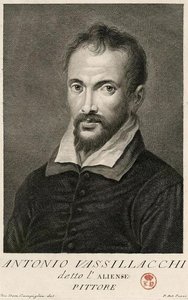
Antonio Vasilaki
1556 - 1629


