

 Pregledaj u prostoru
 Pošalji
 Podeli
 Detalji o delu

 Преузми
 Slični predmeti
 Rendgenski snimak
 Slajdovi
 Statistika
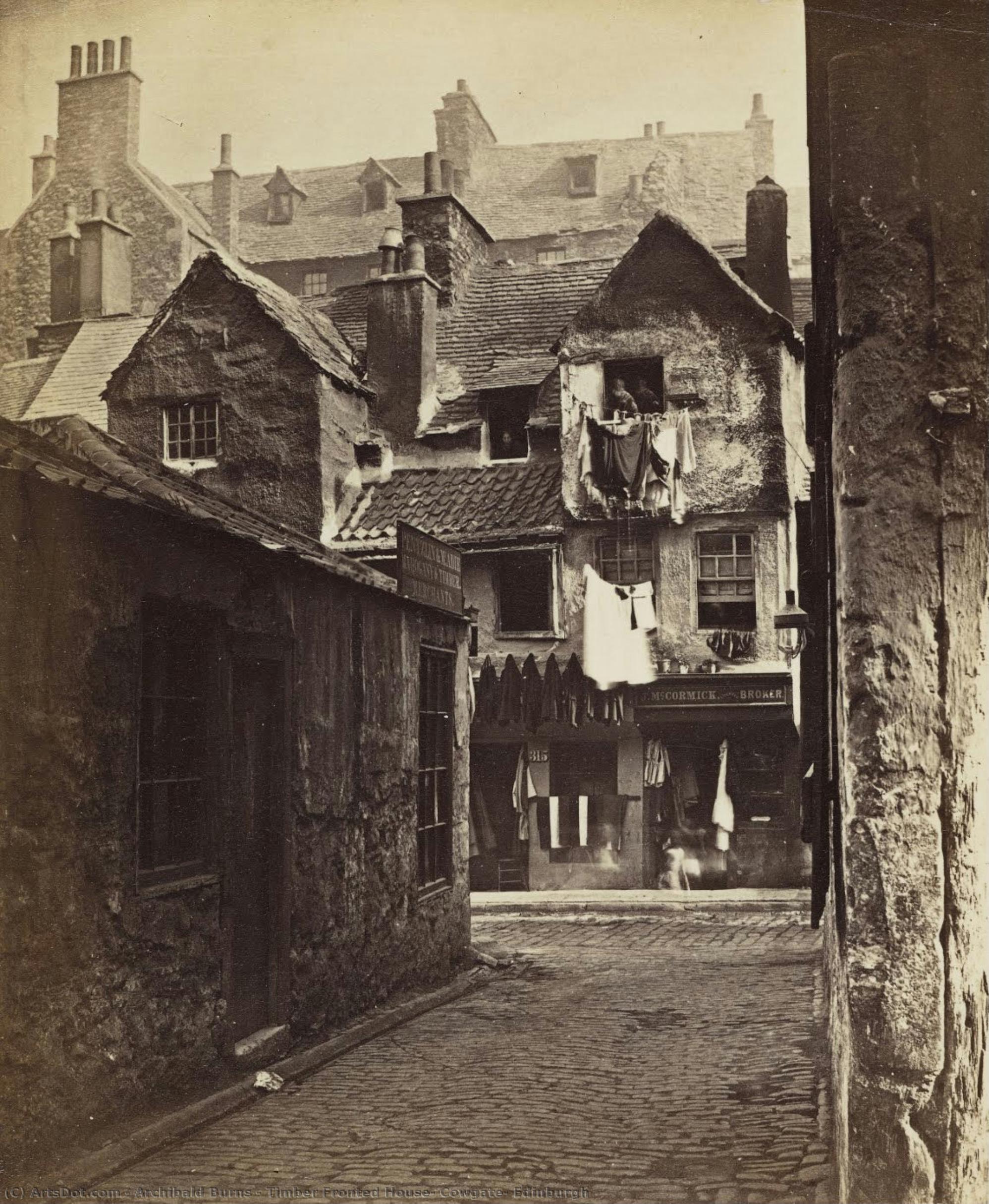
Timber Fronted House, Cowgate, Edinburgh


 Pročitaj više
Kupite digitalnu sliku visoke rezolucije i poboljšanog kvaliteta, koja je znatno superiornija od onoga što vidite u online prikazu.
Svaka datoteka je pedantno pripremljena od strane naših stručnjaka koristeći napredne alate i profesionalnu ručnu retušu. Osiguravamo da svaka slika ima izuzetnu oštrinu, preciznu reprodukciju boja i fine detalje.
Konačna datoteka se dostavlja putem e-pošte u roku od 72 sata, optimizovana za neposrednu upotrebu u profesionalnim, izdavačkim i štamparskim okruženjima. To je isti kvalitet kojem veruju vrhunski studiji dizajna, izdavači i galerije.
Digitalna slika
Preuzmite datoteku visoke rezolucije za ličnu upotrebu, štampanje i kreativne projekte. ( Pređi na štampu Kupi ručno naslikanu sliku)
Uključeno uz svaku porudžbinu digitalne slike
Profesionalna digitalna isporuka, zagarantovana
Kada odaberete ArtsDot.com, ne dobijate samo sliku – vi primate profesionalno unapređeno digitalno umetničko delo, izrađeno sa najvećom preciznošću i uz garanciju zadovoljstva. Evo svega što automatski dolazi uz vašu porudžbinu:

Brza dostava putem e-pošte
Vaša digitalna slika visoke rezolucije biće vam poslata putem e-pošte u roku od 72 sata od poručivanja – spremna za trenutnu upotrebu.

Digitalna datoteka unapređena veštačkom inteligencijom
Vaše umetničko delo je profesionalno optimizovano korišćenjem naprednih AI alata i ručne obrade, čime se osiguravaju maksimalni detalji, oštrina i preciznost boja.

Besplatna ponovna isporuka doživotno
Slučajno ste obrisali ili izgubili svoju datoteku? Ne brinite – poslaćemo vam je ponovo u bilo kom trenutku, potpuno besplatno.

Bez troškova uvoza – zauvek
Uživajte u svojim umetničkim delima trenutno, bez carine, dažbina ili troškova dostave – digitalni download je uvek bez poreza.

Garancija vernosti boja
Uz pomoć profesionalnih alata i upravljanja bojama, osiguravamo da vaša digitalna slika što vernije odražava originalne boje.

Garancija zadovoljstva od 100 dana
Ako niste zadovoljni svojom digitalnom slikom, izvršićemo reviziju ili ćemo vam vratiti 100% novca u roku od 100 dana – bez ikakvih pitanja.

100% garancija povrata novca
Niste zadovoljni? Dobijte puni povraćaj novca u roku od 100 dana od prijema digitalne datoteke – bez suvišnih pitanja.

Popusti na velike porudžbine
Kupite 3 slike, uštedite 10% - Kupite 5 slika, uštedite 15% - Kupite 10+ slika, uštedite 20%. Odlično za kreativne projekte, galerije i agencije.
Srodna umetnička dela








Biografija umetnika
Archibald Burns: Preserving Edinburgh’s Soul Through Light and Shadow
Archibald Burns, a name perhaps less familiar than some of his contemporaries, stands as a quietly significant figure in the history of Scottish photography. Born in Edinburgh in 1831, he wasn't a flamboyant innovator or a revolutionary stylist; instead, he possessed a meticulous eye and an unwavering dedication to documenting the evolving cityscape of his beloved city. His work, primarily focused on architectural details and landscapes, offers a remarkably intimate glimpse into Victorian Edinburgh – a time of rapid transformation, shadowed by the demolition of historic buildings for the sake of progress.
Burns’ early life reveals a man deeply rooted in the artistic traditions of Scotland. He joined the Photographic Society of Scotland in 1858 and later became one of the founding members of the Edinburgh Photographic Society in 1861, signaling his commitment to this nascent art form. Initially, he pursued landscape photography, capturing the rolling hills and dramatic skies surrounding Edinburgh. However, it was his fascination with the city itself that truly defined his career. He established his first studio at 22 Calton Stairs in 1861, a location that would become synonymous with his work for nearly a decade before he moved to Rock House in 1871.
Burns’ photographic practice coincided with a period of intense urban development in Edinburgh. The city was undergoing significant changes – the demolition of historic closes (narrow alleyways) and wynds (street passages) to make way for wider streets and grander buildings. This destruction, while intended to modernize the city, threatened to erase its unique character. Recognizing this impending loss, Burns dedicated himself to meticulously recording these vanishing spaces before they disappeared forever. His most celebrated work from this period is undoubtedly his series of photographs documenting the Cowgate area – a collection that now resides within the Scottish National Portrait Gallery and serves as a poignant reminder of what was lost.
A Master of Salted Paper: Technique and Style
Burns’ photographic style wasn't characterized by dramatic effects or elaborate compositions. Instead, he favored a restrained, almost documentary approach. He primarily utilized the salted paper process, a technique that produced images with a subtle tonal range and a characteristic slightly muted quality. This method, popular at the time, emphasized detail and texture, allowing the inherent character of the buildings and landscapes to shine through. His compositions were often carefully framed, focusing on architectural details – ornate doorways, weathered stonework, and intricate window frames – revealing the beauty in the commonplace.
Crucially, Burns’ work wasn't simply a record of physical structures; it was an attempt to capture the *spirit* of Edinburgh. His photographs convey a sense of melancholy and nostalgia, reflecting the awareness that these historic spaces were being sacrificed for progress. The shadows cast by the buildings, the textures of the stone, and the subtle variations in light all contribute to this evocative atmosphere.
Publications and Legacy: Documenting a City’s Transformation
Beyond his individual prints, Burns played a vital role in documenting Edinburgh through published works. In 1868, he collaborated with Thomas Henderson on “Picturesque Bits from Old Edinburgh,” a book that showcased a selection of his photographs alongside descriptive text. This publication helped to raise awareness about the city’s architectural heritage and cemented Burns' reputation as a skilled documentarian.
Following his death in 1880, his studio contents were sold at auction – a testament to the breadth of his collection and the value he placed on his photographic equipment. The sale offered a fascinating glimpse into the tools of his trade: cameras, lenses, chemicals, and countless prints. His work has since been exhibited widely, including a notable showcase at the Inverness Museum and Art Gallery, further solidifying his place in Scottish art history.
Beyond the Image: A Window into Victorian Edinburgh
Archibald Burns’ legacy extends far beyond the individual photographs he produced. He served as a crucial visual witness to a pivotal moment in Edinburgh's history – a period of rapid transformation that irrevocably altered the city’s landscape. His meticulous documentation provides invaluable insights into the architectural and social fabric of Victorian Scotland, offering a poignant reminder of what was lost and a powerful testament to the importance of preserving our cultural heritage. His photographs are not merely images; they are windows into a bygone era, inviting us to contemplate the relationship between progress and preservation.
Further Resources

Archibald Burns
1831 - 1880 , United Kingdom
Kratke činjenice
- Artistic Movement Or Style: Landscape/Architectural
- Artists Or Movements Influenced By This Artist: ['Victorian Photography']
- Artists Who Influenced This Artist: ['Hill & Adamson']
- Date Of Birth: 1831 Edinburgh UK
- Date Of Death: 1880
- Full Name: Archibald Burns
- Nationality: Scottish
- Notable Artworks:
- Timber Fronted House, Cowgate
- Princes St Edinburgh
- Place Of Birth: Edinburgh UK