 Pregledaj u prostoru
 Pošalji
 Podeli
 Detalji o delu

 Преузми
 Slični predmeti
 Rendgenski snimak
 Slajdovi
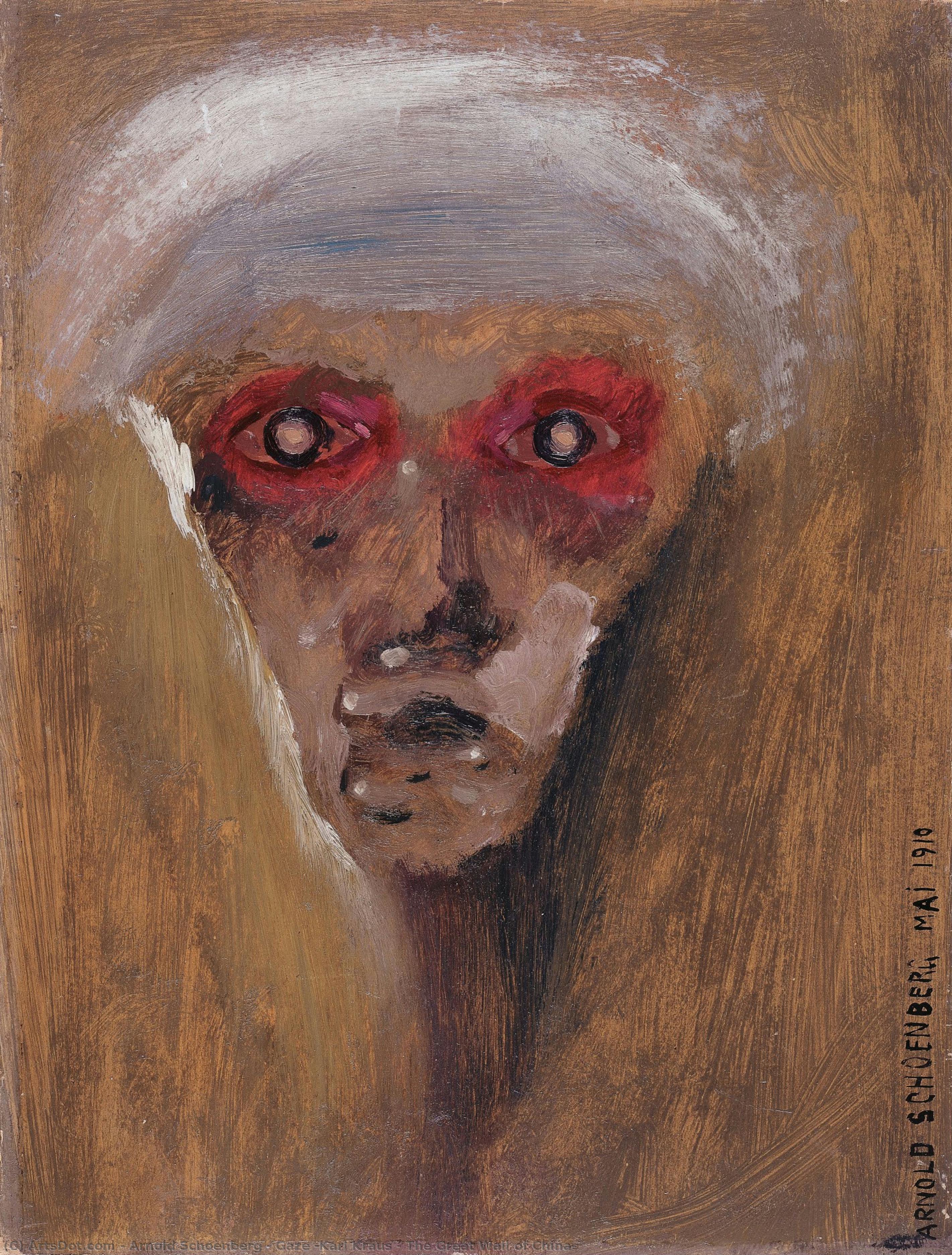
Gaze (Karl Kraus – The Great Wall of China)
 Oil On Board
- Expressionist Abstraction
 1910
1910- 19th Century
 24.0 x 32.0 cm
 Arnold Schönberg Center
 Pročitaj više
Ručno rađena uljana reprodukcija
Ručno oslikano uljanim bojama na platnu u dimenzijama i okviru po vašem izboru, izrađeno po porudžbini od strane naših umetnika. ( Kupi print Kupi digitalnu sliku)




P118B $10

P118H $10

P118W $10

P438Z $10

P508JH $12

P508YH $12

P805H $10

P805Z $10

P919BZ $10

P919G $10

P919XJ $10

P959ZH $10

P968JZ $12

W106C $8

W218G $10

W218JH $8

W218Y $10

W307PJ $10

W316G $10

W316PJ $8

W316Y $10

W398PJ $8

W4111J $10

W500HY $15

W500JH $15

W692G $12

W849H $8

W940BG $15

W953PJ $8




Izaberite jednu od naših unapred definisanih veličina koje odgovaraju originalnim proporcijama umetničkog dela.

Можете унети сопствене димензије како бисте прилагодили дело одређеном оквиру или простору. Ако одабрана величина не одговара пропорцијама оригинала, слика ће бити исечена или проширена додатним елементима који се ручно насликавају. Дигитални prikaz ће вам бити послат на одобрење пре почетка производње.
Имајте на уму да преглед на екрану не одражава стварно исецање или проширење. Само приказ (mockup) ће тачно приказати коначну композицију.
Иако су доступне прилагођене величине, препоручујемо да одаберете димензију из дефинисане листе како бисте сачували оригиналне пропорције.
Nakon narudžbine, tim ArtsDot.com će klijentu putem e-pošte poslati uputstva i dostaviti prikaz predloženog rešenja
Isporuka širom sveta () za 3/4 nedelje umesto uobičajenih 5 nedelja. (2 септембар). Bez kompromisa po pitanju kvaliteta.

Besplatna ekspresna dostava širom sveta

Visokokvalitetno laneno platno

Kompletno osiguranje transporta

Garancija povraćaja carine i uvoznih dažbina

Garancija vernosti boja

Politika povrata u roku od 60 dana (samo u slučaju nedostataka)

Garancija povrata novca od 100%

Popust pri grupnoj kupovini
 Opcija sa staklom dostupna je samo za dimenzije manje od 110 cm

Gaze (Karl Kraus – The Great Wall of China)
Tehnika reprodukcije
Dimenzije reprodukcije
-


Konačna cena
$ 263
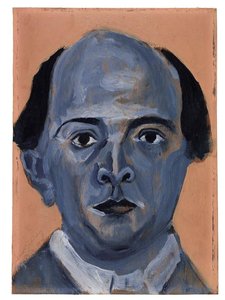
Gaze: A Portrait of Anxiety in Schoenberg's 'The Great Wall of China'
Arnold Schoenberg’s “Gaze,” painted in 1910, is more than just a striking visual; it’s a haunting echo of the anxieties simmering beneath the surface of early 20th-century Vienna. This small oil on board – measuring a mere 24 x 32 cm – captures a moment of profound unease, born from Karl Kraus's controversial lecture, “Die chinesische Mauer” (The Great Wall of China). The lecture itself, delivered in 1910 and inspired by the brutal murder of Elsie Sigel in Chinatown, New York, exposed the dark undercurrents of societal anxieties surrounding immigration, violence, and the perceived ‘other.’ Schoenberg, deeply embedded within Vienna’s artistic circle – a key figure alongside Alban Berg and Anton Webern – responded to this unsettling narrative with an image that refuses easy interpretation.
- Subject & Composition: The painting centers on a distorted face, rendered in jarring hues of red and blue. The subject's gaze is intensely focused, almost predatory, immediately drawing the viewer into its unsettling presence.
- Color Palette: The deliberate use of vibrant red and blue creates an immediate sense of discordance. Red, traditionally associated with passion and danger, amplifies the feeling of threat, while blue evokes a chilling emptiness or perhaps a melancholic reflection on loss.
- Background Detail: A stark yellow wall serves as a backdrop, further isolating the figure and intensifying the overall atmosphere of alienation and confinement.
Historical Context & The Influence of Kraus
Understanding “Gaze” requires acknowledging its genesis within Vienna’s intellectual ferment. Schoenberg was deeply influenced by Karl Kraus's lecture, which interrogated the complexities of race relations and social justice in a rapidly changing world. Kraus’s work challenged prevailing notions of European superiority and exposed the vulnerability of marginalized communities. The murder of Elsie Sigel, a case that captivated the press, became a potent symbol of these anxieties. Schoenberg wasn’t simply depicting a face; he was visually translating the unsettling questions raised by Kraus's words – questions about identity, power, and the potential for violence.
The painting’s creation coincided with Schönberg’s involvement in organizing concerts for the Academic Association for Literature and Music, further cementing his position within Vienna’s artistic elite. This context highlights the work’s engagement with contemporary social and political debates, making it a valuable document of its time.
Technique & Artistic Style
"Gaze" exemplifies Schoenberg's evolving style in the early 20th century. While rooted in his earlier expressionist tendencies – particularly evident in the distorted features and unsettling color palette – the painting demonstrates a growing interest in abstraction. The deliberate manipulation of form and color, rather than a realistic representation, suggests a move towards exploring emotional states through purely visual means. Schoenberg’s use of oil on board allows for rich textures and subtle gradations of tone, contributing to the painting's overall sense of depth and complexity.
The technique employed is characterized by bold brushstrokes and a deliberate lack of blending, creating a fragmented and unsettling effect that mirrors the anxieties conveyed in the subject matter. The surface texture itself adds another layer of visual interest, inviting closer inspection and encouraging viewers to confront the painting’s disturbing imagery.
Symbolism & Emotional Impact
Ultimately, “Gaze” is a powerfully evocative work that transcends its historical context. The distorted face can be interpreted as representing not just an individual but also the anxieties of a society grappling with rapid change and unsettling truths. The intense gaze itself suggests a sense of judgment, accusation, or perhaps even madness. It’s a portrait of psychological distress, rendered in a visually arresting manner. This reproduction offers a unique opportunity to own a piece of art that continues to provoke thought and emotion over a century later.
Srodna umetnička dela
Biografija umetnika
Rano doba i muzički počeci
Arnold Šonberg, austrijsko-američki kompozitor, rođen je 13. septembra 1874. godine u Beču, u Austriji. Njegovo rano detinjstvo obeležili su skromni počeci, jer je njegov otac bio vlasnik prodavnice obuće. Uprkos tome, Šonbergova urođena strast prema muzici navela ga je da se u toj oblasti uglavnom samobrazuje.Muzička evolucija i značajna dela
Šonbergova rana dela, poput kompozicije Verklärte Nacht (1899), pokazivala su sintezu Brahmsovog i Wagnerovog stila. Kako je napredovao, postao je centralna figura Druge bečke škole, zajedno sa Anton Webernom i Alban Bergom. Njegove kompozicije, uključujući Gudački kvartet br. 2 (1907–1908), Erwartung (1909) i Pierrot Lunaire (1912), predstavljale su njegov inovativni pristup atonality.Podučavanje, emigracija i kasniji život
Šonberg je podneo ostavku iz Pruske akademije umetnosti 1933. godine zbog uspona nacista na vlast, koji su njegovu muziku označili kao „degenerisanu“. Nakon toga je predavao u SAD, uključujući Univerzitet Kalifornije u Los Anđelesu (1936–1944), gde su mnogi objekti nazvani po njemu u znak počasti. [https://ArtsDot.com/@/arnold-sacijaenberg](otkrijte više o Šonbergovom životu i delima na ArtsDot).- Šonberg je istraživao filmsku muziku i pisao tonalniju muziku, završivši svoju kamernu simfoniju br. 2 u 1939. godini.
- Satiričario je fašističke tirane u delu Oda Napoleonu (1942), inspirisan Bajronom.
- Posleratni Beč ponudio mu je počasno građanstvo, ali bio je bolestan, što je prikazano u njegovom gudačkom trio (1946).
Nasleđe i uticaj
Dok je svet saznavao za Holokaust, Šonberg je ovekovečio njegove žrtve u delu Preživeli iz Varšave (1947). Izraelska konzervatorijum i akademija muzike izabrali su ga za počasnog predsednika 1951. godine. [https://ArtsDot.com/@@/a@d3bqc7-the-museum-destroyed-by-fire-(united-states)](saznajte više o uticaju njegovog rada na ArtsDot). Ključne tačke:- Šonbergova inovativna muzika bila je među najuticajnijim i najkontroverznijim delima klasične muzike 20. veka.
- Najmanje tri generacije kompozitora proširilo je njene formalne principe.
- Njegovi estetski i muziko-istorijski stavovi uticali su na muzikologe Teodora W. Adorna i Karla Dahlhausa.
Arnold Šonberg
1874 - 1951 , Austrija
Osnovne informacije
- Artistic Movement Or Style: Dvanaestotonna tehnika; Ekspresionizam
- Artists Or Movements Influenced By This Artist:
- Anton Vebern
- Alban Berg
- Artists Who Influenced This Artist:
- Johannes Brahms
- Richard Wagner
- Date Of Birth: 13. septembar 1874.
- Date Of Death: 1951.
- Full Name: Arnold Šonberg
- Nationality: Austroamerički
- Notable Artworks:
- Svita, op. 29
- Muzička pisaća mašina
- Staffliner
- Place Of Birth: Beč, Austrija
Povezani članci

Giclée Prints: Archival Quality & Aesthetic Nuances for the Discerning Collector
Explore the world of giclée prints with ArtsDot. Learn about archival quality, aesthetic nuances & investment potential. Expert guidance for discerning art collectors seeking museum-quality reproductions and lasting value.
Transforming Spaces: A Comprehensive Exploration of Wall Decor Through Art History & Contemporary Practice
Explore the art of transforming spaces with our comprehensive guide to wall decor. From historical movements to contemporary trends, discover how to curate impactful interiors and commission bespoke artwork for a truly personalized aesthetic.
Marianne North's Masterpieces: 25 Botanical Paintings That Bloom With Adventure | ArtsDot
Journey through the vibrant world of Marianne North’s botanical paintings! Explore 25 iconic artworks from this Victorian artist, celebrating exotic flora & travel. Find museum-quality reproductions and curated decor ideas at ArtsDot.com.

Echoes of Time: Exploring the Enduring Appeal & Historical Context of Vintage Art Prints
Explore the captivating world of vintage art prints! Discover their history, collecting tips & enduring appeal. Expert insights on chromolithography and building a legacy collection with ArtsDot.
25 Remek-dela Endija Vorhola: Ikoničke Slike i Revolucionarna Vizija | ArtsDot
Istražite 25 remek-dela Endija Vorhola i uronite u svet pop arta! Otkrijte priče iza ikoničnih slika, tehnike serigrafije i revolucionarnu viziju ovog američkog umetnika. Kvalitetne reprodukcije na ArtsDot.com.