

 Pregledaj u prostoru
 Pošalji
 Podeli
 Detalji o delu

 Преузми
 Slični predmeti
 Rendgenski snimak
 Slajdovi
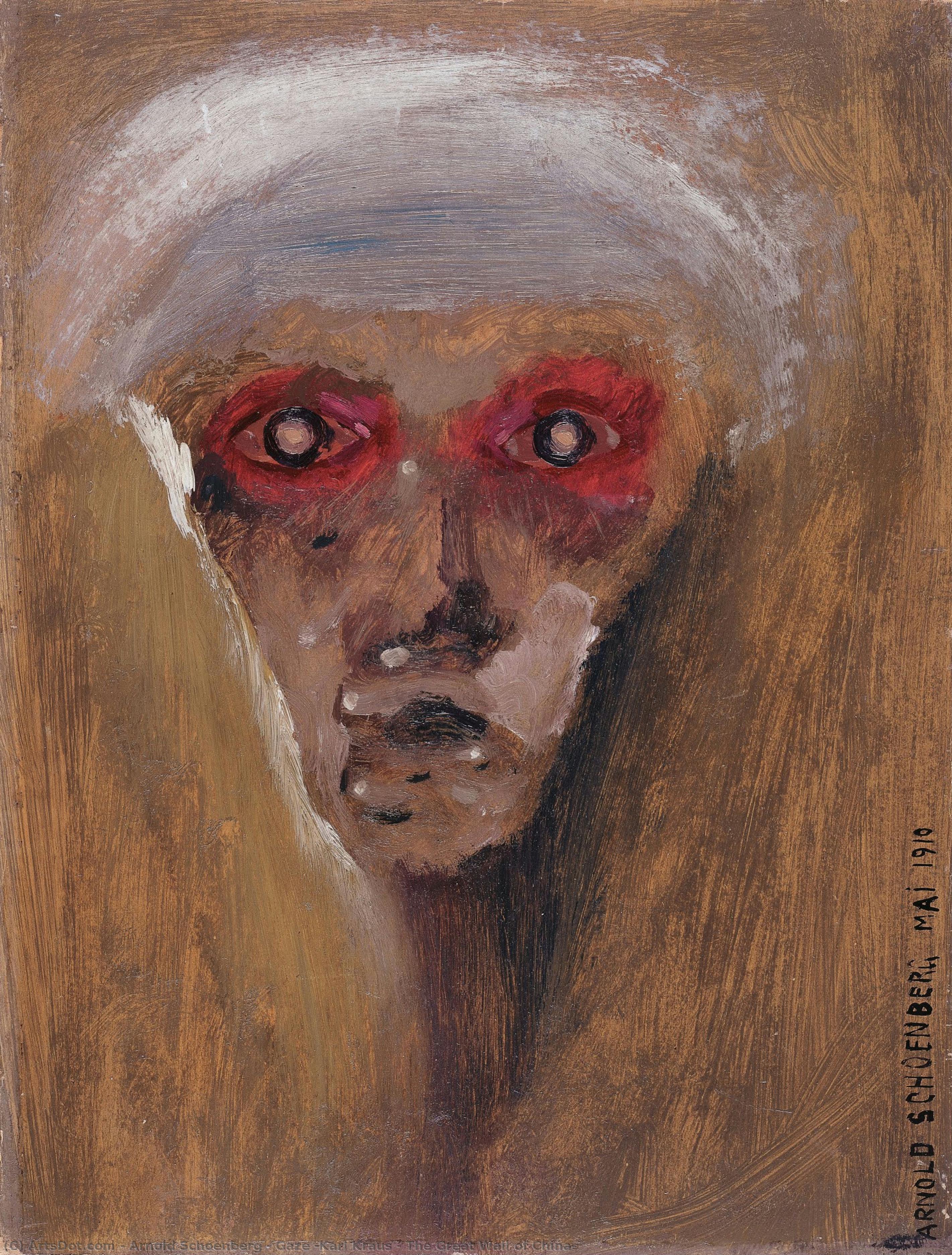
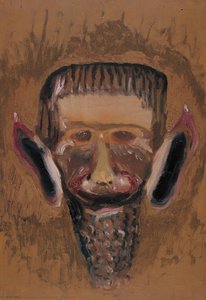
Gaze (Karl Kraus – The Great Wall of China)
 Oil On Board
- Expressionist Abstraction
 1910
1910- 19th Century
 24.0 x 32.0 cm
 Arnold Schönberg Center
 Pročitaj više
Kupite digitalnu sliku visoke rezolucije i poboljšanog kvaliteta, koja je znatno superiornija od onoga što vidite u online prikazu.
Svaka datoteka je pedantno pripremljena od strane naših stručnjaka koristeći napredne alate i profesionalnu ručnu retušu. Osiguravamo da svaka slika ima izuzetnu oštrinu, preciznu reprodukciju boja i fine detalje.
Konačna datoteka se dostavlja putem e-pošte u roku od 72 sata, optimizovana za neposrednu upotrebu u profesionalnim, izdavačkim i štamparskim okruženjima. To je isti kvalitet kojem veruju vrhunski studiji dizajna, izdavači i galerije.
Digitalna slika
Preuzmite datoteku visoke rezolucije za ličnu upotrebu, štampanje i kreativne projekte. ( Kupi print Kupi ručno naslikanu sliku)
Uključeno uz svaku porudžbinu digitalne slike
Profesionalna digitalna isporuka, zagarantovana
Kada odaberete ArtsDot.com, ne dobijate samo sliku – vi primate profesionalno unapređeno digitalno umetničko delo, izrađeno sa najvećom preciznošću i uz garanciju zadovoljstva. Evo svega što automatski dolazi uz vašu porudžbinu:

Brza dostava putem e-pošte
Vaša digitalna slika visoke rezolucije biće vam poslata putem e-pošte u roku od 72 sata od poručivanja – spremna za trenutnu upotrebu.

Digitalna datoteka unapređena veštačkom inteligencijom
Vaše umetničko delo je profesionalno optimizovano korišćenjem naprednih AI alata i ručne obrade, čime se osiguravaju maksimalni detalji, oštrina i preciznost boja.

Besplatna ponovna isporuka doživotno
Slučajno ste obrisali ili izgubili svoju datoteku? Ne brinite – poslaćemo vam je ponovo u bilo kom trenutku, potpuno besplatno.

Bez troškova uvoza – zauvek
Uživajte u svojim umetničkim delima trenutno, bez carine, dažbina ili troškova dostave – digitalni download je uvek bez poreza.

Garancija vernosti boja
Uz pomoć profesionalnih alata i upravljanja bojama, osiguravamo da vaša digitalna slika što vernije odražava originalne boje.

Garancija zadovoljstva u roku od 60 dana
Ako niste zadovoljni svojom digitalnom slikom, revidirat ćemo je ili vratiti 100% novca u roku od 60 dana – bez ikakvih pitanja.

100% garancija povrata novca
Niste zadovoljni? Obezbedite pun povrat novca u roku od 60 dana od trenutka kada ste primili svoju digitalnu datoteku – bez suvišnih pitanja.

Popusti na velike porudžbine
Kupite 3 slike, uštedite 10% - Kupite 5 slika, uštedite 15% - Kupite 10+ slika, uštedite 20%. Odlično za kreativne projekte, galerije i agencije.
Gaze: A Portrait of Anxiety in Schoenberg's 'The Great Wall of China'
Arnold Schoenberg’s “Gaze,” painted in 1910, is more than just a striking visual; it’s a haunting echo of the anxieties simmering beneath the surface of early 20th-century Vienna. This small oil on board – measuring a mere 24 x 32 cm – captures a moment of profound unease, born from Karl Kraus's controversial lecture, “Die chinesische Mauer” (The Great Wall of China). The lecture itself, delivered in 1910 and inspired by the brutal murder of Elsie Sigel in Chinatown, New York, exposed the dark undercurrents of societal anxieties surrounding immigration, violence, and the perceived ‘other.’ Schoenberg, deeply embedded within Vienna’s artistic circle – a key figure alongside Alban Berg and Anton Webern – responded to this unsettling narrative with an image that refuses easy interpretation.
- Subject & Composition: The painting centers on a distorted face, rendered in jarring hues of red and blue. The subject's gaze is intensely focused, almost predatory, immediately drawing the viewer into its unsettling presence.
- Color Palette: The deliberate use of vibrant red and blue creates an immediate sense of discordance. Red, traditionally associated with passion and danger, amplifies the feeling of threat, while blue evokes a chilling emptiness or perhaps a melancholic reflection on loss.
- Background Detail: A stark yellow wall serves as a backdrop, further isolating the figure and intensifying the overall atmosphere of alienation and confinement.
Historical Context & The Influence of Kraus
Understanding “Gaze” requires acknowledging its genesis within Vienna’s intellectual ferment. Schoenberg was deeply influenced by Karl Kraus's lecture, which interrogated the complexities of race relations and social justice in a rapidly changing world. Kraus’s work challenged prevailing notions of European superiority and exposed the vulnerability of marginalized communities. The murder of Elsie Sigel, a case that captivated the press, became a potent symbol of these anxieties. Schoenberg wasn’t simply depicting a face; he was visually translating the unsettling questions raised by Kraus's words – questions about identity, power, and the potential for violence.
The painting’s creation coincided with Schönberg’s involvement in organizing concerts for the Academic Association for Literature and Music, further cementing his position within Vienna’s artistic elite. This context highlights the work’s engagement with contemporary social and political debates, making it a valuable document of its time.
Technique & Artistic Style
"Gaze" exemplifies Schoenberg's evolving style in the early 20th century. While rooted in his earlier expressionist tendencies – particularly evident in the distorted features and unsettling color palette – the painting demonstrates a growing interest in abstraction. The deliberate manipulation of form and color, rather than a realistic representation, suggests a move towards exploring emotional states through purely visual means. Schoenberg’s use of oil on board allows for rich textures and subtle gradations of tone, contributing to the painting's overall sense of depth and complexity.
The technique employed is characterized by bold brushstrokes and a deliberate lack of blending, creating a fragmented and unsettling effect that mirrors the anxieties conveyed in the subject matter. The surface texture itself adds another layer of visual interest, inviting closer inspection and encouraging viewers to confront the painting’s disturbing imagery.
Symbolism & Emotional Impact
Ultimately, “Gaze” is a powerfully evocative work that transcends its historical context. The distorted face can be interpreted as representing not just an individual but also the anxieties of a society grappling with rapid change and unsettling truths. The intense gaze itself suggests a sense of judgment, accusation, or perhaps even madness. It’s a portrait of psychological distress, rendered in a visually arresting manner. This reproduction offers a unique opportunity to own a piece of art that continues to provoke thought and emotion over a century later.
Srodna umetnička dela

Biografija umetnika
Rano doba i muzički počeci
Arnold Šonberg, austrijsko-američki kompozitor, rođen je 13. septembra 1874. godine u Beču, u Austriji. Njegovo rano detinjstvo obeležili su skromni počeci, jer je njegov otac bio vlasnik prodavnice obuće. Uprkos tome, Šonbergova urođena strast prema muzici navela ga je da se u toj oblasti uglavnom samobrazuje.Muzička evolucija i značajna dela
Šonbergova rana dela, poput kompozicije Verklärte Nacht (1899), pokazivala su sintezu Brahmsovog i Wagnerovog stila. Kako je napredovao, postao je centralna figura Druge bečke škole, zajedno sa Anton Webernom i Alban Bergom. Njegove kompozicije, uključujući Gudački kvartet br. 2 (1907–1908), Erwartung (1909) i Pierrot Lunaire (1912), predstavljale su njegov inovativni pristup atonality.Podučavanje, emigracija i kasniji život
Šonberg je podneo ostavku iz Pruske akademije umetnosti 1933. godine zbog uspona nacista na vlast, koji su njegovu muziku označili kao „degenerisanu“. Nakon toga je predavao u SAD, uključujući Univerzitet Kalifornije u Los Anđelesu (1936–1944), gde su mnogi objekti nazvani po njemu u znak počasti. [https://ArtsDot.com/@/arnold-sacijaenberg](otkrijte više o Šonbergovom životu i delima na ArtsDot).- Šonberg je istraživao filmsku muziku i pisao tonalniju muziku, završivši svoju kamernu simfoniju br. 2 u 1939. godini.
- Satiričario je fašističke tirane u delu Oda Napoleonu (1942), inspirisan Bajronom.
- Posleratni Beč ponudio mu je počasno građanstvo, ali bio je bolestan, što je prikazano u njegovom gudačkom trio (1946).
Nasleđe i uticaj
Dok je svet saznavao za Holokaust, Šonberg je ovekovečio njegove žrtve u delu Preživeli iz Varšave (1947). Izraelska konzervatorijum i akademija muzike izabrali su ga za počasnog predsednika 1951. godine. [https://ArtsDot.com/@@/a@d3bqc7-the-museum-destroyed-by-fire-(united-states)](saznajte više o uticaju njegovog rada na ArtsDot). Ključne tačke:- Šonbergova inovativna muzika bila je među najuticajnijim i najkontroverznijim delima klasične muzike 20. veka.
- Najmanje tri generacije kompozitora proširilo je njene formalne principe.
- Njegovi estetski i muziko-istorijski stavovi uticali su na muzikologe Teodora W. Adorna i Karla Dahlhausa.
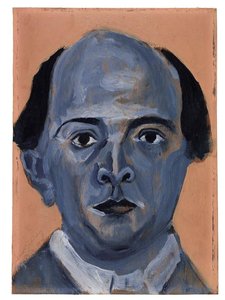
Arnold Šonberg
1874 - 1951 , Austrija
Kratke činjenice
- Artistic Movement Or Style: Dvanaestotonna tehnika; Ekspresionizam
- Artists Or Movements Influenced By This Artist:
- Anton Vebern
- Alban Berg
- Artists Who Influenced This Artist:
- Johannes Brahms
- Richard Wagner
- Date Of Birth: 13. septembar 1874.
- Date Of Death: 1951.
- Full Name: Arnold Šonberg
- Nationality: Austroamerički
- Notable Artworks:
- Svita, op. 29
- Muzička pisaća mašina
- Staffliner
- Place Of Birth: Beč, Austrija

