 Pregledaj u prostoru
 Pošalji
 Podeli
 Detalji o delu

 Преузми
 Slični predmeti
 Rendgenski snimak
 Slajdovi
 Statistika
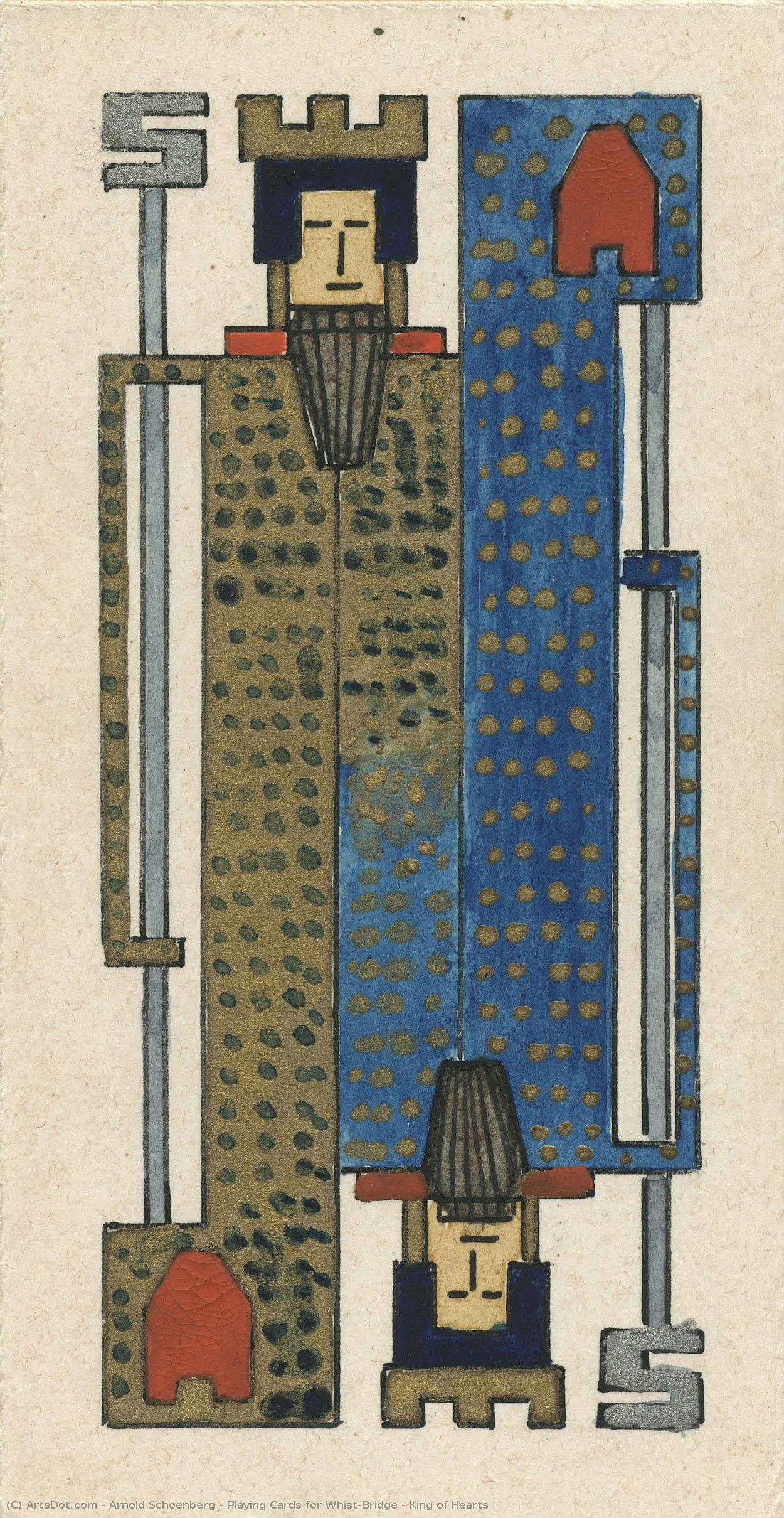
Playing Cards for Whist/Bridge - King of Hearts
 Acrylic On Canvas
- WallArt
- Early Modernism
 1910
1910 5.0 x 10.0 cm
 Arnold Schönberg Center
 Pročitaj više
Ručno rađena uljana reprodukcija
Ručno oslikano uljanim bojama na platnu u dimenzijama i okviru po vašem izboru, izrađeno po porudžbini od strane naših umetnika. ( Pređi na štampu Pređi na digitalnu sliku)




P118B $10

P118H $10

P118W $10

P438Z $10

P508JH $12

P508YH $12

P805H $10

P805Z $10

P919BZ $10

P919G $10

P919XJ $10

P959ZH $10

P968JZ $12

W106C $8

W218G $10

W218JH $8

W218Y $10

W307PJ $10

W316G $10

W316PJ $8

W316Y $10

W398PJ $8

W4111J $10

W500HY $15

W500JH $15

W692G $12

W849H $8

W940BG $15

W953PJ $8




Izaberite jednu od naših unapred definisanih veličina koje odgovaraju originalnim proporcijama umetničkog dela.

Можете унети сопствене димензије како бисте прилагодили дело одређеном оквиру или простору. Ако одабрана величина не одговара пропорцијама оригинала, слика ће бити исечена или проширена додатним елементима који се ручно насликавају. Дигитални prikaz ће вам бити послат на одобрење пре почетка производње.
Имајте на уму да преглед на екрану не одражава стварно исецање или проширење. Само приказ (mockup) ће тачно приказати коначну композицију.
Иако су доступне прилагођене величине, препоручујемо да одаберете димензију из дефинисане листе како бисте сачували оригиналне пропорције.
Nakon narudžbine, tim ArtsDot.com će klijentu putem e-pošte poslati uputstva i dostaviti prikaz predloženog rešenja
Isporuka širom sveta () za 3/4 nedelje umesto uobičajenih 5 nedelja. (9 септембар). Bez kompromisa po pitanju kvaliteta.

Besplatna ekspresna dostava širom sveta

Visokokvalitetno laneno platno

Kompletno osiguranje transporta

Garancija povraćaja carine i uvoznih dažbina

Garancija vernosti boja

Politika povraćaja u roku od 100 dana (isključivo u slučaju nedostataka)

Garancija povrata novca od 100%

Popust pri grupnoj kupovini
 Opcija sa staklom dostupna je samo za dimenzije manje od 110 cm

Playing Cards for Whist/Bridge - King of Hearts
Tehnika reprodukcije
Dimenzije reprodukcije
-


Konačna cena
$ 263
A Glimpse into Schönberg’s Card Game: The King of Hearts
This meticulously crafted hand-painted reproduction captures Arnold Schönberg's intriguing 1910 card game for Whist/Bridge, a remarkable artifact born from the heart of Vienna’s artistic ferment. More than just a deck of playing cards, this work represents a bold experiment in visual language and a subtle rebellion against established conventions. Measuring a compact 5 x 10 cm, it invites contemplation on the intersection of music, art, and the burgeoning avant-garde movement that defined early 20th-century Europe.
- The Artist’s Vision: Schönberg, a towering figure in musical history known for his pioneering work in atonality and serialism, applied his rigorous intellectual approach to visual design. This card game wasn't simply decorative; it was a conceptual exercise, exploring the possibilities of symbolic representation through a layered system of imagery.
- Breaking with Tradition: Unlike Ditha Moser’s celebrated “Wiener Werkstätte” cards from 1906 – characterized by their strict mirror symmetry and meticulous detail – Schönberg deliberately fractured this aesthetic. He sought to convey meaning not just through direct representation, but through a complex interplay of reflection, color, and form.
Decoding the Symbolism
The image itself depicts a regal figure—the King of Hearts—a central element within Schönberg’s system. The crowned male figures, distinguished by their dots rather than colored areas (reserved for the female Queens), embody a deliberate departure from traditional iconography. This subtle distinction reflects Schönberg's broader artistic concerns: a move away from literal representation towards a more abstract and emotionally charged approach.
- Double Pictures & Reflection: Schönberg’s ingenious technique involved “double pictures,” where images were deliberately crossed over, utilizing the horizontal and diagonal axes for reflection. This created a sense of depth and complexity, inviting multiple interpretations and challenging the viewer to actively engage with the artwork.
- Color as Symbol: While the male figures utilize dots, the Queens employ colored areas, suggesting an association with emotion and subjective experience – a key element in Schönberg’s musical philosophy. The strategic use of color adds another layer of symbolic meaning, reinforcing the work's intellectual depth.
Historical Context & Craftsmanship
Created around 1910, this card game emerged during a period of intense artistic and intellectual innovation in Vienna. Schönberg’s experimentation reflects the broader shift towards abstraction and non-representational art that was taking place across Europe. The meticulous hand-painting technique employed to create this reproduction ensures an unparalleled level of detail and fidelity to the original design. Each brushstroke captures the essence of Schönberg's vision, resulting in a piece that is both historically significant and aesthetically captivating.
- Materials & Technique: This reproduction utilizes archival-quality materials and skilled hand-painting techniques, guaranteeing its longevity and preserving the nuances of the original design. The attention to detail reflects the commitment to producing exceptional art reproductions.
- A Collector’s Piece: More than just a decorative item, this card game is a unique artifact that offers a fascinating glimpse into the mind of one of music's most influential composers. It represents an investment in both artistic history and exquisite craftsmanship.
Srodna umetnička dela
Biografija umetnika
Rano doba i muzički počeci
Arnold Šonberg, austrijsko-američki kompozitor, rođen je 13. septembra 1874. godine u Beču, u Austriji. Njegovo rano detinjstvo obeležili su skromni počeci, jer je njegov otac bio vlasnik prodavnice obuće. Uprkos tome, Šonbergova urođena strast prema muzici navela ga je da se u toj oblasti uglavnom samobrazuje.Muzička evolucija i značajna dela
Šonbergova rana dela, poput kompozicije Verklärte Nacht (1899), pokazivala su sintezu Brahmsovog i Wagnerovog stila. Kako je napredovao, postao je centralna figura Druge bečke škole, zajedno sa Anton Webernom i Alban Bergom. Njegove kompozicije, uključujući Gudački kvartet br. 2 (1907–1908), Erwartung (1909) i Pierrot Lunaire (1912), predstavljale su njegov inovativni pristup atonality.Podučavanje, emigracija i kasniji život
Šonberg je podneo ostavku iz Pruske akademije umetnosti 1933. godine zbog uspona nacista na vlast, koji su njegovu muziku označili kao „degenerisanu“. Nakon toga je predavao u SAD, uključujući Univerzitet Kalifornije u Los Anđelesu (1936–1944), gde su mnogi objekti nazvani po njemu u znak počasti. [https://ArtsDot.com/@/arnold-sacijaenberg](otkrijte više o Šonbergovom životu i delima na ArtsDot).- Šonberg je istraživao filmsku muziku i pisao tonalniju muziku, završivši svoju kamernu simfoniju br. 2 u 1939. godini.
- Satiričario je fašističke tirane u delu Oda Napoleonu (1942), inspirisan Bajronom.
- Posleratni Beč ponudio mu je počasno građanstvo, ali bio je bolestan, što je prikazano u njegovom gudačkom trio (1946).
Nasleđe i uticaj
Dok je svet saznavao za Holokaust, Šonberg je ovekovečio njegove žrtve u delu Preživeli iz Varšave (1947). Izraelska konzervatorijum i akademija muzike izabrali su ga za počasnog predsednika 1951. godine. [https://ArtsDot.com/@@/a@d3bqc7-the-museum-destroyed-by-fire-(united-states)](saznajte više o uticaju njegovog rada na ArtsDot). Ključne tačke:- Šonbergova inovativna muzika bila je među najuticajnijim i najkontroverznijim delima klasične muzike 20. veka.
- Najmanje tri generacije kompozitora proširilo je njene formalne principe.
- Njegovi estetski i muziko-istorijski stavovi uticali su na muzikologe Teodora W. Adorna i Karla Dahlhausa.
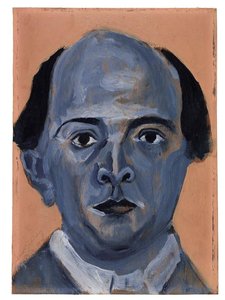
Arnold Šonberg
1874 - 1951 , Austrija
Osnovne informacije
- Artistic Movement Or Style: Dvanaestotonna tehnika; Ekspresionizam
- Artists Or Movements Influenced By This Artist:
- Anton Vebern
- Alban Berg
- Artists Who Influenced This Artist:
- Johannes Brahms
- Richard Wagner
- Date Of Birth: 13. septembar 1874.
- Date Of Death: 1951.
- Full Name: Arnold Šonberg
- Nationality: Austroamerički
- Notable Artworks:
- Svita, op. 29
- Muzička pisaća mašina
- Staffliner
- Place Of Birth: Beč, Austrija
Povezani članci
Psihologija Razigranog Vizuelnog Jezika: Istraživanje Humornih i Fantastičnih Slika kao Katalizatora za Emocionalno Blagostanje i Društvenu Povezanost
Istražite psihologiju humora i fantastičnih slika! Otkrijte kako smeh i kreativnost jačaju blagostanje, rešavaju konflikte i povezuju ljude. Ekspertna analiza & praktični uvidi.
Playful Masterpieces: Top 10 Artworks for a Joyful Home | ArtsDot
Find joy & inspiration! Explore 10 playful masterpieces by Monet, Matisse & more. Discover art history, vibrant colors & uplifting stories behind these iconic paintings. Museum-quality reproductions at ArtsDot.com – explore the full collection online!

Paul Cézanne: 25 Remek-dela Revolucionarnog Umjetnika | ArtsDot
Istražite 25 remek-dela Paula Cézanna, revolucionarnog slikara impresionizma i postimpresionizma. Otkrijte priče iza ikoničnih pejzaža, portreta i mrtve prirode. Kupite luksuzne reprodukcije slika na ArtsDot.com!
The Allure of Playfulness in Art: Exploring Emotional Resonance & Aesthetic Impact
Explore the captivating world of playful art & its emotional impact! Discover Impressionism, Abstract Expressionism & more with ArtsDot.com – museum-quality reproductions & expert guidance for building a collection you'll love.
The Vienna Secession: A Rebellion of Form & Spirit in Fin-de-Siècle Art
Discover the revolutionary Vienna Secession art movement! Explore Klimt, Olbrich & more. Learn about its history, characteristics & lasting influence on modern art. High-quality reproductions available.