 Pošalji
 Podeli
 Detalji o delu

 Преузми
 Slični predmeti
 Slajdovi
 Statistika
The Musical Idea - W. A. Mozart K 465
 Giclée Print
- Digital
- Modernism
 1934
1934- 19th Century
 25.0 x 19.0 cm
 Arnold Schönberg Center
 Pročitaj više
Ručno rađena uljana reprodukcija
Ručno oslikano uljanim bojama na platnu u dimenzijama i okviru po vašem izboru, izrađeno po porudžbini od strane naših umetnika. ( Pređi na štampu Pređi na digitalnu sliku)




































Izaberite jednu od naših unapred definisanih veličina koje odgovaraju originalnim proporcijama umetničkog dela.

Можете унети сопствене димензије како бисте прилагодили дело одређеном оквиру или простору. Ако одабрана величина не одговара пропорцијама оригинала, слика ће бити исечена или проширена додатним елементима који се ручно насликавају. Дигитални prikaz ће вам бити послат на одобрење пре почетка производње.
Имајте на уму да преглед на екрану не одражава стварно исецање или проширење. Само приказ (mockup) ће тачно приказати коначну композицију.
Иако су доступне прилагођене величине, препоручујемо да одаберете димензију из дефинисане листе како бисте сачували оригиналне пропорције.
Nakon narudžbine, tim ArtsDot.com će klijentu putem e-pošte poslati uputstva i dostaviti prikaz predloženog rešenja
Isporuka širom sveta () za 3/4 nedelje umesto uobičajenih 5 nedelja. (10 септембар). Bez kompromisa po pitanju kvaliteta.

Besplatna ekspresna dostava širom sveta

Visokokvalitetno laneno platno

Kompletno osiguranje transporta

Garancija povraćaja carine i uvoznih dažbina

Garancija vernosti boja

Politika povraćaja u roku od 100 dana (isključivo u slučaju nedostataka)

Garancija povrata novca od 100%

Popust pri grupnoj kupovini
 Opcija sa staklom dostupna je samo za dimenzije manje od 110 cm

The Musical Idea - W. A. Mozart K 465
Tehnika reprodukcije
Dimenzije reprodukcije
-


Konačna cena
$ 263
The Musical Idea - A Study in Atonal Exploration
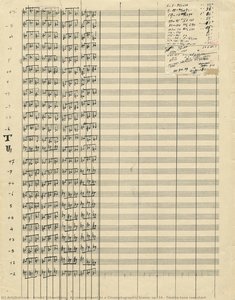
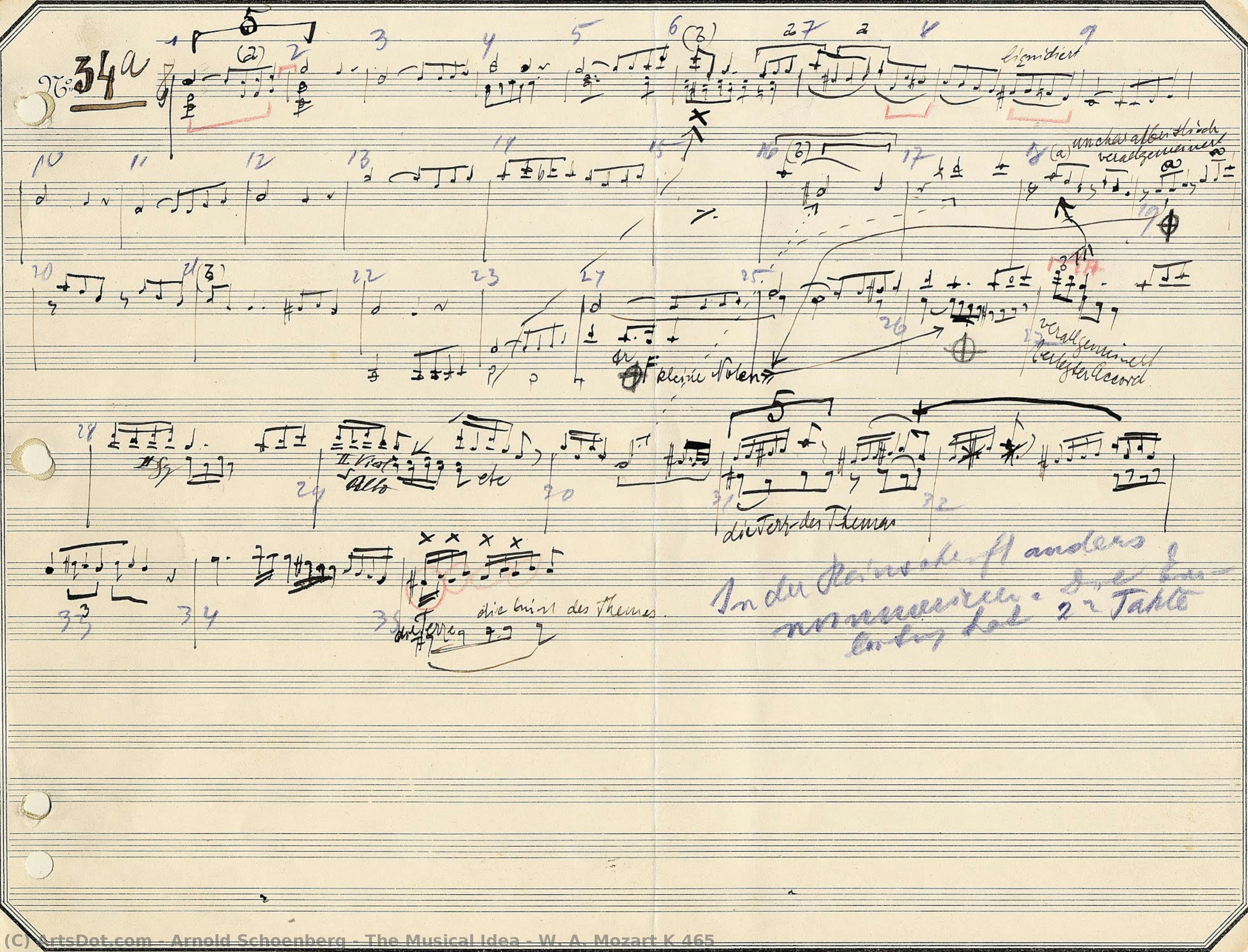
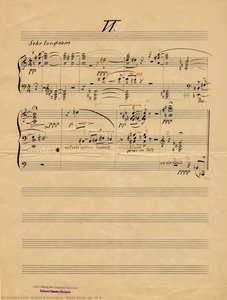
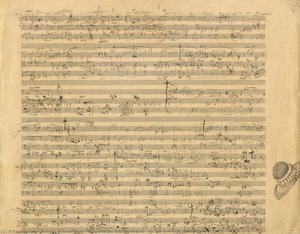
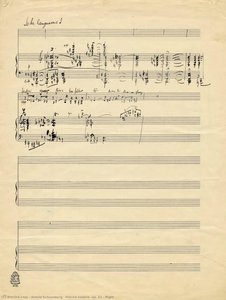
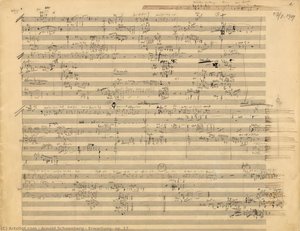
W.A. Mozart’s K. 465, “The Musical Idea,” takes on an entirely new dimension through the lens of Arnold Schönberg's profound inquiry into musical representation. This isn’t merely a reproduction of a classical score; it’s a visual echo of Schönberg’s seminal work, "Der Musikalische Gedanke," a treatise that fundamentally shifted our understanding of composition and its relationship to logic, technique, and artistic expression. The photograph itself – a meticulously annotated music sheet from 1934 – becomes a tangible manifestation of this intellectual journey, inviting the viewer into the heart of Schönberg’s revolutionary thinking.
- The Sheet as Canvas: The aged paper, stained with ink and bearing numerous handwritten notations, speaks volumes about the process of musical discovery. These aren't random markings; they represent Schönberg’s deliberate attempts to dissect and analyze the very essence of a musical idea – how it is conceived, developed, and ultimately presented.
- Atonality Embodied: The chaotic arrangement of notes, devoid of traditional tonal harmony, mirrors Schönberg’s exploration of atonality, a radical departure from the established conventions of Western music. This visual representation captures the unsettling yet profoundly innovative spirit of his compositional approach.
- Historical Context – A Turning Point: Created in 1934, this image reflects a pivotal moment in musical history. Schönberg’s ideas were challenging the foundations of classical harmony and paving the way for modern music, influencing composers like Schoenberg, Berg, and Webern.
The Artist's Vision – Schönberg and the Logic of Sound
Arnold Schönberg (1874-1951), a towering figure in 20th-century music, was driven by a desire to understand not just *how* music is created, but *why*. His work, particularly "The Musical Idea," sought to move beyond mere technical execution and delve into the underlying logic of musical structure. The annotations on this sheet represent Schönberg’s attempts to articulate this logic – a quest for a system that could capture the intangible qualities of sound and emotion.
Key Concepts:- Serialism: While not explicitly depicted, the meticulous organization of notes hints at Schönberg's later development of serialism, a compositional technique based on ordered series of pitches, rhythms, and dynamics.
- Emotional Resonance: Schönberg believed that music should evoke powerful emotions, and this belief is reflected in the intensity of his compositions and, arguably, in the deliberate disarray of this study sheet.
A Reproduction of Significance – Craftsmanship and Legacy
This 25 x 19 cm reproduction captures not just an image but a moment in musical thought. ArtsDot meticulously recreates the original photograph using archival-quality materials, ensuring that the nuances of the aged paper and handwritten annotations are faithfully preserved. The black and white palette enhances the dramatic effect, emphasizing the stark contrast between order and chaos – a visual representation of Schönberg’s intellectual struggle.
Details:- Hand-Painted Reproduction: Each reproduction is created by skilled artisans using traditional hand-painting techniques, resulting in a unique artwork that possesses an unparalleled depth and richness.
- Premium Materials: Printed on fine art paper with archival inks, this reproduction is designed to last for generations, preserving its beauty and value.
Perfect for Collection & Interior Design
“The Musical Idea” – W.A. Mozart K 465 (Schönberg Edition) offers a compelling addition to any art collection or interior design scheme. Its evocative imagery and historical significance make it a conversation starter, while its timeless aesthetic complements a wide range of styles. This artwork is more than just a reproduction; it’s a window into the mind of a musical revolutionary.
Srodna umetnička dela
Biografija umetnika
Rano doba i muzički počeci
Arnold Šonberg, austrijsko-američki kompozitor, rođen je 13. septembra 1874. godine u Beču, u Austriji. Njegovo rano detinjstvo obeležili su skromni počeci, jer je njegov otac bio vlasnik prodavnice obuće. Uprkos tome, Šonbergova urođena strast prema muzici navela ga je da se u toj oblasti uglavnom samobrazuje.Muzička evolucija i značajna dela
Šonbergova rana dela, poput kompozicije Verklärte Nacht (1899), pokazivala su sintezu Brahmsovog i Wagnerovog stila. Kako je napredovao, postao je centralna figura Druge bečke škole, zajedno sa Anton Webernom i Alban Bergom. Njegove kompozicije, uključujući Gudački kvartet br. 2 (1907–1908), Erwartung (1909) i Pierrot Lunaire (1912), predstavljale su njegov inovativni pristup atonality.Podučavanje, emigracija i kasniji život
Šonberg je podneo ostavku iz Pruske akademije umetnosti 1933. godine zbog uspona nacista na vlast, koji su njegovu muziku označili kao „degenerisanu“. Nakon toga je predavao u SAD, uključujući Univerzitet Kalifornije u Los Anđelesu (1936–1944), gde su mnogi objekti nazvani po njemu u znak počasti. [https://ArtsDot.com/@/arnold-sacijaenberg](otkrijte više o Šonbergovom životu i delima na ArtsDot).- Šonberg je istraživao filmsku muziku i pisao tonalniju muziku, završivši svoju kamernu simfoniju br. 2 u 1939. godini.
- Satiričario je fašističke tirane u delu Oda Napoleonu (1942), inspirisan Bajronom.
- Posleratni Beč ponudio mu je počasno građanstvo, ali bio je bolestan, što je prikazano u njegovom gudačkom trio (1946).
Nasleđe i uticaj
Dok je svet saznavao za Holokaust, Šonberg je ovekovečio njegove žrtve u delu Preživeli iz Varšave (1947). Izraelska konzervatorijum i akademija muzike izabrali su ga za počasnog predsednika 1951. godine. [https://ArtsDot.com/@@/a@d3bqc7-the-museum-destroyed-by-fire-(united-states)](saznajte više o uticaju njegovog rada na ArtsDot). Ključne tačke:- Šonbergova inovativna muzika bila je među najuticajnijim i najkontroverznijim delima klasične muzike 20. veka.
- Najmanje tri generacije kompozitora proširilo je njene formalne principe.
- Njegovi estetski i muziko-istorijski stavovi uticali su na muzikologe Teodora W. Adorna i Karla Dahlhausa.
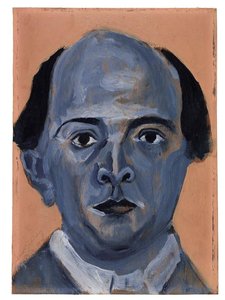
Arnold Šonberg
1874 - 1951 , Austrija
Osnovne informacije
- Artistic Movement Or Style: Dvanaestotonna tehnika; Ekspresionizam
- Artists Or Movements Influenced By This Artist:
- Anton Vebern
- Alban Berg
- Artists Who Influenced This Artist:
- Johannes Brahms
- Richard Wagner
- Date Of Birth: 13. septembar 1874.
- Date Of Death: 1951.
- Full Name: Arnold Šonberg
- Nationality: Austroamerički
- Notable Artworks:
- Svita, op. 29
- Muzička pisaća mašina
- Staffliner
- Place Of Birth: Beč, Austrija
Povezani članci

The Enduring Legacy of Fine Art Prints: Technique, History & Aesthetic Impact
Explore the rich history & techniques of fine art prints. Discover investment potential, assess authenticity, and learn how to preserve your collection with expert guidance. Trusted insights for discerning collectors.

Umjetnost ponovno oživljena: Vodič kroz tehnike reprodukcije uljanih slika, platna i papira
Otkrijte svijet vrhunskih reprodukcija uljanih slika ručnog rada! ArtsDot nudi personalizirane portrete, platna i papir. Kvalitetni materijali, stručni umjetnici & 100% garancija zadovoljstva. Naručite svoju umjetnost danas!
Beyond Replication: Sustaining Art Heritage Through Inspired Reproductions in Contemporary Interiors
Discover museum-quality art reproductions & bespoke paintings crafted by skilled artists. Elevate your home with timeless masterpieces – ethically sourced, expertly curated, and guaranteed to inspire. Explore our collection today!

Echoes of Time: Exploring the Enduring Appeal & Historical Context of Vintage Art Prints
Explore the captivating world of vintage art prints! Discover their history, collecting tips & enduring appeal. Expert insights on chromolithography and building a legacy collection with ArtsDot.

Giclée Prints: Archival Quality & Aesthetic Nuances for the Discerning Collector
Explore the world of giclée prints with ArtsDot. Learn about archival quality, aesthetic nuances & investment potential. Expert guidance for discerning art collectors seeking museum-quality reproductions and lasting value.