

 Pregledaj u prostoru
 Pošalji
 Podeli
 Detalji o delu

 Преузми
 Slični predmeti
 Rendgenski snimak
 Slajdovi
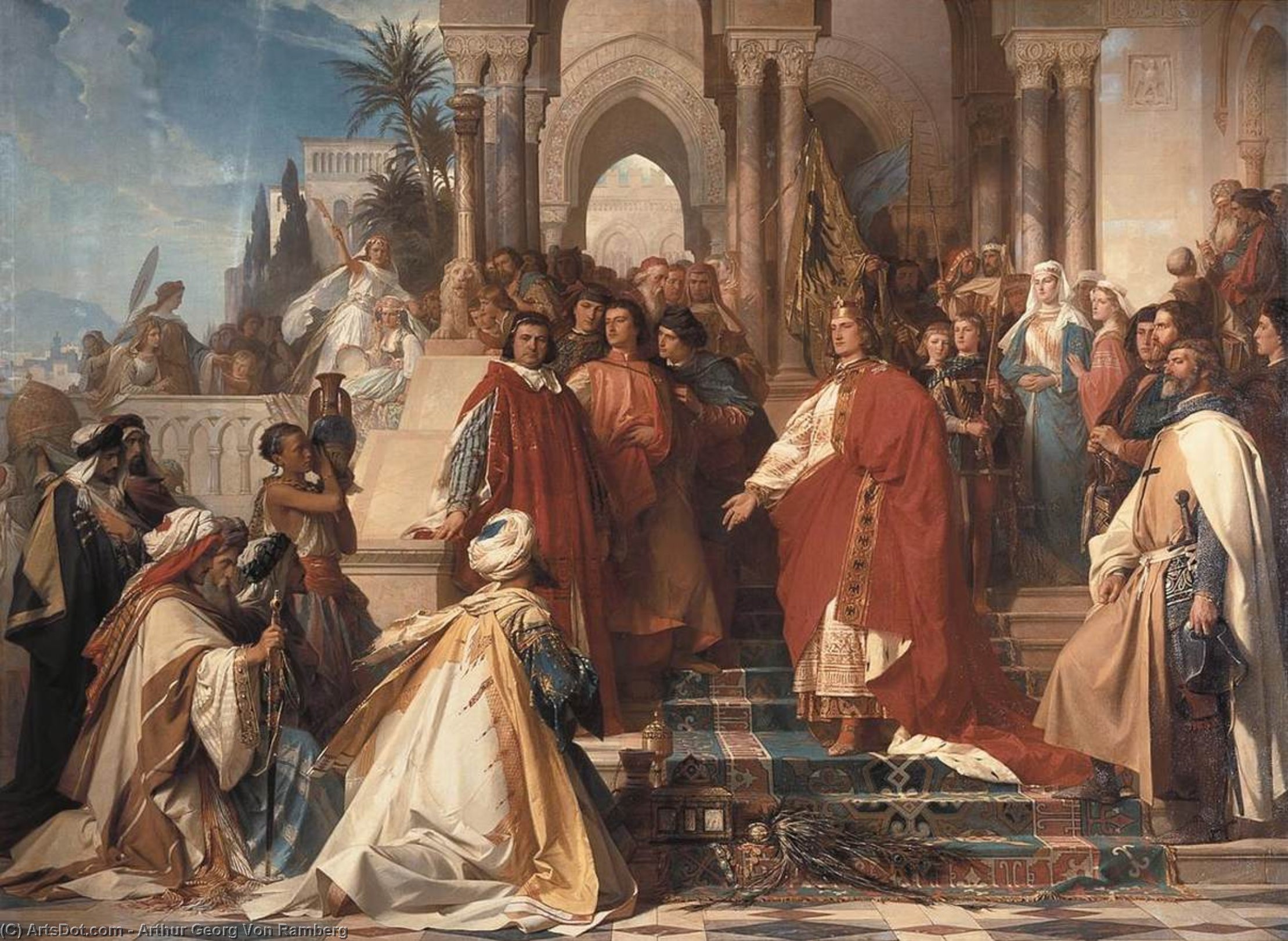
The Court of Emperor Frederick II in Palermo
 Oil On Canvas
- WallArt
- Romanticism
 1865
1865- 19th Century
 383.0 x 520.0 cm
 Neue Pinakothek
 Pročitaj više
Ručno rađena uljana reprodukcija
Ručno oslikano uljanim bojama na platnu u dimenzijama i okviru po vašem izboru, izrađeno po porudžbini od strane naših umetnika. ( Kupi print Kupi digitalnu sliku)




P118B $10

P118H $10

P118W $10

P438Z $10

P508JH $12

P508YH $12

P805H $10

P805Z $10

P919BZ $10

P919G $10

P919XJ $10

P959ZH $10

P968JZ $12

W106C $8

W218G $10

W218JH $8

W218Y $10

W307PJ $10

W316G $10

W316PJ $8

W316Y $10

W398PJ $8

W4111J $10

W500HY $15

W500JH $15

W692G $12

W849H $8

W940BG $15

W953PJ $8




Izaberite jednu od naših unapred definisanih veličina koje odgovaraju originalnim proporcijama umetničkog dela.

Можете унети сопствене димензије како бисте прилагодили дело одређеном оквиру или простору. Ако одабрана величина не одговара пропорцијама оригинала, слика ће бити исечена или проширена додатним елементима који се ручно насликавају. Дигитални prikaz ће вам бити послат на одобрење пре почетка производње.
Имајте на уму да преглед на екрану не одражава стварно исецање или проширење. Само приказ (mockup) ће тачно приказати коначну композицију.
Иако су доступне прилагођене величине, препоручујемо да одаберете димензију из дефинисане листе како бисте сачували оригиналне пропорције.
Nakon narudžbine, tim ArtsDot.com će klijentu putem e-pošte poslati uputstva i dostaviti prikaz predloženog rešenja
Isporuka širom sveta () za 3/4 nedelje umesto uobičajenih 5 nedelja. (3 септембар). Bez kompromisa po pitanju kvaliteta.

Besplatna ekspresna dostava širom sveta

Visokokvalitetno laneno platno

Kompletno osiguranje transporta

Garancija povraćaja carine i uvoznih dažbina

Garancija vernosti boja

Politika povrata u roku od 60 dana (samo u slučaju nedostataka)

Garancija povrata novca od 100%

Popust pri grupnoj kupovini
 Opcija sa staklom dostupna je samo za dimenzije manje od 110 cm

The Court of Emperor Frederick II in Palermo
Tehnika reprodukcije
Dimenzije reprodukcije
-


Konačna cena
$ 263
Srodna umetnička dela

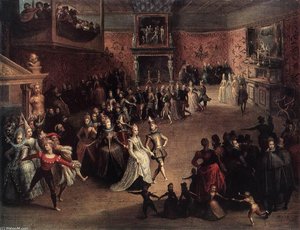
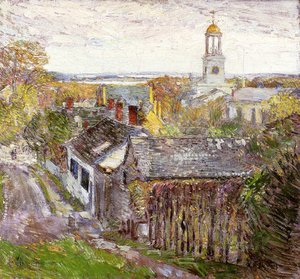
Biografija umetnika
The Soul of the Romantic Landscape: The Life of Arthur Georg von Ramberg
In the heart of nineteenth-century Europe, a period defined by the tension between classical order and the wild, untamed emotions of Romanticism, Arthur Georg von Ramberg emerged as a master of visual storytelling. Born on 4 September 1819, into an aristocratic Viennese family, Ramberg’s early life was steeped in the refined aesthetics of the Austrian capital. This privileged upbringing provided him with more than just social standing; it offered a profound intellectual foundation, where tutors nurtured a dual appreciation for classical precision and the burgeoning, misty allure of the Romantic movement. His formative years in Vienna were not merely a period of growth but a deep immersion into the cultural currents that would eventually allow him to bridge the gap between German landscape traditions and a more dramatic, emotive vision of nature.
Ramberg’s formal artistic journey began at the prestigious Akademie der Bildenden KünSE Wien (Vienna Academy of Fine Arts). It was within these hallowed halls that he encountered the transformative influences of masters such as Johann Franz Anton Richter and Wilhelm Leibl. These mentors provided him with the technical discipline required to execute complex compositions, yet it was his fascination with the sublime that truly defined his trajectory. Drawing inspiration from the legendary Caspar David Friedrich, Ramberg sought to capture more than just the physical topography of the earth; he aimed to translate the emotional resonance of the landscape into paint. His work often reflects a preoccupation with the spiritual weight of nature, where mountainscapes and pastoral scenes serve as mirrors for the human psyche.
Technique, Composition, and the Mastery of Light
To observe a Ramberg canvas is to witness a meticulous dance of light and shadow. Eschewing superficiality, he favored the enduring medium of oil on canvas, employing a disciplined, layered approach that allowed for breathtakingly nuanced tonal gradations. His technique was characterized by an ability to create atmospheric perspective, where distant peaks seem to dissolve into a soft, ethereal haze, pulling the viewer deeper into the scene. This mastery of atmosphere was essential in achieving the "sublime" quality so central to his Romantic ideals.
His compositions were rarely static or simple; instead, they utilized asymmetrical arrangements and carefully orchestrated focal points to guide the eye through a narrative journey. By positioning key elements—a solitary tree, a rugged precipice, or a distant light—he created a sense of movement and discovery. This structural sophistication ensured that his landscapes were never merely decorative but were instead profound explorations of space and depth. Whether depicting the dramatic grandeur of the Alps or the quiet intimacy of a woodland clearing, RamIBERG maintained a rigorous control over composition that elevated his work above mere topographical recording.
Historical Grandeur and Lasting Legacy
While much of his fame rests upon his landscape mastery, Ramberg also possessed a remarkable talent for historical and genre painting, capturing the vibrant drama of past eras. One of his most significant achievements is the monumental “The Court of Emperor Frederick II in Palermo” (1865). In this work, he moved beyond the natural world to reconstruct the architectural splendor and regal intensity of medieval court life. Through this piece, Ramberg demonstrated his ability to weave historical accuracy with a sense of theatrical grandeur, showcasing his skill in rendering intricate textures, from heavy fabrics to cold stone.
The significance of Arthur Georg von Ramberg lies in his role as a cultural bridge. He successfully synthesized the disciplined traditions of German landscape painting with the emotive, often turbulent spirit of Romanticism. His ability to navigate between the historical and the natural, the classical and the sublime, has secured his place in the annals of nineteenth-century art. Though he passed away in Munich in 1875, his legacy persists through works that continue to evoke the profound, haunting beauty of a world caught between the light of reason and the shadows of imagination.
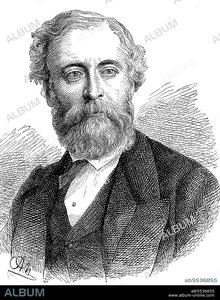
arthur georg von ramberg
1819 - 1875 , Austria
Osnovne informacije
- Artistic Movement Or Style: Romanticism
- Artists Or Movements Influenced By This Artist: ['Romantic Art']
- Artists Who Influenced This Artist: ['Caspar David Friedrich']
- Date Of Birth: September 4, 1819
- Date Of Death: February 5, 1875
- Full Name: Arthur Georg von Ramberg
- Nationality: Austrian
- Notable Artworks:
- Alpine Landscape
- Roman Ruins
- Place Of Birth: Vienna, Austria
Povezani članci
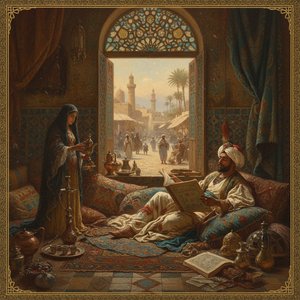
John Frederick Lewis: Orientalism, Detail & Genre Painting in 19th-Century British Art
Explore the captivating Orientalist paintings of John Frederick Lewis! Discover his mastery of detail, genre scenes & influence on 19th-century British art. Learn about his life, techniques & legacy at ArtsDot.
Academic Art: Tradition, Technique & the Pursuit of Ideal Form in the 19th Century
Explore the world of Academic Art! Discover its history, key artists like Ingres & Bouguereau, defining techniques, and lasting influence on 19th-century painting. Learn about the Salon system and its legacy.
Thomas George Webster: Navigating Genre Boundaries & American Identity in 19th-Century Landscape Painting
Explore the captivating genre scenes of Thomas George Webster, a Victorian painter bridging British traditions with American themes. Discover his style, influences & legacy in 19th-century art history.
19th Century Masterpieces: 10 Paintings That Defined an Era | ArtsDot
Journey through 19th century art with ArtsDot! Explore 10 iconic paintings – from Monet & Renoir to Courbet – and discover the stories behind Romanticism, Realism & Impressionism. Find museum-quality reproductions for your home decor. Explore the full collection online!
Franz Xaver Winterhalter: Court Painter, Academician & Embodiment of Mid-19th Century Portraiture
Explore the life & art of Franz Xaver Winterhalter, the celebrated court painter of the 19th century. Discover his exquisite portraits of royalty and aristocracy – a symbol of prestige and refined taste.

