

 Pregledaj u prostoru
 Pošalji
 Podeli
 Detalji o delu

 Преузми
 Slični predmeti
 Rendgenski snimak
 Slajdovi
 Statistika
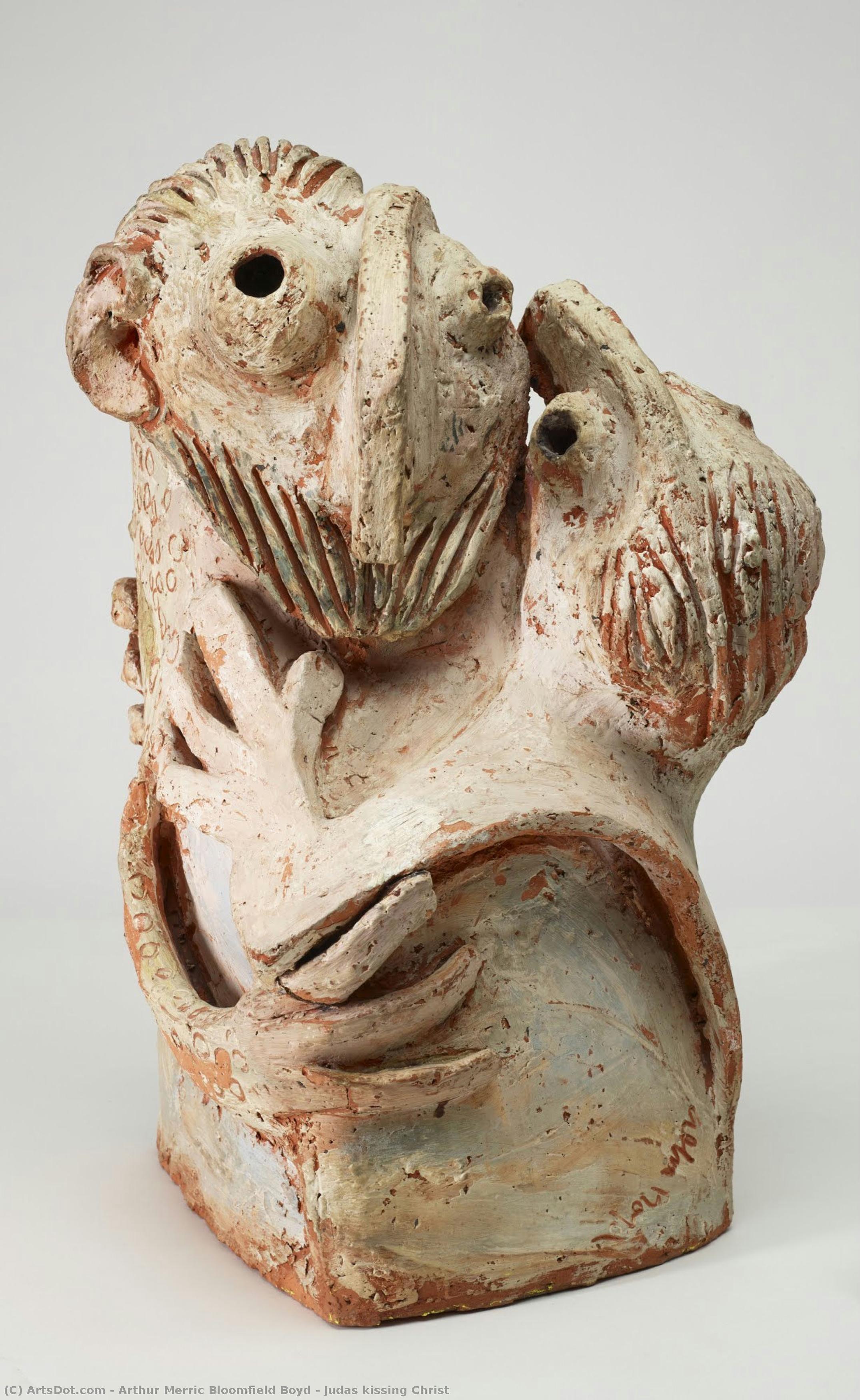
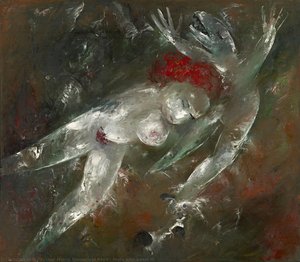
Judas kissing Christ
 Acrylic On Canvas
- WallArt
- Expressionism
 1953
1953 60.0 x 37.0 cm
 Art Gallery of New South Wales
 Pročitaj više
Kupite digitalnu sliku visoke rezolucije i poboljšanog kvaliteta, koja je znatno superiornija od onoga što vidite u online prikazu.
Svaka datoteka je pedantno pripremljena od strane naših stručnjaka koristeći napredne alate i profesionalnu ručnu retušu. Osiguravamo da svaka slika ima izuzetnu oštrinu, preciznu reprodukciju boja i fine detalje.
Konačna datoteka se dostavlja putem e-pošte u roku od 72 sata, optimizovana za neposrednu upotrebu u profesionalnim, izdavačkim i štamparskim okruženjima. To je isti kvalitet kojem veruju vrhunski studiji dizajna, izdavači i galerije.
Digitalna slika
Preuzmite datoteku visoke rezolucije za ličnu upotrebu, štampanje i kreativne projekte. ( Pređi na štampu Kupi ručno naslikanu sliku)
Uključeno uz svaku porudžbinu digitalne slike
Profesionalna digitalna isporuka, zagarantovana
Kada odaberete ArtsDot.com, ne dobijate samo sliku – vi primate profesionalno unapređeno digitalno umetničko delo, izrađeno sa najvećom preciznošću i uz garanciju zadovoljstva. Evo svega što automatski dolazi uz vašu porudžbinu:

Brza dostava putem e-pošte
Vaša digitalna slika visoke rezolucije biće vam poslata putem e-pošte u roku od 72 sata od poručivanja – spremna za trenutnu upotrebu.

Digitalna datoteka unapređena veštačkom inteligencijom
Vaše umetničko delo je profesionalno optimizovano korišćenjem naprednih AI alata i ručne obrade, čime se osiguravaju maksimalni detalji, oštrina i preciznost boja.

Besplatna ponovna isporuka doživotno
Slučajno ste obrisali ili izgubili svoju datoteku? Ne brinite – poslaćemo vam je ponovo u bilo kom trenutku, potpuno besplatno.

Bez troškova uvoza – zauvek
Uživajte u svojim umetničkim delima trenutno, bez carine, dažbina ili troškova dostave – digitalni download je uvek bez poreza.

Garancija vernosti boja
Uz pomoć profesionalnih alata i upravljanja bojama, osiguravamo da vaša digitalna slika što vernije odražava originalne boje.

Garancija zadovoljstva od 100 dana
Ako niste zadovoljni svojom digitalnom slikom, izvršićemo reviziju ili ćemo vam vratiti 100% novca u roku od 100 dana – bez ikakvih pitanja.

100% garancija povrata novca
Niste zadovoljni? Dobijte puni povraćaj novca u roku od 100 dana od prijema digitalne datoteke – bez suvišnih pitanja.

Popusti na velike porudžbine
Kupite 3 slike, uštedite 10% - Kupite 5 slika, uštedite 15% - Kupite 10+ slika, uštedite 20%. Odlično za kreativne projekte, galerije i agencije.
A Moment of Betrayal and Profound Sorrow: Examining Arthur Boyd’s “Judas Kissing Christ”
Arthur Merric Bloomfield Boyd, a pivotal figure in Australian art, possessed an extraordinary ability to imbue biblical narratives with the raw emotionality of the Australian landscape. His 1952-1953 terracotta sculpture, "Judas Kissing Christ," housed within the collection of the Art Gallery of New South Wales, is not merely a depiction of a pivotal moment in Christian scripture; it’s a haunting meditation on betrayal, remorse, and the enduring weight of human fallibility. Boyd's work transcends simple illustration, offering instead a deeply felt exploration of the psychological complexities inherent in both the story itself and the artist’s own artistic vision.
The sculpture depicts a solitary figure – Judas Iscariot – kneeling before Christ, engaging in what appears to be a tender, almost sorrowful kiss. The details are strikingly understated yet profoundly evocative. Boyd masterfully utilizes the coarse texture of terracotta, lending a sense of vulnerability and earthly weight to the scene. The man’s face is partially obscured by his hands pressed against his cheeks, a gesture simultaneously of shame and profound grief. The crown he wears – a symbol of both authority and impending doom – further emphasizes the tragic nature of his actions. Noticeably absent are any overt signs of violence or accusation; instead, there's an atmosphere of quiet desperation, suggesting a lingering regret that permeates the entire composition.
The Roots of Expressionism in Australian Clay
Boyd’s choice of terracotta as his medium is significant. He and his family had established a pottery studio at Murrumbeena, Victoria, inheriting a legacy of artistic skill from his parents, Doris and Merric Boyd. This familial connection to ceramics provided him with a foundational understanding of the material's potential – its ability to capture texture, evoke tactile sensations, and convey emotional depth. The work reflects a deliberate move away from purely representational art, aligning with the burgeoning Expressionist movement gaining momentum in Europe at the time. Boyd wasn’t simply replicating an image; he was channeling an internal state, translating the narrative's core emotion into a tangible form.
Furthermore, Boyd’s artistic practice was deeply influenced by his wartime experiences as a cartographer. The stark realities of conflict – displacement, loss, and the psychological toll on soldiers – informed his later work, imbuing it with a sense of social consciousness and empathy. This experience is subtly reflected in the sculpture's somber mood and its focus on human vulnerability.
Symbolism and the Weight of Choice
The "Judas Kiss" transcends a literal depiction of the biblical event, functioning as a potent symbol of betrayal – not just of Christ, but also of the inherent capacity for self-destruction within humanity. The terracotta itself, an earthbound material, reinforces this theme, grounding the scene in the tangible realities of human existence and reminding us of our own mortality. The act of kissing, traditionally associated with affection and intimacy, is here transformed into a gesture of profound transgression, highlighting the destructive potential of misplaced loyalty and personal ambition.
Interestingly, Boyd’s work frequently juxtaposes biblical narratives with the Australian landscape – a deliberate strategy that underscores the universality of human experience. The setting for this particular sculpture remains deliberately ambiguous, allowing viewers to project their own interpretations onto the scene. The absence of specific geographical markers further emphasizes the timelessness of the story and its relevance across cultures and generations.
A Legacy of Emotional Resonance
“Judas Kissing Christ” stands as a testament to Arthur Boyd’s artistic vision – a poignant exploration of human fallibility, remorse, and the enduring power of symbolism. It's a work that invites contemplation, prompting viewers to consider not only the historical context of the biblical story but also its broader implications for the human condition. Today, reproductions of this powerful sculpture continue to resonate with audiences worldwide, serving as a reminder of the complexities of morality, the consequences of betrayal, and the enduring search for redemption.
Srodna umetnička dela

Biografija umetnika
A Life Immersed in Art and the Australian Landscape
Arthur Merric Bloomfield Boyd, born on July 24, 1920, in Murrumbeena, Victoria, was more than just a painter; he was a chronicler of the human condition, deeply entwined with the spirit of the Australian landscape. His artistic journey began not as a solitary pursuit but as an inheritance, nurtured within a family where creativity flowed like a lifeblood. Both his parents, Doris and Merric Boyd, were accomplished artists – potters and painters themselves – establishing a home environment saturated with aesthetic exploration. This early immersion wasn’t merely about learning technique; it was about understanding art as a way of life, a means of interpreting the world and expressing its complexities. From childhood sketches to mature masterpieces, Boyd's work consistently reflected this foundational influence, evolving yet always retaining a connection to his familial artistic roots. The legacy extended beyond his immediate family, with generations of Boyds contributing to Australia’s vibrant art scene, solidifying their place as one of the nation’s most prominent creative dynasties.From Impressionistic Visions to Expressionist Depths
Boyd's stylistic range was remarkably versatile, defying easy categorization. He moved fluidly between impressionistic renderings of the Australian bush – capturing its light, texture, and vastness with a delicate touch – and starkly expressionist figuration that delved into the darker recesses of human emotion. Often, these styles weren’t mutually exclusive; canvases would seamlessly blend both approaches, creating a unique visual language that was distinctly Boyd's own. This ability to synthesize different techniques allowed him to explore a wide spectrum of themes, from the beauty and serenity of nature to the anguish and moral dilemmas of existence. A defining characteristic of his work became the juxtaposition of biblical narratives within the Australian context. Paintings like Judas Kissing Christ, now housed in the Art Gallery of New South Wales, exemplify this approach – a powerful reimagining of a pivotal religious moment transposed onto the rugged terrain of the Australian outback. This wasn’t simply an aesthetic choice; it was a deliberate attempt to universalize these stories, grounding them in a specific cultural and geographical reality.A Social Conscience Painted on Canvas
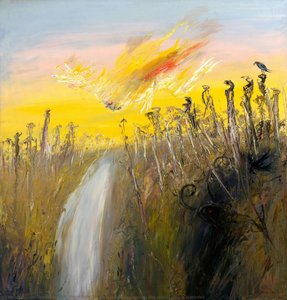
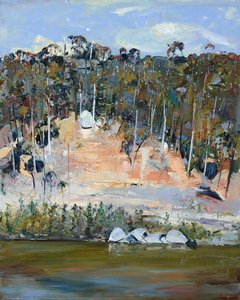
Beyond his technical prowess, Boyd's art resonated with a profound social conscience. He wasn’t content to merely depict the world; he sought to engage with its injustices and explore universal themes of love, loss, shame, and redemption. This commitment manifested in both his paintings and sculptures, often focusing on marginalized figures and challenging societal norms. River Bank and Four Rocks, another significant work at the Art Gallery of New South Wales, exemplifies this depth, inviting viewers to contemplate the complexities of human experience within a natural setting. Boyd’s wartime experiences also profoundly shaped his artistic vision. Serving in the Australian Army during World War II, he witnessed firsthand the horrors of conflict and the suffering it inflicted on individuals. This exposure fueled his empathy and strengthened his resolve to use art as a vehicle for social commentary. He depicted the dispossessed and those deemed unfit for service, offering a poignant critique of war’s devastating consequences.A Lasting Legacy: Family, Bundanon, and Artistic Influence
Arthur Boyd's influence extends far beyond his individual artistic achievements. His family continued to flourish creatively; his wife, Yvonne Boyd (née Lennie), and their children – Jamie, Polly, and Lucy – all became accomplished painters in their own right, perpetuating the Boyd artistic tradition. Perhaps one of his most enduring legacies is Bundanon, the family property on the Shoalhaven River in New South Wales. In 1993, Arthur and Yvonne generously gifted this vast estate to the Australian people, establishing a center for arts and environmental studies. This act wasn’t merely philanthropic; it was a testament to Boyd's belief in the power of art to connect individuals with nature and foster creativity. Bundanon continues to serve as a vital resource for artists, researchers, and educators, ensuring that Boyd’s vision will inspire generations to come. His work remains critically acclaimed and widely exhibited, cementing his position as one of Australia’s most important and influential artists. He passed away in 1999, leaving behind a body of work that continues to challenge, provoke, and move audiences around the world.Exploring Further
- Discover more artworks: https://ArtsDot.com/@/arthur-merric-bloomfield-boyd
- Art Gallery of New South Wales Collection: /en/art/show/art-8xyffg-en/
- Explore influential artists: /en/art/list/
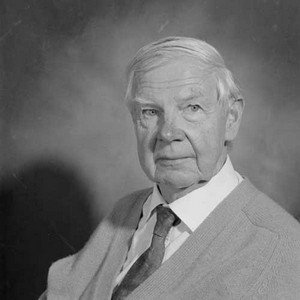
Arthur Merric Bloomfield Boyd
1920 - 1999