

 Pregledaj u prostoru
 Pošalji
 Podeli
 Detalji o delu

 Преузми
 Slični predmeti
 Rendgenski snimak
 Slajdovi
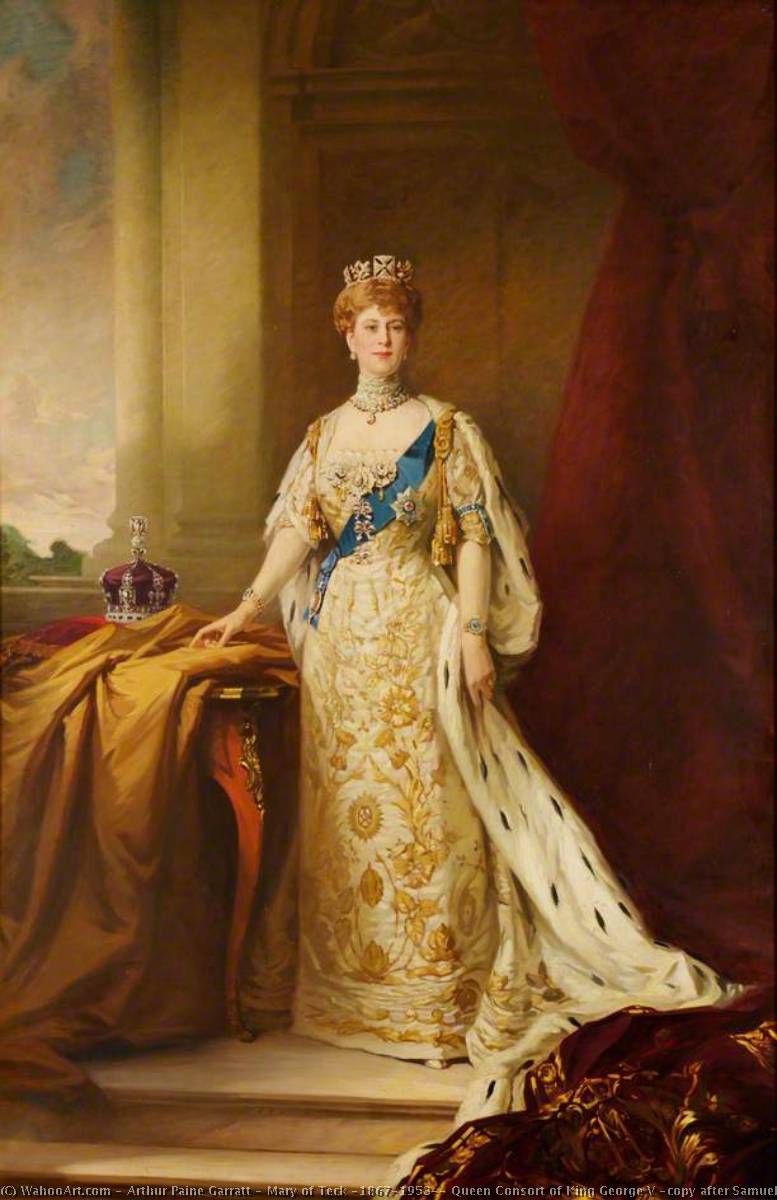
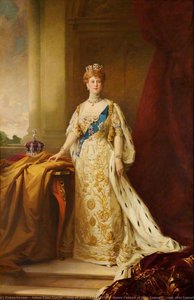
Mary of Teck (1867–1953), Queen Consort of King George V (copy after Samuel William Henry Llewellyn)
 186.0 x 121.0 cm
 Government Art Collection
 Pročitaj više
Giclee štampa / Umetnički otisak
Giclée štampa ili print na platnu muzejskog kvaliteta uz brzu proizvodnju i fleksibilne opcije završne obrade. ( Kupi ručno naslikanu sliku Kupi digitalnu sliku)




































Izaberite jednu od naših unapred definisanih veličina koje odgovaraju originalnim proporcijama umetničkog dela.

Možete uneti sopstvene dimenzije kako biste umetničko delo prilagodili specifičnom okviru ili prostoru. Ako odabrani format ne odgovara proporcijama originalne slike, mi ćemo ili iscrtati deo dela ili proširiti sliku pomoću ogledane ivice ili jednobojnog popunjavanja. Digitalni prikaz će vam biti poslat na odobrenje pre početka proizvodnje.
Imajte na umu da pregled na ekranu ne odražava stvarno iscrtavanje ili proširivanje. Samo će prikaz (mockup) precizno pokazati finalnu kompoziciju.
Iako su prilagođene dimenzije dostupne, preporučujemo da odaberete dimenziju sa unapred definisane liste kako biste očuvali originalne proporcije.
Dostava širom sveta () za 2 nedelje umesto uobičajenih 4/5 nedelja. (5 септембар)

Besplatna ekspresna dostava širom sveta

Visokokvalitetno laneno platno

Kompletno osiguranje transporta

Garancija povraćaja carine i uvoznih dažbina

Garancija vernosti boja

Politika povrata u roku od 60 dana (samo u slučaju nedostataka)

Garancija povrata novca od 100%

Popust pri grupnoj kupovini
 Opcija sa staklom dostupna je samo za dimenzije manje od 110 cm

Mary of Teck (1867–1953), Queen Consort of King George V (copy after Samuel William Henry Llewellyn)
Giclee štampa / Umetnički otisak
Dimenzije reprodukcije
-


Konačna cena
$ 62
Srodna umetnička dela



Biografija umetnika
A Quiet Observer of English Life: The World of Arthur Paine Garratt
Arthur Paine Garratt (1873–1955), often signing his works simply as A. Garratt, remains a somewhat elusive figure in the pantheon of British landscape and interior painters. While not achieving widespread renown during his lifetime, his delicate watercolors and oil paintings offer a poignant glimpse into the serene beauty of late Victorian and Edwardian England. Born in 1873, Garratt dedicated himself to capturing the essence of the English countryside and the dignified interiors of its esteemed educational institutions, particularly Harrow School and Eton College. His work wasn’t about grand statements or revolutionary techniques; it was a quiet observation, a meticulous rendering of light, atmosphere, and the subtle charm of everyday scenes. He possessed an exceptional ability to evoke a sense of nostalgia and tranquility, qualities that resonate strongly with contemporary viewers seeking respite from the frenetic pace of modern life.Early Life and Artistic Development
Details regarding Garratt’s formal artistic training are scarce, adding to his mystique. It is believed he received instruction at the Heatherley School of Fine Art in London, a reputable institution known for preparing students for careers as illustrators and landscape painters. This background likely shaped his focus on representational art and his proficiency in watercolor techniques. The influence of the Victorian tradition of topographical painting is readily apparent in his early works – precise detailing, balanced compositions, and a commitment to accurately depicting architectural features. However, Garratt’s style gradually evolved beyond mere documentation. He infused his paintings with a romantic sensibility, softening edges and employing a muted palette that emphasized mood and atmosphere over strict realism. His choice of subject matter—the hallowed halls of Harrow and Eton—suggests a connection to the upper echelons of British society, perhaps through commissions or personal patronage.The Schools as Subject: Harrow and Eton
Garratt’s most recognizable body of work centers on his depictions of Harrow School and Eton College. He wasn't merely painting buildings; he was capturing the *spirit* of these institutions – the weight of tradition, the echoes of generations past, and the quiet dignity of academic life. “The 4th Form Room, Harrow”, for example, is not a bustling classroom scene but rather an intimate portrayal of empty desks bathed in soft light, hinting at the intellectual energy that once filled the space. Similarly, his paintings of Eton College’s chapels and playing fields convey a sense of timelessness and reverence. He skillfully balanced architectural precision with atmospheric effects, creating images that are both visually appealing and emotionally evocative. These works were often commissioned by alumni or used for promotional purposes, solidifying Garratt's reputation as a skilled chronicler of British educational heritage. His paintings offered a romanticized vision of these schools, reinforcing their prestige and appeal to prospective students and their families.Technique and Influences
Garratt’s technique was characterized by meticulous attention to detail and a masterful use of light and shadow. He primarily worked in watercolor and oil paints, often combining the two mediums to achieve specific effects. His watercolors are particularly noteworthy for their delicate washes and subtle gradations of color, creating an ethereal quality that is both captivating and serene. He demonstrated a keen understanding of perspective and composition, ensuring that his paintings were visually balanced and harmonious. While he didn’t adhere rigidly to any particular artistic movement, Garratt's work reveals influences from several sources. The Pre-Raphaelites’ emphasis on detail and romantic subject matter can be seen in his early works, while the Impressionists’ focus on light and atmosphere informed his later paintings. He also drew inspiration from topographical painters like J.M.W. Turner and David Cox, adapting their techniques to suit his own aesthetic sensibilities.Legacy and Historical Significance
Although Arthur Paine Garratt did not achieve widespread fame during his lifetime, his work continues to be appreciated for its quiet beauty and evocative power. His paintings offer a valuable glimpse into the social and cultural landscape of late Victorian and Edwardian England, capturing a sense of nostalgia and tranquility that resonates with contemporary viewers.- His meticulous depictions of Harrow School and Eton College provide a unique historical record of these esteemed institutions.
- Garratt’s skillful use of light and atmosphere creates images that are both visually appealing and emotionally evocative.
- His work represents a continuation of the Victorian tradition of landscape painting, infused with a romantic sensibility.
arthur paine garratt
1873 - 1955

