

 Pregledaj u prostoru
 Pošalji
 Podeli
 Detalji o delu

 Преузми
 Slični predmeti
 Rendgenski snimak
 Slajdovi
 Statistika
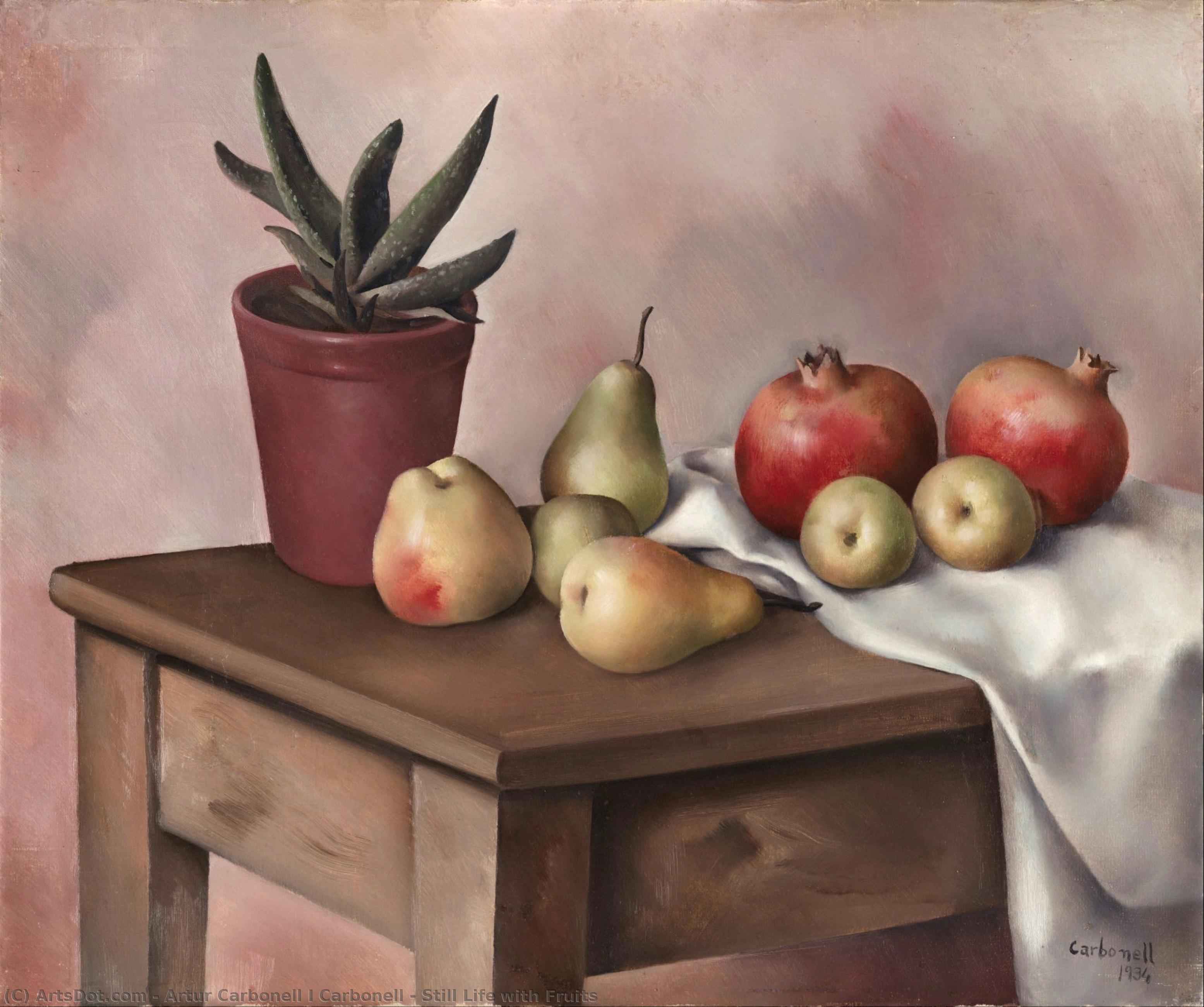
Still Life with Fruits
 1934
1934 46.0 x 55.0 cm
 Maricel Museum
 Pročitaj više
Ručno rađena uljana reprodukcija
Ručno oslikano uljanim bojama na platnu u dimenzijama i okviru po vašem izboru, izrađeno po porudžbini od strane naših umetnika. ( Pređi na štampu Pređi na digitalnu sliku)




































Izaberite jednu od naših unapred definisanih veličina koje odgovaraju originalnim proporcijama umetničkog dela.

Можете унети сопствене димензије како бисте прилагодили дело одређеном оквиру или простору. Ако одабрана величина не одговара пропорцијама оригинала, слика ће бити исечена или проширена додатним елементима који се ручно насликавају. Дигитални prikaz ће вам бити послат на одобрење пре почетка производње.
Имајте на уму да преглед на екрану не одражава стварно исецање или проширење. Само приказ (mockup) ће тачно приказати коначну композицију.
Иако су доступне прилагођене величине, препоручујемо да одаберете димензију из дефинисане листе како бисте сачували оригиналне пропорције.
Nakon narudžbine, tim ArtsDot.com će klijentu putem e-pošte poslati uputstva i dostaviti prikaz predloženog rešenja
Isporuka širom sveta () za 3/4 nedelje umesto uobičajenih 5 nedelja. (9 септембар). Bez kompromisa po pitanju kvaliteta.

Besplatna ekspresna dostava širom sveta

Visokokvalitetno laneno platno

Kompletno osiguranje transporta

Garancija povraćaja carine i uvoznih dažbina

Garancija vernosti boja

Politika povraćaja u roku od 100 dana (isključivo u slučaju nedostataka)

Garancija povrata novca od 100%

Popust pri grupnoj kupovini
 Opcija sa staklom dostupna je samo za dimenzije manje od 110 cm

Still Life with Fruits
Tehnika reprodukcije
Dimenzije reprodukcije
-


Konačna cena
$ 263
Srodna umetnička dela








Biografija umetnika
Robert Rauschenberg: A Collision of Worlds
Born in Port Arthur, Texas, on October 22, 1925, Robert Rauschenberg’s artistic journey was a radical departure from traditional notions of painting and sculpture. His early life, shaped by fundamentalist Christian parents and a childhood spent amidst the industrial landscape of the Gulf Coast, instilled in him a fascination with everyday objects and their potential for transformation. This initial exposure to the mundane would become a defining characteristic of his groundbreaking work, particularly during the mid-1950s when he began experimenting with what became known as “Combines.” These hybrid artworks—often incorporating found objects, photographs, textiles, and paint—blurred the boundaries between disciplines, challenging the established hierarchies of art history.
Rauschenberg’s artistic education was unconventional. He initially enrolled at the University of Texas at Austin but dropped out to serve in the Navy during World War II. Following the war, he attended Black Mountain College in North Carolina, a notoriously experimental environment where he encountered artists like Josef Albers, Max Ernst, and Merce Cunningham. This immersion in avant-garde thinking profoundly influenced his approach to artmaking, fostering a spirit of experimentation and a rejection of rigid artistic conventions. He later studied at the Art Institute of Chicago under Kenneth Noland, absorbing elements of Abstract Expressionism while simultaneously seeking ways to integrate recognizable imagery into his work.
The Rise of the Combine
Rauschenberg’s “Combines” emerged as a pivotal moment in 20th-century art. These works weren't simply paintings or sculptures; they were complex assemblages that demanded active engagement from the viewer. Consider *Monogram* (1955), a painting featuring a tire, a metal hubcap, and a fragment of a billboard—a seemingly incongruous combination that nonetheless resonated with a powerful visual energy. Similarly, *Canyon* (1959), created in collaboration with actor Kenneth Baxter, was a theatrical performance piece incorporating a stage set, costumes, and Rauschenberg’s paintings. These works demonstrated his willingness to dismantle traditional artistic categories and explore new modes of representation.
The influence of Dadaism and Surrealism is evident in Rauschenberg's early work, particularly his use of chance operations and the juxtaposition of unexpected elements. However, unlike the nihilistic spirit of Dada, Rauschenberg’s approach was ultimately optimistic, seeking to reveal beauty and meaning within the ordinary. He famously stated that he wanted to “make a painting out of something.” This simple yet profound statement encapsulates the core of his artistic philosophy: to elevate the commonplace into the realm of art.
Expanding Horizons: Printmaking and Beyond
While the Combines remain Rauschenberg’s most iconic creations, his artistic output extended far beyond this singular approach. He became a prolific printmaker, experimenting with various techniques—woodcuts, screenprints, lithographs—to create works that explored themes of memory, identity, and social commentary. His prints often incorporated photographs, text, and collage elements, mirroring the hybridity of his paintings.
In later years, Rauschenberg continued to push the boundaries of artmaking, engaging in performance art, installation pieces, and collaborations with musicians and dancers. He embraced technology, incorporating video and digital media into his work. His commitment to experimentation remained unwavering throughout his career, reflecting a deep-seated belief in the transformative power of art.
Legacy and Influence
Robert Rauschenberg died on May 12, 2008, leaving behind a vast and influential body of work. His Combines revolutionized painting, demonstrating that art could emerge from unexpected sources and challenge conventional notions of representation. He paved the way for subsequent generations of artists who embraced assemblage, collage, and mixed media techniques. His willingness to experiment, his embrace of chance operations, and his profound respect for the ordinary have cemented his place as one of the most important and innovative artists of the 20th century.
Rauschenberg’s work continues to be exhibited worldwide and studied in art schools and universities. His legacy extends beyond the realm of fine art, inspiring designers, architects, and other creative professionals to explore new possibilities and challenge established norms. He demonstrated that art could be a powerful tool for social commentary, personal expression, and ultimately, for understanding the world around us.
artur carbonell i carbonell
1925 - 2010 , Spain
Osnovne informacije
- Artistic Movement Or Style:
- Assemblage
- Pop Art
- Neo-Dada
- Artists Or Movements Influenced By This Artist:
- Jasper Johns
- Robert Ryman
- Artists Who Influenced This Artist:
- Picasso
- Pollock
- Marcel Duchamp
- Date Of Birth: October 22, 1925
- Date Of Death: May 12, 2008
- Full Name: Robert Rauschenberg
- Nationality: American
- Notable Artworks:
- Canyon
- Monogram
- Rauschenberg Prints
- Place Of Birth: Port Arthur, Texas