

 Pregledaj u prostoru
 Pošalji
 Podeli
 Detalji o delu

 Преузми
 Slični predmeti
 Rendgenski snimak
 Slajdovi
 Statistika
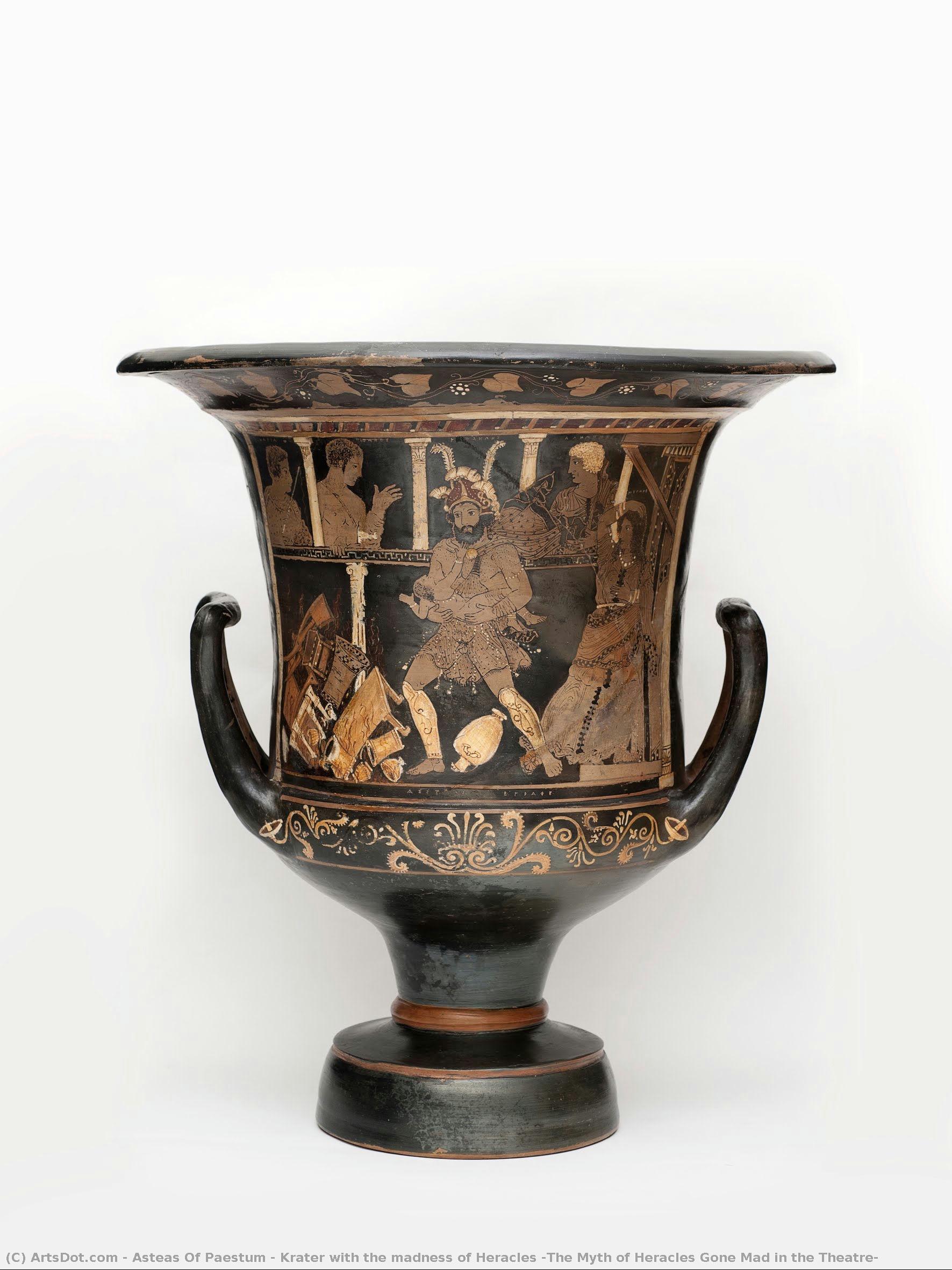
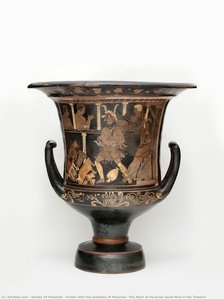
Krater with the madness of Heracles (The Myth of Heracles Gone Mad in the Theatre)

 Pročitaj više
Giclee štampa / Umetnički otisak
Giclée štampa ili print na platnu muzejskog kvaliteta uz brzu proizvodnju i fleksibilne opcije završne obrade. ( Kupi ručno naslikanu sliku Pređi na digitalnu sliku)




































Izaberite jednu od naših unapred definisanih veličina koje odgovaraju originalnim proporcijama umetničkog dela.

Možete uneti sopstvene dimenzije kako biste umetničko delo prilagodili specifičnom okviru ili prostoru. Ako odabrani format ne odgovara proporcijama originalne slike, mi ćemo ili iscrtati deo dela ili proširiti sliku pomoću ogledane ivice ili jednobojnog popunjavanja. Digitalni prikaz će vam biti poslat na odobrenje pre početka proizvodnje.
Imajte na umu da pregled na ekranu ne odražava stvarno iscrtavanje ili proširivanje. Samo će prikaz (mockup) precizno pokazati finalnu kompoziciju.
Iako su prilagođene dimenzije dostupne, preporučujemo da odaberete dimenziju sa unapred definisane liste kako biste očuvali originalne proporcije.
Dostava širom sveta () za 2 nedelje umesto uobičajenih 4/5 nedelja. (10 септембар)

Besplatna ekspresna dostava širom sveta

Visokokvalitetno laneno platno

Kompletno osiguranje transporta

Garancija povraćaja carine i uvoznih dažbina

Garancija vernosti boja

Politika povraćaja u roku od 100 dana (isključivo u slučaju nedostataka)

Garancija povrata novca od 100%

Popust pri grupnoj kupovini
 Opcija sa staklom dostupna je samo za dimenzije manje od 110 cm

Krater with the madness of Heracles (The Myth of Heracles Gone Mad in the Theatre)
Giclee štampa / Umetnički otisak
Dimenzije reprodukcije
-


Konačna cena
$ 62
Srodna umetnička dela





Biografija umetnika
The Master of Paestum: A Legacy in Red and Clay
In the sun-drenched landscape of Magna Graecia, where the echoes of Greek culture resonated deeply within the soil of Southern Italy, the name Asteas emerges as a rare and luminous beacon. While many artisans of the ancient world remained anonymous shadows behind their craft, Asteas stands as one of the few vase painters from the colonies whose individual identity has survived the relentless erosion of centuries. Active during the mid-5th century BC in the thriving Greek colony of Paestum, he was not merely a craftsman but a conductor of drama, commanding a prolific workshop that breathed life into clay through the revolutionary red-figure technique.
To understand Asteas is to understand the vibrant cultural crossroads of his era. Born and trained in Paestum, he operated within an environment where Hellenic traditions met the burgeoning influences of the Italian peninsula. This fertile ground for innovation allowed his workshop to specialize in grand vessels such as hydriai (water jugs) and kraters (mixing bowls)—objects designed not just for utility, but as canvases for storytelling. His work represents a pinnacle of ceramic artistry, where the physical medium of terracotta was transformed into a stage for the most profound human emotions and divine interventions.
The Art of Narrative: Myth and Theatre Unfolded
The true genius of Asteas lies in his ability to capture movement and psychological tension within the static confines of pottery. He was a master of the red-figure method, a technique that allowed for a level of anatomical precision and fluid drapery previously unimaginable in the older black-figure style. By leaving the figures in the natural reddish hue of the clay and painting the background with a dark slip, Asteas could use fine, delicate lines to trace the musculature of heroes or the frantic, fluttering folds of a goddess's robe. This allowed for a nuanced realism that made his mythological scenes feel startlingly immediate.
His subject matter often leaned toward the theatrical and the tragic, bridging the gap between the pottery workshop and the Greek stage. One of his most breathtaking achievements is the Krater with the Madness of Heracles. In this piece, the viewer is thrust into a moment of harrowing intensity: the hero, driven to temporary insanity by the wrath of Hera, stands over a pyre, mistaking his own son for a rival's child. The composition is a masterclass in emotional choreography, capturing the terror of his wife Megara and the desperate reaching of the innocent child. Through such works, Asebts did more than decorate vessels; he preserved the heartbeat of ancient Greek drama.
Historical Significance and Artistic Endurance
The enduring importance of Asteas extends far beyond the aesthetic beauty of his vases. He represents a vital link in the evolution of Mediterranean art, demonstrating how Greek artistic standards were adapted and flourished in the Western colonies. His workshop served as a center of excellence, influencing the stylistic trajectory of Paestan pottery for generations. The presence of inscriptions on his works—identifying gods, heroes, and even personifications like Mania (the goddess of madness)—highlights a sophisticated level of literacy and iconographic complexity that continues to fascinate modern archaeologists.
Today, the fragments of Asteas's world reside in the great museums of the world, from the Louvre in Paris to the National Archaeological Museum in Naples. Each vessel serves as a window into a lost epoch, reminding us of a time when art was an immersive experience of myth, ritual, and human struggle. His legacy remains etched in the very texture of the clay, a testament to a master who found a way to make the ephemeral stories of gods and men endure through the permanence of art.
asteas of paestum
Italy
Osnovne informacije
- Artistic Movement Or Style: Red-figure pottery
- Full Name: asteas of paestum
- Nationality: Greek
- Notable Artworks:
- Krater with the madness of Heracles
- Red-Figure Calyx-Krater of the Abduction of Europa
- Place Of Birth: Paestum, Italy