

 Pregledaj u prostoru
 Pošalji
 Podeli
 Detalji o delu

 Преузми
 Slični predmeti
 Rendgenski snimak
 Slajdovi
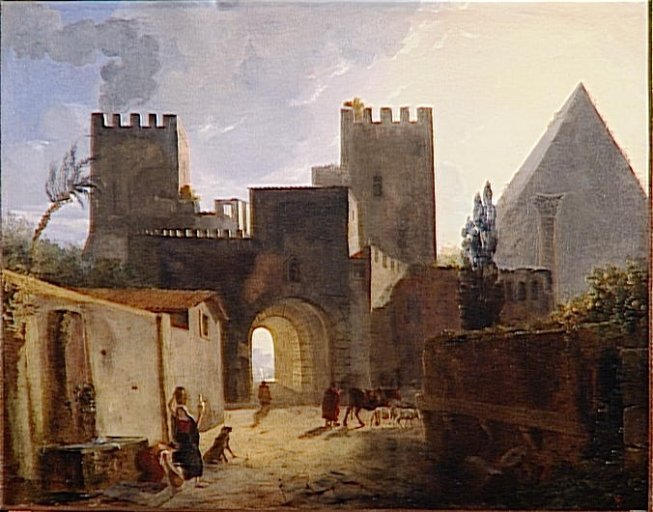
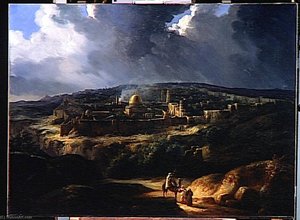
Vue de la Porte Saint Paul à Rome, effet du matin


 Pročitaj više
Kupite digitalnu sliku visoke rezolucije i poboljšanog kvaliteta, koja je znatno superiornija od onoga što vidite u online prikazu.
Svaka datoteka je pedantno pripremljena od strane naših stručnjaka koristeći napredne alate i profesionalnu ručnu retušu. Osiguravamo da svaka slika ima izuzetnu oštrinu, preciznu reprodukciju boja i fine detalje.
Konačna datoteka se dostavlja putem e-pošte u roku od 72 sata, optimizovana za neposrednu upotrebu u profesionalnim, izdavačkim i štamparskim okruženjima. To je isti kvalitet kojem veruju vrhunski studiji dizajna, izdavači i galerije.
Digitalna slika
Preuzmite datoteku visoke rezolucije za ličnu upotrebu, štampanje i kreativne projekte. ( Kupi print Kupi ručno naslikanu sliku)
Uključeno uz svaku porudžbinu digitalne slike
Profesionalna digitalna isporuka, zagarantovana
Kada odaberete ArtsDot.com, ne dobijate samo sliku – vi primate profesionalno unapređeno digitalno umetničko delo, izrađeno sa najvećom preciznošću i uz garanciju zadovoljstva. Evo svega što automatski dolazi uz vašu porudžbinu:

Brza dostava putem e-pošte
Vaša digitalna slika visoke rezolucije biće vam poslata putem e-pošte u roku od 72 sata od poručivanja – spremna za trenutnu upotrebu.

Digitalna datoteka unapređena veštačkom inteligencijom
Vaše umetničko delo je profesionalno optimizovano korišćenjem naprednih AI alata i ručne obrade, čime se osiguravaju maksimalni detalji, oštrina i preciznost boja.

Besplatna ponovna isporuka doživotno
Slučajno ste obrisali ili izgubili svoju datoteku? Ne brinite – poslaćemo vam je ponovo u bilo kom trenutku, potpuno besplatno.

Bez troškova uvoza – zauvek
Uživajte u svojim umetničkim delima trenutno, bez carine, dažbina ili troškova dostave – digitalni download je uvek bez poreza.

Garancija vernosti boja
Uz pomoć profesionalnih alata i upravljanja bojama, osiguravamo da vaša digitalna slika što vernije odražava originalne boje.

Garancija zadovoljstva od 100 dana
Ako niste zadovoljni svojom digitalnom slikom, izvršićemo reviziju ili ćemo vam vratiti 100% novca u roku od 100 dana – bez ikakvih pitanja.

100% garancija povrata novca
Niste zadovoljni? Dobijte puni povraćaj novca u roku od 100 dana od prijema digitalne datoteke – bez suvišnih pitanja.

Popusti na velike porudžbine
Kupite 3 slike, uštedite 10% - Kupite 5 slika, uštedite 15% - Kupite 10+ slika, uštedite 20%. Odlično za kreativne projekte, galerije i agencije.
Auguste de Forbin: A Painter Caught Between Romantic Idealism and Napoleonic Pragmatism
Auguste de Forbin (1777 – 1841) stands as a fascinating figure in French art history, embodying the complexities of his era—a period marked by turbulent political upheaval and burgeoning artistic innovation. Born into a noble family at Château La Roque-d’Anthéron, Provence, he possessed an innate talent for drawing from a young age, nurtured by a formative friendship with François Marius Granet, a relationship that would endure throughout their lives. This early training instilled in him a sensitivity to observation and detail, qualities that would characterize his artistic endeavors. His artistic journey began amidst the fervor of the French Revolution, where he witnessed firsthand the dramatic shifts reshaping French society. The assassination of his father, Marquis de Pont-à-Mousson, during the Lyon insurrection profoundly impacted Forbin’s life, highlighting the dangers inherent in political involvement and demonstrating the fragility of aristocratic privilege. Despite these challenges, Forbin remained steadfast in pursuing his artistic passions, navigating the turbulent currents of Romanticism while simultaneously grappling with the influence of Napoleon Bonaparte's ascendancy.Vue de la Porte Saint Paul à Rome, effet du matin: An Impressionistic Masterpiece
“Vue de la Porte Saint Paul à Rome, effet du matin” – Auguste de Forbin’s captivating landscape painting captures a serene moment in Roman history—the dawn breaking over the monumental Porta San Paolo. Executed around 1800, this artwork exemplifies the Romantic movement's preoccupation with capturing fleeting impressions of nature and emotion, blending meticulous detail with loose brushwork to convey an atmosphere of tranquility and grandeur. The piece resides within the Louvre Museum’s collection (inv4494; C 344), a testament to its enduring artistic merit.Composition and Technique: Embracing Atmospheric Perspective
The painting's composition centers around the imposing archway of the gate, which dominates the middle ground and serves as a focal point for the viewer’s gaze. Buildings flank either side of the archway, creating a convincing illusion of depth—a hallmark of Romantic landscape painting—and guiding the eye along a winding path toward the gateway. Scattered figures populate the scene, including a woman accompanied by her dog and several individuals observing the vista from afar, adding human presence to the expansive panorama. Forbin skillfully employs oil paint on canvas, layering thin washes of color to achieve a luminous effect that captures the subtle nuances of morning light. The artist’s brushstrokes are deliberately loose and expressive, prioritizing tonal variation over precise delineation—a technique characteristic of Impressionism's nascent stages.Color Palette and Emotional Resonance
The artwork’s color palette is dominated by muted earth tones – browns, beiges, creams, and grays – reflecting the subdued hues of dawn. Touches of green emanate from foliage, subtly animating the landscape, while hints of blue permeate the sky, contributing to an overall sense of serenity and warmth. These colors aren't merely descriptive; they evoke feelings of peace and contemplation, mirroring the Romantic ideal of sublime beauty—a connection between humanity and nature that resonated deeply with artists of the time.Symbolism: History Meets Tranquility
Beyond its aesthetic qualities, “Vue de la Porte Saint Paul à Rome” carries symbolic weight. The Porta San Paolo itself represents Roman imperial grandeur and enduring history, serving as a backdrop for an intimate scene of everyday life—a juxtaposition that underscores the Romantic fascination with capturing both monumental achievements and personal experiences. Forbin’s masterful rendering captures not only the visual splendor of Rome but also its emotional essence, inviting viewers to contemplate the passage of time and the beauty inherent in quiet contemplation.Further Research
Detailed information about Auguste de Forbin can be found on Wikipedia: https://en.wikipedia.org/wiki/Louis_Nicolas_Philippe_Auguste_de_Forbin. Additionally, you can explore artworks organized by themes and styles at Art.rmngp.fr: https://art.rmngp.fr/fr/library/artworks/louis-nicolas-philippe-auguste-de-forbin_vue-de-la-porte-saint-paul-a-rome-effet-du-matin. Finally, consider commissioning a high-quality reproduction from ArtsDot.com: https://ArtsDot.com/en/@@/AQSUKB-Auguste%20De%20Forbin-Vue%20de%20la%20Porte%20Saint%20Paul%20%C3%A0%20Rome,%20effet%20du%20matin?srsltid=AfmBOoqwXGD3FzEp4r1qtoeDBHSCA4k1XU-f5WT2rSCAvc0QtrFnJ7Es.Srodna umetnička dela



Biografija umetnika
A Life Forged in the Crucible of Revolution
The life of Auguste de Forbin (1777–1841) was a dramatic tapestry woven from the threads of nobility, tragedy, and profound political transformation. Born into the aristocratic splendor of Château La Roque-d’Anthéron in Provence, Forbin’s early years were marked by an extraordinary precocity; it is said he possessed the ability to draw before he had even mastered the art of writing. This innate talent was nurtured through a lifelong bond with his contemporary, François Marius Granet, a friendship that would serve as a cornerstone for their shared artistic evolution. However, the tranquility of his noble upbringing was shattered by the violent tremors of the French Revolution. During the Lyon insurrection of 1793, Forbin suffered the devastating loss of both his father, the Marquis de Pont-à-Mousson, and his uncle. This early encounter with mortality and political upheaval left an indelible mark on his psyche, instilling a sensitivity to the ephemeral nature of power and the inevitable decay of even the most grand structures.
Despite the shadows cast by personal loss, Forbin’s ascent within the Parisian art world was nothing short of meteoric. The Directory provided him with the ultimate gateway to prestige: entry into the legendary studio of Jacques-Louis David. Within this neoclassical sanctuary, Forbin absorbed the rigorous discipline and formal precision that defined the era's dominant aesthetic. Collaborating closely with Granet, he refined a technique that balanced the structured ideals of Neoclassicism with an emerging, soulful Romanticism. His journey was not merely one of academic study but a physical pilgrimage through the heart of classical civilization, most notably during his transformative travels to Rome in 1804. In the vibrant, intellectual atmosphere of Roman society, Forbin immersed himself in the grandeur of antiquity, a period that would forever inform the spiritual and historical weight of his later compositions.
The Romantic Vision: Landscapes of Memory and Decay
As his style matured, Forbin’s work began to transcend mere topographical representation, moving toward a deeply emotive exploration of the sublime. His canvases became windows into a world where history and nature converged in moments of poignant melancholy. In masterpieces such as “Vue de Cazzafani, dans l'île de Chypre,” Forbin utilized a masterful blend of realism and evocative abstraction to capture the relentless passage of time. These landscapes were rarely just scenery; they were visceral encounters with the ghosts of bygone eras, where crumbling ruins served as metaphors for the fragility of human ambition. His ability to render the texture of decay—the way light falls upon weathered stone or how shadows cling to ancient walls—allowed him to communicate a sense of loss that resonated deeply with the Romantic movement's fascination with the ephemeral.
This preoccupation with historical narrative and spiritual grandeur is perhaps most evident in his depictions of the Levant and the Holy Land. In works like “Vue de Jérusalem, prise de la vallée de Josaphat,” painted in 1825, Forbin constructed meticulously crafted tableaus that sought to capture the sacred weight of the ancient city. Through a sophisticated use of light and composition, he invited viewers to contemplate the intersection of the divine and the earthly. Whether painting the sun-drenched ruins of Ascalon or the quiet cloisters of Aix-en-Provence, Forbin’s brushwork remained deeply informed by his early training under David, yet it was infused with a new, restless energy that sought to find beauty in the wreckage of history.
Legacy of a Curator and Antiquary
Beyond the canvas, Auguste de Forbin occupied a position of immense cultural significance within the French state. His expertise as an antiquary and his profound understanding of classical aesthetics led him to succeed the great Vivant Denon as the curator of the Musée du Louvre and other vital French museums. In this capacity, he was not merely a keeper of objects but a guardian of national heritage, navigating the complex responsibilities of managing one of the world's most significant collections during a period of intense political transition. His career, which intertwined military service, diplomatic missions, and museum administration, reflects the multifaceted nature of an intellectual caught between the pragmatic demands of the Napoleonic era and the idealistic pursuits of the Romantic age.
The historical significance of Forbin lies in his ability to bridge disparate worlds:
- Stylistic Synthesis: He successfully merged the disciplined, linear precision of Davidian Neoclassicism with the emotive, atmospheric depth of Romanticism.
- Cultural Stewardship: As a curator, he played a pivotal role in shaping the public's engagement with classical and historical art within the Louvre.
- Thematic Depth: His oeuvre remains a profound meditation on the themes of memory, the passage of time, and the enduring power of ruins.
Auguste de Forbin
1777 - 1841
Kratke činjenice
- Artistic Movement Or Style: Romanticism
- Artists Or Movements Influenced By This Artist: ['Neoclassicism']
- Artists Who Influenced This Artist: ['François Marius Granet']
- Date Of Birth: 1777
- Date Of Death: 1841
- Full Name: Auguste de Forbin
- Nationality: French
- Notable Artworks:
- Vue de Jérusalem, prise de la vallée de Josaphat
- Vue de Cazzafani, dans l’île de Chypre
- Vue d’un cloître sur les bords de la Méditerranée, près de Carrère
- Place Of Birth: Laroched'antheron, France